What Happens If U Drive With The Parking Brake On 2026 Fix
Driving with your parking brake engaged generates intense friction, rapid pad wear, and dangerous overheating, though short distances rarely cause catastrophic damage. While that burning smell and heavy steering might induce immediate panic, most modern braking systems are surprisingly resilient.
This guide explains the mechanical consequences of driving with the parking brake on, how to inspect your fluid and assess potential damage, and what steps to take next. Here is what you need to know about driving with the parking brake on.
7 Most Common Causes of Parking Brake Engagement Errors
What happens if u drive with the parking brake on usually starts with a simple distraction or a rushed departure. Distracted driving habits often cause you to miss the dashboard warning light glowing brightly in front of you. You might pull away from a curb while focused on your navigation system or merging traffic.
Automatic release confusion also plays a major role for drivers transitioning between different vehicles. Some modern cars release the brake automatically when you shift into drive, while others require a manual push or pedal release. If you switch cars frequently, you might assume the vehicle will disengage the system on its own.
Worn mechanical cables can additionally create confusion by failing to fully retract when released. You might push the pedal or lower the handbrake lever completely, but a stretched cable leaves slight tension on the rear brakes. This hidden drag tricks you into driving with partial engagement without realizing it.
These everyday oversights lead directly into intense mechanical stress and friction across your rear braking components. Distracted habits account for most mistakes, but the mechanical consequences demand your immediate attention.
How Severe Is the Damage From Driving With the Brake Engaged
Direct component stress happens the moment your engine forces the wheels to turn against a clamped brake system. Friction builds up rapidly between the stationary brake pads and the rotating rotors or drums. According to SAE International thermal engineering guidelines (SAE J2522 standard testing data), standard semi-metallic brake pads begin to experience resin binder degradation and severe friction fade when rotor temperatures exceed 550°F (288°C) over sustained intervals.
High temperatures quickly degrade the friction material.
Glazed brake pads often form when the intense heat cooks the pad surface until it turns smooth and glassy. This shiny layer loses its ability to grip effectively, resulting in a spongy pedal feel and reduced stopping power. You might notice your car takes significantly longer to come to a complete halt.
Warped rotors or drums can also occur if extreme heat causes the metal to distort unevenly. When the metal warps, you will feel a noticeable pulsation or vibration in the brake pedal whenever you slow down. This thermal shock pushes your braking components to their absolute limits in a matter of minutes.
These physical changes inside your wheel hubs trigger distinct sensory warning signs that you will likely notice from the driver seat. Warped rotors and glazed pads are just the beginning once heat starts building up.
What to Check When You Notice a Burning Smell
Olfactory warning signs are usually the very first indicator that something is wrong with your vehicle. An acrid, chemical burning smell fills the cabin as the friction material overheats against the metal rotor. This scent is distinctively sharp and unpleasant compared to normal engine heat.
Smoke near the rear wheels may also appear if you drove for an extended period with the brake locked. If you spot wisps of smoke or intense heat radiating from the wheel wells, your braking system has reached critical temperatures. Pull over safely immediately and let the components cool down.
Soft brake pedal feel frequently accompanies this overheating due to boiling brake fluid. When fluid boils from excessive heat, air bubbles form in the hydraulic lines and compromise your stopping ability. Understanding these smells and sensations prepares you to evaluate different vehicle designs.
Different braking mechanisms react to driver error in unique ways depending on whether your car uses old cables or modern computers. Identifying the source of that acrid odor tells you whether you need a simple fix or a total replacement.
Manual Handbrakes vs Electronic Parking Systems for Damage Risk
Traditional pull-levers rely entirely on physical metal cables connected to the rear brakes. If you leave a manual handbrake engaged, the car must fight pure mechanical tension to move forward. This constant pull generates continuous friction until you physically lower the lever.
Electronic parking systems utilize computer-controlled actuators and sensors to apply and release the brake. According to automotive market analysis by J.D. Power, approximately 85% of new light-duty vehicles produced for the 2025 model year are equipped with electronic parking brakes rather than traditional mechanical levers (jdpower.com).
Many of these advanced setups include smart safety overrides that disengage automatically if you press the accelerator while in gear.
Fluid boiling point risks still apply to both systems if the brake pads drag continuously. Even with electronic intelligence, sustained friction will superheat the brake fluid and degrade stopping performance. Knowing your system type helps you execute a proper physical inspection.
Once your car is parked safely and cooled down, you can systematically check for any lingering vehicle damage. Classic handbrakes give you direct mechanical feedback, whereas electronic toggles rely entirely on sensors and software.
How to Inspect Your Vehicle Safely in 4 Steps
Direct instruction on starting the vehicle inspection begins with giving your car adequate time to cool down. Park in a safe location, turn off the ignition, and wait at least thirty minutes before touching any wheel components. Hot brake rotors can cause severe burns instantly.
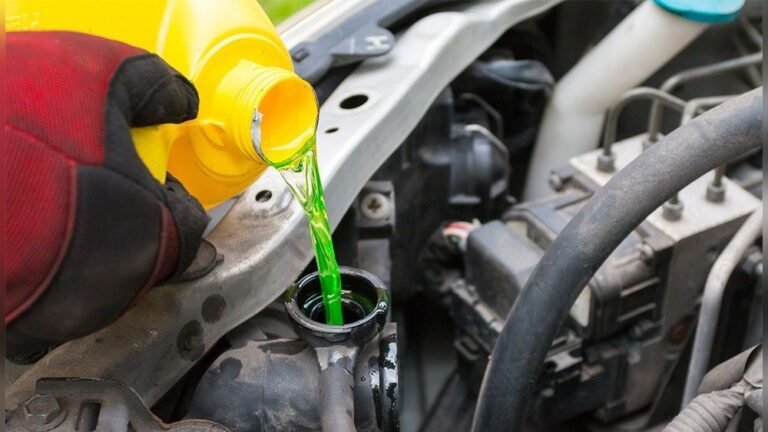
Checking your brake fluid levels inside the under-hood reservoir is your next vital diagnostic step. Locate the translucent plastic container, verify that the fluid sits between the minimum and maximum lines, and look for dark discoloration. Low fluid indicates potential leaks caused by extreme heat boiling the seals.
Testing pedal responsiveness in a quiet driveway comes after you confirm fluid levels are normal. Pump the brake pedal a few times while the car is parked to ensure it feels firm rather than spongy. A soft pedal means you need professional bleeding or fluid replacement.
Listening for scraping sounds while rolling at very low speeds completes your diagnostic check. If you hear a grinding or harsh metallic scraping from the rear wheels, your brake pads have worn down to the metal backing plate. This requires immediate pad replacement before you drive further.
7 Most Common Questions About Driving With Emergency Brakes On
Did I Ruin My Brakes by Driving a Short Distance With the Handbrake On?
Short distances with the handbrake engaged rarely cause permanent destruction. While you will experience accelerated pad wear and minor thermal stress, most braking systems are engineered to endure brief periods of friction without failing completely.
Why Does My Car Smell Like Burning After I Release the Parking Brake?
The burning smell comes from extreme heat generated by friction between the brake pads and the rotor or drum. This odor typically dissipates quickly once the components cool down and you drive normally for a short distance.
Can Driving With the Emergency Brake on Ruin My Transmission?
Driving with the parking brake on does not directly damage your transmission, though it forces your engine to work harder to overcome the resistance. The primary wear is isolated entirely to the rear brake assembly and tires.
What Should I Do If My Parking Brake Lever Feels Stuck After Driving?
If your parking brake lever feels stuck, turn off the engine and let the brake components cool down completely before attempting to disengage it. Forcing a hot mechanical cable can cause it to snap or stretch permanently.
How Do I Know If My Brake Pads Are Glazed From Overheating?
Glazed brake pads appear shiny and smooth, resulting in a noticeable reduction in stopping power and a spongy pedal feel. If your stopping distance increases significantly, you should take your vehicle to a mechanic for a pad replacement.
What Happens If You Drive With Emergency Brakes On
Brief driving with the parking brake on creates friction and heat but rarely destroys the vehicle. Monitoring burning smells and brake fluid levels helps assess immediate safety. Allowing components to cool before inspection prevents further mechanical strain.
Perform a cool-down inspection of your rear wheels and test your brake pedal response in a safe driveway before hitting the road.