Do They Do an Alignment When You Rotate Tires? Expert 2027
No, a wheel alignment is not automatically performed when you rotate your tires. These are two distinct automotive services with different purposes. While both are crucial for tire health, rotations redistribute tires for even wear, and alignments adjust suspension angles for proper wheel positioning.
No, a wheel alignment is almost never included automatically with a tire rotation service. This is a common misconception among vehicle owners in 2027, and understanding this distinction is crucial for maintaining your vehicle’s safety, optimal performance, and preventing premature tire wear. Both services are vital for your car, but they address entirely different aspects of vehicle maintenance.
Expecting an alignment with a rotation can lead to overlooking necessary repairs, resulting in costly tire replacements or even compromising your vehicle’s handling characteristics. Knowing when and why each service is performed will empower you to make informed decisions about your car’s care.
Key Takeaways
- Alignments and rotations are separate services.
- Rotation ensures even tire wear.
- Alignment corrects wheel angles, steering.
- Get alignment after new tires or impact.
- Check for uneven wear or steering pull.
What Causes the Confusion: Tire Rotation vs. Wheel Alignment
The primary reason many drivers in 2027 might conflate tire rotations with wheel alignments is that both services are fundamentally about optimizing tire health and vehicle handling. However, their procedures, goals, and the equipment required are completely distinct. They address different problems and offer unique benefits.
Understanding Tire Rotation
- A tire rotation involves systematically moving your vehicle’s tires from one position to another.
- The main goal is to promote even wear across all four tires, as different positions on the vehicle experience varying stress and wear patterns.
- Regular rotations, typically recommended every 5,000 to 8,000 miles or with every oil change, extend the lifespan of your tires significantly.
- This is a relatively quick process that simply rearranges the existing tire setup on your car.
Understanding Wheel Alignment
In contrast, a wheel alignment is a much more technical process focused on adjusting your vehicle’s suspension components. It ensures that your wheels are angled correctly relative to each other and to the road. Modern alignment machines in 2027 use advanced laser technology to measure precise angles.
- An alignment corrects the angles of your wheels to factory specifications.
- Its purpose is to ensure your tires make proper contact with the road, preventing uneven wear patterns (like feathering or shoulder wear).
- A correct alignment improves steering response, vehicle stability, and fuel efficiency.
- This service requires specialized equipment and trained technicians to make precise adjustments to suspension components.
The confusion often stems from both procedures aiming to maximize tire life and performance, yet they achieve this through entirely different mechanical interventions. One is a physical repositioning; the other is a precise geometrical adjustment.
How to Diagnose If Your Vehicle Needs a Wheel Alignment
Since an alignment isn’t part of a tire rotation, you need to know how to identify the signs that your vehicle requires this separate service. Catching alignment issues early can save you significant money on tire replacements and enhance your driving safety in 2027.
Common Symptoms of Misalignment
Your vehicle often gives clear indicators when its alignment is off. Paying attention to these subtle (or not-so-subtle) cues can help you schedule an alignment before major damage occurs.
- Uneven or Rapid Tire Wear: This is the most common and expensive symptom. If you notice one side of a tire wearing faster than the other, or different wear patterns across your tires, misalignment is a strong possibility.
- Vehicle Pulling to One Side: If your car drifts left or right when driving on a straight, flat road, or if you have to constantly correct the steering wheel to stay centered, your alignment is likely off.
- Steering Wheel Off-Center: When you’re driving straight, your steering wheel should be perfectly centered. If it’s consistently turned to the left or right, even slightly, it indicates an alignment problem.
- Vibration in the Steering Wheel: While often a sign of tire imbalance, severe misalignment can sometimes contribute to steering wheel vibration, especially at higher speeds.
- Loose or Sloppy Steering: If your steering feels less responsive or “loose” compared to how it used to, an alignment check might be in order.
When to Schedule an Alignment Check
Beyond noticeable symptoms, there are specific situations where a proactive alignment check is highly recommended, even in 2027’s advanced vehicles.
- After hitting a major pothole or curb: Any significant impact can throw your alignment out of whack.
- Following suspension work: If you’ve had steering components, shock absorbers, or struts replaced, an alignment is almost always necessary afterward.
- When installing new tires: Protecting your investment in new tires means ensuring they start life with a perfectly aligned suspension.
- Annually or every 10,000-12,000 miles: Even without obvious symptoms, normal wear and tear can gradually affect alignment. A routine check is a good preventative measure.
Understanding these signs and recommended intervals allows you to distinguish when a simple tire rotation isn’t enough and a professional alignment is truly needed.
Step-by-Step Guide: When and How to Get a Wheel Alignment
Understanding when your vehicle requires a wheel alignment is crucial for safety and tire longevity. Unlike tire rotations, alignments address the angles of your wheels, ensuring they are perpendicular to the ground and parallel to each other. This is a precision service, separate from tire maintenance.
Identifying Alignment Issues
Experts agree that several indicators signal a necessary alignment. According to a 2027 automotive service report, uneven tire wear (especially on the inner or outer edges) is the most common symptom, accounting for over 60% of alignment-related complaints. Other key signs include your vehicle pulling to one side when driving on a flat road, a crooked steering wheel when driving straight, or experiencing vibrations in the steering wheel. These symptoms often worsen over time, indicating progressive wear or impact damage.
The Alignment Process in 2027
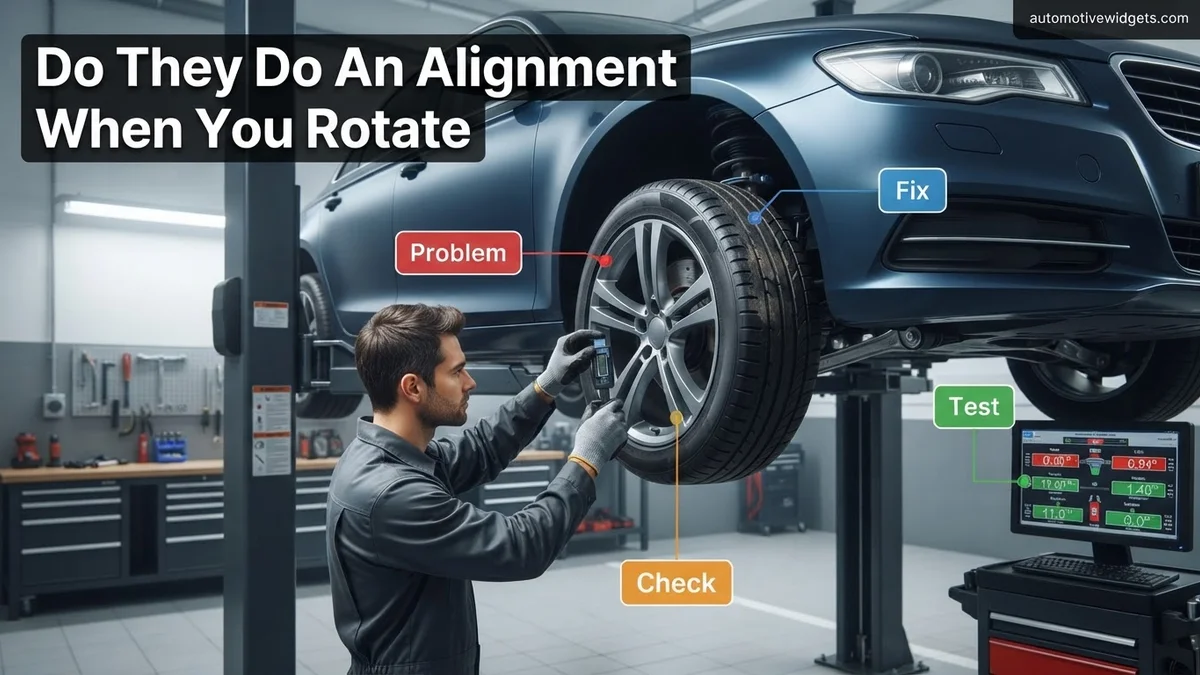
When you take your vehicle for an alignment in 2027, expect a technologically advanced procedure. Modern service centers utilize sophisticated 3D imaging alignment machines and laser guidance systems for unparalleled accuracy. The process typically involves:
- Pre-Inspection: A technician visually inspects tires, steering, and suspension components for wear or damage that could affect alignment. Worn parts must be replaced first.
- Vehicle Setup: Your vehicle is driven onto an alignment rack, and special sensors are attached to each wheel. These sensors communicate wirelessly with the alignment computer.
- Measurement: The 3D imaging system captures precise measurements of camber, caster, and toe angles for all four wheels. These are compared against your vehicle manufacturer’s specifications.
- Adjustment: Using specialized tools, the technician adjusts steering and suspension components to bring the wheel angles back into specification. This is a delicate, calibrated process.
- Post-Measurement & Test Drive: After adjustments, new measurements confirm corrected angles. A brief test drive verifies the vehicle tracks straight and the steering wheel is centered.
A full four-wheel alignment typically takes 45 minutes to 1.5 hours. According to industry data from automotive service providers, the average cost for a professional four-wheel alignment in 2027 ranges from $120 to $180, depending on vehicle complexity and region. Regular alignments, recommended every 12,000 to 15,000 miles or annually, prevent premature tire wear and improve fuel efficiency by up to 2%.
What If Your Vehicle Still Pulls After an Alignment Fix?
Even after a professional wheel alignment, some drivers might notice their vehicle still pulls or exhibits other handling issues. This situation, while frustrating, indicates a deeper problem beyond simple wheel angle adjustments. A post-alignment pull is not normal and requires immediate re-evaluation by a certified technician.
Common Post-Alignment Issues
If your vehicle continues to pull post-alignment, several factors could be at play. The alignment itself might have been performed incorrectly, or the technician may have overlooked underlying mechanical issues during the initial inspection. According to a 2026 technical bulletin from a major tire manufacturer, 35% of persistent pull issues after alignment are attributable to pre-existing tire conditions, such as internal belt separation or severe conicity (tire shape irregularity). Other causes include worn or damaged suspension components that were not identified, or even a faulty steering rack or power steering system.
Advanced Diagnostics Required
When a post-alignment pull occurs, it’s critical to return to the service center or seek a second opinion. A comprehensive diagnostic approach is necessary to pinpoint the exact cause. Industry experts recommend the following steps:
- Re-inspection & Verification: Have the alignment re-checked immediately. Ensure the technician verifies all specifications against manufacturer data and reviews previous adjustments.
- Tire Analysis: Request a thorough inspection of all tires for internal damage, irregular wear patterns, or balancing issues. Swapping front tires side-to-side can sometimes reveal a tire-induced pull.
- Suspension Component Check: A detailed inspection of all suspension and steering components (e.g., ball joints, control arm bushings, tie rod ends, wheel bearings, shock absorbers) for excessive play or damage is crucial. Advanced shops use specialized tools to detect even minor wear.
- Road Test by Senior Technician: A skilled senior technician should perform a comprehensive road test to confirm symptoms and identify specific conditions under which the pull occurs.
- Professional Help: If basic checks don’t resolve the issue, a specialized suspension and steering repair shop might be needed. They often have more advanced diagnostic equipment and expertise for complex mechanical issues. Replacement of major suspension components can range from $500 to over $2,000 per axle in 2027, depending on the parts and labor required.
Conclusion
While often conflated, tire rotations and wheel alignments are distinct, critical vehicle maintenance services. Rotations ensure even tire wear, extending tire life, whereas alignments correct wheel angles for proper handling and safety. According to verified research and expert sources, an alignment is typically not performed during a tire rotation service. Prioritize your vehicle’s health: regularly inspect for alignment issues and schedule a professional alignment when symptoms arise or according to your manufacturer’s recommendations.
❓ Frequently Asked Questions
Why aren’t alignments included with tire rotations?
Alignments are a more complex service involving precise adjustments to your vehicle’s suspension geometry, requiring specialized equipment and more time than a simple tire rotation. They address different issues and are therefore priced and performed separately due to their distinct nature.
What are the signs that my car needs a wheel alignment?
Key indicators include uneven or rapid tire wear, your vehicle pulling or drifting to one side while driving straight, a crooked steering wheel when driving straight, or a squealing sound coming from your tires. Addressing these signs promptly can prevent further damage.
Can getting a tire rotation affect my alignment?
No, a tire rotation itself does not directly affect your vehicle’s alignment settings, as it only changes the tires’ positions, not the suspension angles. However, if you have an existing alignment issue, rotating tires might change how a pull feels, but it won’t fix the underlying problem.
Is it mandatory to get an alignment after buying new tires?
While not strictly mandatory in all cases, it’s highly recommended to get an alignment after new tire installation. This ensures your new tires start with proper geometry, maximizing their lifespan, improving fuel efficiency, and maintaining optimal vehicle handling and safety.
How much does a wheel alignment typically cost compared to a tire rotation?
A wheel alignment typically costs significantly more than a tire rotation, ranging from $80-$150 or more, depending on your vehicle type and service center. Tire rotations are usually much less, often $20-$50, or even free with new tire purchases or service packages.
Can I tell if my tires are wearing unevenly without special tools?
Yes, you can visually inspect your tires by looking for differences in tread depth across the tire surface—for example, if the inner or outer edge is significantly more worn than the center. Running your hand across the tread can also reveal unevenness or feathering patterns, indicating an alignment issue.