
Does Synthetic Oil Make Your Car Run Smoother?
Yes, synthetic oil can make your car run smoother by reducing friction between engine parts and helping protect your engine from wear.
While there are many benefits to using synthetic oil in your car, one of the most commonly cited is that it can make your car run smoother. This is because synthetic oil is designed to flow more easily and evenly than conventional oil, helping prevent engine wear and tear. In addition, synthetic oil typically lasts longer than conventional oil, so you won’t have to change it as often.
Ultimately, whether or not you use synthetic oil in your car is up to you, but if you’re looking for a smoother ride, it may be worth considering.
What is the Disadvantage of Synthetic Oil?
The disadvantages of synthetic oil are that it is more expensive than conventional oil, and it may not be as compatible with older engines. Also, because it is an artificial product, there is always the potential for quality issues.
What Happens If You Put Synthetic Oil Instead of Regular?
If you put synthetic oil in your car instead of regular oil, a few things could happen. The first is that your car could run more smoothly because synthetic oil has fewer impurities than regular oil. This could also lead to better fuel economy because the engine isn’t working as hard to overcome friction.
Additionally, synthetic oil can withstand higher temperatures without breaking down, helping protect your engine from heat damage. However, it’s important to check your owner’s manual before switching to synthetic oil, as some cars require a different oil filter for synthetic oil.
Will My Car Run Smoother After an Oil Change?
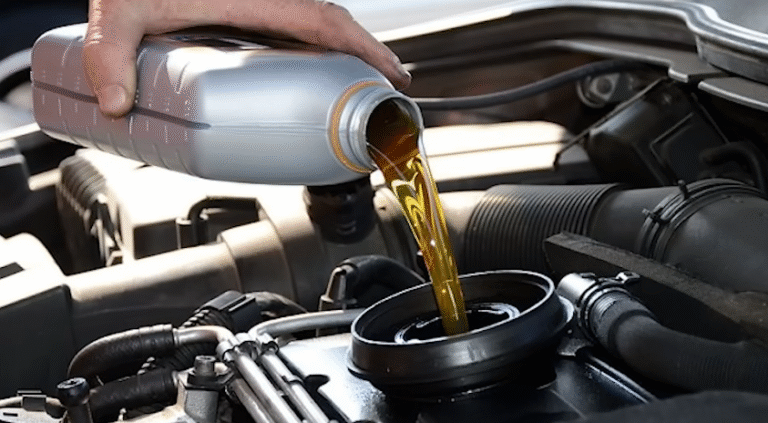
It is common for drivers to wonder if their car will run smoothly after an oil change. The answer is yes: an oil change can improve your vehicle’s performance. Over time, as your engine runs, it accumulates dirt and debris.
This can cause your engine to run less efficiently, resulting in reduced fuel economy or increased emissions. An oil change will remove all of the dirty oil from your engine and replace it with fresh, clean oil. This will help to restore your engine’s performance and improve fuel economy.
Is It Ok to Use Synthetic Oil in High Mileage Cars?
Yes, it is perfectly fine to use synthetic oil in high-mileage cars. In fact, many mechanics and car experts recommend it! The main reason is that synthetic oil is much more durable and resistant to breakdown than regular oil, helping extend your car’s engine’s life.
It also does a better job of protecting against wear and tear, so it’s ideal for older cars with high mileage. Plus, it can actually improve your car’s fuel economy since it doesn’t have to work as hard to lubricate the engine.
Here’s Why This Engine Oil Will Make Your Car Run Better
Synthetic Oil Vs Regular Oil Mileage
The topic of motor oil seems to come up often, and with good reason. There are many options out there, and it can be hard to know which one is right for your car. In this post, we’ll be comparing synthetic oil and regular oil in terms of mileage.
We’ll start with a brief overview of each type of oil. Synthetic oil is artificial, while regular oil comes from crude petroleum. Both have their pros and cons, but ultimately it’s up to you to decide which is best for your car.
Now let’s get into the nitty-gritty: mileage. How do these two types of oils compare in terms of how far they can take you? Generally speaking, synthetic oil will last longer than regular oil.
This is because it’s designed to withstand higher temperatures and pressures without breaking down. That said, a few factors can affect how long your synthetic oil lasts, such as the type of car you drive and how you drive it. On the other hand, regular oil breaks down faster than synthetic oil, but costs less upfront.
So if you’re looking to save some money in the short term, regular oil may be the way to go. Just keep in mind that you’ll need to change it more often than synthetic oil (usually about every 5,000 miles). Ultimately, the choice between synthetic and regular oil comes down to personal preference.
If you want the peace of mind that comes with knowing your car’s engine is well-protected, then syntheticoil is probably worth the investment. But if you’re on a budget or don’t mind changing your motor oil more frequently, regular oil isss fine.
Disadvantages of Synthetic Oil
If you’re like most people, you probably think that synthetic oil is the best possible option for your car. After all, it’s designed to last longer and perform better than conventional oil, right? Well, there are actually some disadvantages to using synthetic oil that you should be aware of before making the switch.
For one thing, synthetic oil is much more expensive than conventional oil. In fact, a single quart can cost upwards of $10! That’s a significant increase from the few dollars you would spend on a traditional oil change.
Additionally, while synthetic oil tends to last longer than regular oil, that doesn’t necessarily mean it’s better for your car. In fact, some experts believe that using synthetic oil can shorten your engine’s lifespan! Finally, if you decide to use synthetic oil in your car, you’ll need to be extra careful to change it regularly.
That’s because if you go too long between changes, the build-up of sludge and debris can actually cause damage to your engine. So while synthetics have their advantages, they also come with some potential drawbacks that you should keep in mind before making the switch.
Can I Put Synthetic Oil in My Car After Using Regular Oil
If you’re wondering whether you can put synthetic oil in your car after using regular oil, the answer is yes! Synthetic oil is designed to be compatible with all types of engine oil, so there’s no need to worry about compatibility. That said, there are a few things you should keep in mind when switching from regular to synthetic oil.
First, consult your owner’s manual to see what type of oil is recommended for your car. Second, remember that synthetic oil typically costs more than regular oil, so you’ll need to budget accordingly. Finally, it’s always a good idea to get an oil change at a reputable shop or dealership to ensure that the job is done properly.
Is Synthetic Oil Worth It
As motor oil technology has advanced, more drivers are switching to synthetic oil. But is it really worth it? Let’s take a look at the pros and cons of synthetic oil to help you make an informed decision for your vehicle.
PROS: 1. Synthetic oil can last longer than conventional motor oil. This means that you won’t have to change your oil as often, which can save you time and money in the long run.
2. Synthetic oil can withstand higher temperatures without breaking down. This means that your engine will be better protected in hot weather conditions or when you’re driving at high speeds. 3. Synthetic oil can flow better in cold weather conditions.
This means your engine will be less likely to experience wear and tear in colder climates. CONS: 1. Synthetic oils come with a higher price tag than conventional motor oils.
While they may save you money in the long run, the initial investment may be off-putting for some drivers. 2.
Conclusion
According to the blog post, synthetic oil does not necessarily make your car run smoother. The author argues that while synthetic oil may be more effective at lubricating your engine, it is not necessarily better than conventional oil. The author cites a Consumer Reports study that found that it did not reduce engine wear and whether