What Happens When Throw-Out Bearing Fails in a Manual Transmission: Signs & Solutions
Have you ever noticed strange noises or difficulty shifting gears in your manual transmission? These issues might be a sign that your throw-out bearing is failing.
Understanding what happens when this small but crucial part breaks down can save you from costly repairs and unexpected breakdowns. You’ll discover the warning signs, the impact on your car’s performance, and what you should do to keep your transmission running smoothly.
Keep reading to learn how to protect your vehicle and avoid getting stuck on the road.

Credit: daseuropeanautohaus.com
Role Of The Throw-out Bearing
The throw-out bearing helps press the clutch, allowing smooth gear changes. If it fails, shifting becomes noisy and difficult. This can lead to clutch damage and costly repairs.
What Is The Throw-out Bearing?
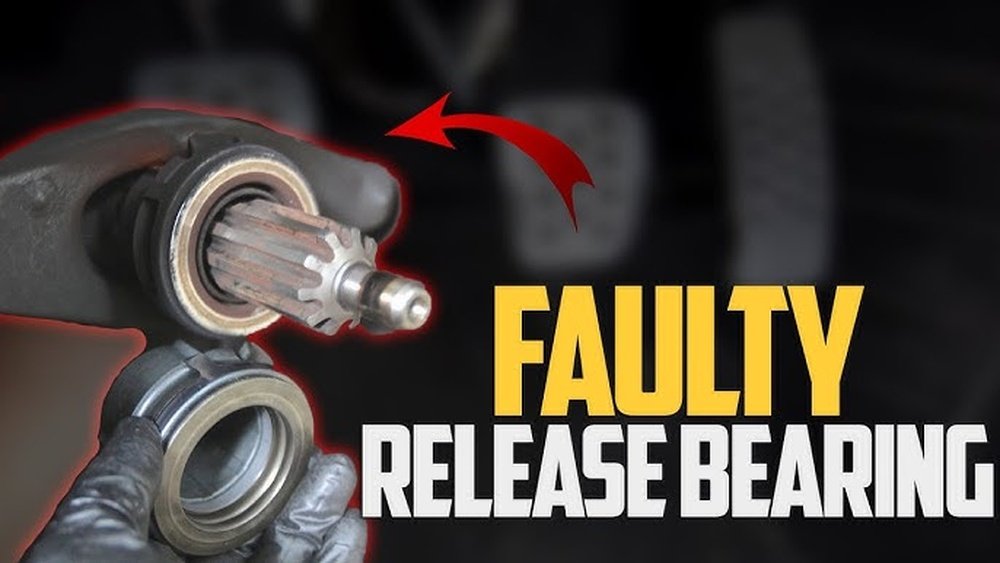
The throw-out bearing is a small but vital part of a manual transmission. It sits between the clutch pedal and the pressure plate. When you press the clutch pedal, the throw-out bearing moves forward. This movement pushes against the pressure plate. It releases the clutch disc from the engine flywheel. This action allows you to change gears smoothly without grinding.
How Does The Throw-out Bearing Work?
When you press the clutch pedal, the throw-out bearing spins. It slides along a shaft to reach the pressure plate. The bearing reduces friction between moving parts. It keeps the clutch system working quietly and smoothly. Without a working throw-out bearing, shifting gears becomes hard and noisy.
Why Is The Throw-out Bearing Important?
The throw-out bearing helps protect the clutch system. It allows the clutch to disengage without damage. It stops metal parts from rubbing against each other directly. This reduces wear and tear on the clutch. A healthy throw-out bearing means better driving comfort and longer transmission life.

Credit: www.youtube.com
Common Signs Of Bearing Failure
The throw-out bearing is a small but important part of a manual transmission. It helps the clutch work smoothly. When this bearing starts to fail, the car shows clear signs. Recognizing these signs early can save you from costly repairs and breakdowns.
Driving with a bad throw-out bearing can cause more damage to your transmission. It affects how the clutch engages and disengages. The sooner you spot the problem, the better for your car’s health.
Unusual Noises When Pressing The Clutch
A common sign of throw-out bearing failure is strange noises. You may hear grinding, whining, or rattling sounds. These noises happen when you press the clutch pedal. They come from the bearing struggling to move smoothly.
Difficulty Shifting Gears
Shifting gears may become harder. The clutch may not fully disengage, causing resistance. You might feel grinding or rough gear changes. This happens because the bearing is not working properly.
Clutch Pedal Feels Different
The clutch pedal may feel stiff or spongy. It might also vibrate or pulse when pressed. These changes happen because the bearing cannot support the clutch release. The pedal response changes noticeably.
Clutch Slipping Or Poor Engagement
The clutch might slip or engage poorly. This means the car doesn’t move smoothly when you release the clutch pedal. The throw-out bearing failure can cause uneven pressure on the clutch parts.
Burning Smell Near The Clutch
A burning smell could come from the clutch area. This smell appears when the bearing causes extra friction. Friction creates heat, which can damage other clutch components.
Consequences Of Ignoring Bearing Issues
Ignoring throw-out bearing problems in a manual transmission can cause serious damage. The bearing plays a key role in clutch operation. When it fails, the effects do not stop at noise or discomfort. Small issues can quickly become costly repairs.
Understanding the consequences helps you act fast. This section covers what happens when bearing problems are left alone. It explains how ignoring signs affects your vehicle’s performance and safety.
The first sign of a failing bearing is noise. Squealing or grinding sounds come from the clutch area. These noises get worse over time. Vibration may also increase when pressing the clutch pedal. Ignoring these symptoms can lead to more damage.
A bad throw-out bearing causes uneven clutch pressure. This leads to clutch slippage. The car struggles to change gears smoothly. Acceleration slows down and fuel efficiency drops. Driving becomes unsafe and frustrating.
The bearing supports clutch movement. When it fails, stress shifts to other parts. The pressure plate and clutch disc wear out faster. The transmission may suffer from misalignment. Repair costs increase as more components get damaged.
Ignoring bearing issues can cause total clutch failure. The clutch may stop working suddenly. The vehicle becomes undrivable and may stall. Emergency towing and expensive repairs become necessary.
Diagnosing Throw-out Bearing Problems
Diagnosing throw-out bearing problems is important to keep your manual transmission working well. The throw-out bearing helps engage and disengage the clutch smoothly. When it starts to fail, strange noises and clutch issues can appear. Catching these signs early saves you from costly repairs and breakdowns.
Knowing the symptoms helps identify a bad throw-out bearing. Listen carefully while using the clutch. Look for changes in how the clutch feels when pressed. These clues point to the bearing’s health.
Noise When Pressing The Clutch
A common sign of a failing throw-out bearing is a noise when pressing the clutch pedal. It might sound like grinding, whining, or squealing. The noise usually stops when you release the pedal. This happens because the bearing wears out and doesn’t move smoothly.
Clutch Pedal Feels Rough Or Stiff
If the clutch pedal feels harder to press or rough, the throw-out bearing may be damaged. A smooth pedal movement means the bearing works well. Roughness or stiffness shows the bearing is struggling. This can make driving uncomfortable and unsafe.
Vibration Or Shaking In The Clutch Pedal
Vibrations in the clutch pedal during use can signal a worn throw-out bearing. The bearing’s role is to reduce friction. When it fails, you may feel shaking or jerking through the pedal. This affects how well you can control the clutch.
Difficulty Shifting Gears
A bad throw-out bearing can cause trouble shifting gears. The clutch may not fully disengage, making gear changes rough or noisy. This issue can damage other parts of your transmission. Early diagnosis helps avoid bigger problems.
Repair And Replacement Options
Repair and replacement options for a failing throw-out bearing vary by the damage level. Ignoring the issue can lead to bigger transmission problems. Quick action saves time and money. Proper repairs restore smooth clutch operation and prevent noise.
Choosing the right repair depends on the vehicle’s condition and budget. Sometimes, replacing the throw-out bearing alone works. Other cases need a full clutch replacement. Understanding each option helps make a clear decision.
Throw-out Bearing Replacement
Replacing just the throw-out bearing is common for early failure. Mechanics remove the transmission to access the bearing. The new bearing fits in the clutch assembly. This fix stops grinding noises and clutch problems. It costs less than a full clutch replacement.
Complete Clutch Kit Replacement
A complete clutch kit includes the throw-out bearing, pressure plate, and clutch disc. This option suits worn or damaged clutch parts. It ensures all components work well together. The clutch feels smooth and strong after replacement. This repair takes more time but prevents future issues.
Transmission Inspection And Repair
A failing throw-out bearing may harm the transmission. Inspect gears and seals during repairs. Fix any damage found to avoid more trouble. Regular transmission maintenance improves vehicle lifespan. Skilled technicians check for hidden problems carefully.

Credit: southbendclutch.com
Frequently Asked Questions
What Is A Throw-out Bearing In A Manual Transmission?
A throw-out bearing helps disconnect the engine from the wheels during gear changes. It presses the clutch pressure plate to release the clutch disc. This part is key for smooth shifting.
What Are Common Signs Of A Failing Throw-out Bearing?
You may hear a grinding or squealing noise when pressing the clutch. The clutch pedal might feel stiff or vibrate. These signs show the bearing needs checking.
Can A Bad Throw-out Bearing Damage The Transmission?
Yes, a worn bearing can cause clutch slippage and gear grinding. This leads to more wear on the transmission parts. Fixing it early avoids costly repairs.
How Long Does A Throw-out Bearing Usually Last?
A throw-out bearing can last about 50,000 to 100,000 miles. Driving style and vehicle use affect its lifespan. Regular maintenance helps extend its life.
Is It Safe To Drive With A Failing Throw-out Bearing?
Driving with a bad bearing can cause clutch failure and loss of control. It’s risky and may worsen damage quickly. Repair or replace it as soon as possible.
Conclusion
A failing throw-out bearing can cause noise and clutch problems. It may lead to difficulty shifting gears or a stuck clutch. Ignoring these signs can cause more damage and costly repairs. Regular car check-ups help catch issues early. Fixing the bearing quickly keeps your manual transmission working well.
Don’t wait for serious trouble. Pay attention to unusual sounds or changes in clutch feel. Taking action helps your car stay safe and smooth on the road.