Is Transmission Fluid And Power Steering Fluid the Same Thing? Unveiled!
Have you ever wondered if transmission fluid and power steering fluid are the same thing? It’s a common question that can save you a lot of trouble when it comes to maintaining your car.
Using the wrong fluid in your vehicle can cause serious damage and lead to costly repairs. You’ll discover the key differences between these two fluids, why they matter, and how to choose the right one for your car. Keep reading—understanding this simple but important detail can protect your car and keep it running smoothly for years to come.
Differences Between Transmission Fluid And Power Steering Fluid
Transmission fluid and power steering fluid look similar but serve different roles. Both keep parts moving smoothly, but each fluid has unique features. Understanding their differences helps maintain your vehicle properly.
Purpose And Function
Transmission fluid lubricates gears in the transmission system. It also cools and cleans these parts. Power steering fluid helps turn the steering wheel easily. It transfers power to assist steering movements.
Composition And Ingredients
Transmission fluid contains additives for heat resistance and friction control. It is usually thicker and more complex. Power steering fluid is lighter and designed for hydraulic systems. It has fewer additives than transmission fluid.
Color And Appearance
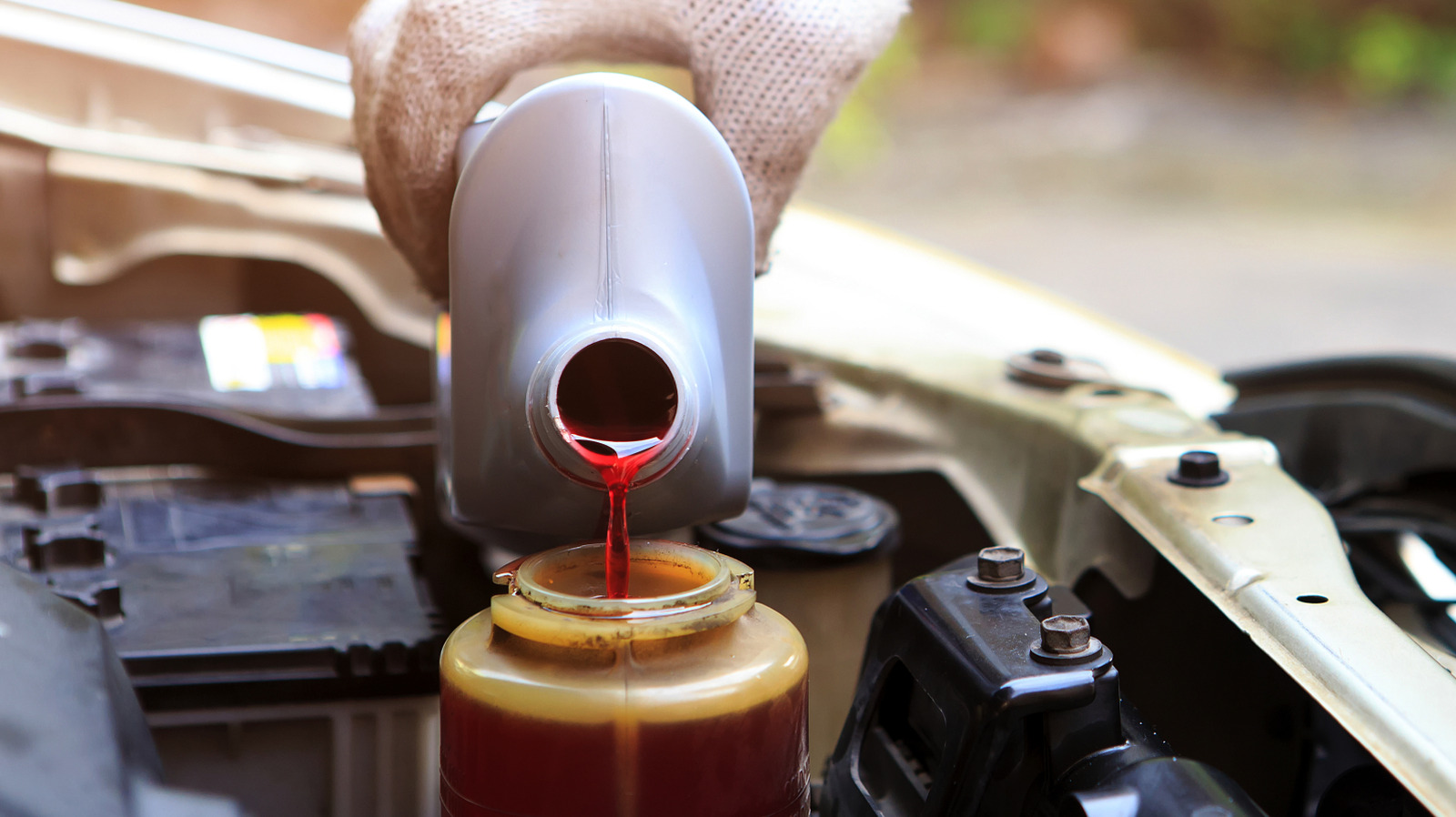
Transmission fluid often has a red or pink color. This helps identify leaks or contamination. Power steering fluid is usually clear, amber, or light brown. Color can vary depending on the vehicle brand.
Temperature And Pressure Conditions
Transmission fluid works under high heat and pressure inside the transmission. It must stay stable during tough conditions. Power steering fluid operates at lower temperatures and pressures. It needs to flow smoothly for quick steering response.
Compatibility And Usage
Using the wrong fluid can damage vehicle parts. Transmission fluid is not suitable for power steering systems. Power steering fluid cannot replace transmission fluid. Always follow the vehicle manufacturer’s fluid recommendations.
Functions Of Transmission Fluid
Transmission fluid plays a key role in the health of your vehicle’s transmission system. It is not just a lubricant but also a vital component that keeps the transmission working smoothly. Understanding its functions can help you see why it differs from power steering fluid.
This fluid carries out several important tasks to ensure your car changes gears properly. It helps cool the transmission, reduces friction, and protects parts from wear and tear. Each function supports the overall performance of your vehicle.
Lubrication
Transmission fluid lubricates the moving parts inside the transmission. This reduces friction and prevents metal parts from rubbing against each other. Without proper lubrication, parts can wear out quickly and cause damage.
Cooling
The transmission generates heat during operation. Transmission fluid absorbs this heat and helps cool the system. Keeping the transmission cool stops overheating and helps the vehicle run efficiently.
Hydraulic Function
Transmission fluid acts as a hydraulic fluid. It helps transmit power inside automatic transmissions. This allows gears to shift smoothly and respond quickly to your driving.
Cleaning And Protection
Transmission fluid cleans the transmission by carrying away dirt and debris. It also contains additives that protect the system from rust and corrosion. Clean fluid keeps the transmission parts in good condition for longer.
Functions Of Power Steering Fluid
Power steering fluid helps your car’s steering system move smoothly and easily. It reduces friction and protects parts from wear. This fluid is different from transmission fluid, which has another job in the vehicle.
Power steering fluid plays a key role in your vehicle’s steering system. It helps you turn the wheel smoothly and with less effort. Without it, steering would be stiff and difficult.
This fluid also protects the power steering pump and other parts. It stops wear and tear by reducing friction. It keeps the system working well for a long time.
Power steering fluid moves pressure through the system. This pressure helps the steering gear turn the wheels. It makes driving safer and more comfortable.
Hydraulic Pressure Transmission
Power steering fluid carries hydraulic pressure to assist your steering. This pressure makes the wheel easier to turn. It reduces the force needed from your hands.
Lubrication Of Steering Components
The fluid lubricates moving parts inside the steering system. It reduces friction between metal parts. This prevents damage and extends the life of the system.
Cooling The Steering System
Power steering fluid helps cool down the steering pump. Heat builds up when the system works hard. The fluid absorbs and carries away this heat.
Protecting Against Corrosion
It also protects the steering system from rust and corrosion. The fluid forms a barrier on metal surfaces. This keeps moisture from causing damage.

Credit: www.reddit.com
Signs Of Fluid Issues In Transmission And Power Steering
Fluids keep your car running smoothly. Transmission fluid and power steering fluid play key roles. Problems with these fluids cause noticeable signs. Spotting these signs early can prevent costly repairs.
Both fluids have different jobs but share some symptoms when they fail. Checking your car regularly helps catch issues fast. Below are common signs of fluid problems in transmission and power steering.
Transmission Fluid Leak
Red or brown fluid under your car is a warning. Transmission fluid leaks often appear near the front or middle. A low fluid level causes slipping or rough shifting. Watch for puddles or wet spots on the ground.
Power Steering Fluid Leak
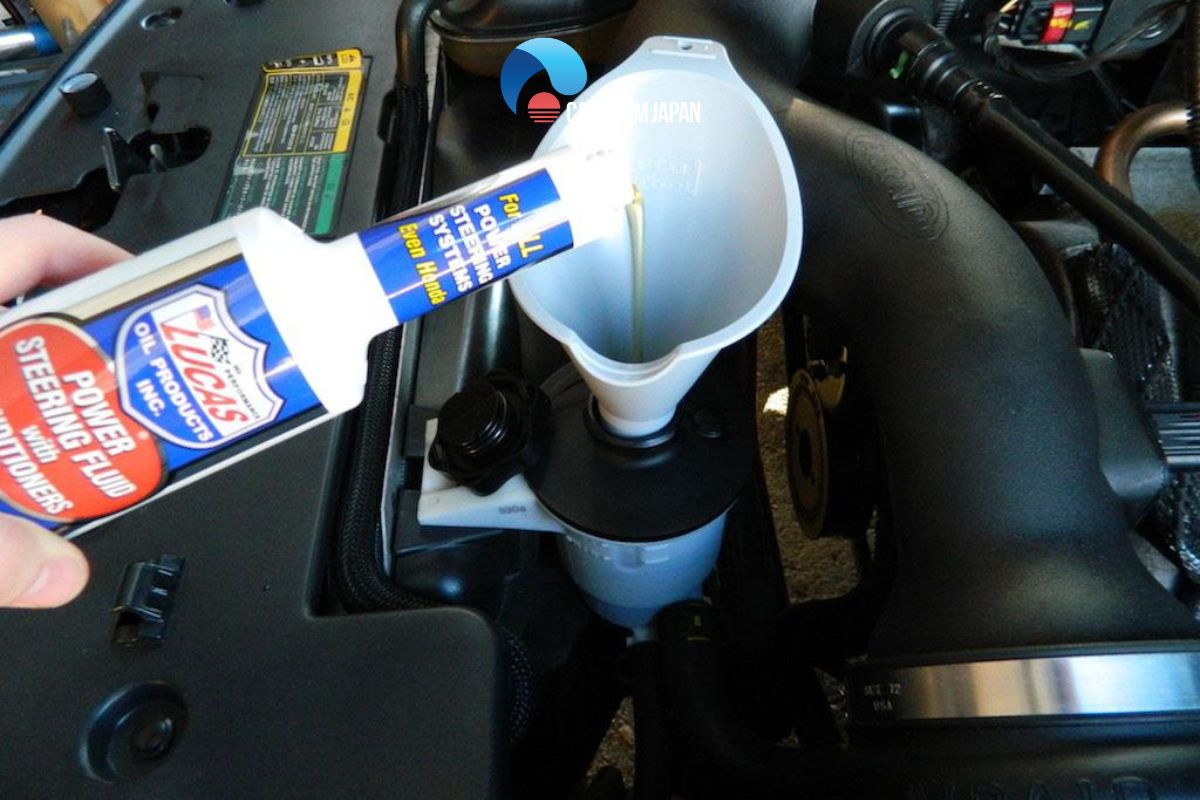
Power steering fluid is usually clear or light brown. Leaks show as wet spots near the front wheels or under the hood. You may smell a burnt or sweet scent. Leaking fluid makes steering hard or noisy.
Difficulty Steering
Hard steering or strange noises can mean low power steering fluid. The steering wheel may feel stiff or jerky. This happens because the fluid does not lubricate the system well. Check the fluid level if steering feels off.
Transmission Slipping Or Delayed Shifting
Your car may hesitate or slip out of gear. This happens with low or dirty transmission fluid. Shifts feel rough or delayed during driving. These issues signal the fluid needs attention or replacement.
Unusual Noises
Grinding or whining sounds can come from both systems. Power steering fluid problems cause whining when turning the wheel. Transmission noise may increase with low fluid or damage. Noises mean your car needs service.
Choosing The Right Fluid For Your Vehicle
Choosing the right fluid for your vehicle is very important. Each fluid has a special job and different needs. Using the wrong fluid can cause damage or poor performance. Understanding the differences helps keep your car safe and running smoothly.
Not all fluids are the same. Transmission fluid and power steering fluid may look similar but serve different purposes. Knowing which one to use protects your vehicle’s parts and extends their life.
What Transmission Fluid Does
Transmission fluid helps your car change gears smoothly. It cools and lubricates the transmission system. This fluid is thick and made to handle high pressure and heat. Using the right transmission fluid keeps gears working without slipping or grinding.
Role Of Power Steering Fluid
Power steering fluid helps you turn the steering wheel with less effort. It moves through the steering system to make steering smooth and easy. This fluid is lighter and designed for different pressure levels than transmission fluid. Correct fluid keeps steering responsive and quiet.
How To Find The Right Fluid
Check your vehicle’s owner manual first. It lists the exact type of fluid needed. Look for the fluid’s grade and specifications. Use fluids that meet or exceed these details. Choosing the right fluid prevents leaks and system failures.
Risks Of Using The Wrong Fluid
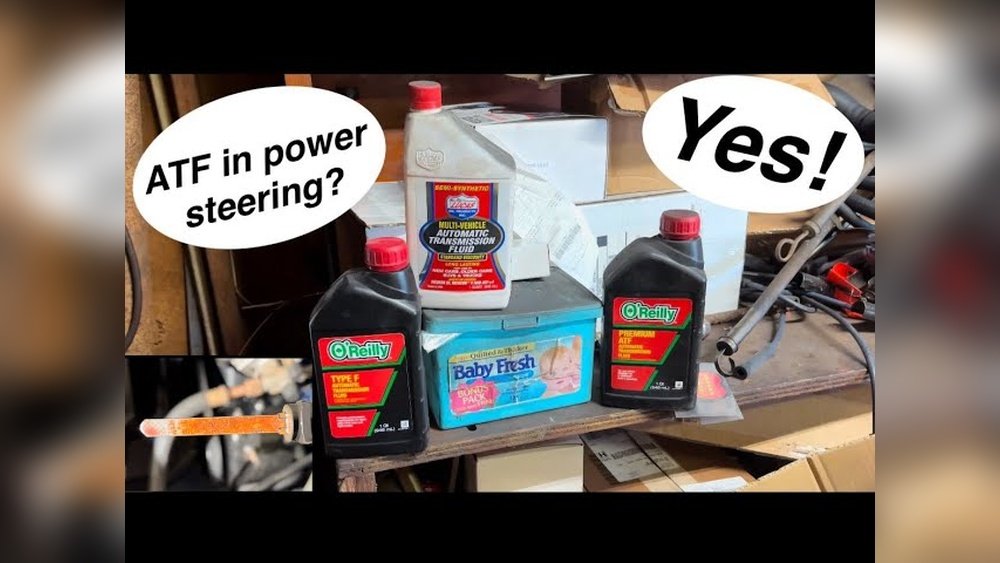
Using the wrong fluid can cause serious damage. Transmission fluid in the power steering system can cause leaks or stiff steering. Power steering fluid in the transmission can cause poor shifting or damage. Always use the fluid made for each system.
Credit: www.slashgear.com
Credit: carfromjapan.com
Frequently Asked Questions
Is Transmission Fluid The Same As Power Steering Fluid?
No, transmission fluid and power steering fluid are different. They serve different parts and have unique formulas. Using the wrong fluid can damage your vehicle.
Can I Use Transmission Fluid For Power Steering?
Using transmission fluid for power steering is not recommended. Power steering systems need special fluid for proper function. Wrong fluid can cause leaks and damage.
How Do Transmission Fluid And Power Steering Fluid Differ?
Transmission fluid is thicker and designed for gears. Power steering fluid is thinner to help steering parts move smoothly. Each fluid fits specific system needs.
What Happens If I Mix Transmission And Power Steering Fluids?
Mixing these fluids can cause system failure and leaks. Each fluid has chemicals that react differently in systems. Always use the fluid type your car requires.
How Often Should I Check Transmission And Power Steering Fluid?
Check both fluids regularly, about once a month. Low fluid levels can cause poor performance and damage. Use the correct dipstick and follow your car manual.
Conclusion
Transmission fluid and power steering fluid are not the same. Each fluid has a different job in your car. Using the wrong fluid can cause damage. Always check your car’s manual before adding fluid. Keep fluids clean and at the right level.
This helps your car run smoothly and safely. Remember, proper care saves you money and trouble later. Stay informed and take good care of your vehicle. Simple steps make a big difference.