Are There Any Risks Involved in Replacing the Battery Myself? Safety Tips
Thinking about replacing your device’s battery yourself? It might seem like a quick and cost-saving fix, but have you ever stopped to consider the risks involved?
What if a simple mistake could damage your device or even put your safety at risk? Before you open that tool kit, it’s important to understand what you’re getting into. You’ll discover the hidden dangers, common pitfalls, and smart tips to keep in mind if you decide to go the DIY route.
Keep reading to make sure your battery replacement doesn’t turn into a costly regret.

Credit: www.reddit.com
Common Risks In Diy Battery Replacement
Replacing a battery yourself can save money but carries certain risks. Understanding these risks helps you avoid costly mistakes and safety hazards. Handle the process with care and attention. Learn about common dangers before starting.
Electrical Shock Hazards
Working with batteries exposes you to electrical shock risks. The battery holds an electric charge that can cause harm. Touching the wrong parts may deliver a shock. Use insulated tools and avoid metal jewelry. Always disconnect the device from power before opening it.
Damage To Device Components
Device parts are delicate and easy to break during battery replacement. Using too much force can damage connectors or circuit boards. Removing screws incorrectly may strip them or crack the device. Avoid rushing and follow a guide closely. Damaged parts can make the device unusable.
Battery Leakage And Fire Risks
Batteries can leak harmful chemicals if mishandled. Puncturing or bending a battery may cause leakage or swelling. Leaking chemicals can damage the device and harm your skin. Improper installation may lead to overheating and fire. Store old batteries safely and dispose of them properly.
Tools And Equipment To Use
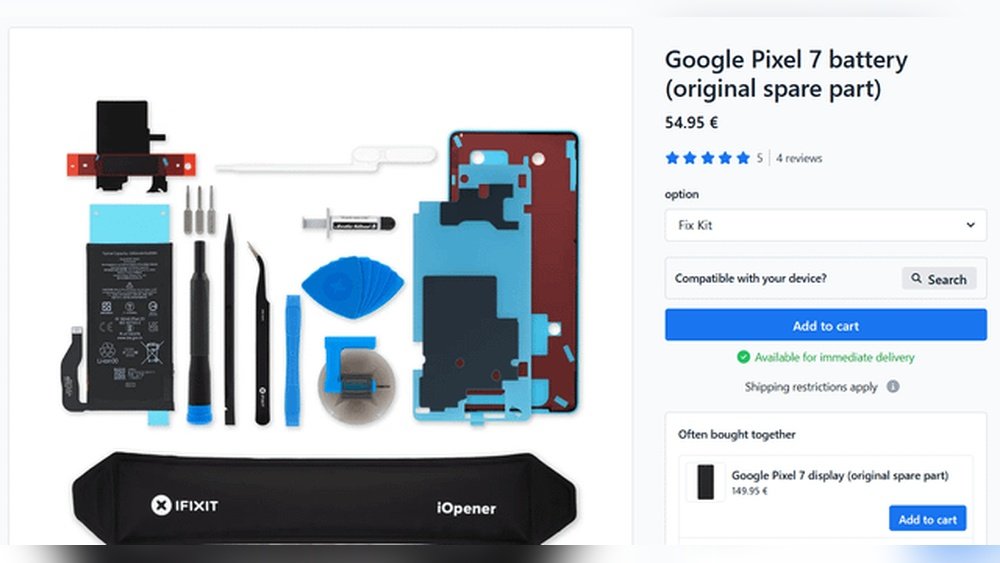
Replacing a battery yourself needs the right tools and equipment. Using proper gear keeps you safe and protects your device. Without the correct items, the job can be risky and cause damage. Below are key tools and equipment to have before starting your battery replacement.
Essential Safety Gear
Safety gear protects you from harmful chemicals and accidents. Wear safety glasses to shield your eyes. Use gloves to avoid skin contact with battery acid. A mask can protect you from harmful dust or fumes. Always work in a well-ventilated area to reduce exposure to fumes. Safety gear is a must, not an option.
Proper Tools For Battery Removal
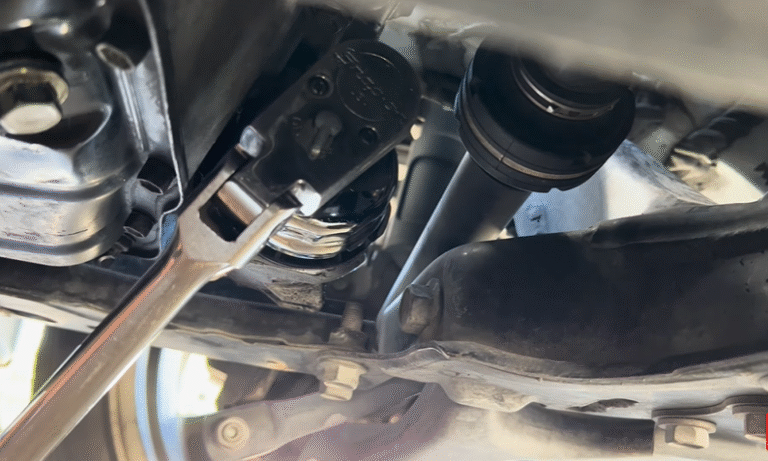
Use the right tools to avoid damaging your device. A set of screwdrivers with different heads helps remove screws easily. Plastic pry tools prevent scratching or breaking parts. A socket wrench may be needed for some battery types. Avoid metal tools that can cause short circuits. Organize your tools before you begin to work smoothly.
Disposal Containers For Old Batteries
Old batteries must be disposed of safely to protect the environment. Use a sturdy, leak-proof container to store the battery after removal. Keep the battery away from metal objects to prevent short circuits. Many local stores or recycling centers accept used batteries. Never throw old batteries in the trash. Proper disposal helps keep your community safe.
Safety Precautions During Replacement
Replacing a battery by yourself requires careful attention to safety. Batteries can be dangerous if not handled correctly. Taking proper safety steps protects you and your device. Follow these key precautions to avoid accidents and damage.
Power Off And Disconnect
Always turn off your device before starting. Unplug it from any power source. This prevents electrical shock and short circuits. Make sure the device is fully powered down. Wait a few minutes to let internal power drain.
Handling Batteries Carefully
Batteries are sensitive and can leak or catch fire if damaged. Hold the battery gently and avoid bending or puncturing it. Use tools designed for battery removal. Keep the battery away from metal objects that might cause sparks.
Avoiding Short Circuits
Short circuits happen when battery terminals touch metal. This can cause sparks or fire. Do not place the battery on conductive surfaces like metal tables. Store the battery in a non-metal container while working. Keep your workspace clean and organized to prevent accidents.

Credit: www.longsingtechnology.com
When To Seek Professional Help
Replacing a battery on your own can save money. Still, some situations need expert help. Knowing when to call a professional can protect your device and wallet. Here are signs you should not do the job yourself.
Complex Devices And Warranty Issues
Some devices are hard to open. They have small screws or glued parts. Trying to open them can break the device. Also, opening your device may void the warranty. A professional knows how to handle these devices safely. They keep your warranty valid while replacing the battery.
Signs Of Battery Damage
Swollen or leaking batteries are dangerous. They can catch fire or explode. If you see these signs, do not try to remove the battery yourself. A trained technician has tools and knowledge to handle damaged batteries safely. They prevent accidents and further damage.
Avoiding Costly Repairs
Battery replacement may seem simple but can cause other problems. Mistakes can damage the screen or internal parts. Professionals have experience to avoid these costly errors. They ensure your device works well after the battery change. This saves money in the long run.

Credit: www.amazon.com
Frequently Asked Questions
What Are Common Risks When Replacing A Battery Myself?
Common risks include damaging the device, improper battery handling, and voiding warranties. Mistakes can cause short circuits or battery leaks. Careful steps reduce these risks.
Can I Harm Myself While Changing The Battery?
Yes, batteries can leak harmful chemicals or cause electric shocks. Use gloves and avoid metal tools near battery terminals. Safety first.
Will Replacing The Battery Myself Void My Device Warranty?
Many manufacturers void warranties if the battery is replaced by non-professionals. Check your device’s warranty terms before starting. This can save future repair costs.
How Can I Avoid Damaging My Device During Battery Replacement?
Use the right tools and follow clear instructions. Work in a clean, static-free area. Take your time to avoid mistakes.
Is It Safe To Reuse Old Batteries After Replacement?
Reusing old batteries is not safe. Old batteries may leak, overheat, or fail quickly. Always dispose of them properly.
Conclusion
Replacing a battery yourself can save money but carries some risks. You might damage your device or hurt yourself without the right tools. Following clear instructions helps reduce mistakes. Some batteries need special care or skills to handle safely. If unsure, a professional can do the job without worries.
Weigh the benefits against the risks before deciding. Safety always comes first when working with electronics. Choose wisely for the best results and peace of mind.