Can I Pass Inspection With a Check Engine Light on? Essential Facts
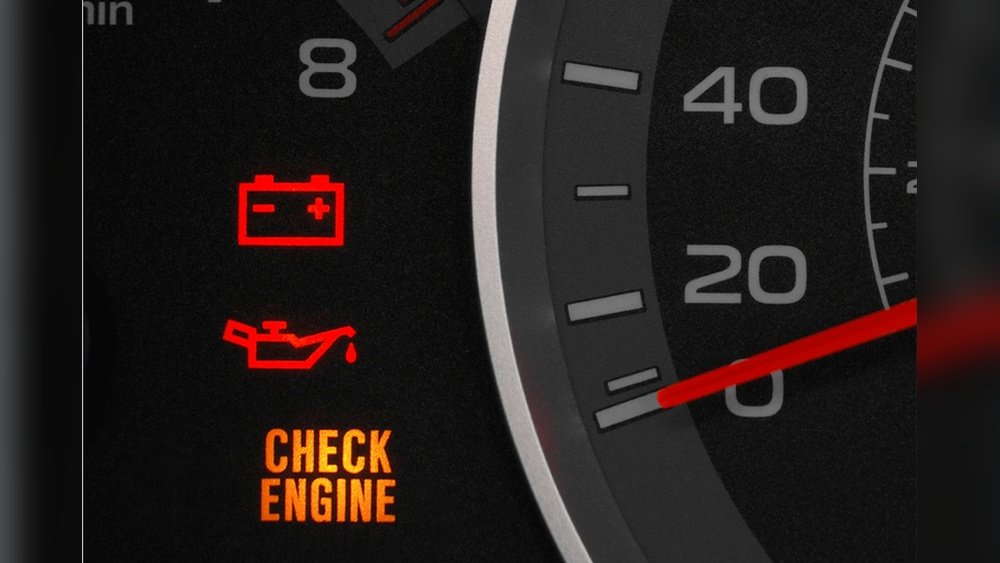
You see that check engine light glowing on your dashboard, and now you’re wondering: Can I pass inspection with a check engine light on? It’s a question many drivers face, especially when the inspection deadline is looming.
The truth is, ignoring that little warning could cost you more than just a failed inspection—it might put your safety and wallet at risk. You’ll discover why that light matters, what it means for your inspection, and the simple steps you can take to fix the issue and get back on the road with confidence.
Keep reading, because understanding this could save you time, money, and a whole lot of hassle.
Check Engine Light And Inspection Rules
The check engine light signals a problem in your vehicle’s system. It can mean many issues, from a loose gas cap to engine troubles. Inspection rules are strict about this warning light. Most states do not allow passing an inspection if the light is on. This is because the light shows the car may pollute more or have safety risks.
Understanding the rules helps avoid inspection failure. Each state has its own guidelines about the check engine light. Knowing these can save time and money.
What The Check Engine Light Means For Inspections
The check engine light means the car’s computer found a fault. This fault can affect emissions or safety. Inspectors check if the light is on during emissions or safety tests. If the light stays on, the car usually fails inspection. This failure happens even if the problem seems minor.
State-by-state Differences In Inspection Rules
Inspection rules vary by state. Some states focus on emissions and fail cars with an active check engine light. Other states may allow a warning light if it does not affect emissions. In Texas, for example, an active check engine light means automatic failure. Knowing your state’s rules is important before inspection day.
How To Pass Inspection With A Check Engine Light
Passing inspection requires fixing the issue causing the light. Mechanics use diagnostic tools to find the problem. Once fixed, the check engine light should turn off. The car’s computer also needs to reset. This reset can take a few driving cycles. After reset, the vehicle is ready for inspection.

Credit: www.reddit.com
Common Causes Triggering The Light
A check engine light can turn on due to a loose gas cap, faulty oxygen sensor, or engine misfire. Sometimes, problems with the catalytic converter or spark plugs also trigger the light. These issues affect emissions and may cause a vehicle to fail inspection.
The check engine light signals that the vehicle’s computer found a problem. This warning can mean many different issues. Some are minor, others can affect safety or emissions. Knowing common causes helps understand why the light is on.
Many causes relate to engine or emission system problems. Ignoring the light can lead to bigger damage or failing inspection tests. Here are some frequent reasons the check engine light appears.
Loose Or Faulty Gas Cap
A loose or damaged gas cap can cause fuel vapors to leak. This triggers the check engine light. It is one of the easiest problems to fix. Tightening or replacing the gas cap often turns the light off.
Faulty Oxygen Sensor
The oxygen sensor measures the amount of oxygen in exhaust gases. A bad sensor lowers fuel efficiency and increases emissions. It causes the check engine light to come on. Replacing this sensor is usually necessary to pass inspection.
Malfunctioning Spark Plugs Or Wires
Spark plugs ignite the fuel-air mixture in the engine. Worn or damaged spark plugs cause misfires. This leads to rough running and the check engine light. Replacing plugs or wires can fix the issue and clear the light.
Mass Air Flow Sensor Problems
The mass air flow sensor measures air entering the engine. A faulty sensor can cause poor engine performance. It also triggers the check engine light. Cleaning or replacing the sensor often solves the problem.
Issues With The Catalytic Converter
The catalytic converter reduces harmful emissions. Problems here cause the check engine light to come on. A failing converter may cause a vehicle to fail inspection. Repair or replacement is often required.
Vacuum Leaks
Vacuum leaks let extra air into the engine. This disrupts the fuel mixture and causes the light to turn on. Common sources include cracked hoses or loose connections. Fixing leaks can clear the warning.
Impact On Emissions Testing
Emissions tests detect problems causing excess pollution, often linked to a check engine light. Vehicles with this light on usually fail inspection. Fixing issues before testing helps ensure your car meets emissions standards.
The check engine light signals a problem with your vehicle’s emissions system. This light often means your car emits more pollutants. Emissions tests measure harmful gases from your exhaust. A check engine light usually causes automatic test failure. The testing machines read data from your car’s computer. If the light is on, the system records an error code.
These error codes show the emissions system is not working right. The car may release more carbon monoxide or other pollutants. Testing centers do not allow cars with active codes to pass. This is a strict rule to protect air quality. The light does not need to be on for long to cause failure. Even a recent check engine light can block passing the test.
What Emissions Tests Check
Emissions tests check several systems under your hood. They look at fuel injection, oxygen sensors, and catalytic converters. These parts control and reduce harmful gases. The car’s onboard diagnostics system (OBD-II) monitors these parts. It sends signals if something fails or runs poorly. The check engine light turns on to warn drivers. The test reads this warning and decides if your car passes.
Consequences Of Passing With A Check Engine Light
Trying to pass with the check engine light on risks failing the test. It may also cause legal issues in some states. Driving a car with emission problems can harm the environment. It can also reduce your vehicle’s fuel efficiency. Mechanics recommend fixing the problem before testing. Clearing the light without repair can cause the light to return quickly. Proper repair ensures cleaner air and a better chance to pass.

Credit: girlingtongarage.com
Steps To Clear The Check Engine Light
Clearing the check engine light is important before a vehicle inspection. It shows the car is ready and safe for the road. The light can come on for many reasons. Some issues are simple, others need a mechanic.
Follow these steps to clear the check engine light and prepare your car for inspection.
Scan For Trouble Codes
Use an OBD-II scanner to read the error codes. This device plugs into your car’s diagnostic port. It shows the exact problem causing the light. Knowing the issue helps decide if you can fix it yourself or need help.
Fix The Problem
Address the issue that caused the code. It might be a loose gas cap, bad sensor, or spark plug. Fixing the problem stops the engine from misfiring or leaking emissions. This step is key to clearing the check engine light.
Reset The Check Engine Light
After repairs, reset the light with the OBD-II scanner. This clears the stored trouble codes. The light will turn off if the problem is fixed. Some cars reset the light after driving a few cycles.
Complete A Drive Cycle
Drive the car for a full cycle to reset the system. This means normal driving with stops and starts. The engine control unit checks all systems during this time. A completed drive cycle helps the light stay off before inspection.
Verify The Light Is Off
Check the dashboard to see if the light stays off. Use the scanner again for any new codes. If no codes appear, the car is ready for inspection. If the light returns, the problem is not fixed.
Exceptions And Special Cases
Certain states allow exceptions if the check engine light signals minor issues, like a loose gas cap. Some inspections may pass if the vehicle meets specific criteria or if repairs are underway. Always check local regulations, as rules vary widely by location.
Vehicles With Recent Repairs
Some states allow a grace period after a repair. If the check engine light turned off recently, the car might still pass. The system needs time to reset and run tests. This period can last from a few days to a couple of weeks. During this time, the light stays off, but the system is not fully checked yet.
Temporary Inspection Waivers
Certain areas offer temporary inspection waivers. These waivers apply if repairs are scheduled but not complete. They give drivers extra time to fix the issue. The check engine light must be off or the fault cleared. The waiver period varies by state and situation. It helps avoid fines while the problem is fixed.
Non-emissions Related Check Engine Lights
Some check engine lights do not affect emissions. Problems like a loose gas cap or sensor faults may not fail the test. Inspectors focus on emissions systems during inspection. If the light is on but emissions pass, the vehicle may pass. Still, this depends on local inspection rules and the light’s cause.
Newer Vehicles And Obd-ii Readiness
Newer cars have onboard diagnostics called OBD-II. The system runs self-checks on emissions and other parts. If all tests are complete and no faults found, the car can pass. Sometimes, the check engine light appears due to unfinished self-tests. This situation may prevent passing until tests finish.

Credit: www.familyhandyman.com
Frequently Asked Questions
Will You Pass An Inspection With A Check Engine Light On?
You cannot pass an inspection with the check engine light on. Fix the issue and clear the code before testing.
Will They Fail You For A Check Engine Light?
They will fail you if your check engine light is on during inspection. Fix the issue to pass.
Can You Pass With A Check Engine Light?
You cannot pass a vehicle inspection with the check engine light on. Fix the issue before testing.
Can I Drive 100 Miles With The Engine Light On?
Driving 100 miles with the engine light on risks worsening damage. Stop immediately if the light flashes or the car runs poorly. Otherwise, drive cautiously to a mechanic for a quick diagnosis and repair. Ignoring it may lead to costly repairs or breakdowns.
Can A Car Pass Inspection With The Check Engine Light On?
No, most states will not pass a car if the check engine light is on. The light indicates an issue affecting emissions or safety. Fixing the problem is necessary before passing inspection.
Conclusion
A check engine light on usually means your car will fail inspection. The light signals a problem that needs fixing first. Ignoring it risks safety and legal issues. Fix the issue, then clear the light before testing. This saves time, money, and stress.
Passing inspection shows your car runs well and meets standards. Taking care of problems early keeps your vehicle reliable. Don’t wait—address the check engine light to pass inspection smoothly.