Why are My Brakes Making Noise After Changing Them? Fix It Fast!
You just changed your brakes, but now you’re hearing strange noises every time you hit the pedal. It’s frustrating and worrying—after all, you expected your car to be quieter and safer, not louder.
So, why are your brakes making noise after changing them? Is something wrong, or is this normal? You’ll discover the common reasons behind brake noise after a replacement and learn what you can do to fix it. Keep reading, because understanding what’s going on under your car can save you from unnecessary stress and costly repairs.
Common Causes Of Brake Noise
Brake noise after changing your brake pads or rotors can be frustrating. Understanding the common causes helps you find the right fix quickly. Noise often signals that something is not quite right with the installation or parts. This section covers typical reasons brakes make noise right after replacement.
Improper Bedding-in Of Pads
New brake pads need to be bedded in to work quietly. Bedding-in means breaking in the pads by driving gently and braking lightly several times. This process helps pads and rotors match their surfaces. Without proper bedding, pads may cause squeaking or grinding sounds. It also reduces braking performance and pad life.
Lack Of Brake Grease Application
Brake grease reduces friction between moving parts. Missing grease on the back of pads or caliper slides causes noise. The metal parts can rub loudly without lubrication. Applying brake grease properly stops squeaks and ensures smooth brake movement. Skipping this step is a common mistake during brake changes.
Worn Or Damaged Rotors
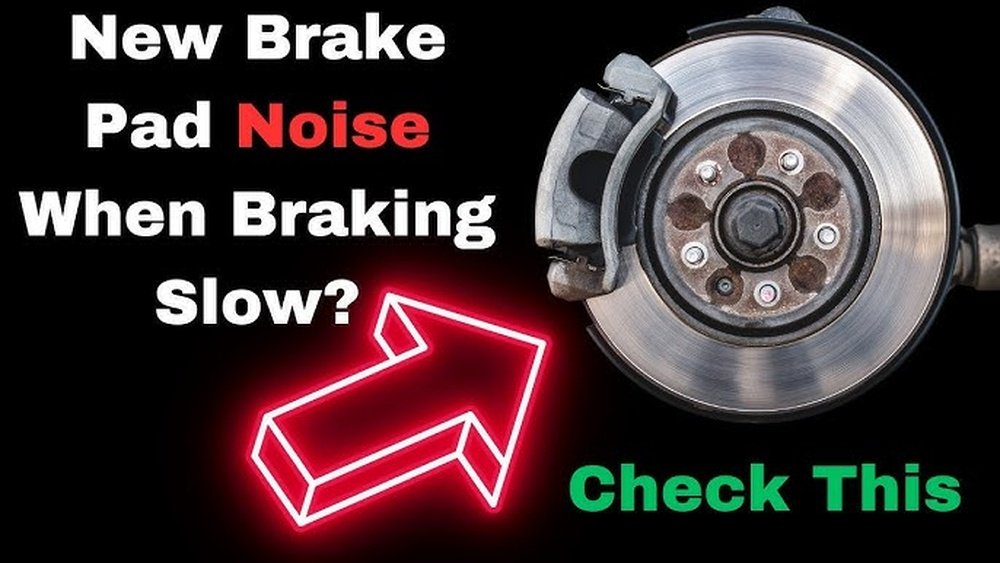
Old or damaged rotors make noise even with new pads. Rotors with grooves, rust, or uneven wear cause vibrations and squealing. Replacing pads alone cannot fix rotor problems. Sometimes rotors need resurfacing or full replacement. Inspect rotors carefully before installing new brake pads.
Use Of Metallic Brake Pads
Metallic brake pads are harder and noisier than organic pads. They often produce squealing sounds during braking. These pads handle heat well but sacrifice quietness. Using metallic pads on daily driver vehicles can cause unwanted noise. Choosing the right pad type affects brake sound significantly.

Credit: www.wikihow.com
Signs Of Caliper Problems
Brake noise after changing them can be frustrating and annoying. Often, the sound does not mean a serious problem. Some quick fixes can help stop the noise and bring peace to your drive. These fixes involve simple steps to improve brake performance and reduce squeaks.
Applying Brake Grease Correctly
Brake grease helps reduce noise by lubricating moving parts. Apply it on the back of brake pads and caliper contact points. Avoid putting grease on the pad surface that touches the rotor. Use a small amount for best results. Proper application prevents metal-to-metal contact and stops squealing sounds.
Cleaning Rotors And Pads
Dirt and dust on rotors and pads cause noise after brake changes. Use brake cleaner spray to remove grime and oil. Wipe parts with a clean cloth before reassembling. Clean surfaces allow smooth braking and reduce noise. Regular cleaning keeps brakes working quietly and efficiently.
Chamfering Brake Pad Edges
Chamfering means cutting the edges of brake pads at an angle. This simple step helps reduce noise and vibration. Use a file or sandpaper to chamfer edges evenly. It prevents sharp edges from catching on the rotor. Chamfered pads produce less squeak and improve brake comfort.
How Long Noise Typically Lasts
Knowing when to replace brake components helps keep your car safe. Brake parts wear down over time. Ignoring signs of wear can cause noise and poor braking. You should check brakes regularly after replacement. This helps find issues early and avoid costly repairs.
Signs Rotors Need Replacement
Rotors wear down and get damaged with use. Look for deep grooves or cracks on the rotor surface. Warped rotors cause vibration or shaking when braking. If you feel a pulsing in the brake pedal, the rotors might be uneven. Rust buildup can also reduce rotor performance. Thin rotors can overheat and fail. Measure rotor thickness to check if it’s below the minimum limit. Replace rotors showing these signs to stop noise and ensure safety.
Choosing The Right Brake Pads
Selecting the correct brake pads affects noise and braking quality. Different cars need specific pad types for best fit. Some pads are made for quiet braking, others for high performance. Soft pads wear faster but are quieter. Hard pads last longer but may cause noise. Organic pads reduce noise but wear quickly. Ceramic pads offer quiet braking and long life. Avoid cheap pads that create noise or dust. Match pads to your driving style and car model for smooth braking.

Credit: www.reddit.com

Credit: www.youtube.com
Frequently Asked Questions
How Long Does It Take For New Brakes To Settle?
New brakes usually take about 200 to 300 miles to settle completely. This bedding-in period ensures proper pad and rotor contact, reducing noise and improving performance. Drive gently during this time to avoid uneven wear and squeaking.
What Does A Stuck Caliper Feel Like?
A stuck caliper feels like the vehicle pulling to one side when braking. You may notice dragging, burning smell, or excessive heat near one wheel.
How Long Should Brakes Squeak After Being Replaced?
Brakes may squeak for up to a few hundred miles after replacement. This stops once pads properly bed into the rotors.
How To Stop New Brakes From Making Noise?
To stop new brakes from making noise, bed them properly by driving gently for 200-300 miles. Clean rotors and pads, apply brake grease, and chamfer pad edges. Replace worn rotors if needed. This prevents squeaking and ensures smooth brake performance.
Why Do My New Brakes Make Noise After Installation?
New brakes can make noise if the pads are not properly bedded in. Dust, dirt, or lack of grease on parts can also cause squeaking. Sometimes, the rotor surface may need cleaning or slight resurfacing.
Conclusion
Noisy brakes after replacement often have simple causes. New pads need time to settle and stop squeaking. Dirt or lack of grease can cause unwanted sounds. Worn rotors or loose parts also create noise. Regular checks and proper installation reduce problems.
Pay attention to brake noises—they signal safety issues. Taking care early saves money and prevents bigger repairs. Keep your brakes quiet and safe with proper care.