Can You Pass Inspection With a Check Engine Light On? Essential Facts
Have you ever wondered if your car can still pass inspection with the check engine light on? That little warning light can cause a lot of stress, especially when you’re about to get your vehicle checked.
You might be asking yourself, “Is it okay to drive like this? Will I fail the inspection because of it? ” Understanding what that light means and how it affects your inspection can save you time, money, and headaches. Keep reading to find out exactly what you need to know to face your next inspection with confidence.
What Triggers The Check Engine Light
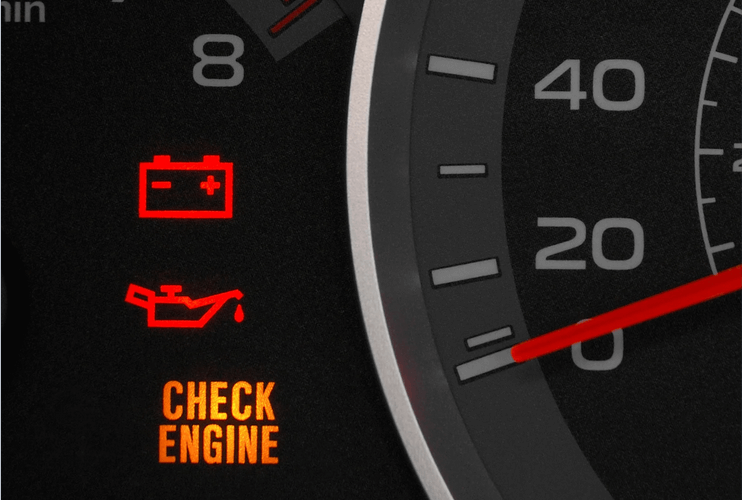
The check engine light can turn on due to many reasons, like a loose gas cap or engine problems. It signals a possible issue that needs attention before inspection. Some minor triggers might still allow passing the test, but serious ones usually fail it.
The check engine light turns on for many reasons. It signals that the car’s computer found a problem. Some issues are small, while others need urgent attention.
This light helps protect the engine and emissions system. It also alerts drivers to possible safety risks or costly repairs. Knowing what triggers it can save time and money.
Faulty Oxygen Sensor
The oxygen sensor measures the amount of oxygen in the exhaust. A bad sensor can cause poor fuel economy and higher emissions. The check engine light will come on to warn you.
Loose Or Damaged Gas Cap
A loose or broken gas cap can cause fuel vapors to leak. This triggers the check engine light. Tightening or replacing the cap often fixes the issue quickly.
Malfunctioning Catalytic Converter
The catalytic converter reduces harmful gases from the exhaust. If it fails, the car will pollute more and perform poorly. The check engine light alerts you to this problem.
Mass Airflow Sensor Issues
This sensor tells the engine how much air enters. A faulty sensor can cause rough idling and poor fuel economy. The check engine light turns on to indicate a fault.
Ignition System Problems
Problems with spark plugs or ignition coils can cause misfires. The engine will run poorly or stall. The check engine light signals these ignition troubles.

Credit: www.youtube.com
Inspection Standards And Check Engine Light
The check engine light is a key factor in vehicle inspections. It signals potential problems in your car’s systems. Many states include this light as part of their inspection standards. Understanding these standards helps you prepare for inspection day.
Each state has its own rules about the check engine light. Some states fail cars if the light is on. Others allow passing if the issue is minor or has been fixed. Knowing your state’s rules saves time and money.
What Inspection Standards Cover
Inspection standards check emissions and safety features. The check engine light relates mainly to emissions. If your car pollutes too much, it may fail. The light shows if the engine control system detects a fault. This fault can affect pollution levels.
How The Check Engine Light Affects Inspection
The light on during inspection usually means a failure. Inspectors use scanners to read error codes from the car. These codes show what is wrong. A simple issue might not cause failure in some areas. But serious problems often lead to a failed inspection.
Preparing For Inspection With A Check Engine Light
Turn off the check engine light before inspection. Fix problems that cause the light to appear. Use a trusted mechanic or diagnostic tool to check your car. Clearing the codes might help but only if the issue is gone. Otherwise, the light may come back quickly.
Emissions Tests And Engine Light Impact
A check engine light often means your car may fail an emissions test. Passing inspection with the light on is unlikely. Fixing the issue before the test helps avoid problems.
What An Emissions Test Checks
Emissions tests measure harmful gases your car produces. These gases come from the engine’s exhaust. The test ensures your vehicle meets clean air standards. If the car releases too many pollutants, it fails the test.
How The Check Engine Light Affects Testing
The check engine light signals a problem with your vehicle. It can mean the engine or emission system has an issue. Most states require the light to be off for passing. A lit check engine light often causes automatic failure.
Exceptions And Temporary Passes
Some states allow a temporary pass despite the light. This usually happens if the issue is minor. The vehicle owner then has a set time to fix the problem. After repair, the car must pass the retest.
Common Reasons For Check Engine Light Activation
The check engine light can turn on for many reasons. It signals that your car’s computer found a problem. Some issues are small, others more serious. Understanding common causes helps you know what to expect.
Most problems relate to engine or emission system faults. These can affect your car’s performance and fuel efficiency. Sometimes the light comes on due to simple issues you can fix yourself. Other times, a mechanic’s help is needed.
Oxygen Sensor Malfunction
The oxygen sensor measures air and fuel mixture. A bad sensor can lower fuel economy. It can also increase emissions. The check engine light often turns on for this reason.
Loose Or Faulty Gas Cap
A loose gas cap can let fuel vapors escape. This triggers the check engine light. Tightening or replacing the gas cap usually solves the problem quickly.
Faulty Catalytic Converter
The catalytic converter reduces harmful emissions. If it breaks, the engine runs poorly. The check engine light will alert you to this issue.
Mass Airflow Sensor Issues
The mass airflow sensor checks the amount of air entering the engine. A faulty sensor causes poor engine performance. The check engine light often signals this fault.
Ignition System Problems
Problems with spark plugs or ignition coils cause engine misfires. This triggers the check engine light. Ignition issues affect engine power and smoothness.
Steps To Take Before Inspection
Facing a check engine light before a vehicle inspection can cause stress. Taking certain steps helps you prepare and possibly pass the inspection. These steps focus on understanding the problem and fixing easy issues.
Knowing what to do can save time and money. It also increases your chances of passing the inspection with the light on.
Check The Error Code
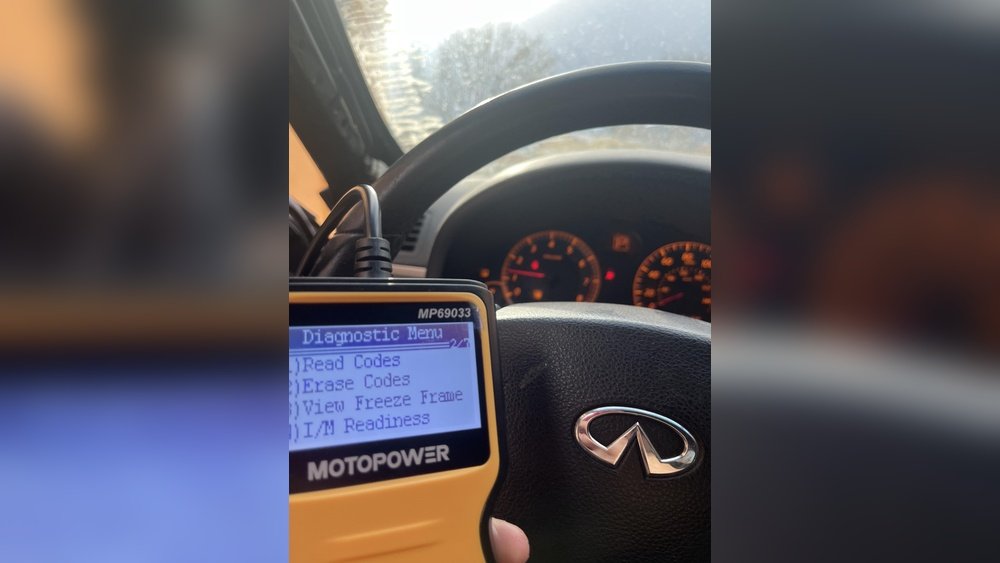
Use an OBD-II scanner to read the error code. This tool plugs into your car’s diagnostic port. It shows the reason behind the check engine light. Knowing the code helps decide if the problem is serious.
Fix Simple Problems
Some issues cause the light but are easy to fix. Examples include loose gas caps or dirty air filters. Tighten the gas cap or replace the filter. These fixes may turn off the check engine light.
Clear The Error Code
After fixing small problems, clear the error code with the scanner. This resets the check engine light. The light must stay off for some time before inspection. This shows the problem is resolved.
Drive To Reset The System
Drive your car for a few days after clearing the code. The car’s computer runs tests during this time. If all tests pass, the check engine light stays off. This increases the chance of passing inspection.
Visit A Mechanic For Help
Some problems need expert diagnosis and repair. A mechanic can find hidden issues causing the light. Professional repair ensures your car meets inspection rules. It also prevents future breakdowns and fines.

Credit: girlingtongarage.com
Consequences Of Failing Inspection With Light On
The check engine light signals issues in your vehicle’s engine or emissions system. A lit check engine light often causes inspection failures. Understanding the consequences of failing inspection with this light on is important for every driver.
Failing inspection can delay your vehicle registration. It may also lead to fines or penalties. The vehicle could be unsafe to drive, posing risks on the road. Knowing these consequences helps you act quickly and avoid problems.
Financial Costs Of Failing Inspection
Failing inspection means additional repair costs. You must fix the issue before retesting. Sometimes, multiple repairs are needed, increasing expenses. Retesting itself may require extra fees. These costs add up if ignored early.
Impact On Vehicle Safety
The check engine light often signals safety issues. Driving with an unresolved problem can lead to breakdowns. Engine troubles might cause accidents or sudden stops. Inspection ensures your car meets safety standards. Ignoring this can endanger you and others.
Legal Consequences Of Failing Inspection
Many states require passing inspections for registration. Failure to pass can make driving illegal. Law enforcement may issue tickets or fines. Repeated failures could lead to more severe penalties. Passing inspection keeps your vehicle legal on roads.
Environmental Effects Of A Check Engine Light
The light often relates to emissions problems. A faulty system can release harmful pollutants. Failing inspection means your car pollutes more. Passing ensures your vehicle meets emission limits. Protecting the environment starts with a clean vehicle.
Credit: www.chapelhilltire.com
Frequently Asked Questions
Can You Pass Inspection With A Check Engine Light On?
Most states fail vehicles with a check engine light on. The light signals a problem that affects emissions or safety. Fixing the issue before inspection is usually needed.
What Causes A Check Engine Light To Turn On?
Common causes include a loose gas cap, faulty oxygen sensor, or engine misfire. These issues can affect emissions and engine performance. A diagnostic scan helps identify the exact cause.
Does A Check Engine Light Always Mean Failed Inspection?
Not always, but it often leads to failure. The light shows the car’s computer detected a problem. Some minor issues might not stop you from passing, but most do.
How To Clear A Check Engine Light Before Inspection?
Use an OBD-II scanner to clear the code, but the problem must be fixed first. Simply clearing the light without repairs may cause it to come back. A proper fix ensures a successful inspection.
Can A Car Pass Inspection If The Check Engine Light Blinks?
A blinking check engine light means a serious engine problem. This usually causes automatic failure during inspection. Immediate repair is required to prevent damage and pass inspection.
Conclusion
A check engine light can affect your vehicle’s inspection results. Many states fail cars if this light stays on. Fixing the problem early helps avoid delays and extra costs. A quick visit to a mechanic can pinpoint the issue. Don’t ignore the light; it signals something needs attention.
Passing inspection is easier when your car is in good shape. Stay safe and keep your vehicle running smoothly. Regular maintenance helps prevent check engine light troubles. You want a clear light and a smooth inspection day.