How to Drain Windshield Washer Fluid Without Removing: Easy Steps
Have you ever needed to drain your windshield washer fluid but didn’t want to go through the hassle of removing the reservoir? It can be frustrating when you’re short on time or tools, and the thought of taking apart parts of your car feels overwhelming.
What if you could get the job done quickly and easily, without the extra work? You’ll discover simple, effective ways to drain your windshield washer fluid without removing the reservoir. Keep reading, and you’ll save time, avoid unnecessary stress, and get your car ready in no time.
Tools Needed
Draining windshield washer fluid without removing the reservoir needs the right tools. Having these tools ready makes the process simple and quick. Each tool has a specific job to help you drain the fluid safely.
Plastic Tubing Or Hose
A clear plastic tube or hose helps to reach inside the reservoir. It allows you to suck out or drain the fluid easily. Choose tubing that fits snugly into the washer fluid opening.
Siphon Pump Or Bulb Syringe
A siphon pump or bulb syringe creates suction to pull the fluid out. This tool helps avoid spills and mess. It is easy to use and works with the tubing for smooth draining.
Empty Container
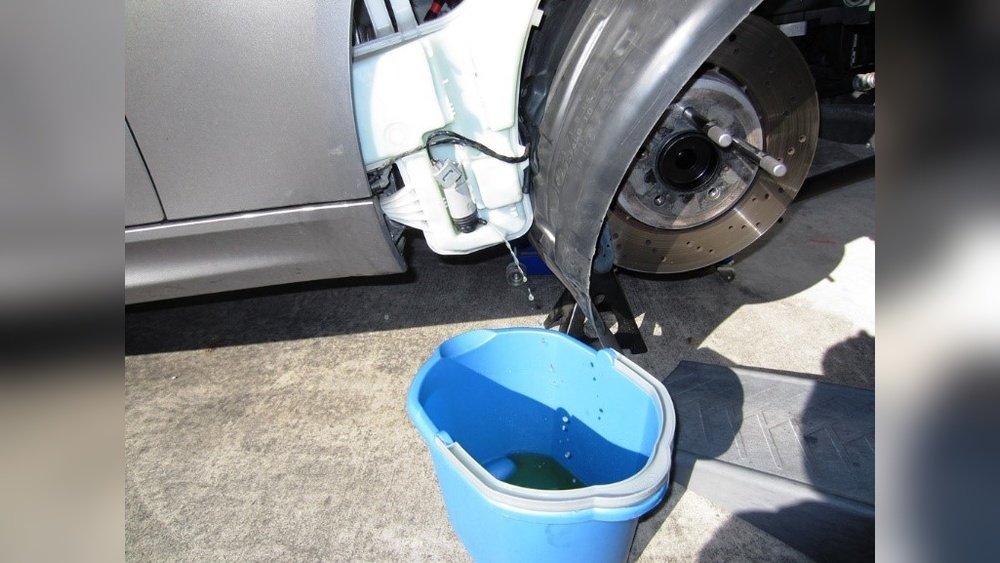
You need an empty container to catch the old washer fluid. Use a clean bucket or bottle with enough space. This keeps your workspace clean and avoids waste.
Gloves
Wear gloves to protect your hands from chemicals in the washer fluid. Gloves keep your skin safe and clean during the process.
Rags Or Paper Towels
Rags or paper towels help wipe up any spills. Keep them nearby for quick clean-up. They also help keep your tools and hands dry.
Credit: www.shubee.com
Locate The Washer Fluid Reservoir
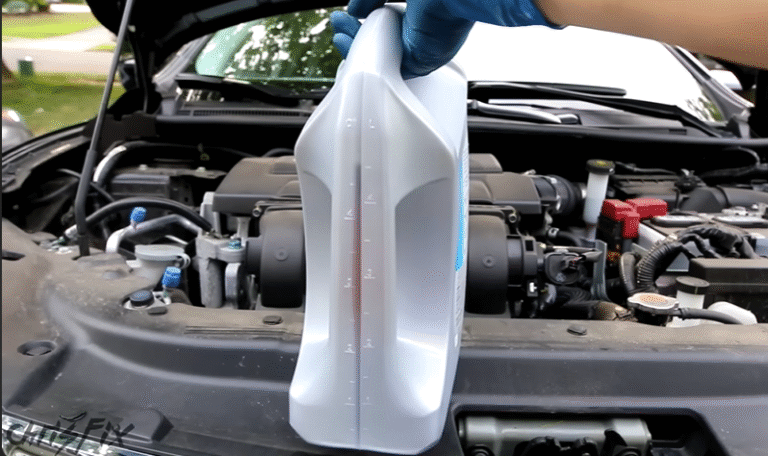
Start by finding the washer fluid reservoir under the car’s hood. It is usually a clear or white plastic tank with a cap showing a windshield symbol. This reservoir holds the fluid for cleaning your windshield.
Start by opening the hood of your car. Most cars have a hood release lever inside the driver’s side door or under the dashboard. Pull it to unlock the hood.
Next, find the washer fluid reservoir. It is usually a translucent plastic container. This container often has a blue or black cap with a windshield or water symbol on it.
Check the front corners of the engine bay. The reservoir is often near the windshield or on the side of the engine compartment. It may be easier to spot by its bright cap color.
Look for labels or symbols on the cap. The windshield washer symbol looks like a windshield with water spraying. This mark helps confirm the reservoir’s location.
Once found, you can plan how to drain the fluid without removing the whole reservoir. Knowing the exact spot saves time and effort during the process.
Prepare For Fluid Drainage
Start by placing a container under the washer fluid reservoir. Next, use a small hose or tube to draw out the fluid carefully. This method avoids removing parts and keeps the process simple.
Gather Necessary Tools
Start by collecting all the tools you need for drainage. A clean container to catch the fluid works well. Have a funnel ready to pour the fluid later. Keep some rags or paper towels nearby to clean spills. Wearing gloves protects your hands from chemicals.
Park On A Level Surface
Park your car on a flat area to avoid fluid shifting. This makes drainage easier and safer. Turn off the engine and let it cool down. Avoid working on a slope to prevent accidents.
Open the hood and find the washer fluid tank. It usually has a blue or black cap with a windshield symbol. Check the tank’s position to plan your drainage approach. Knowing this spot helps avoid confusion during the process.
Protect Surrounding Areas
Place newspapers or cloths under the reservoir area. This stops spills from damaging your car or driveway. Cover nearby parts that might get wet. Prepare to clean any accidental drips quickly.

Credit: www.youtube.com
Drain Fluid Using A Syringe Or Pump
Draining windshield washer fluid can be simple without removing the reservoir. Using a syringe or pump helps draw out the fluid carefully. This method saves time and avoids mess. It also protects the reservoir from damage.
Choose The Right Syringe Or Pump
Select a syringe or pump with a long, thin tube. This helps reach deep inside the reservoir. A syringe with a capacity of 60 ml or more works well. Hand pumps made for fluid transfer are also good options.
Prepare The Syringe Or Pump
Insert the tube into the syringe or pump securely. Make sure it fits tightly to avoid leaks. If using a hand pump, check the nozzle and hose for blockages. Clean the tools before use for best results.
Insert The Tube Into The Reservoir
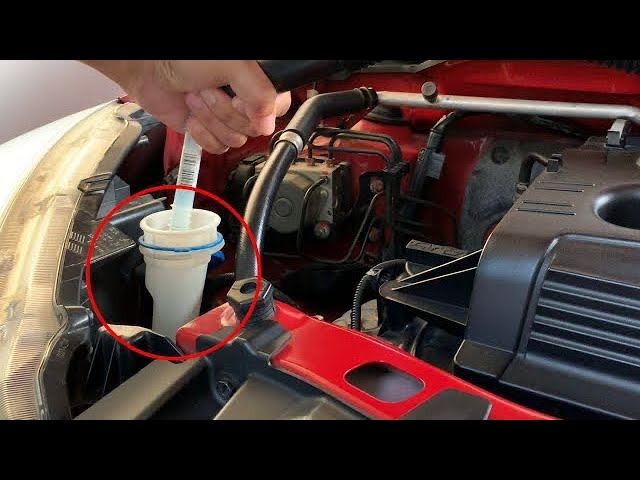
Open the windshield washer fluid cap carefully. Slowly insert the tube down into the reservoir. Push it until it reaches the bottom of the tank. Keep the tube steady during the process to avoid spills.
Extract The Fluid Slowly
Pull the syringe plunger or operate the pump gently. Fluid will start to flow into the syringe or container. Continue until the fluid level is low or empty. Avoid pulling too fast to prevent air bubbles.
Dispose Of The Fluid Properly
Pour the old fluid into a safe container. Take it to a recycling center or hazardous waste site. Do not pour fluid on the ground or down drains. Proper disposal protects the environment.
Flush The Reservoir If Necessary
Flushing the windshield washer fluid reservoir helps remove dirt and old fluid inside. It keeps the system clean and working well. Sometimes, just draining the fluid is not enough. Flushing the reservoir clears out any buildup that may block the washer jets.
This process is simple and takes only a few minutes. It improves the spray performance and extends the life of your car’s washer system.
What You Need To Flush The Reservoir
Gather these items before starting: a clean container, fresh windshield washer fluid, a funnel, and a small hose or tube. These tools help empty and refill the reservoir safely and without spills.
How To Flush The Reservoir
First, drain the existing fluid using the hose into the container. Next, pour fresh water into the reservoir. Shake the car gently or move the fluid around to loosen dirt inside. Then, drain the water out completely. Repeat if the water looks dirty. Finally, refill the reservoir with new washer fluid.
Tips For Best Results
Flush the reservoir once or twice a year for good maintenance. Use only recommended washer fluid to avoid damage. Clean the reservoir cap and surrounding area to stop dirt from entering. Check the washer jets for clogs after flushing.
Refill And Test The System
Refilling and testing the windshield washer system is the final step after draining the old fluid. This step ensures the system works well and sprays fluid correctly. Proper testing helps avoid any issues while driving.
Use the correct windshield washer fluid for your vehicle. Avoid water alone because it can freeze or damage the system. Pour the fluid slowly to prevent spills or overfilling.
Refill The Reservoir
Open the washer fluid reservoir cap carefully. Pour the new fluid into the reservoir using a funnel. Fill the reservoir until the fluid reaches the fill line or is near the top. Close the cap tightly to prevent leaks.
Activate The Washer System
Turn on your car’s ignition. Use the washer control on the steering column or dashboard. Watch the windshield to see if the fluid sprays evenly. Listen for the pump sound to confirm it works.
Check For Leaks And Proper Spray
Look under the car for any fluid leaks. Check the spray pattern on the windshield. The spray should cover a wide area and reach the glass evenly. If not, adjust the nozzle or clean it gently.
Credit: www.youtube.com
Frequently Asked Questions
How Can I Drain Windshield Washer Fluid Without Removing The Reservoir?
Use a siphon pump or a small tube to draw the fluid out through the filler neck. This avoids removing the reservoir completely.
What Tools Do I Need To Drain Washer Fluid Easily?
A hand siphon pump or flexible tubing works best. These tools let you remove fluid quickly and cleanly.
Is It Safe To Drain Washer Fluid Without Disconnecting Hoses?
Yes, siphoning through the filler neck is safe and avoids hose disconnection. Just be gentle to prevent spills.
How Long Does It Take To Drain Washer Fluid Without Removal?
It usually takes just a few minutes using a siphon pump. Speed depends on the fluid amount and tool used.
Can I Reuse The Drained Windshield Washer Fluid?
Reusing old fluid is not recommended because dirt and debris can clog nozzles. It’s better to dispose of it properly.
Conclusion
Draining windshield washer fluid without removing parts saves time and effort. Use a siphon or a small pump for easy fluid removal. Always work carefully to avoid spills or damage. Keep your car clean and ready for safe driving. Regular maintenance helps your windshield stay clear.
Try these simple steps next time you need to drain fluid quickly. It’s easier than you think!