Do You Need an Alignment After Replacing Wheel Bearings? Essential Facts
Have you just replaced your wheel bearings and now wonder if you need to get an alignment? It’s a common question that many car owners face after this repair.
The truth is, whether you need an alignment depends on how the replacement was done and what parts were disturbed during the process. Ignoring this step when it’s necessary could lead to uneven tire wear, pulling to one side, or even premature bearing damage.
You’ll learn exactly when an alignment is crucial and when you can safely skip it—helping you protect your vehicle and save money in the long run. Keep reading to find out what’s best for your car after a wheel bearing replacement.
Credit: www.autozone.com
When Alignment Isn’t Needed
Replacing wheel bearings does not always require a wheel alignment. The need depends on the type of bearing and how it was replaced. Knowing when an alignment is unnecessary saves time and money.
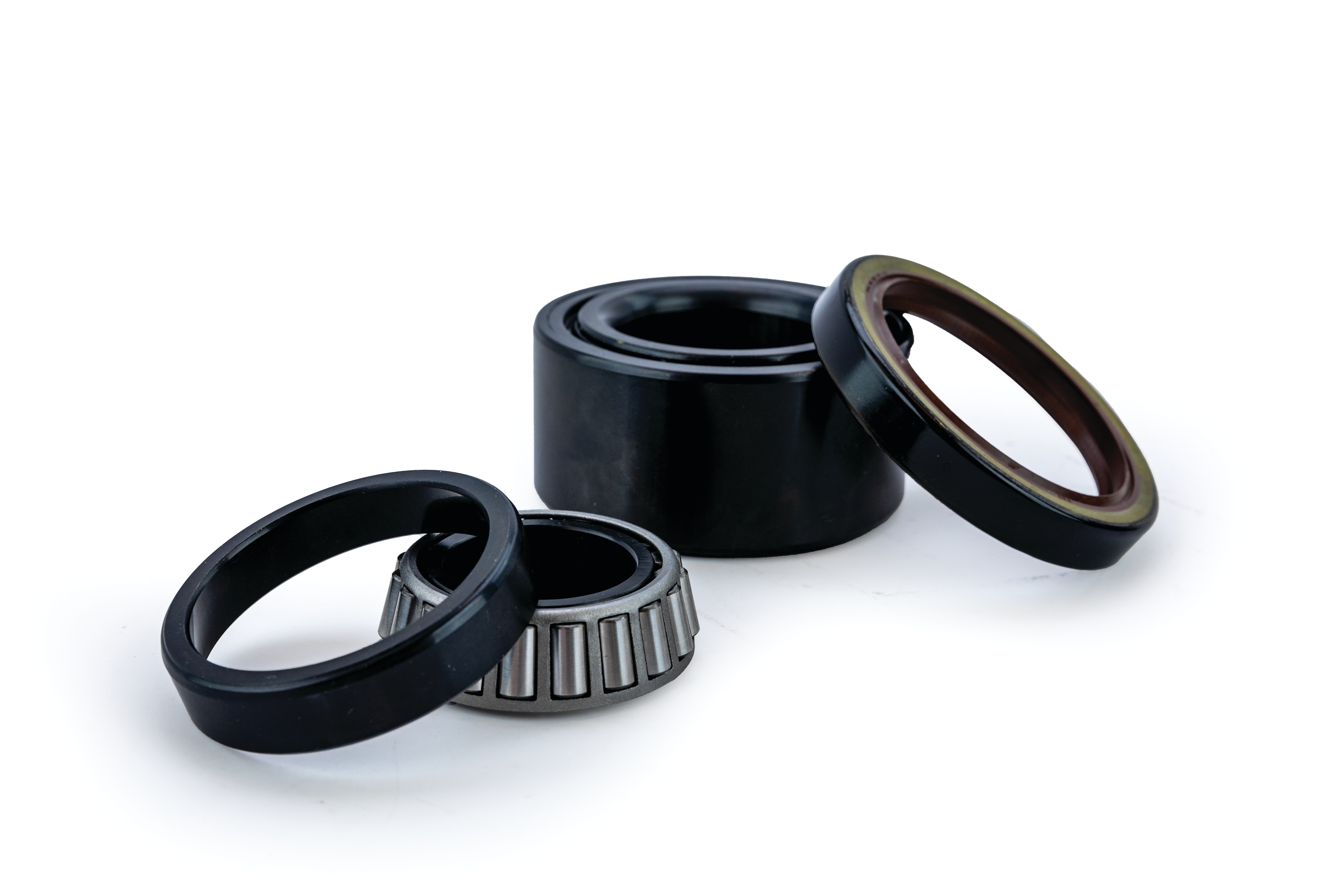
Modern vehicles often use sealed hub-and-bearing assemblies. These assemblies bolt directly onto the suspension without changing the wheel’s position. This means the suspension geometry stays the same.
If the suspension parts stay connected during the bearing replacement, the alignment usually remains correct. This avoids the need for extra adjustment or inspection.
Bolt-in Hub Assemblies
Many newer cars have bolt-in hub assemblies. These units come as one sealed part with the bearing inside. Mechanics simply remove and bolt on the new assembly.
The suspension’s alignment does not change because the part fits exactly in place. This keeps the wheel angles where they should be.
No Disassembly Of Suspension Parts
When suspension parts like ball joints or tie rods remain untouched, alignment stays intact. The bearing replacement involves only the hub, not the control arms or knuckles.
Since the wheel’s position does not shift, the vehicle drives straight without pulling or uneven tire wear.
Absence Of Steering Or Handling Issues
If there were no steering problems before the bearing change, chances are no alignment is needed. The car should track well and the tires should wear evenly.
Replacing the bearing alone does not cause misalignment unless suspension parts were disturbed.
Credit: www.autozone.com
Signs You Should Get An Alignment
Replacing wheel bearings can affect your vehicle’s alignment. Misalignment leads to uneven tire wear and poor handling. It causes the car to pull to one side or vibrate during driving.
Detecting these signs early prevents further damage. It also improves safety and tire life. Knowing when to get an alignment saves money on repairs and tires.
Uneven Tire Wear
Check tires for uneven wear patterns. Worn edges or bald spots on one side show misalignment. New bearings alone do not cause this, but combined with suspension shifts they do.
Uneven wear reduces tire life and grip. Aligning wheels fixes the issue and prevents costly tire replacements.
Vehicle Pulls To One Side
If the car drifts left or right without steering, alignment is needed. Misaligned wheels cause this pull, making driving harder and unsafe. After bearing replacement, test drive carefully for this behavior.
A proper alignment keeps the car straight and stable on roads.
Steering Wheel Vibration Or Off-center
Feeling vibrations or an off-center steering wheel suggests alignment problems. Wheel bearings affect steering components, so replacements may shift wheel angles. Vibrations signal uneven forces on tires and suspension.
Getting an alignment smooths steering and improves control.
Suspension Parts Were Disconnected
Mechanics often disconnect ball joints, tie rods, or struts to replace bearings. This changes suspension geometry and wheel angles. An alignment is necessary to restore correct settings and prevent future issues.
Always ask if suspension components were moved during bearing service. If yes, schedule an alignment promptly.
Impact Of Suspension Disassembly
Disassembling suspension to replace wheel bearings can affect alignment. If suspension parts like ball joints or tie rods are disconnected, an alignment is necessary. Simple bolt-on hub replacements usually do not require wheel alignment afterward.
Replacing wheel bearings sometimes requires taking apart parts of the suspension. This process can change the way wheels line up. Even small changes in suspension setup affect the vehicle’s handling and tire wear. Checking alignment after disassembly helps keep the vehicle safe and smooth to drive.
Suspension disassembly often involves loosening or removing ball joints, tie rods, or struts. These parts control wheel angles and positions. Once disturbed, they rarely return to their exact original settings. This can cause misalignment, leading to uneven tire wear and poor steering response.
Suspension Components That Affect Alignment
Ball joints connect the control arms to the steering knuckle. They allow wheels to move up and down smoothly. When these are disconnected during bearing replacement, wheel angles may shift.
Tie rods connect the steering system to the wheels. Their position affects toe alignment. Any change here can cause the vehicle to pull left or right.
Struts support the vehicle’s weight and absorb shocks. Unbolting them changes suspension height and geometry, impacting camber and caster angles.
Signs Alignment Is Needed After Bearing Replacement
Look for uneven tire wear on one side more than the other. The car pulling to one side while driving signals alignment issues. Strange noises from tires or suspension may also indicate misalignment.
After suspension parts are reassembled, a wheel alignment ensures all angles are correct. This protects new bearings from stress caused by misaligned wheels. It also improves driving safety and tire life.

Credit: www.carparts.com
Difference Between Hub Types
Understanding the difference between hub types is important when replacing wheel bearings. The type of hub affects whether an alignment is necessary after the repair. Two main hub types exist: bolt-in hub assemblies and cartridge bearings. Each impacts the vehicle’s suspension and alignment needs differently.
Bolt-in Hub Assemblies
Bolt-in hub assemblies are common in many modern vehicles. These hubs come as a sealed unit with the bearing pre-installed. Mechanics simply bolt the entire assembly onto the suspension. This process does not disturb suspension geometry. Because the suspension remains intact, wheel alignment is usually not required after replacement.
Cartridge Bearings
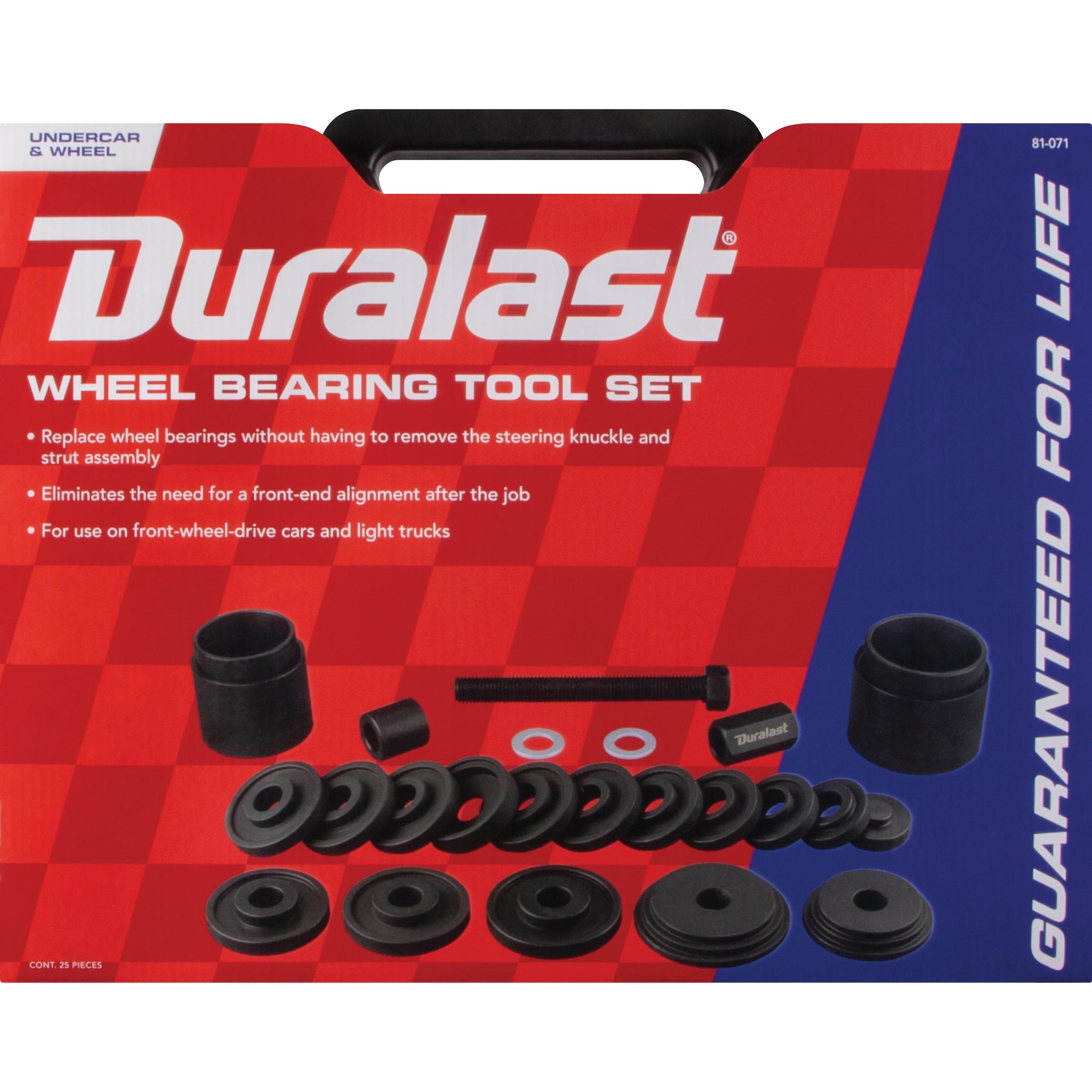
Cartridge bearings differ by being separate from the hub. Replacing them requires disassembling parts of the suspension. Often, this involves removing the knuckle, ball joints, or tie rods. Such disassembly can alter suspension angles and wheel alignment. Aligning wheels after replacing cartridge bearings is generally recommended. It ensures proper handling and prevents uneven tire wear.
Preventing Premature Bearing Wear
Replacing wheel bearings might not always require an alignment. If suspension parts like ball joints or tie rods are disturbed, an alignment helps prevent uneven tire wear. Modern bolt-on hub assemblies usually keep suspension geometry intact, so alignment can often be skipped.
Replacing wheel bearings is crucial for safe driving. Protecting these new bearings extends their life and keeps your ride smooth.
Misaligned wheels cause uneven pressure on the bearings. This pressure leads to faster wear and possible damage.
Proper alignment ensures the wheels roll straight. This reduces stress on the bearings and other suspension parts.
How Misalignment Affects Bearings
Misaligned wheels push bearings unevenly. This uneven force causes heat and friction.
Heat and friction break down the bearing’s lubrication. This leads to rough bearing movement and early failure.
Driving with misaligned wheels causes vibrations. Vibrations also increase bearing wear.
Signs You Need An Alignment
Uneven tire wear is a clear sign. Tires worn on one side mean the wheels are out of alignment.
Your vehicle may pull to one side. This pulling stresses the new bearings.
Listen for strange noises while driving. Noises often indicate bearing or alignment problems.
Steps To Prevent Premature Bearing Wear
Check wheel alignment after bearing replacement if suspension parts were moved.
Use a trusted mechanic to ensure precise alignment. Proper tools improve results.
Regularly inspect tires and suspension. Early detection of issues protects the bearings.
Frequently Asked Questions
What To Do After Changing Wheel Bearings?
After changing wheel bearings, check for smooth wheel rotation and absence of noise. Perform a wheel alignment if suspension parts were disconnected or uneven tire wear occurs. Otherwise, alignment is usually unnecessary.
How Long Do Wheel Bearings Last On A Toyota Highlander?
Wheel bearings on a Toyota Highlander typically last between 85,000 and 100,000 miles. Proper maintenance extends their lifespan.
Do Mercedes Need 4 Wheel Alignment?
Mercedes vehicles need 4-wheel alignment if suspension parts were disconnected during service. Otherwise, alignment is usually unnecessary.
Is It Okay To Replace Only One Wheel Bearing?
Yes, replacing one wheel bearing is okay if the other is in good condition. Check both sides for wear.
Do You Always Need An Alignment After Replacing Wheel Bearings?
Not always. If the wheel bearing is part of a bolt-on hub assembly, alignment is usually not needed. But if suspension parts were disconnected, an alignment is recommended.
Conclusion
Replacing wheel bearings does not always require an alignment. If suspension parts stay connected, alignment may not be needed. But if you disconnect ball joints, tie rods, or struts, get an alignment to avoid uneven tire wear. Alignments help protect your tires and new bearings from extra stress.
Pay attention to how your car drives after the repair. When in doubt, consult a professional to keep your vehicle safe and running smoothly. A proper check ensures better performance and longer part life.