
What is the Difference between Staggered And Non Staggered: Key Insights
Are you confused about the terms staggered and non-staggered? You’re not alone.
These words pop up in many areas—from technology to design—and understanding the difference can save you time, money, and frustration. Imagine making a choice without knowing which option fits your needs best. This article will clear up the mystery, so you can make confident decisions every time.
Keep reading, and by the end, you’ll see exactly how staggered and non-staggered setups impact your projects and why it matters to you.
Basics Of Staggered And Non-staggered
Understanding the basics of staggered and non-staggered layouts helps in many fields. These terms describe how items or elements are arranged in rows or columns. The difference affects both the look and function of a design or structure.
Staggered means elements are placed in an offset pattern. Each row or column shifts slightly, creating a stepped effect. Non-staggered means elements line up evenly, forming straight rows or columns. This creates a uniform and orderly appearance.
What Is Staggered?
Staggered means placing elements with a shift in position. Each row or column moves slightly to the side. This breaks the straight alignment and creates a pattern that looks like steps. Staggered layouts often improve stability and visual interest.
What Is Non-staggered?
Non-staggered means placing elements in a straight line. Rows or columns match exactly, with no offset. This creates a clean, simple, and consistent look. Non-staggered layouts are easier to design and build due to their regular pattern.
Key Differences Between Staggered And Non-staggered
Staggered layouts have offset elements; non-staggered layouts do not. Staggered designs provide more strength and reduce gaps. Non-staggered designs focus on symmetry and simplicity. Each type suits different needs and styles.

Credit: www.researchgate.net
Structural Differences
Staggered structures have parts placed at different levels or positions, creating a step-like effect. Non-staggered structures align all parts evenly in a straight line or plane. This difference affects stability and design in construction and engineering.
Understanding the structural differences between staggered and non-staggered layouts is key.
These two types organize elements in distinct ways, affecting strength and stability.
Each design serves specific purposes depending on construction needs and materials.
Arrangement Of Components
Staggered layouts offset elements from one another. This creates a pattern where joints do not line up directly.
Non-staggered layouts align components in a straight line. Joints fall directly above or beside each other.
This difference changes how forces move through the structure.
Load Distribution
Staggered designs spread loads more evenly across the structure. This reduces pressure on any single point.
Non-staggered designs place loads in a direct path. This can cause stress to concentrate in certain areas.
Such concentration may lead to weaknesses or failure over time.
Construction Complexity
Staggered structures require more precise planning. Builders must ensure components fit in offset positions.
Non-staggered structures are simpler to assemble. Components line up easily, speeding up construction.
Choosing between the two depends on project goals and resources.
Advantages And Disadvantages
Understanding the advantages and disadvantages of staggered and non-staggered setups helps in making better choices. Each type has unique benefits and drawbacks. Knowing these can save time and money.
Advantages Of Staggered
Staggered setups improve balance and stability. They offer better traction on uneven surfaces. This setup often enhances vehicle handling and control. It also provides a sporty look that many prefer. Tires in staggered setups tend to wear more evenly on curves.
Disadvantages Of Staggered
Staggered setups cost more to maintain. Replacing tires can be expensive since sizes differ. It limits the ability to rotate tires fully. This setup may reduce fuel efficiency slightly. Finding matching tires can be harder due to size differences.
Advantages Of Non-staggered
Non-staggered setups are easier to maintain. Tires wear evenly because all are the same size. This setup allows full tire rotation. It often costs less for replacements. Non-staggered setups provide better fuel economy.
Disadvantages Of Non-staggered
Non-staggered setups may offer less grip in sharp turns. They can feel less stable on rough roads. The look is usually less aggressive. Some performance vehicles may not perform as well. This setup might not suit all driving styles.

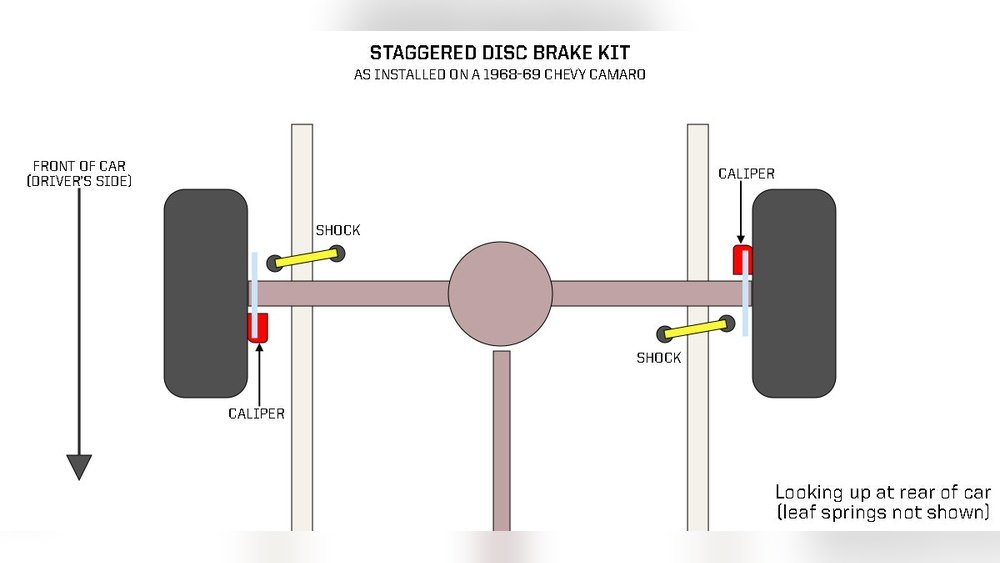
Credit: shop.wilwood.com
Common Applications And Use Cases
Understanding the common applications of staggered and non-staggered designs helps choose the right option. Each type suits different needs and environments. This knowledge aids in selecting the best fit for your project.
Both staggered and non-staggered setups have unique advantages. They serve various industries and tasks effectively. Exploring their use cases clarifies where each type excels.
Staggered Applications In Construction And Engineering
Staggered layouts improve strength and stability in buildings. They help distribute weight evenly across structures. This design reduces stress points and enhances safety. Engineers use staggered patterns in bridges and tall buildings.
In flooring, staggered planks prevent weak spots. They create a more durable and balanced surface. This method also reduces material waste during installation.
Non-staggered Applications In Manufacturing And Electronics
Non-staggered designs simplify assembly in manufacturing lines. Parts align directly, making the process faster and easier. This setup suits mass production environments.
In electronics, non-staggered layouts help organize components neatly. Circuit boards benefit from this clear, orderly arrangement. It supports quick inspection and repair.
Use Cases In Graphic And Web Design
Staggered designs add visual interest and guide user attention. They break monotony and create dynamic layouts. This approach works well in magazines and websites.
Non-staggered layouts offer clean, straightforward designs. They ensure content aligns perfectly for easy reading. Many corporate websites prefer this style for professionalism.
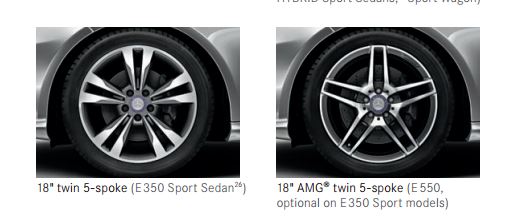
Credit: mbworld.org
Frequently Asked Questions
What Does Staggered Mean In Design Or Layout?
Staggered means placing items unevenly or off-set in a pattern. It creates a more dynamic or natural look. This method breaks up uniformity and adds visual interest.
How Is Non-staggered Layout Different From Staggered?
Non-staggered means items are aligned evenly in rows or columns. It looks orderly and consistent. This style is simple and easy to follow.
Why Choose Staggered Over Non-staggered Design?
Staggered layouts reduce repetition and make designs more eye-catching. They can guide the viewer’s attention better. This style suits creative or informal projects.
Where Is Non-staggered Layout Commonly Used?
Non-staggered layouts are common in formal or professional settings. They work well in grids, tables, and structured documents. This style helps keep information clear and organized.
Can Staggered And Non-staggered Be Combined Effectively?
Yes, mixing both styles can balance creativity and order. Use staggered for emphasis and non-staggered for clarity. This blend improves overall design flow.
Conclusion
Staggered and non-staggered designs serve different purposes. Staggered layouts create a more dynamic look. Non-staggered layouts keep things simple and uniform. Choosing the right type depends on your needs. Think about what fits your style and function best. Both have clear advantages and specific uses.
Understanding their differences helps you make better choices. This knowledge can improve your design or project outcomes. Keep it simple and clear to match your goals.