Do You Need O2 Sensors Without Catalytic Converter? Essential Facts
Are you wondering if your car still needs oxygen (O2) sensors when the catalytic converter is removed? It’s a question many vehicle owners face, especially if you’re considering modifications or dealing with a damaged exhaust system.
The truth might surprise you: those sensors play a critical role in how your engine runs, even without a catalytic converter. Ignoring them can lead to poor fuel efficiency, engine trouble, and warning lights that won’t go away. Keep reading to discover why O2 sensors matter, how they work without a catalytic converter, and what you should do to keep your vehicle running smoothly and legally.
Credit: www.reddit.com
Role Of Oxygen Sensors
Oxygen sensors play a key role in modern car engines. They monitor the air and fuel mixture in the exhaust. This helps the engine run efficiently and cleanly. Oxygen sensors also protect important parts like the catalytic converter. They send data to the engine control unit (ECU), which adjusts the fuel injection.
Without oxygen sensors, the engine cannot manage fuel properly. This leads to poor performance and higher emissions. Understanding the role of oxygen sensors helps explain why they matter, even if a catalytic converter is not present.
Upstream Sensor Function
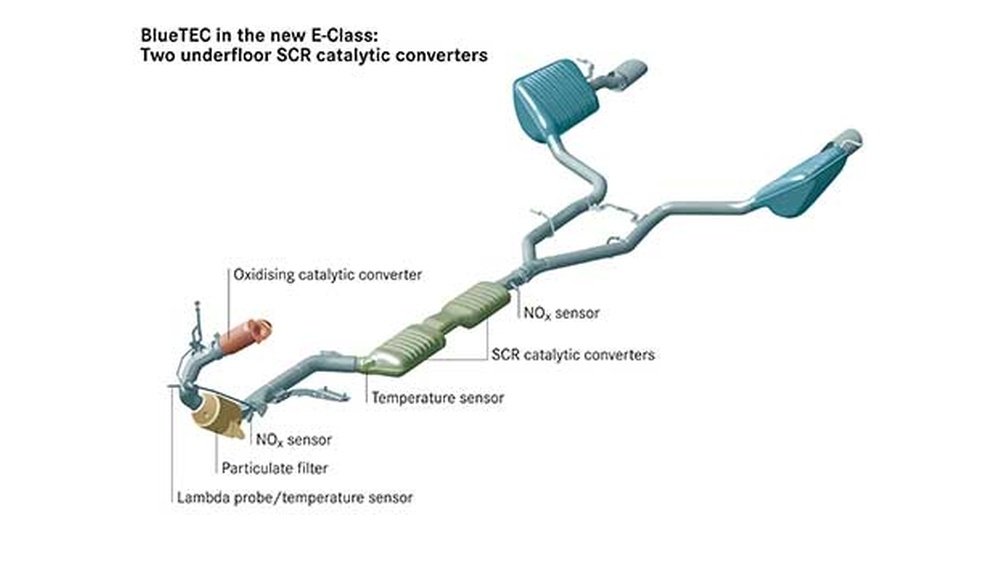
The upstream oxygen sensor is placed before the catalytic converter. It measures the oxygen level in the exhaust gases. This sensor tells the ECU if the engine runs rich or lean. Rich means too much fuel; lean means too little.
The ECU uses this data to adjust the fuel mix. This keeps the engine efficient and reduces harmful emissions. Removing or disabling this sensor causes the engine to run poorly. It can lead to bad fuel economy, rough idling, and even engine damage.
Downstream Sensor Purpose
The downstream oxygen sensor is located after the catalytic converter. Its main job is to check the converter’s performance. It measures the oxygen level in the exhaust after it passes through the converter.
This sensor does not control the engine’s fuel mix. Instead, it monitors how well the catalytic converter cleans the exhaust. If the converter is removed, the downstream sensor detects unfiltered gases. This often triggers a Check Engine Light, alerting to a problem.

Credit: www.reddit.com
Effects Of Removing Catalytic Converter
Removing the catalytic converter changes how your vehicle works. It affects the engine and the sensors that keep the car running well. The catalytic converter cleans harmful gases from exhaust. Without it, your car’s systems may not work as expected. This leads to engine issues and warning lights on your dashboard.
Impact On Engine Performance
The catalytic converter helps control exhaust flow. Removing it can cause backpressure changes. Your engine may lose power or run unevenly. Fuel efficiency often drops without this part. The engine’s computer relies on signals from sensors near the converter. Without the converter, these signals become inaccurate. This can cause rough idling and poor throttle response.
Check Engine Light Activation
The oxygen sensors monitor exhaust gases before and after the converter. Removing the catalytic converter confuses these sensors. The downstream sensor expects cleaner gases after the converter. Without it, the sensor detects high pollution levels. This triggers the Check Engine Light on the dashboard. The car’s computer records error codes related to emissions. The light stays on until the issue is fixed or the sensor is disconnected.
Oxygen Sensors Without Catalytic Converter
Oxygen sensors play a key role in modern engines. They measure the oxygen level in exhaust gases. Usually, these sensors work with catalytic converters to reduce pollution. But some vehicles run without catalytic converters. How do oxygen sensors function in these cases? Understanding their role helps in maintaining engine health and performance.
Necessity Of Upstream Sensor
The upstream oxygen sensor sits before the catalytic converter. It checks the air-to-fuel mixture in the engine. This sensor sends real-time data to the engine control unit (ECU). The ECU adjusts fuel delivery based on this data. Without this sensor, the engine runs poorly. Fuel efficiency drops and emissions rise. The engine may run rough or stall. So, keeping the upstream sensor is necessary even without a catalytic converter.
Challenges With Downstream Sensor
The downstream oxygen sensor is placed after the catalytic converter. Its main job is to monitor the converter’s efficiency. Without a catalytic converter, this sensor detects unfiltered exhaust. This often triggers a Check Engine Light (CEL). The ECU sees the missing converter as a problem. It may store error codes and affect vehicle diagnostics. Some drivers remove or bypass this sensor, but it can lead to legal issues. Also, it may cause engine warnings and fail emissions tests.

Credit: www.youtube.com
Legal And Environmental Issues
Removing the catalytic converter affects more than just your car’s performance. It raises serious legal and environmental concerns. The catalytic converter helps reduce harmful gases released into the air. Without it, pollution levels rise significantly. Laws at both federal and state levels regulate vehicle emissions. These laws ensure cars run clean and protect air quality. Ignoring these rules can lead to hefty fines and penalties. Understanding the legal landscape helps you avoid trouble and supports a healthier environment.
Federal Emission Laws
The Clean Air Act sets strict rules on vehicle emissions nationwide. It requires all cars to have functioning catalytic converters. Removing or disabling the converter breaks these federal laws. The Environmental Protection Agency (EPA) enforces these regulations. Cars without catalytic converters often fail emission tests. The EPA can impose fines on owners and repair shops. They also ban selling parts that bypass emission controls. Compliance ensures your vehicle meets national pollution standards.
State Regulations
Many states have their own emission laws, often stricter than federal rules. California leads with tough standards through the Air Resources Board. States may require regular emissions inspections to check catalytic converters. Driving without a catalytic converter can cause your vehicle to fail these tests. Penalties include fines, vehicle registration suspension, or repair orders. Some states also ban selling cars missing emission parts. Following state rules helps keep local air clean and avoids legal issues.
Handling Sensor Issues Post-removal
Removing a catalytic converter affects your vehicle’s oxygen sensors. These sensors play a key role in monitoring exhaust gases. Without the converter, sensors may give incorrect readings. This can cause the engine control unit (ECU) to respond poorly. Addressing sensor issues is vital to keep your car running smoothly. Understanding common fixes helps maintain performance.
Sensor Bypass Techniques
One common method is using a sensor simulator or spacer. These devices trick the ECU into reading normal oxygen levels. They prevent the check engine light from turning on. Another option is to reprogram the ECU. This adjusts the system to ignore sensor errors. Some drivers install a straight pipe and remove sensors entirely. This stops faulty signals but may cause other issues. Each technique aims to avoid sensor faults after removal.
Potential Risks And Consequences
Bypassing sensors can harm engine performance over time. The ECU may run the engine too rich or too lean. This leads to poor fuel economy and higher emissions. Ignoring sensor signals can cause long-term engine damage. Legal issues arise from removing pollution control devices. Many states have strict laws against this practice. Repair costs can increase due to failed emissions tests. Understanding these risks helps make better decisions.
Frequently Asked Questions
What Happens If I Replace My Catalytic Converter With A Straight Pipe?
Replacing a catalytic converter with a straight pipe increases emissions, triggers Check Engine Light, reduces fuel efficiency, and violates federal laws. It may cause engine performance issues and fail emissions tests, risking fines and vehicle damage.
What Happens If I Remove My O2 Sensor?
Removing your O2 sensor causes poor fuel efficiency, rough idle, bad throttle response, engine damage, and triggers the Check Engine Light.
How Many O2 Sensors Does A Honda Crv Have?
A Honda CR-V typically has two O2 sensors: one upstream before the catalytic converter and one downstream after it.
Do O2 Sensors Work Without A Catalytic Converter?
Yes, O2 sensors still measure oxygen levels without a catalytic converter. But their readings can be less accurate. This affects engine performance and emissions control.
Can I Remove O2 Sensors If I Remove The Catalytic Converter?
No, removing O2 sensors causes engine issues and triggers error codes. The engine control unit relies on these sensors for proper fuel management.
Conclusion
Oxygen sensors play a vital role in your car’s engine health. Without a catalytic converter, the upstream sensor still helps manage fuel efficiency. The downstream sensor, however, loses its main function and may cause warning lights. Removing these sensors can lead to poor performance and engine issues.
It’s best to keep them for proper engine control and emissions monitoring. Always consider local laws before modifying your exhaust system. Staying informed helps you maintain your vehicle’s reliability and avoid costly repairs.