How Do You Know If Your Catalytic Converter is Clogged: Key Signs
Is your car feeling sluggish or struggling to accelerate like it used to? You might be dealing with a clogged catalytic converter, a common issue that can seriously affect your vehicle’s performance and fuel efficiency.
But how do you know if this vital part is actually clogged? Knowing the signs early can save you time, money, and a lot of frustration down the road. You’ll learn the key symptoms to watch for, simple tests you can try yourself, and why addressing the problem quickly is so important.
Keep reading to find out how to spot a clogged catalytic converter before it causes bigger headaches for your car.

Credit: rrcats.com
Common Symptoms
Recognizing the common symptoms of a clogged catalytic converter helps prevent serious engine damage. These signs show your car’s exhaust system is struggling. Spotting them early can save time and money on repairs.
Loss Of Power
A clogged catalytic converter restricts exhaust flow. This causes the engine to lose power. You may notice slower acceleration or difficulty climbing hills. Your vehicle feels sluggish and less responsive.
Poor Fuel Economy
Fuel consumption rises when the converter is blocked. The engine works harder, using more gas. Expect to fill your tank more often. This drop in fuel efficiency signals an exhaust problem.
Sulfur Smell
A strong rotten egg or sulfur odor comes from the exhaust. This smell indicates the converter isn’t processing gases properly. It’s an unusual and unpleasant scent. This warning should not be ignored.
Engine Misfires
Clogs cause backpressure, affecting engine timing. This leads to misfires or rough idling. Your car may shake or hesitate during starts. Misfires can cause further damage if left untreated.
Rattling Sounds
A broken converter can produce rattling noises. This happens when internal parts break loose. The sound is most noticeable when starting or accelerating. Rattling signals a failing catalytic converter.
Temperature Tests
Temperature tests are a simple way to check if your catalytic converter is clogged. This method uses a temperature gun to measure heat levels before and after the converter. Changes in temperature can show if exhaust gases are blocked inside the converter. These tests help spot problems without removing parts or using complex tools.
Checking Pipe Temperatures
First, let your car run until it reaches normal operating temperature. Use an infrared temperature gun to measure the pipe right before the catalytic converter. Then, measure the pipe right after the converter. Make sure to record both temperatures carefully. Take safety precautions since the pipes can get very hot.
What Temperature Differences Mean
Normally, the pipe after the catalytic converter should be hotter than the pipe before it. This shows the converter is working and burning off harmful gases. If the temperature before the converter is higher or both temperatures are very close, it may mean the converter is clogged. This blockage stops hot gases from flowing through properly. A large temperature difference means the converter is likely healthy and not blocked.
Vacuum And Pressure Checks
Vacuum and pressure checks are reliable methods to detect a clogged catalytic converter. These tests measure how well exhaust gases flow through the converter. A blockage causes pressure changes that are easy to spot with the right tools. These methods require simple equipment and offer clear signs of trouble.
Using A Vacuum Gauge
A vacuum gauge measures engine vacuum through the intake manifold. Connect the gauge to a vacuum port on the engine. A healthy engine shows steady vacuum readings. A clogged catalytic converter causes lower or fluctuating vacuum. This happens because the exhaust can’t flow freely.
Watch the needle on the gauge while the engine runs. If the needle drops or moves erratically, it suggests a restriction in the exhaust system. This is often due to a clogged converter. The vacuum test is quick and helps diagnose the problem early.
Back Pressure Testing
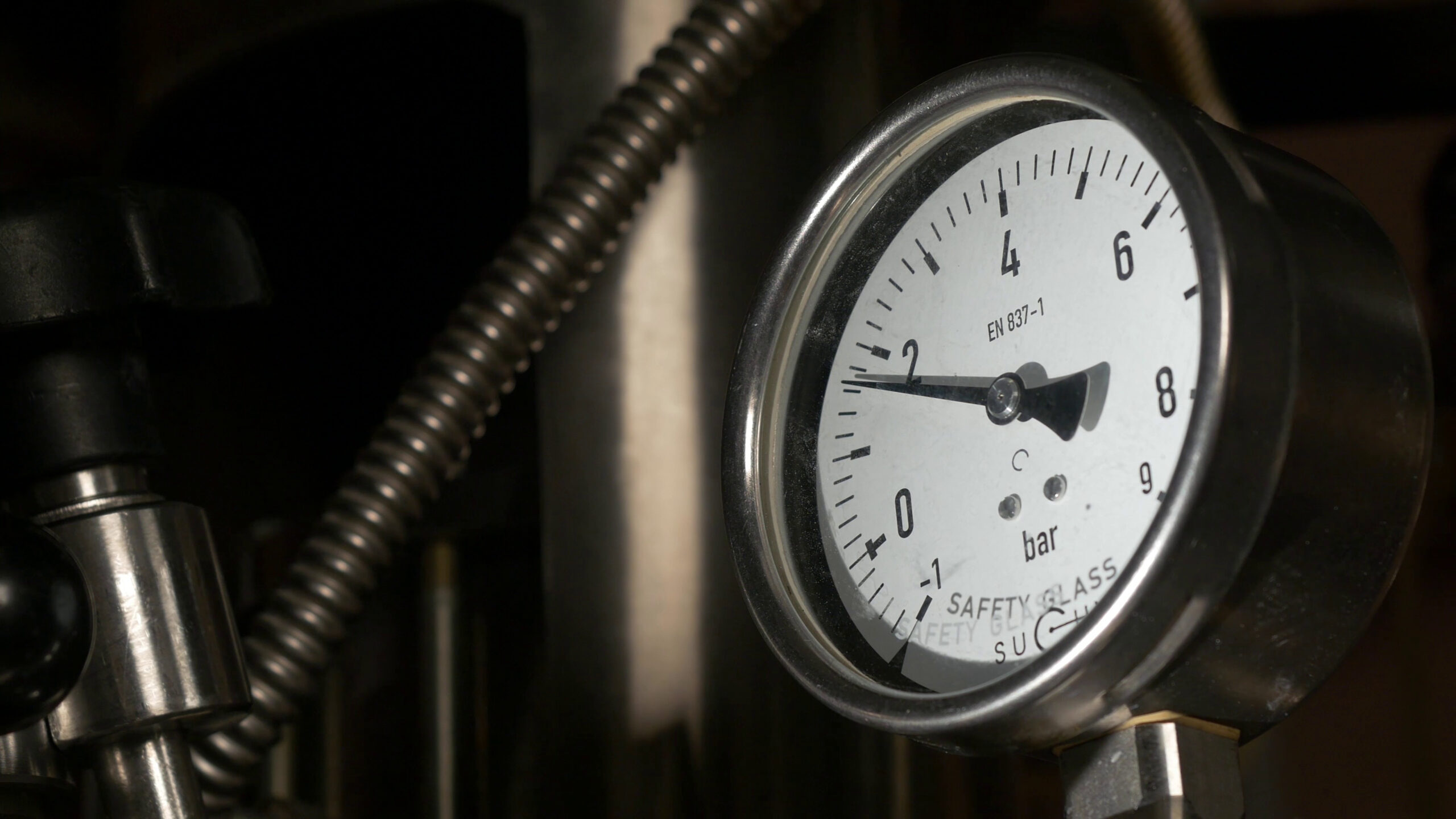
Back pressure testing measures exhaust pressure before and after the catalytic converter. Attach a pressure gauge to the exhaust pipe just before the converter. Start the engine and note the pressure reading. Then, check the pressure after the converter.
A large pressure difference means the converter is blocked. High pressure before the converter and low pressure after signals a clog. This test confirms if the catalytic converter restricts exhaust flow. It is one of the most accurate ways to find converter issues.
Credit: www.redexadditives.com
Physical Inspection
Performing a physical inspection helps identify a clogged catalytic converter early. It involves checking the converter’s condition without special tools. This hands-on approach can reveal obvious problems that affect performance. Simple tests and visual checks can point to internal damage or blockages. Regular inspection saves time and money by spotting issues before they worsen.
Tap Test For Loose Ceramic
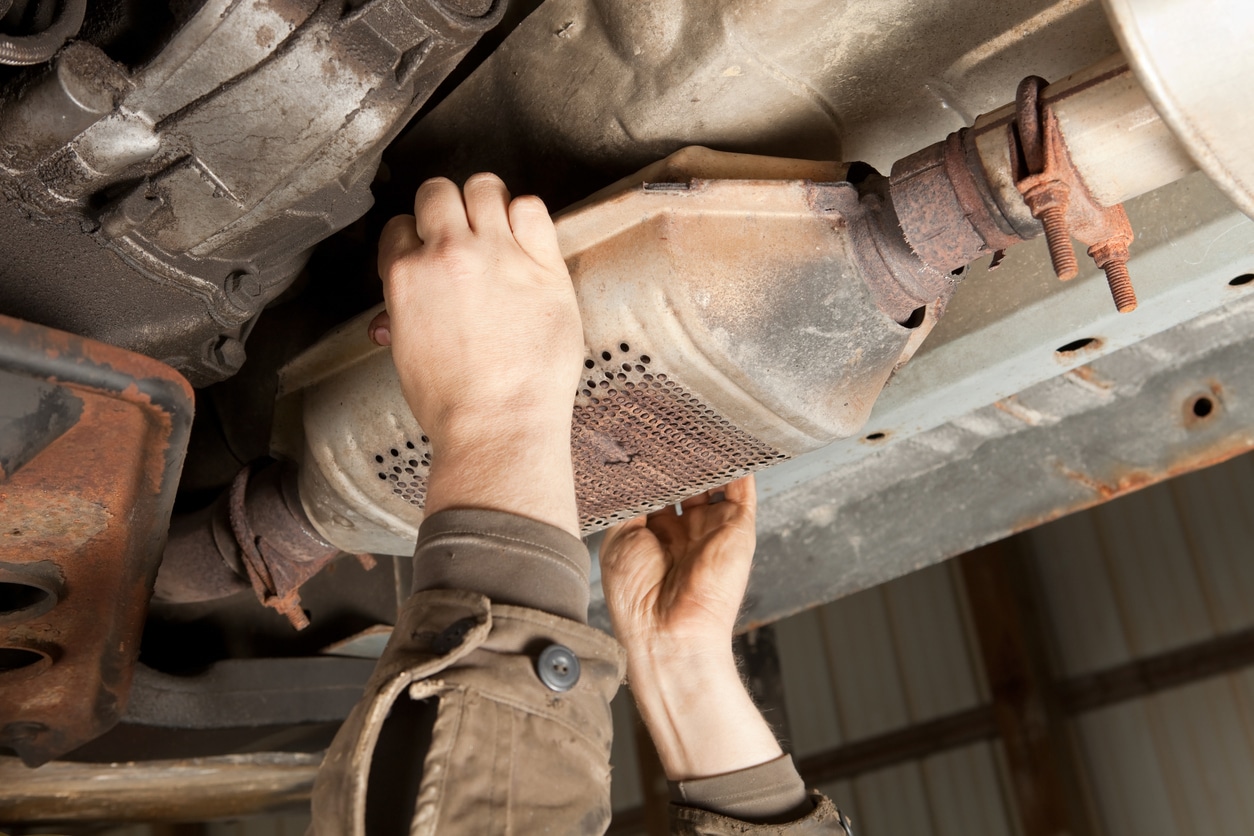
Raise the car safely and ensure the exhaust is cool. Tap the catalytic converter gently with a rubber mallet. Listen carefully to the sound it makes. A rattling noise means the ceramic inside is broken and loose. This broken ceramic can block exhaust flow and reduce engine power. A solid, quiet sound usually indicates the ceramic is intact.
Visual Signs Of Damage
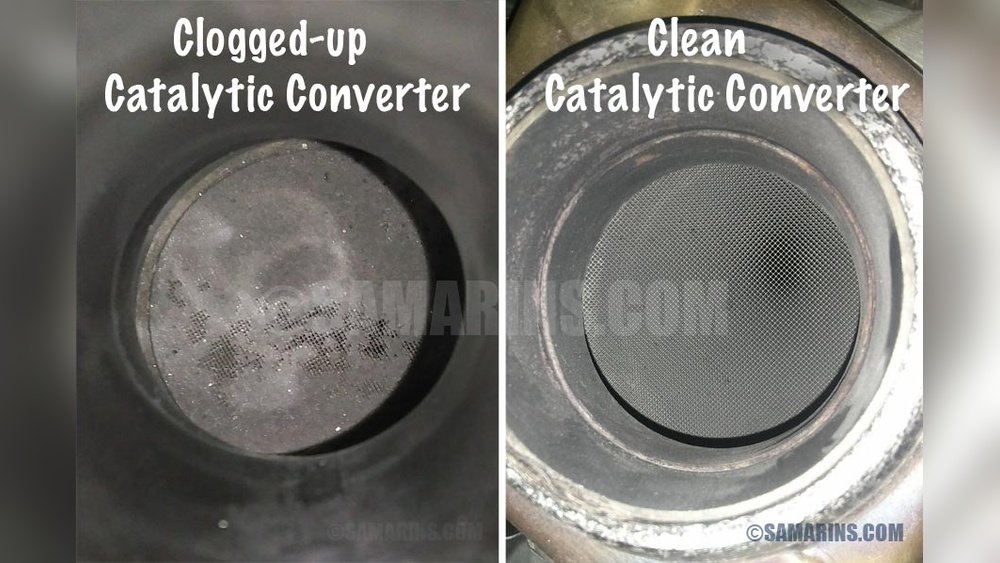
Look closely at the exterior of the catalytic converter. Check for dents, cracks, or rust spots on the metal casing. Damage like this often means internal parts are compromised. Black soot or a burn mark around the converter suggests overheating or clogging. Also, inspect the pipes connected to the converter for signs of leaks or holes. These visible signs help confirm if the converter needs replacement.
Road Test Indicators
Road test indicators provide clear signs of a clogged catalytic converter. These signs emerge while driving and help identify issues early. Pay attention to how your vehicle behaves on the road. Notice any unusual performance changes that could signal a blockage.
Acceleration Issues
Your car may struggle to speed up smoothly. Acceleration slows down or feels weak. This happens because the clogged converter restricts exhaust flow. The engine cannot breathe properly, causing reduced power. You might feel the car lag or hesitate during acceleration.
Throttle Response
The throttle may feel unresponsive or delayed. Pressing the gas pedal does not increase speed right away. This lag occurs due to back pressure caused by the blockage. The engine struggles to get enough air and fuel mix. This leads to a poor driving experience and less control.
Exhaust Restrictions
A clogged converter blocks exhaust gases from escaping. This creates pressure inside the exhaust system. You may notice unusual noises or a strong smell from the exhaust pipe. Exhaust restrictions lower fuel efficiency and engine performance. These symptoms often worsen over time and need prompt attention.

Credit: www.youtube.com
Frequently Asked Questions
How Do You Unclog Your Catalytic Converter?
Unclog a catalytic converter by removing it and cleaning with a specialized catalytic cleaner or replacing it if damaged.
How Expensive Is It To Fix A Clogged Catalytic Converter?
Fixing a clogged catalytic converter typically costs between $500 and $2,500. Prices vary by vehicle and repair type.
What Can Be Mistaken For A Bad Catalytic Converter?
Sluggish acceleration, poor fuel economy, misfires, a rotten egg smell, or rattling noises can mimic a bad catalytic converter.
What Are Common Signs Of A Clogged Catalytic Converter?
A clogged catalytic converter causes poor engine power and slow acceleration. You may notice a strong sulfur or rotten egg smell. Also, the vehicle can have worse fuel economy than usual.
How Can I Test If My Catalytic Converter Is Clogged?
Check the exhaust temperature before and after the converter using a thermometer. A big temperature difference suggests a clog. Listening for rattling noises inside can also indicate damage.
Conclusion
A clogged catalytic converter shows clear signs to watch for. Reduced power, poor fuel economy, and unusual smells are key symptoms. Strange noises like rattling also signal trouble inside the converter. Testing temperature differences and back pressure helps confirm a clog.
Don’t ignore these signs, as they affect your car’s performance. Timely checks keep your vehicle running smoothly and prevent costly repairs. Stay alert to these clues for a healthy exhaust system.