What Does It Mean When the Upper Radiator Hose Collapse: Causes & Fixes
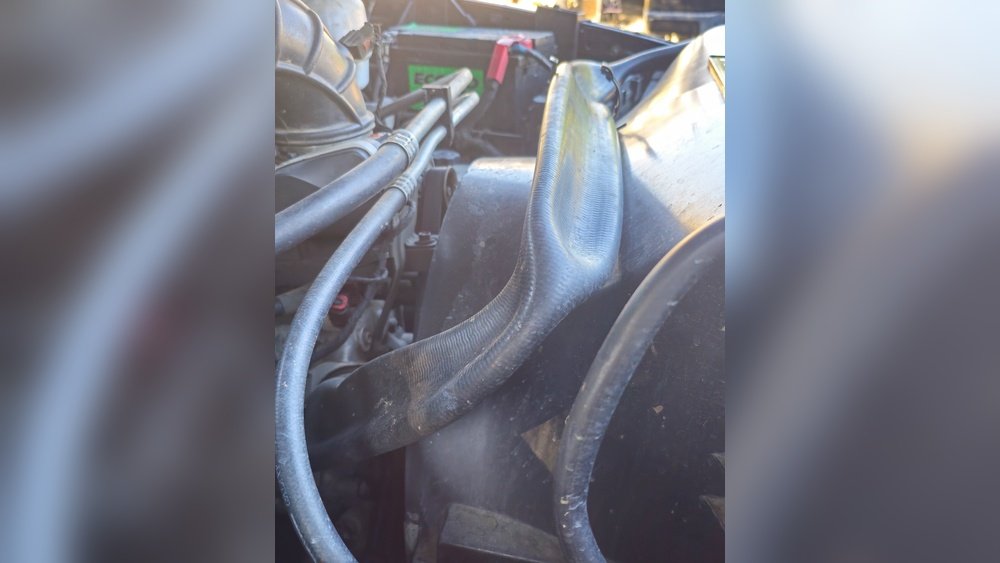
Have you ever noticed your car’s upper radiator hose looking flat or crushed, especially when the engine is cold? If so, you’re probably wondering what’s going on under the hood—and whether it’s something serious.
When the upper radiator hose collapses, it’s more than just an odd sight; it’s a sign that your cooling system might be struggling. Understanding why this happens can save you from costly repairs and unexpected breakdowns. You’ll discover the common causes behind a collapsed upper radiator hose, how to spot the problem early, and what steps you can take to protect your engine.
Keep reading to learn how to keep your car running smoothly and avoid overheating issues.

Credit: www.youtube.com
Reasons For Hose Collapse
The upper radiator hose can collapse due to several common issues. Understanding these causes helps prevent engine overheating and costly repairs.
Most hose collapses happen because of problems in the cooling system’s pressure balance. The hose walls are flexible, so they can suck inward when pressure drops too low inside the system.
Faulty Radiator Cap
The radiator cap controls pressure and allows air to escape. A bad cap traps vacuum inside the cooling system as the engine cools down. This vacuum pulls the hose walls inward, causing collapse.
A failing cap cannot release pressure properly. It creates a strong suction effect that damages the hose over time.
Aged, Weakened Hose
Rubber hoses degrade with heat and time. They lose strength and become soft or brittle. A weak hose cannot resist the vacuum inside the cooling system.
Even small vacuum forces collapse these old hoses. Checking hose condition regularly prevents sudden failures.
Blocked Coolant Flow
Clogs in the radiator or engine can stop coolant circulation. When coolant cannot move, pressure builds up or drops unevenly.
Pressure imbalances cause the hose to collapse during engine cooling. Keeping the cooling system clean avoids this problem.
Improper Hose Installation
Hoses that are twisted, bent, or too long can collapse easily. Poor routing restricts coolant flow and creates weak spots.
Correct installation ensures smooth coolant paths and reduces chances of hose collapse.
Role Of Radiator Cap
The radiator cap plays a key role in your car’s cooling system. It controls the pressure inside the radiator. This pressure keeps the coolant from boiling and helps it circulate properly.
Without the right pressure, the cooling system does not work well. The radiator cap also acts as a valve. It releases excess pressure to avoid damage to the system. At the same time, it lets air enter when the engine cools down.
How Radiator Cap Maintains Pressure
The radiator cap seals the cooling system tightly. It holds pressure to raise the boiling point of the coolant. This lets the engine run hotter without overheating. When pressure gets too high, the cap opens slightly. It lets coolant escape to the overflow tank.
Preventing Vacuum Formation
When the engine cools, the coolant contracts. This creates a vacuum inside the radiator. The radiator cap allows air to enter to balance this vacuum. If the cap fails, air cannot enter. The vacuum pulls the upper radiator hose inward, causing it to collapse.
Signs Of A Faulty Radiator Cap
A bad radiator cap can cause the upper radiator hose to collapse. Other signs include overheating, coolant leaks, or steam from the radiator. A weak cap cannot maintain proper pressure. This leads to cooling system problems and possible engine damage.
Signs Of A Weak Hose
The upper radiator hose plays a vital role in your vehicle’s cooling system. A weak hose can cause serious engine problems. Detecting early signs helps avoid breakdowns and costly repairs.
Watch for changes in the hose’s shape, texture, and performance. These signs often indicate the hose is losing strength and may collapse under pressure.
Visible Cracks And Soft Spots
Cracks on the hose surface show the rubber is deteriorating. Soft spots mean the hose material has weakened. Both signs suggest the hose cannot hold pressure well.
Swelling Or Bulging Areas
Swelling indicates internal damage or heat stress. Bulges form when the hose wall is compromised. These areas are prone to sudden bursting or collapsing.
Coolant Leaks Around Hose Ends
Leaks near connections often mean the hose has lost its seal. A loose or cracked hose end lets coolant escape. This reduces cooling efficiency and signals hose weakness.
Frequent Overheating Issues
A weak hose may restrict coolant flow. Reduced flow causes the engine to overheat. If your car overheats often, check the upper radiator hose for damage.
Collapsed Or Flattened Hose Sections
Sections that collapse or flatten show loss of internal support. Vacuum inside the cooling system pulls weak hoses inward. This collapse blocks coolant flow and harms engine health.
Credit: www.reddit.com
Diagnosing The Problem
When the upper radiator hose collapses, it signals a possible issue in the cooling system. Diagnosing the problem quickly helps avoid engine damage. The hose collapse means the system may have a vacuum or pressure problem.
Start by checking the hose condition and the radiator cap. Both play key roles in maintaining proper pressure. Follow simple steps to identify the root cause of the collapse.
Inspecting The Radiator Hose
Look closely at the hose for cracks, softness, or weak spots. Old hoses often lose strength and can collapse under normal pressure. Squeeze the hose gently to check its firmness. A hose that feels too soft or spongy might need replacement.
Checking The Radiator Cap
The radiator cap controls pressure inside the cooling system. A faulty cap can cause a vacuum when the engine cools, sucking the hose inward. Remove the cap and inspect it for damage or worn seals. Replace it if it looks faulty or old.
Testing Coolant Circulation
Proper coolant flow prevents overheating and hose collapse. Start the engine and let it warm up. Watch the upper radiator hose; it should become firm as coolant flows. If the hose stays soft or collapses again, coolant may not be circulating well.
Checking For Blockages
Blockages in the radiator or coolant passages can stop flow and create vacuum pressure. Inspect the radiator for debris or damage. Flush the cooling system if needed. Clear any blockages to restore normal pressure and hose shape.
Assessing Water Pump Function
The water pump moves coolant through the engine and radiator. A failing pump reduces flow and causes pressure drops. Listen for unusual noises from the pump area. Test the pump’s operation or have a mechanic check it.
Fixes And Maintenance Tips
Fixing a collapsed upper radiator hose is essential to keep the engine cool and running smoothly. Maintenance also helps avoid future problems. Simple steps can prevent hose collapse and extend the life of your cooling system.
Inspect And Replace The Radiator Cap
The radiator cap controls pressure inside the cooling system. A bad cap can cause a vacuum that collapses the hose. Check the cap for damage or wear. Replace it if it no longer seals tightly. This simple fix often stops hose collapse.
Check Hose Condition Regularly
Rubber hoses weaken over time. Heat and pressure cause cracks and soft spots. Look for signs of wear like bulges, cracks, or leaks. Replace any hose that feels too soft or looks damaged. Regular checks avoid sudden failures.
Ensure Proper Coolant Levels
Low coolant can create vacuum pressure inside the system. Always keep coolant at the recommended level. Use the right type of coolant for your vehicle. Proper levels prevent hose collapse and engine overheating.
Flush The Cooling System Periodically
Old coolant can become acidic and damage hoses. Flushing removes dirt, rust, and old coolant. Follow the vehicle’s service schedule for flushing. Clean coolant protects hoses and keeps the system working well.
Replace Hoses At Signs Of Aging
Hoses older than five years often lose strength. Replace them even without visible damage. New hoses handle pressure better and reduce collapse risk. Preventive replacement saves time and money.

Credit: www.youtube.com
Frequently Asked Questions
Can You Drive With A Collapsed Radiator Hose?
Driving with a collapsed radiator hose risks engine overheating and damage. Stop immediately and fix the issue before driving again.
What Is The Most Likely Cause Of An Upper Radiator Hose Collapses After An Engine Cools?
The most likely cause of an upper radiator hose collapsing after engine cools is a faulty radiator cap. It traps vacuum inside the cooling system.
How To Tell If Coolant Is Circulating Properly?
Check the upper radiator hose when the engine is hot. If it’s warm and firm, coolant circulates properly. Watch the temperature gauge for stability. Also, heater output should be consistent. Coolant flow can be verified by feeling warmth throughout the radiator and hoses during operation.
How Expensive Is It To Fix A Radiator Hose?
Fixing a radiator hose typically costs between $50 and $150, depending on parts and labor. Replacement hoses are affordable, and repairs take about an hour.
Why Does The Upper Radiator Hose Collapse When The Engine Cools?
A vacuum forms inside the cooling system as it cools, causing the hose to collapse. This happens if the radiator cap fails to release the vacuum. The hose walls get sucked inward due to the pressure difference.
Conclusion
A collapsed upper radiator hose often signals a problem in your cooling system. Common causes include a bad radiator cap, a clogged radiator, or an old, weak hose. Ignoring this issue can lead to engine overheating and costly repairs. Regular checks and timely maintenance help keep your cooling system healthy.
Always inspect hoses and caps for damage or wear. Catching problems early can save time and money. Remember, a firm and properly functioning hose keeps your engine running smoothly.