How Do You Tell If Your Catalytic Converter is Bad: Key Signs to Watch
Is your car feeling sluggish or struggling to accelerate like it used to? Have you noticed a strange, sulfur-like smell coming from your exhaust, or maybe that annoying rattling noise when you idle?
These could be signs that your catalytic converter is on its last legs. But how can you be sure? Knowing if your catalytic converter is bad isn’t just about avoiding costly repairs—it’s about keeping your car running smoothly and protecting the environment.
You’ll discover the clear signs to watch for and simple tests you can do to find out if your catalytic converter needs attention. Keep reading to protect your vehicle and avoid unexpected breakdowns.
Signs Of A Bad Catalytic Converter
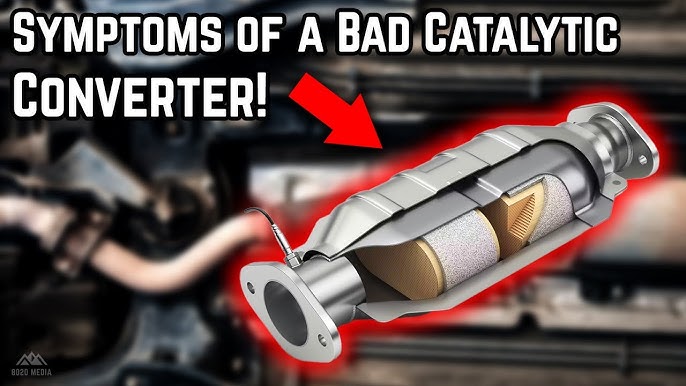
The catalytic converter plays a key role in reducing harmful emissions. Signs of a bad catalytic converter often affect your car’s performance. Spotting these signs early can save you from costly repairs and poor driving experience.
Watch for changes in how your car runs and smells. These clues tell you if the converter needs attention.
Sluggish Acceleration And Power Loss
A bad catalytic converter blocks exhaust flow. This makes your car slow to respond. You may feel the engine struggle to speed up. Driving uphill or during heavy loads becomes harder.
Check Engine Light Turns On
The vehicle’s computer detects problems with the catalytic converter. It triggers the Check Engine Light on your dashboard. Ignoring this warning can cause more damage to your car.
Rotten Egg Smell From Exhaust
A strong sulfur smell means the catalytic converter is failing. This odor comes from unprocessed gases escaping. The smell is similar to rotten eggs and is quite noticeable.
Poor Fuel Economy
A damaged catalytic converter affects fuel efficiency. Your car uses more gas than usual. You may need to fill the tank more often than before.
Rattling Noise Under The Vehicle
Loose or broken parts inside the converter make rattling sounds. This noise is clear when starting or idling the car. It signals internal damage that needs fixing.

Credit: www.corsaperformance.com
Common Symptoms To Watch For
Knowing the common symptoms of a bad catalytic converter helps in early detection. These signs affect your vehicle’s performance and safety. Watch for these warning signals to avoid costly repairs or breakdowns.
Sluggish Acceleration And Power Loss
Your car feels slow when you press the gas pedal. The engine struggles to reach higher speeds. This happens because the catalytic converter is clogged. Exhaust gases cannot pass freely, reducing engine power.
Rotten Egg Smell From Exhaust
A strong sulfur or rotten egg smell comes from the exhaust pipe. This odor shows the converter is not breaking down harmful gases. It means the catalytic converter is failing and needs attention.
Rattling Noises Under The Vehicle
You hear rattling sounds beneath your car, especially when starting or accelerating. Broken pieces inside the catalytic converter cause this noise. It signals internal damage, which affects the converter’s function.
Excessive Heat Near The Converter
The area around the catalytic converter feels much hotter than usual. Overheating can damage nearby parts and the converter itself. This heat rise often means the converter is blocked or malfunctioning.
Declining Fuel Economy
Your vehicle uses more fuel than before to travel the same distance. A bad catalytic converter causes poor engine efficiency. It forces the engine to work harder, increasing fuel consumption.
Testing Methods For Diagnosis
Testing methods help confirm if your catalytic converter is bad. These tests show if the converter clogs or fails. Each method gives different clues about the converter’s health. Use these tests to avoid costly repairs or misdiagnosis. Below are common ways mechanics check catalytic converters.
Using An Obd-ii Scanner
An OBD-II scanner reads the car’s computer system. It shows error codes linked to the catalytic converter. Codes like P0420 mean the converter is not working well. The scanner also helps track engine performance data. This method is fast and non-invasive. It guides you on whether to test further or replace the converter.
Physical Inspection Techniques
Look under your car to find the catalytic converter. Check for dents, rust, or damage on its surface. Shake the converter gently to hear loose pieces inside. A rattling sound often means broken internal parts. Inspect the exhaust for black soot or cracks near the converter. These signs suggest the converter may be clogged or broken.
Back-pressure And Temperature Tests
Back-pressure tests measure exhaust flow resistance. High pressure means the converter is clogged. Mechanics use special gauges to check this pressure. Temperature tests check heat differences at the converter’s inlet and outlet. A bad converter shows little or no temperature change. These tests provide clear proof of converter blockage or failure.
Causes Of Catalytic Converter Failure
The catalytic converter plays a vital role in reducing harmful emissions. It can fail due to several common causes. Understanding these helps in early detection and repair.
Failures often happen from damage, contamination, or wear. Each cause affects the converter’s ability to clean exhaust gases. Spotting these issues can save your vehicle from costly repairs.
Physical Damage
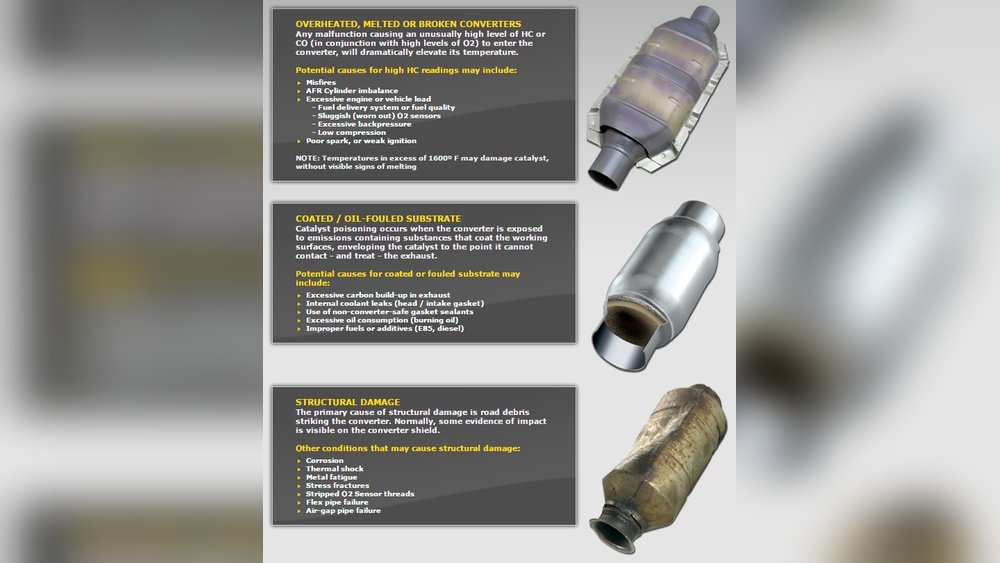
Road debris or accidents can crack or dent the converter. This damage disrupts internal components and reduces efficiency. Heat shields can also loosen, causing rattling noises.
Engine Problems
Faulty spark plugs or misfires cause raw fuel to enter the converter. This overheats the unit and damages its internal ceramic structure. Poor engine performance often leads to premature converter failure.
Contaminated Fuel
Using leaded or low-quality fuel can poison the converter. Contaminants coat the catalyst, blocking its ability to process gases. This contamination reduces lifespan and causes emission failures.
Excessive Exhaust Heat
Overheating occurs from running rich fuel mixtures or engine malfunctions. High temperatures melt or crack catalyst materials inside. This heat stress leads to total converter breakdown.
Clogging And Blockages
Deposits from oil or coolant leaks clog the converter’s honeycomb structure. Blockages restrict exhaust flow and cause poor engine performance. This buildup requires cleaning or replacement.
Steps To Take After Identifying Issues
After you notice signs of a bad catalytic converter, certain steps are vital. Acting fast can protect your engine and save money. Understanding what to do next helps avoid bigger problems.
Check your vehicle carefully. Listen for unusual sounds and watch for warning lights. Gathering information before seeing a professional makes the process smoother.
When To Visit A Mechanic
Visit a mechanic if your Check Engine Light stays on. Also, go if your car loses power or runs poorly. Strange smells like sulfur or rotten eggs are warning signs. A mechanic can diagnose the exact problem with tools.
Delaying a visit can cause more damage. Professional help ensures safety and proper care. Mechanics can test the converter and related parts accurately.
Possible Repair And Replacement Options
Repairs depend on the damage level. Minor clogs might be cleared with special cleaners. A mechanic can suggest this if caught early. Severe damage often needs a full replacement.
Replacing a catalytic converter restores engine performance and lowers emissions. Using quality parts is important for long-term results. Some cars may qualify for warranty or recall repairs.
Regular maintenance after repair helps prevent future issues. Keep your engine tuned and avoid using bad fuel. These steps keep the catalytic converter working well.

Credit: www.youtube.com
Credit: www.youtube.com
Frequently Asked Questions
How Do I Test If My Catalytic Converter Is Bad?
Check for sluggish acceleration, loss of power, rotten egg smell, rattling noises, or a glowing Check Engine Light. Use an OBD-II scanner to read error codes for catalytic converter issues.
What Can Be Mistaken For A Bad Catalytic Converter?
Engine misfires, a clogged air filter, faulty oxygen sensors, or exhaust leaks can mimic bad catalytic converter symptoms.
What Will Unclog My Catalytic Converter?
Using fuel additives designed to clean catalytic converters can help unclog minor blockages. Professional cleaning or replacement may be necessary for severe clogs. Regular maintenance and avoiding engine misfires prevent buildup that causes clogging.
Is It Worth Fixing A Catalytic Converter?
Fixing a catalytic converter is worth it if the repair cost is less than replacement. It improves engine performance and passes emissions tests.
How Can I Test If My Catalytic Converter Is Bad?
You can test by checking for engine power loss and sluggish acceleration. A mechanic may perform back pressure or temperature tests for accuracy.
Conclusion
A bad catalytic converter affects your car’s performance and emissions. Watch for power loss, strange smells, or unusual noises. Early detection helps prevent bigger problems and costly repairs. Regular checks keep your vehicle running smoothly and clean. Stay alert to signs, and act quickly if needed.
Your car will thank you with better efficiency and lower emissions.