
Why Does My Key Keep Getting Stuck in the Ignition: Quick Fixes Explained
Have you ever been in a rush, only to find your car key stuck stubbornly in the ignition? It’s frustrating, isn’t it?
You turn the key, but it won’t budge, leaving you wondering what’s going wrong. If this keeps happening, you’re not alone—and there’s a reason behind it. Your car’s safety features and mechanical parts work together to prevent damage or theft, but sometimes these systems don’t cooperate as they should.
Whether it’s a gear shifter that’s not fully in Park, a locked steering wheel, or even a worn-out key, understanding why your key gets stuck can save you time, stress, and costly repairs. Keep reading to discover simple tricks and expert tips to fix the problem quickly and get you back on the road with ease.

Credit: www.youtube.com
Common Causes Of Stuck Keys
A key often gets stuck in the ignition due to safety features in the vehicle. These features stop the key from turning to the off position. Problems like a misaligned gear shifter or a locked steering wheel cause this issue. Other causes include a dead battery or a worn-out key. Understanding these reasons helps fix the problem quickly.
Each cause affects the ignition in a different way. Some block the key from turning fully. Others prevent the key from being removed. Identifying the exact cause makes it easier to solve the problem.
Gear Shifter Not In Park
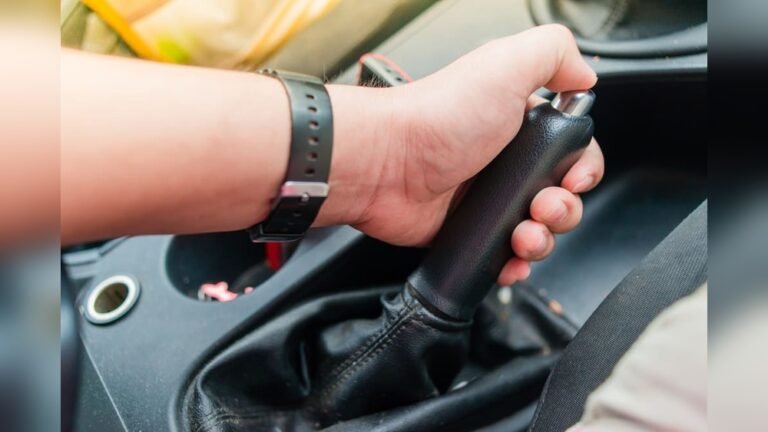
The gear shift must be in the Park position to remove the key. Many cars have a shift-interlock system. This system stops the key from coming out if the car is not in Park. Press the brake and move the shifter fully into Park. This often releases the stuck key.
Locked Steering Wheel
Turning the steering wheel after removing the key can lock the wheel. This locks the ignition cylinder too. The key gets stuck because the cylinder cannot turn. Gently wiggle the steering wheel back and forth. This can unlock the ignition and free the key.
Dead Or Weak Battery
A dead car battery can cause the key to get stuck. Some cars need electrical power to release the key. Without power, the ignition lock may hold the key tight. Charging or replacing the battery often solves this issue.
Worn Or Damaged Key
Repeated use can wear down the key’s edges. A worn key may not fit well in the ignition. It can get stuck or fail to turn smoothly. Inspect the key for damage or wear. Using a spare key can help check if the key is the problem.
Damaged Ignition Cylinder
The ignition cylinder can wear out or get damaged over time. Dirt, rust, or broken parts inside the cylinder can trap the key. This makes turning or removing the key difficult. Cleaning or replacing the ignition cylinder may be necessary.
Quick Troubleshooting Steps
When your key gets stuck in the ignition, quick checks can save time and stress. Simple fixes often clear the problem. Try these steps before calling a mechanic.
Check The Gear Shift
Your car won’t release the key unless the gear is fully in Park. Press the brake pedal firmly. Push the gear shift button. Move the lever all the way into Park. Sometimes the shifter looks in Park but isn’t fully set. This stops the key from turning or coming out.
Wiggle The Steering Wheel
The steering wheel locks as a safety feature. This lock can trap the key. Try gently wiggling the wheel left and right. Do not use too much force. The key may release once the lock loosens. This is a common cause of stuck keys.
Inspect The Key And Ignition
Check the key for damage or dirt. Dirt or wear can block the ignition cylinder. Clean the key with a soft cloth. Look inside the ignition for debris. Use compressed air to clear out dust. A worn key may need replacing to work smoothly.
Check Your Battery
A weak or dead battery can cause ignition problems. Some cars lock the key if the battery is low. Test your battery voltage or turn on the headlights. Dim lights indicate a weak battery. Recharge or replace the battery to fix this issue.
Using A Spare Key And Cleaning Tips
Using a spare key and regular cleaning can help prevent your key from getting stuck in the ignition. Sometimes, the original key may wear out or bend slightly. This can cause it to catch or jam inside the ignition cylinder.
Cleaning the ignition and key can remove dirt and debris that cause sticking. Dirt buildup often blocks smooth key movement. A clean key and ignition make turning and removing the key easier.
Using A Spare Key
Try using a spare key to see if the problem repeats. A worn or damaged key often causes sticking. A spare key usually is less worn and fits better in the ignition.
Keep your spare key handy. Use it occasionally to avoid wear on the main key. If the spare key works well, consider getting a new key made.
Cleaning Tips For Ignition And Key
Start by cleaning the key with a soft cloth. Remove any dirt, oil, or grime from the key’s teeth and grooves. Avoid using harsh chemicals that can damage the key.
Use a small amount of electrical contact cleaner in the ignition slot. Spray gently and avoid excess liquid. Insert and remove the key several times to spread the cleaner inside.
Compressed air can help remove dust from the ignition. Blow air into the key slot to clear out particles. This helps the key slide in and out smoothly.

Credit: www.reddit.com
Advanced Fixes For Stuck Keys
Advanced fixes for a key stuck in the ignition often require a deeper understanding of your vehicle’s systems. Simple tricks may not work if the problem comes from electrical or manufacturer-related issues. These fixes target less obvious causes and can save time and frustration.
Dead Battery Bypass
A dead battery can stop the ignition from releasing the key. Some cars need electrical power to unlock the ignition cylinder. Without power, the key stays stuck even if the car is off. Bypassing this involves using a jump start or external power source. Connect jumper cables to your battery or use a portable jump starter. This restores power and may free the key. Always follow safety steps when handling car batteries.
Check For Recalls
Car manufacturers sometimes issue recalls for ignition problems. A stuck key may be part of a wider defect. Check your vehicle’s make and model against recall databases online. Recalls are often free to repair at authorized dealers. Fixing a recalled ignition can prevent safety risks and key jams. Stay updated on recalls for your vehicle to avoid future trouble.
When To Call A Locksmith
Keys often get stuck in the ignition due to a locked steering wheel, misaligned gear shift, or worn-out key. Electrical issues or a drained battery can also cause this problem. Calling a locksmith is wise when simple fixes don’t work or the key won’t turn smoothly.
A key stuck in the ignition can be more than just a minor annoyance. It may signal a deeper problem with your car’s ignition system. Knowing when to call a locksmith can save time and prevent further damage.
Attempt simple fixes only if you feel confident. Otherwise, a professional can handle the issue safely and quickly. Locksmiths have the right tools and skills to deal with ignition problems.
Signs You Need Professional Help
If the key won’t turn or come out after several attempts, call a locksmith. Forcing the key can break it inside the ignition. Strange noises or resistance during turning also indicate a serious problem.
When the steering wheel is locked and you cannot release it, a locksmith can assist. Also, if your car’s battery is dead and the key remains stuck, professional help is recommended.
Complex Ignition Problems
Worn or damaged ignition cylinders require expert attention. Locksmiths can replace or repair parts without harming your vehicle. Electronic ignition issues may also need specialized tools only locksmiths possess.
Attempting to fix these problems yourself might lead to costly repairs. A locksmith’s experience ensures the job is done correctly the first time.
Emergency Situations
If the key breaks off inside the ignition, call a locksmith immediately. Leaving broken pieces can cause more damage. Locked out of your car with the key stuck requires fast professional service.
Locksmiths offer quick response times, especially for roadside emergencies. Their expertise helps you get back on the road safely.

Credit: www.u-autokeys.com
Frequently Asked Questions
How Do I Stop My Key From Getting Stuck In The Ignition?
Ensure the gear shifter is fully in Park and press the brake firmly. Wiggle the steering wheel while turning the key. Clean or replace a worn key. Check the battery charge, as a low battery can trap the key.
How To Fix A Key That Keeps Getting Stuck?
Check the gear shifter is fully in Park and press the brake pedal. Wiggle the steering wheel while turning the key. Clean or replace a worn key. Ensure the battery has power. Use a spare key if available.
Can I Spray Wd-40 In An Ignition Switch?
Avoid spraying WD-40 in an ignition switch. It can attract dirt and cause damage. Use a proper electrical contact cleaner instead.
Will A Key Stuck In The Ignition Drain The Battery?
A key stuck in the ignition can drain the battery if the ignition stays in the accessory or on position. This keeps electrical components active, using battery power. Remove the key promptly to prevent battery drain and avoid starting issues.
Why Does My Key Get Stuck When Turning The Ignition?
The key can get stuck if the steering wheel is locked or the gear is not in Park. Dirt or damage in the ignition cylinder can also cause this problem.
Conclusion
A stuck key in the ignition often signals a simple problem. Check the gear shift is fully in Park first. Wiggle the steering wheel gently while turning the key. Dirt or wear on the key can also cause issues. A weak battery might stop the ignition from releasing the key.
Regular maintenance helps prevent these problems from happening again. Taking quick action saves time and avoids frustration. Keep these tips in mind for smooth starts every time.