How Many Miles Should You Change Your Transmission Fluid: Expert Guide
Your car’s transmission is one of its most important parts, and keeping it in good shape is key to smooth driving. But how often should you change your transmission fluid?
If you’re unsure, you’re not alone. Changing it too soon wastes money, while waiting too long can cause serious damage. You’ll discover the ideal mileage for changing your transmission fluid, signs that it’s time for a change, and tips to keep your car running like new.
Keep reading to protect your vehicle and avoid costly repairs down the road.
Credit: www.jaywolfehonda.com
Signs You Need A Transmission Fluid Change
Your car’s transmission fluid keeps the system cool and running smoothly. Over time, the fluid breaks down and loses its effectiveness. This can lead to serious transmission problems.
Knowing the warning signs can help you avoid costly repairs. Here are the key signs that your transmission fluid needs changing.
Unusual Transmission Noises
Hearing whining, clunking, or humming sounds from the transmission is a clear sign. Old or dirty fluid cannot lubricate parts properly. This causes the transmission to make noises during gear shifts.
Delayed Or Slipping Gears
Your car hesitates before changing gears or slips out of gear. This happens when the transmission fluid loses its ability to create pressure. Low fluid quality affects smooth gear changes.
Burning Smell
A strong, burning odor often means overheated transmission fluid. Fluid that is dark or smells burnt indicates it is time for a change. Overheating damages transmission parts quickly.
Fluid Color Changes
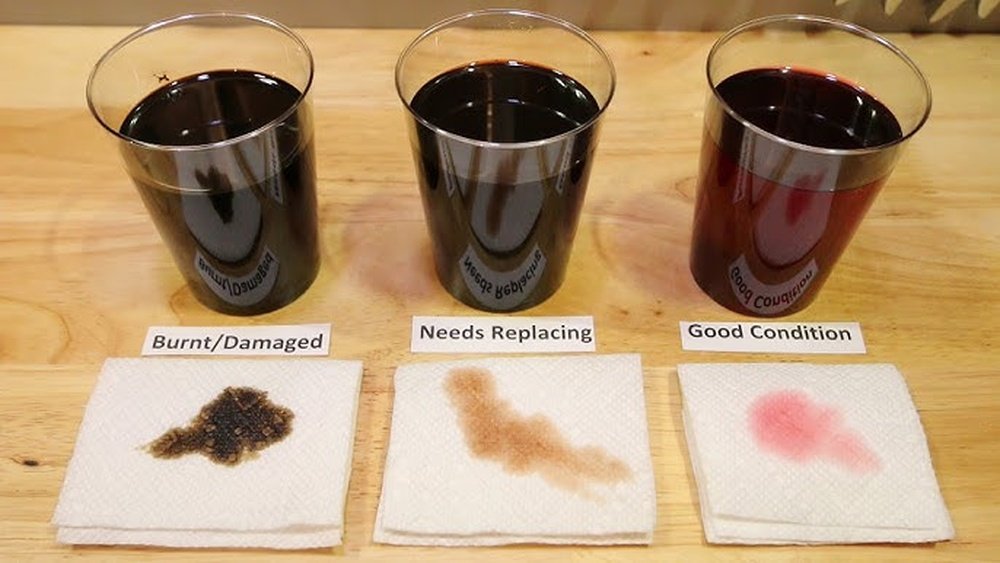
Fresh transmission fluid is bright red or pink. Dark brown or black fluid shows contamination and wear. Check the fluid regularly to spot color changes early.
Leaking Fluid
Transmission fluid leaks under the car signal a problem. Leaks cause low fluid levels, risking transmission damage. Look for red or brown puddles where you park.
Poor Vehicle Performance
Difficulty accelerating or rough shifting can relate to bad transmission fluid. The transmission struggles without clean, effective fluid. Performance issues often come with fluid problems.

Credit: oilchangers.com
Recommended Mileage Intervals
Most vehicles need a transmission fluid change every 30,000 to 60,000 miles. Checking your owner’s manual helps find the right interval. Clean fluid keeps your transmission working smoothly and lasts longer.
Changing transmission fluid keeps your vehicle running smoothly. It helps avoid costly repairs and extends the transmission’s life. Different cars need fluid changes at different times. Knowing the right mileage interval is key.
Many experts suggest changing fluid every 30,000 to 60,000 miles. This range covers most standard vehicles. Some newer models can go longer without changes. Always check your owner’s manual for exact guidance.
Heavy-duty or towing vehicles need more frequent changes. Their transmissions work harder and generate more heat. For these, changing fluid every 20,000 to 30,000 miles is safer.
Older cars may also need more frequent fluid changes. Transmission seals can wear out, causing leaks. Fresh fluid helps keep parts lubricated and cool.
Regular checks of transmission fluid condition help decide when to change it. Dark or burnt-smelling fluid means a change is due soon. Clear, red fluid usually means it is still good.
Factors Affecting Fluid Change Frequency
Transmission fluid change frequency depends on driving habits, vehicle age, and manufacturer recommendations. Heavy towing or stop-and-go traffic can shorten the interval. Regular checks help keep your transmission running smoothly.
Driving Conditions
The type of driving affects how often you change transmission fluid. City driving with stop-and-go traffic heats the fluid faster. This causes the fluid to break down sooner. Highway driving at steady speeds is gentler on the fluid. Towing heavy loads or driving in hilly areas also wears the fluid more quickly. These tough conditions need more frequent fluid changes.
Vehicle Age And Mileage
Older vehicles usually need more frequent fluid changes. Over time, the fluid collects dirt and metal particles. High mileage cars have more wear inside the transmission. This contamination reduces fluid effectiveness. Newer vehicles often have longer fluid life. Still, it is best to follow the manufacturer’s advice based on mileage.
Type Of Transmission Fluid
Different fluids last for different times. Synthetic transmission fluid tends to last longer than regular fluid. Some fluids have special additives to protect the transmission better. Using the right fluid type helps extend change intervals. Always check the owner’s manual for the correct fluid type.
Manufacturer Recommendations
Car makers provide specific guidelines for fluid changes. These guidelines consider the vehicle model and transmission type. Following these recommendations helps maintain transmission health. Ignoring them can lead to premature wear or failure. Always trust the manufacturer’s schedule for the best results.
Types Of Transmission Fluid
Transmission fluid comes in different types, such as synthetic and conventional. Each type needs changing at different mile intervals. Knowing your fluid type helps keep your vehicle running smoothly.
Automatic Transmission Fluid (atf)
Automatic Transmission Fluid is the most common type of fluid used in automatic cars. It helps the transmission shift gears smoothly. ATF also cools and lubricates the transmission parts. Different cars need different ATF types, so check your owner’s manual.
Continuously Variable Transmission Fluid (cvt)
CVT fluid is made for cars with a special type of transmission called continuously variable. This fluid is thinner and helps the transmission work without fixed gears. Using the wrong fluid can damage a CVT, so always use the recommended type.
Manual Transmission Fluid
Manual transmissions use a different fluid than automatic ones. This fluid is thicker and designed to protect gears and bearings. Some manual cars use engine oil instead of special transmission fluid. Always verify the right fluid for your manual transmission.
High-mileage Transmission Fluid
High-mileage fluids are for cars with over 75,000 miles. They have special additives to reduce wear and leaks. Using this fluid can help older transmissions last longer. Check if this fluid suits your transmission before switching.
Steps To Change Transmission Fluid
Changing your transmission fluid helps keep your car running smoothly. This task is simple but important. Follow these clear steps to do the job right. You will save money and avoid future repairs.
Prepare Your Car And Tools
Park your car on a flat surface. Turn off the engine and let it cool. Gather tools like a wrench, drain pan, and new transmission fluid. Check your owner’s manual for the right fluid type.
Drain The Old Transmission Fluid
Place the drain pan under the transmission. Remove the drain plug carefully. Let the old fluid drain completely. Clean the drain plug and replace it tightly.
Replace The Transmission Filter
Locate the transmission filter inside the transmission pan. Remove the pan bolts carefully. Take out the old filter and install the new one. Clean the pan and put it back.
Add New Transmission Fluid
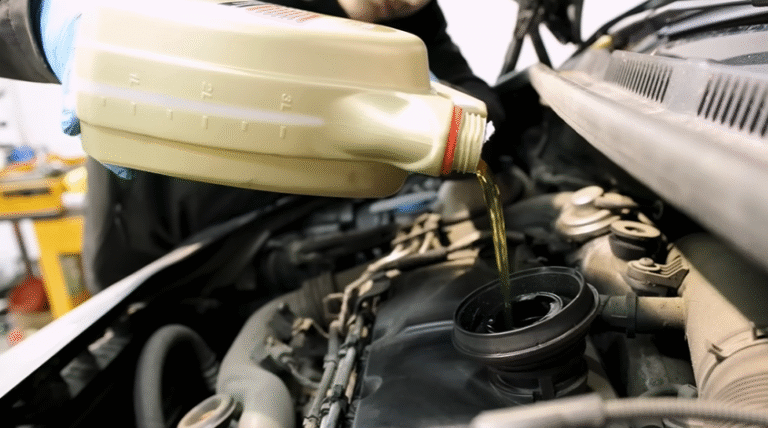
Use a funnel to pour the new fluid into the transmission. Add the amount recommended in the manual. Check the fluid level with the dipstick. Add more fluid if needed.
Test Your Car
Start the engine and let it run for a few minutes. Shift through all the gears slowly. Watch for smooth gear changes and no leaks. Turn off the engine and check the fluid level again.

Credit: www.youtube.com
Frequently Asked Questions
How Often Should Transmission Fluid Be Changed?
Transmission fluid should generally be changed every 30,000 to 60,000 miles. Check your vehicle’s manual for exact recommendations.
What Happens If Transmission Fluid Is Not Changed Timely?
Old fluid can cause transmission overheating and slipping. It reduces lubrication and may lead to costly repairs.
Can Driving Habits Affect Transmission Fluid Change Intervals?
Yes, heavy towing or stop-and-go driving may require more frequent fluid changes. These conditions stress the transmission more.
How Do I Check My Transmission Fluid Level?
Park on a level surface, warm up the engine, then use the dipstick to check fluid level and color.
Is Synthetic Transmission Fluid Better Than Regular Fluid?
Synthetic fluid lasts longer and resists breakdown better than regular fluid. It often improves transmission performance and protection.
Conclusion
Changing your transmission fluid regularly keeps your car running smoothly. Most experts suggest changing it every 30,000 to 60,000 miles. Check your car’s manual for the exact number. Clean fluid helps protect the transmission from damage. Neglecting this can lead to costly repairs later.
Stay on top of your car’s maintenance. It saves money and avoids breakdowns. Simple steps keep your vehicle healthy and safe. Don’t wait until problems show up. Regular fluid changes are a smart and easy habit.