How to Check Transmission Fluid in a Manual Transmission: Easy Guide
If you drive a car with a manual transmission, keeping your transmission fluid at the right level is key to smooth gear shifts and a long-lasting gearbox. But how do you check your transmission fluid without making a mess or damaging your car?
You might think it’s complicated, but it’s actually easier than you expect. You’ll learn simple steps to check your manual transmission fluid yourself—saving you time and money on unnecessary repairs. Ready to keep your car running smoothly? Let’s get started!
Credit: www.thedrive.com
Signs Your Manual Transmission Fluid Needs Checking
Strange noises or difficulty shifting gears can signal low manual transmission fluid. Checking fluid levels helps keep your car running smoothly. Regular checks prevent costly repairs and improve performance.
Manual transmission fluid keeps your car’s gears working smoothly. It lubricates moving parts and helps shift gears easily. When the fluid level is low or dirty, your transmission may show signs of trouble.
Noticing these signs early can save you from costly repairs. Pay attention to how your car feels and sounds while driving. Strange noises or difficulty shifting gears often mean it is time to check the fluid.
Difficulty Shifting Gears
If your gears feel hard to shift or stick, the fluid may be low or old. Proper fluid helps the gears slide smoothly. Hard shifting can damage your transmission over time.
Grinding Or Unusual Noises
Grinding sounds when changing gears often mean the fluid is not doing its job. Clean and enough fluid reduces friction and noise. Strange sounds need immediate attention.
Burning Smell
A burning smell from the transmission area suggests the fluid is overheating or dirty. Overheated fluid loses its ability to protect the transmission. This smell warns you to check the fluid soon.
Fluid Leaks
Check under your car for red or brown fluid spots. Leaks mean the fluid level may be dropping. Low fluid can cause serious transmission damage.
Slipping Gears
When your car slips out of gear or moves unexpectedly, the fluid might be insufficient. Fluid keeps gears engaged. Slipping can make driving unsafe and damage parts.

Credit: www.youtube.com
Tools Needed For Checking Transmission Fluid
Checking the transmission fluid in a manual transmission requires a few simple tools. These tools help you access the fluid and check its condition safely. Having the right tools makes the process easier and faster.
Prepare these tools before starting the check to avoid delays. Each tool has a specific role in the process.
Socket Wrench Set
A socket wrench set helps remove the fill plug on the transmission. Different cars use different sizes of bolts. A set ensures you have the right size to fit the plug.
Clean Rag Or Cloth
A clean rag or cloth is needed to wipe off dirt around the fill plug. This stops dirt from entering the transmission. Use it to clean your hands after handling the fluid too.
Flashlight
A flashlight helps you see inside the fill hole. Transmission fluid can be hard to spot without good light. A flashlight ensures you check the fluid level properly.
Gloves
Gloves protect your hands from dirty fluid and sharp edges. Manual transmission fluid can irritate the skin. Use gloves for safety and cleanliness.
Locating The Transmission Fluid Fill Plug
Finding the transmission fluid fill plug is the first step in checking your manual transmission fluid. This plug lets you add or check the fluid level inside the transmission. Knowing its exact location saves time and prevents damage to your vehicle.
The fill plug is usually on the side of the transmission case. It sits higher than the drain plug. This position helps keep the fluid at the right level. Sometimes, the plug is hidden under dirt or grime. Cleaning the area first makes it easier to spot.
Identify The Transmission Type
Manual transmissions vary by car model and make. Some have a separate fill plug, while others use a bolt. Consult your owner’s manual to find details about your specific transmission. This helps narrow down where to look.
Locate The Transmission Case
The transmission case is a large metal housing under your car. It connects the engine to the driveshaft. Look for a metal box near the engine’s bottom. This is usually where the fill plug hides.
Spot The Fill Plug
The fill plug is smaller than the drain plug. It often has a square or hex head for a wrench. It sits about halfway up the transmission case. You may need a flashlight to see it clearly.
Step-by-step Guide To Checking Fluid Level And Condition
Checking the transmission fluid in a manual transmission helps keep your car running smoothly. It shows if the fluid level is right and if the fluid is clean. This guide explains each step clearly. Follow it to check your manual transmission fluid safely and correctly.
Locate The Transmission Fill Plug
First, find the fill plug on the transmission case. The plug is usually on the side of the transmission. You may need to lift the car with a jack to see it clearly. Use a flashlight if needed. Make sure the engine is off and the car is on a flat surface.
Clean Around The Fill Plug
Wipe the area around the fill plug with a clean cloth. This stops dirt from entering the transmission. Dirt inside can cause damage. Keep the area clean before opening the plug.
Remove The Fill Plug Carefully
Use a wrench to unscrew the fill plug. Turn it counterclockwise slowly. Be ready to catch any fluid that may drip. Keep the plug in a safe place to avoid losing it.
Check The Fluid Level
Look inside the hole. The fluid should be level with the bottom of the fill hole. If the fluid is below the hole, the transmission needs more fluid. If it is too high, some fluid may need to be drained.
Assess The Fluid Condition
Check the color and smell of the fluid. Healthy fluid is clear and light red or amber. Dark, dirty fluid or a burnt smell means the fluid needs changing. Cloudy or thick fluid is also a bad sign.
Add Or Replace Transmission Fluid
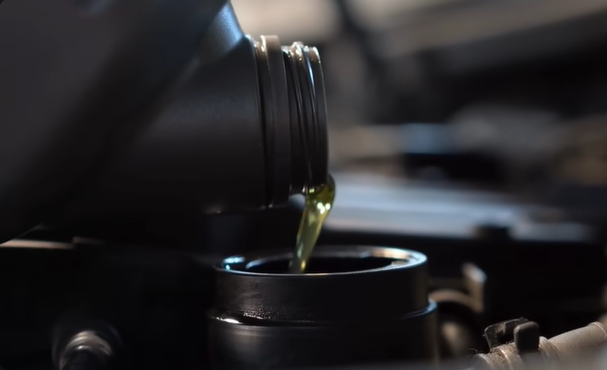
Add fluid only if needed. Use the type recommended in your car manual. Pour slowly and check the level often. Do not overfill. Replace the fill plug tightly to avoid leaks.
When And How To Change Manual Transmission Fluid
Knowing when and how to change manual transmission fluid helps keep your car running smoothly. The fluid lubricates gears and prevents wear. Over time, it can break down or get dirty. Changing the fluid protects your transmission from damage.
Check your vehicle’s manual for specific intervals. Usually, change the fluid every 30,000 to 60,000 miles. Severe driving conditions may require more frequent changes.
Signs You Need To Change Manual Transmission Fluid
Grinding noises when shifting gears can mean old fluid. Hard or rough shifting also signals a problem. Leaks under the car or fluid that looks dark or smells burnt need attention. These signs show the fluid no longer protects well.
Tools And Materials Needed
You need a few tools to change the fluid safely. Get a wrench or socket set to open the drain plug. Bring a fluid pump or turkey baster to remove old fluid. Use the recommended manual transmission fluid type. Have a container ready to catch the old fluid.
Steps To Change Manual Transmission Fluid
First, park your car on a level surface and apply the parking brake. Locate the transmission drain plug under the car. Place the container beneath it. Remove the plug and let the fluid drain out completely. Replace the drain plug securely. Find the fill plug and remove it. Use the fluid pump to add new fluid until it reaches the fill hole’s edge. Replace the fill plug tightly. Clean up any spills and dispose of old fluid properly.

Credit: mygarageairdrie.ca
Frequently Asked Questions
How Do I Locate The Transmission Fluid Check Point?
Look for a fill plug or dipstick on the transmission case. It is usually on the side or top of the manual transmission.
How Often Should I Check Manual Transmission Fluid?
Check your transmission fluid every 30,000 to 60,000 miles. This helps keep your transmission running smoothly.
What Color Should Manual Transmission Fluid Be?
Good transmission fluid is clear or light amber. Dark or dirty fluid means it needs changing.
Can I Check Transmission Fluid Without Tools?
You need basic tools like a wrench to open the fill plug. A clean cloth is also helpful to check fluid condition.
What Happens If Transmission Fluid Is Low?
Low fluid can cause grinding gears or shifting problems. It may also cause damage to the transmission over time.
Conclusion
Checking your manual transmission fluid keeps your car running smoothly. Regular checks help spot problems early. Clean fluid means better gear shifts and longer transmission life. Remember to use the correct type of fluid for your vehicle. Keep your car’s transmission healthy with simple, regular care.
Your efforts will save you money on repairs later. Stay safe and confident on the road. Easy steps make maintenance less stressful. Don’t skip this small but important task. Your manual transmission will thank you.