How Much Does It Cost to Replace Brakes And Rotors: Ultimate Guide
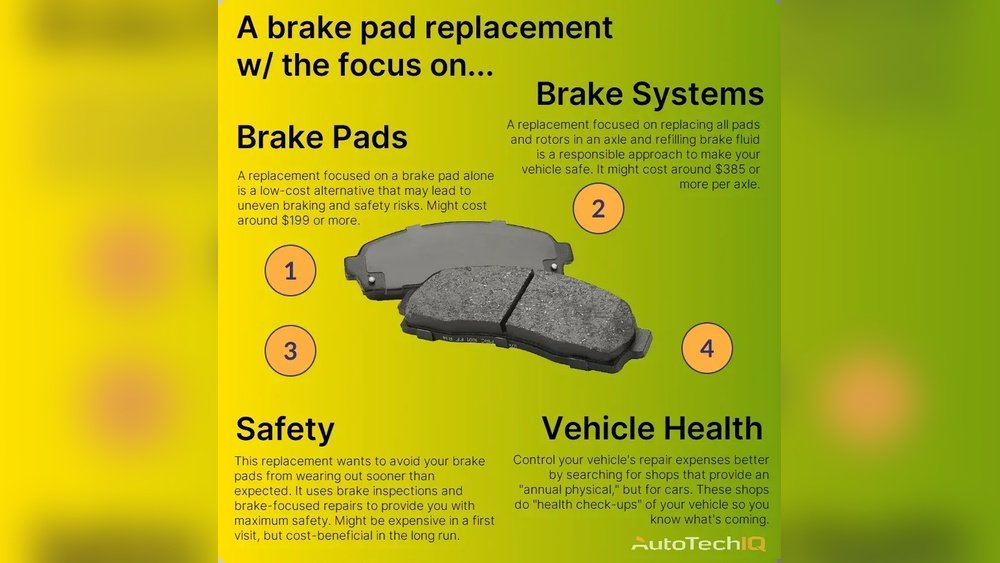
When it comes to keeping your car safe on the road, your brakes are one of the most important parts to maintain. But if you’ve noticed squeaking, grinding, or a longer stopping distance, it might be time to replace your brakes and rotors.
You’re probably wondering, “How much is this going to cost me? ” Understanding the expenses involved can help you plan ahead and avoid surprises. You’ll get a clear breakdown of what affects the price, how much you should expect to pay, and tips to save money without sacrificing quality.
Keep reading to make sure your brakes get the care they need without breaking your budget.
Credit: www.ebay.com
Brake Parts Prices
Brake parts prices vary widely based on your vehicle and the quality of parts chosen. Understanding these costs helps plan your brake repair budget. Brake pads, rotors, and calipers are the main components that usually need replacement. Each part has its own price range. Knowing these ranges can save time and money during repairs.
Cost Of Brake Pads
Brake pads are the most common part replaced in brake repairs. Prices range from $20 to $80 per set. Economy pads cost less but wear out faster. Premium pads offer better stopping power and last longer. Prices depend on material types like ceramic, semi-metallic, or organic. Choosing the right pads affects both cost and performance.
Rotor Price Range
Rotors cost more than brake pads. Prices usually range from $30 to $100 each. High-performance or specialty rotors can cost over $150. Rotors wear down or warp over time, needing replacement. Some rotors are designed to last longer or provide better heat dissipation. The type of rotor you pick impacts the total brake repair cost.
Caliper Expenses
Calipers are less often replaced but can be expensive. Prices range from $50 to $150 or more per caliper. Replacing calipers is necessary if they leak or seize. Sometimes calipers can be rebuilt instead of fully replaced. Labor costs may increase if calipers need replacement. Proper caliper function ensures even brake pad wear and safe stopping.
Credit: www.aaa.com
Labor Charges
Labor charges make up a large part of the total cost to replace brakes and rotors. These charges cover the time and skill mechanics use to remove old parts and install new ones. Understanding labor costs helps you budget better for this important car maintenance.
Average Mechanic Fees
Mechanics usually charge between $80 and $150 per hour for brake and rotor work. The entire job often takes one to two hours. Labor fees can vary based on the vehicle type and shop location. Some shops may charge a flat rate for brake jobs.
Dealership Vs Independent Shops
Dealerships tend to have higher labor rates, sometimes $120 to $200 per hour. They use factory-trained technicians and original parts. Independent shops usually charge less, around $80 to $130 per hour. Both can do good work, but independent shops often offer better prices.
Diy Considerations
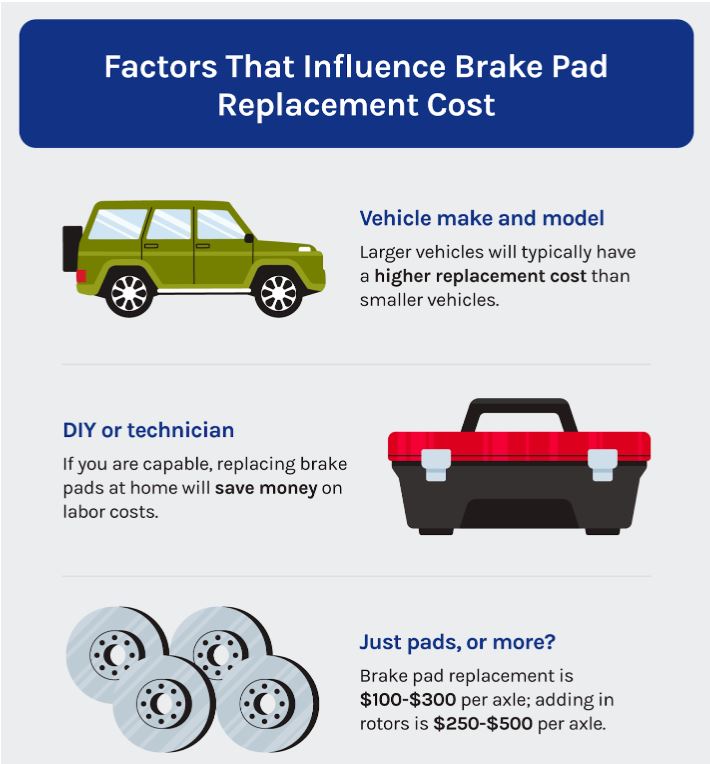
Doing the brake and rotor replacement yourself saves labor costs. You only pay for parts and tools. But this job needs some skill and the right equipment. Mistakes can cause safety issues or extra repairs. Make sure you understand the process before trying a DIY brake job.
Factors Affecting Cost
Replacing brakes and rotors involves several cost factors. These factors influence the final price for parts and labor. Understanding them helps prepare for the repair bill. Costs can vary widely depending on specific details.
Vehicle Make And Model
The type of vehicle affects the cost significantly. Luxury cars often need expensive parts. Some models have complex brake systems. This raises labor time and skill needed. Common cars usually cost less to service.
Quality Of Parts
Parts come in different grades and brands. OEM parts match the original equipment exactly. They usually cost more but offer reliability. Aftermarket parts are cheaper but vary in quality. Choosing quality parts can extend the brake system’s life.
Location And Shop Rates
Repair costs depend on geographic location. Urban areas tend to have higher rates. Small towns or rural areas might charge less. Independent shops often offer better prices than dealerships. Shop reputation and expertise also affect labor costs.
Cost Breakdown By Brake Type
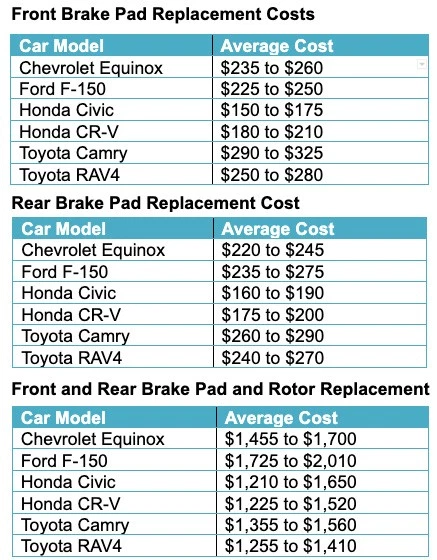
Brake replacement costs vary by the brake type and the area serviced. Front brakes, rear brakes, and full brake system jobs each have different price ranges. Understanding these differences helps plan your budget better. Prices depend on parts, labor, and vehicle type. Here is a clear breakdown of costs by brake type.
Front Brake Replacement Costs
Front brakes handle most stopping power. This means they often wear out faster. Replacing front brake pads and rotors usually costs between $250 and $400. Parts alone can range from $100 to $200. Labor fees add another $150 to $200. High-performance vehicles or luxury cars may cost more. Front brake jobs often require more skill and time.
Rear Brake Replacement Costs
Rear brakes wear slower than front brakes. Their replacement cost is usually lower. Expect to pay between $150 and $300 for rear brake pads and rotors. Parts cost around $50 to $120. Labor charges range from $100 to $180. Some vehicles have drum brakes in the rear, which may cost less. Rear brake jobs are simpler but still essential for safety.
Full Brake System Jobs
Replacing all brakes and rotors at once costs more upfront. Full brake system jobs range from $400 to $800 or more. This includes front and rear pads, rotors, and sometimes calipers. Labor time doubles compared to single axle jobs. Full jobs ensure balanced braking and longer system life. They offer the best safety and performance upgrade.
Saving On Brake Services
Brake services can be expensive, but there are ways to save money. Smart choices lower costs without sacrificing safety or quality. Learning how to save helps keep your vehicle in good shape and your wallet happy.
Here are some practical tips for saving on brake services.
Finding Affordable Parts Online
Online stores often offer brake parts at lower prices than local shops. Compare prices from trusted websites before buying. Check product reviews to ensure good quality. Buying parts online can save you a significant amount on brake pads and rotors.
Promotions And Discounts
Many auto shops run promotions or offer discounts on brake services. Ask about current deals or seasonal sales. Some places provide discounts for first-time customers or veterans. Using coupons or joining loyalty programs can also reduce your brake repair bill.
Maintenance Tips To Extend Brake Life
Regular maintenance helps brakes last longer and prevents costly repairs. Avoid hard braking and sudden stops as much as possible. Keep an eye on brake fluid levels and change it as recommended. Clean your brakes and rotors to remove dust and debris. These habits protect your brake system and save money over time.

Credit: blog.napacanada.com
Frequently Asked Questions
What Does A $99 Brake Special Include?
A $99 brake special typically includes brake pad replacement, a brake system inspection, and basic labor costs.
How Much Are A Vw Polo Brake Pads?
VW Polo brake pads typically cost between $40 and $80 for parts alone. Labor charges vary by location and service center.
How Much Are Brakes For A Toyota Highlander?
Brake replacement for a Toyota Highlander typically costs between $250 and $400. Prices vary by parts and labor.
How Much Do Brake Pads Cost For A Honda Crv?
Brake pads for a Honda CRV typically cost between $50 and $150 per set. Labor may add $80 to $150.
How Much Does It Cost To Replace Brake Pads And Rotors?
Replacing brake pads and rotors usually costs between $250 and $500. Prices depend on car model and part quality. Labor fees and location also affect the total cost.
Conclusion
Replacing brakes and rotors varies by car and location. Parts and labor both affect the total cost. Choosing quality parts ensures safety and durability. Regular brake checks help avoid costly repairs later. Knowing the price range helps plan your budget better.
Keep your vehicle safe with timely brake maintenance. Don’t wait until brakes show serious wear. Act early to protect yourself and others on the road.