How to Pass Emissions With a Check Engine Light on: Expert Tips
You’re staring at that glowing check engine light and dreading your upcoming emissions test. It feels like a guaranteed fail, right?
Not necessarily. While a check engine light often signals trouble, there are smart steps you can take to improve your chances of passing the emissions test without needless repairs or stress. You’ll discover clear, easy-to-follow tips that help you understand what the light means, how to reset it properly, and what you need to do before heading to the testing station.
If you want to avoid surprises and save time and money, keep reading—your next emissions test might just be easier than you think.
Check Engine Light And Emissions Tests
The check engine light signals problems related to your car’s engine or emissions system. It stays on when the car’s computer detects an issue. This light often means your vehicle won’t pass an emissions test. Emissions tests check for pollutants released from your car. A lit check engine light usually causes automatic failure at the test center.
Passing emissions with the check engine light on is difficult. The light shows your car’s emissions may be higher than allowed. Test stations use an onboard diagnostics (OBD) system to find trouble codes. These codes explain why the light is on and if emissions are too high.
What The Check Engine Light Means For Emissions
The check engine light is also called the Malfunction Indicator Lamp (MIL). It warns about engine or emissions faults. When this light is on, your car’s computer stores error codes. These codes help mechanics find the problem. Most states fail cars with an active check engine light during emissions tests.
How Emissions Tests Use The Check Engine Light
During an emissions test, inspectors check the OBD system. The system reports if the check engine light is on. It also shows if all emission-related systems are working. A lit check engine light signals a fault in emissions control. This fault usually leads to test failure, even if emissions appear normal.
Exceptions And Special Cases
Some states allow a test with the light on if it just came on. Others reject cars immediately. Certain minor issues might not trigger a failure if emissions are low. Still, most mechanics advise fixing the cause before testing. Clearing the light without repair can lead to worse problems later.
Credit: www.prnewswire.com
Common Causes For Emissions Failure
Emissions failure often happens due to common issues with your vehicle. These problems cause your car to release more pollution than allowed. Understanding these causes helps fix your car and pass the test.
Many causes relate to the engine or exhaust system. Some problems trigger the check engine light. This light signals a fault that affects emissions. Fixing these issues improves your car’s performance and lowers emissions.
Oxygen Sensor Malfunction
The oxygen sensor checks air and fuel mixture. A bad sensor sends wrong data to the engine. This leads to poor fuel burning and more pollution. Replacing a faulty oxygen sensor often solves emissions problems.
Loose Or Damaged Gas Cap
A loose or broken gas cap lets fuel vapors escape. These vapors increase pollution and cause emissions failure. Tightening or replacing the gas cap is an easy fix that may turn off the check engine light.
Faulty Catalytic Converter
The catalytic converter reduces harmful gases. When it fails, emissions increase a lot. This part may clog or break over time. Repair or replacement is necessary to pass emissions tests.
Ignition System Issues
Worn spark plugs or bad ignition coils cause misfires. Misfires lead to incomplete fuel burning. This raises emissions and can light the engine warning. Fixing ignition parts improves engine function and lowers emissions.
Mass Air Flow Sensor Problems
The mass air flow sensor measures air entering the engine. A bad sensor causes wrong air-fuel mixture. This increases emissions and reduces fuel efficiency. Cleaning or changing this sensor often helps pass emissions.
Using An Obd-ii Scanner To Diagnose Issues
Using an OBD-II scanner is a smart way to find out why the check engine light is on. This tool reads error codes from your car’s computer. These codes help identify problems that affect emissions. Knowing the exact issue saves time and money.
OBD-II scanners are easy to use. Just plug the scanner into the car’s OBD port, usually under the dashboard. Turn on the ignition and follow the scanner’s instructions. Within minutes, you get a list of trouble codes.
These codes point to specific problems like a faulty oxygen sensor or a loose gas cap. Fixing these issues can turn off the check engine light. This improves your chances of passing the emissions test.
What Is An Obd-ii Scanner?
An OBD-II scanner is a small device that reads car diagnostics. It connects to the car’s onboard computer. The scanner shows error codes and live data. This helps find problems that cause emissions failures.
How To Read Error Codes
After connecting the scanner, it will display trouble codes. Each code starts with a letter and followed by numbers. These codes represent specific faults. You can look up the meaning in the scanner’s manual or online.
Clearing Codes And Retesting
Some scanners allow you to clear error codes after fixing the issue. Clearing codes may turn off the check engine light. Drive the car for a few days to let the computer run tests. This prepares the car for the emissions test.

Credit: rislone.com
Clearing Codes And Completing Drive Cycles
Clearing codes and completing drive cycles plays a key role in passing emissions tests with a check engine light on. This process resets your vehicle’s computer and allows the system to recheck all emissions components.
First, clearing codes removes stored trouble codes from the car’s computer. Then, completing drive cycles lets the vehicle run through specific driving conditions. This helps the computer verify that all emissions systems work properly.
Clearing Trouble Codes Safely
Use an OBD-II scanner to clear trouble codes. Plug the scanner into your car’s diagnostic port. Follow the scanner’s instructions to erase the codes. This turns off the check engine light temporarily.
Do not disconnect the battery to clear codes. This can cause other issues. Also, clearing codes without fixing the problem may cause the light to return.
Understanding Drive Cycles
A drive cycle is a set of driving conditions your car needs to complete. It includes starting the engine, idling, accelerating, cruising, and decelerating. Completing these steps allows the car’s computer to run self-tests.
Each vehicle has different drive cycle requirements. Check your owner’s manual or online guides for your specific model.
Completing Drive Cycles Correctly
After clearing codes, fill the gas tank to at least half full. Drive the car through city and highway speeds. Include stops and starts, and maintain steady speeds for several minutes.
Drive for about 30 minutes or follow your car’s recommended cycle. Avoid short trips that do not meet all conditions. This ensures the computer checks all emissions systems.
Checking Readiness Monitors
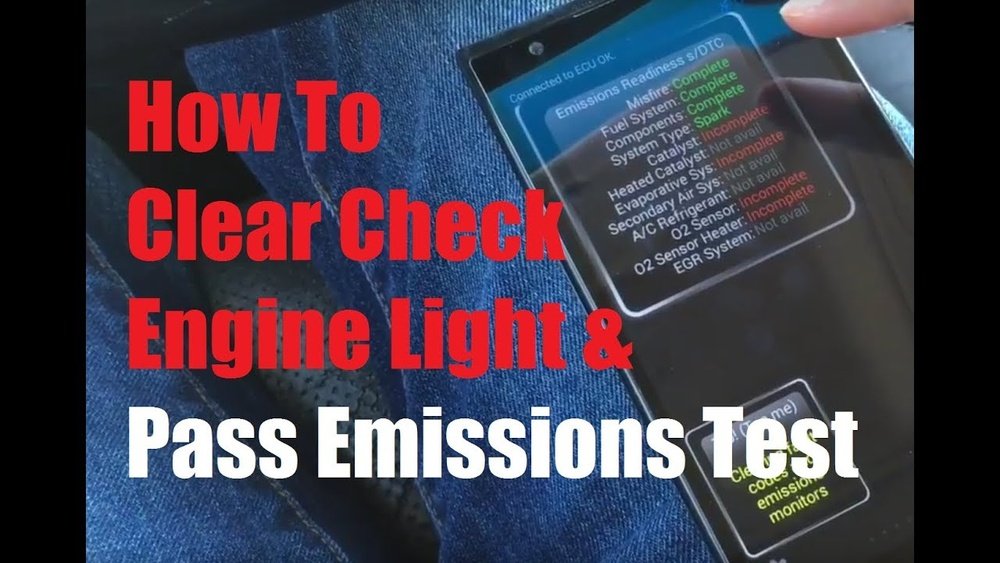
Once the drive cycle is complete, use the OBD-II scanner to check readiness monitors. These monitors show if the emissions systems passed their tests. All monitors must be “ready” to pass the emissions test.
If any monitors are “not ready,” continue driving and complete more drive cycles. Patience is important to reset the system fully.
When To Seek Professional Repairs
Knowing when to seek professional repairs is key to passing emissions with a check engine light on. Some problems are simple and can be fixed at home. Others need a trained mechanic’s attention. Ignoring serious issues can lead to failed tests and costly damage.
Professional help ensures your car meets emissions standards safely and correctly. Mechanics use special tools to find hidden faults. They fix problems thoroughly and prevent future failures. Choosing repair time wisely saves money and stress.
Signs Your Car Needs Professional Diagnostics
Persistent check engine light is a clear warning. If the light flashes or stays on after resets, get help. Strange noises, poor fuel economy, or rough idling also suggest serious trouble. Professionals can pinpoint exact causes fast.
Complex Issues Beyond Basic Repairs
Problems with the catalytic converter or oxygen sensors require expertise. Faulty wiring or computer errors are not easy fixes. Professionals have the right parts and knowledge to handle these safely. Trying to fix complex issues alone may worsen the problem.
Failing Previous Emissions Tests
Repeated test failures mean hidden issues remain. Professional repair shops can run full emissions diagnostics. They check all systems involved in pollution control. After thorough repairs, your vehicle has a better chance to pass.
Time Constraints And Test Deadlines
When the test date is near, quick and reliable fixes matter. Professionals can provide fast service and accurate repairs. Rushing fixes without expertise may not clear the check engine light. Trusting experts improves your odds to pass on time.

Credit: www.youtube.com
Frequently Asked Questions
How To Get Rid Of Check Engine Light To Pass Emissions?
Repair the underlying issue causing the check engine light. Clear codes with an OBD-II scanner. Drive to complete readiness monitors before testing.
Can I Pass An Emissions Test With My Engine Light On?
You usually cannot pass an emissions test with the engine light on. The light signals emission system problems. Repair issues first, then retest.
How To Pass Emissions Test Tricks?
Clear all engine codes with an OBD-II scanner before the test. Keep your gas tank over half full. Complete a full drive cycle to reset sensors. Fix any emission-related issues first to ensure the check engine light is off. Regular maintenance improves test chances.
Is There A Way To Bypass The Check Engine Light?
Bypassing the check engine light is not recommended. The light signals emission or engine issues that need repair.
Can I Pass Emissions With The Check Engine Light On?
Most states will fail a car if the check engine light is on. This light means your car has a problem affecting emissions. Fix the issue before testing to improve your chance of passing.
Conclusion
Passing an emissions test with the check engine light on is challenging. The light signals a problem that often fails the test. Fixing the issue first saves time and money. Use an OBD-II scanner to find error codes. Clear codes only after repairs and a full drive cycle.
A well-maintained car runs cleaner and passes tests easier. Don’t ignore warning signs or try shortcuts. Safe driving starts with a healthy engine and clean emissions. Stay prepared and keep your vehicle in good shape.