Should I Change Transmission Fluid After 150K Miles? Expert Advice
Have you hit the 150,000-mile mark on your car and started wondering, “Should I change my transmission fluid now?” You’re not alone. Many drivers aren’t sure if it’s necessary or even worth the hassle after so many miles.
But here’s the truth: your transmission fluid plays a huge role in keeping your car running smoothly and avoiding costly repairs. Ignoring it could mean trouble down the road. Keep reading, and you’ll learn exactly why this simple maintenance step might save you thousands and keep your ride feeling like new.

Credit: www.youtube.com
Signs You Need A Transmission Fluid Change
Transmission fluid plays a key role in keeping your car’s transmission running smoothly. Over time, this fluid can get dirty or lose its effectiveness. This can cause problems with your vehicle’s shifting and overall performance. Knowing the signs that your transmission fluid needs changing helps prevent bigger issues later.
Checking for these signs regularly can save you from costly repairs. Pay attention to how your car feels and sounds during drives. These clues often point to the need for fresh transmission fluid.
Unusual Shifting Or Slipping Gears
When the transmission fluid is old or low, shifting may feel rough. You might notice delays or slipping between gears. The car may hesitate or jerk during acceleration. These changes are common signs that the fluid needs replacing.
Burning Smell From The Transmission
Transmission fluid that is overheated or degraded can produce a strong burning odor. This smell often comes from the area near the transmission. The burning scent signals that the fluid is breaking down and losing its protective qualities.
Dark Or Dirty Transmission Fluid
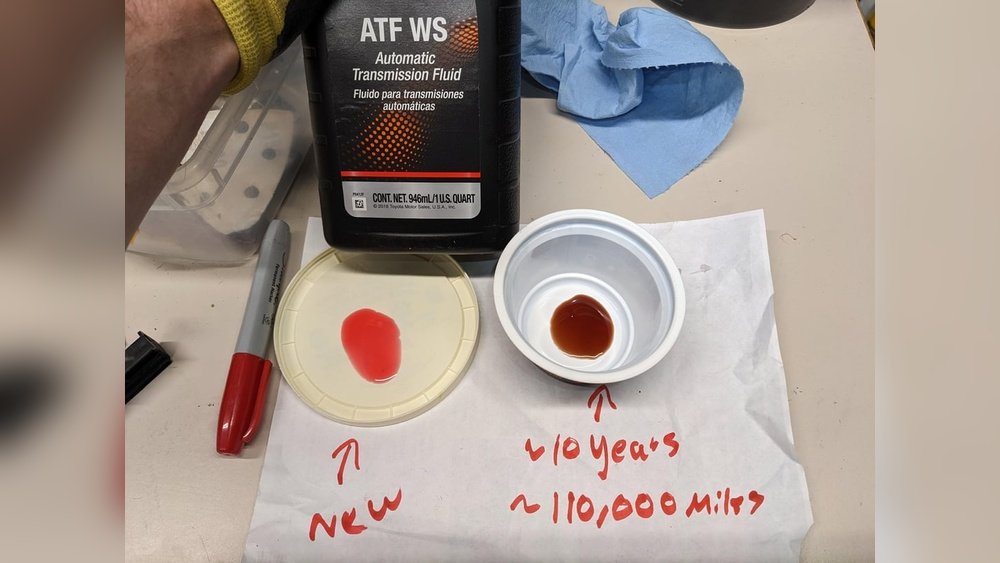
Fresh transmission fluid is bright red or pink. Over time, it turns darker and may look brown or black. You can check this by using the transmission dipstick. Dark, dirty fluid indicates it is time for a change.
Transmission Fluid Leaks
Finding red or brown fluid under your car can mean a leak. Transmission fluid leaks reduce the amount of fluid inside. Low fluid levels cause poor transmission function and damage. Leaks should be fixed, and fluid topped up or changed.
Warning Lights On The Dashboard
The check engine or transmission warning light may turn on. This alert can signal problems with the transmission system. It often means the fluid is old, low, or contaminated. Don’t ignore these dashboard warnings.

Credit: www.youtube.com
How Transmission Fluid Affects Vehicle Performance
Transmission fluid plays a vital role in your car’s overall performance. It keeps the transmission system running smoothly by lubricating moving parts. This reduces wear and prevents damage.
Good transmission fluid also helps with heat control. It carries heat away from the transmission to stop overheating. Overheating can lead to serious transmission problems.
Dirty or old transmission fluid loses its ability to protect and cool. This can cause rough shifting, slipping gears, or delayed response. These issues affect how well your car drives.
Lubrication And Wear Protection
Transmission fluid lubricates gears and other parts inside the transmission. Proper lubrication stops metal parts from grinding against each other. Without enough lubrication, parts wear out faster.
Worn parts may cause costly repairs or full transmission failure. Fresh fluid keeps all components moving smoothly and lasting longer.
Heat Dissipation
Transmission fluid helps cool the transmission by carrying heat away. High temperatures can break down fluid and damage parts. Cool fluid protects the transmission from heat damage.
Old fluid cannot absorb heat well, leading to overheating. Overheated transmissions often show poor performance and shortened life.
Smoother Gear Shifts
Transmission fluid allows gears to shift smoothly without jerking. Clean fluid ensures quick and precise gear changes. Dirty fluid causes rough or delayed shifting.
Bad shifts reduce driving comfort and can strain the transmission. Fresh fluid keeps gear changes smooth and responsive.
Manufacturer Recommendations And Guidelines
Understanding manufacturer recommendations is key to maintaining your vehicle’s transmission. Car makers test their vehicles extensively. They provide specific guidelines for fluid changes. These guidelines help keep your transmission running smoothly for a long time.
Following these rules can prevent costly repairs. It also helps your car perform better. Each car model has unique needs. This means the right time to change transmission fluid can differ.
Reading The Owner’s Manual
Your car’s owner’s manual is the best source for information. It lists the recommended intervals for transmission fluid changes. Manuals often suggest a range based on normal or severe driving conditions. Following these instructions can protect your transmission.
Different Recommendations For Various Transmissions
Automatic and manual transmissions require different care. Some manufacturers say automatic fluid never needs changing. Others recommend changes every 60,000 to 100,000 miles. Manuals usually need fluid changes more often. Knowing your transmission type is important for proper care.
Manufacturer Updates And Service Bulletins
Manufacturers sometimes update their advice after new research. Service bulletins may suggest earlier fluid changes for certain models. Check with your dealer or official websites for these updates. Staying informed can save you from unexpected issues.
Effects Of Driving Conditions On Recommendations
Hard driving, towing, or stop-and-go traffic can wear out fluid faster. Manufacturers often advise more frequent changes in these cases. Adjust your maintenance schedule to fit your driving habits. This helps keep the transmission healthy beyond 150,000 miles.
Risks Of Delaying Transmission Fluid Replacement
Delaying the replacement of transmission fluid after 150,000 miles can cause serious problems. Old fluid loses its ability to protect the transmission. Dirt and debris build up over time, causing damage. This leads to costly repairs and poor vehicle performance.
Ignoring transmission fluid changes shortens the life of your transmission. It affects how smoothly your car shifts gears. The risks grow higher the longer you wait.
Increased Transmission Wear And Tear
Old fluid cannot lubricate moving parts well. This causes metal parts to rub against each other. The friction wears down components faster. It leads to early breakdowns and expensive repairs.
Overheating And Fluid Breakdown
Dirty fluid cannot cool the transmission properly. Overheating breaks down the fluid faster. This cycle causes more damage and poor shifting. Heat stress weakens seals and causes leaks.
Poor Gear Shifting Performance
Thick or dirty fluid makes gear shifts rough. The transmission may slip or hesitate. This affects driving safety and comfort. Smooth shifting depends on clean, fresh fluid.
Costly Repairs And Potential Transmission Failure
Neglecting fluid changes can cause total transmission failure. Repairing or replacing a transmission is very expensive. Regular fluid changes are a low-cost way to avoid this.
Steps To Change Transmission Fluid Properly
Changing transmission fluid properly helps keep your car running smoothly. It protects the transmission from wear and tear. Following the right steps ensures the fluid change is done safely and effectively.
This process is simple but needs care. Use the correct tools and fluid type for your vehicle. Below are the main steps to change transmission fluid correctly.
Drain The Old Transmission Fluid
First, park your car on a flat surface. Let the engine cool down. Place a drain pan under the transmission. Remove the drain plug carefully. Let all the old fluid drain out. Replace the drain plug securely after draining.
Replace The Transmission Filter
Next, remove the transmission pan to access the filter. Take out the old filter gently. Clean the pan and the magnet inside. Install the new filter in place. Reattach the transmission pan with a new gasket.
Refill With Fresh Transmission Fluid
Use the recommended type of transmission fluid. Pour the fluid slowly into the transmission dipstick tube. Check the fluid level regularly to avoid overfilling. Add fluid until it reaches the correct mark on the dipstick.
Check For Leaks And Test Drive
Start the engine and let it run for a few minutes. Shift through all gears to circulate the fluid. Look under the car for any leaks. Take a short test drive to ensure smooth shifting. Recheck the fluid level and add more if needed.

Credit: www.reddit.com
Frequently Asked Questions
How Often Should Transmission Fluid Be Changed?
Transmission fluid usually needs changing every 30,000 to 60,000 miles. Check your vehicle’s manual for exact intervals. Older cars or heavy use may require more frequent changes.
What Happens If Transmission Fluid Is Not Changed?
Old fluid can cause poor shifting and overheating. This may lead to costly transmission damage. Keeping fluid fresh helps your transmission run smoothly.
Can High Mileage Affect Transmission Fluid Quality?
Yes, high mileage breaks down transmission fluid. It loses its ability to lubricate and cool the parts. Changing fluid after 150K miles can protect your transmission.
Is It Safe To Change Transmission Fluid After 150k Miles?
Changing fluid late is better than not changing it at all. It can improve shifting and reduce wear. Always use the right fluid type for your car.
Conclusion
Changing transmission fluid after 150,000 miles can help your car run smoothly. Old fluid may cause wear and damage to parts. Fresh fluid keeps the transmission cool and clean. Check your owner’s manual for specific advice. A quick fluid change can save costly repairs later.
Don’t wait until problems start. Taking care of your transmission helps your car last longer. Small steps now mean big savings down the road. Think of it as simple car care that pays off.