Should You Replace Ignition Coils With Spark Plugs: Essential Guide
Are you wondering if you should replace your ignition coils along with your spark plugs? It’s a common question that can save you time, money, and headaches if you get it right.
Ignition coils and spark plugs work closely together to keep your engine running smoothly. But should you swap them out at the same time, or only replace the part that’s clearly causing trouble? Knowing when to replace both and when it’s okay to change just one can make all the difference in your car’s performance and longevity.
Keep reading to find out exactly when you should replace ignition coils with spark plugs—and when you don’t need to. Your engine will thank you!

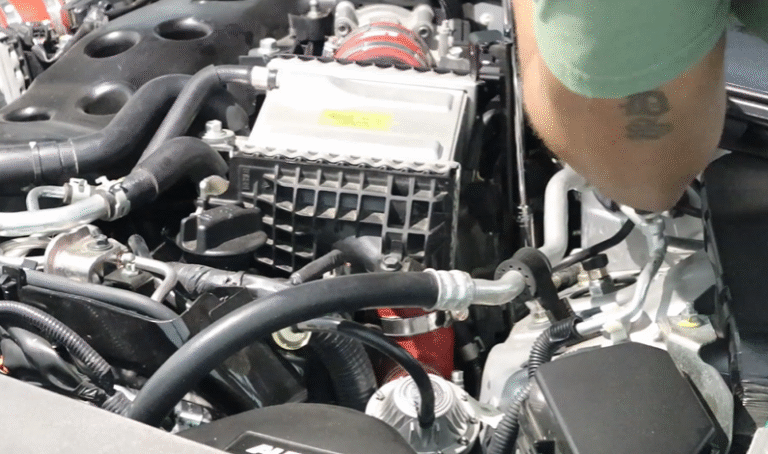
Credit: stevesautorepairva.com
Ignition Coils And Spark Plugs Basics
Ignition coils and spark plugs work closely to start your engine. Each part has a unique job to keep your car running smoothly.
The ignition coil changes the car battery’s low voltage into a high voltage. This high voltage creates a spark at the spark plug. The spark plug uses this spark to ignite the fuel-air mixture in the engine’s cylinders.
What Is An Ignition Coil?
An ignition coil is a small electrical transformer. It takes 12 volts from the battery and boosts it to thousands of volts. This power is needed to create a spark in the spark plug.
Without a working ignition coil, the engine will not start or run properly. The coil sends strong sparks that ignite the fuel.
What Is A Spark Plug?
A spark plug is a device that fits into the engine cylinder head. It creates a spark that lights the fuel mixture in the engine. This spark powers the engine and keeps it running.
Spark plugs wear out over time. Old or dirty spark plugs can cause rough idling and poor fuel efficiency.
How Do They Work Together?
The ignition coil sends high voltage to the spark plug. The spark plug then creates a spark inside the engine cylinder. This sparks the fuel and air mixture to start combustion.
Both parts must work well for the engine to run smoothly. A bad coil or worn spark plug can cause misfires and engine trouble.

Credit: www.youtube.com
Signs You Should Replace Both
Replacing ignition coils and spark plugs at the same time can save time and money. Both parts work closely to keep your engine running smoothly. Ignoring one can cause the other to fail sooner. Watch for signs that suggest it is time to replace both parts together. This helps avoid future car troubles and improves engine performance.
Engine Misfires Or Rough Idling
Engine misfires often point to problems with ignition coils or spark plugs. If your engine runs rough or stalls, both parts may be worn out. Replacing only one may not fix the issue completely.
Decreased Fuel Efficiency
Old or damaged ignition coils and spark plugs reduce fuel efficiency. You may notice your car uses more gas than usual. Changing both parts can restore proper fuel burning.
Difficulty Starting The Vehicle
Hard starts can mean weak sparks from coils or plugs. Replacing both ensures a stronger spark for quick engine start. It reduces the chance of repeated starting problems.
Check Engine Light Turns On
A glowing check engine light can signal ignition system faults. Codes often relate to coil or spark plug failures. Changing both helps clear the warning and fix the root cause.
High Mileage Or Long Time Since Last Replacement
Cars with high mileage often need new coils and plugs. Age wears out both parts even if no clear symptoms appear. Replacing both prevents future breakdowns and engine damage.
When To Replace Only One
Replacing ignition coils and spark plugs together is common advice. Yet, sometimes only one part needs replacement. Knowing when to replace just one saves money and effort.
Vehicles with low mileage and no performance issues may only need one component replaced. Diagnosing the exact problem helps decide which part to change.
Signs That Point To Replacing Only Ignition Coils
If the engine misfires or stalls but spark plugs look fine, coils might be the problem. Faulty coils can cause weak sparks and rough idling. Testing each coil individually helps confirm the issue.
When Spark Plugs Alone Need Replacement
Worn or fouled spark plugs cause poor fuel economy and hard starts. If coils are in good condition, replacing just the plugs makes sense. Regular maintenance schedules often suggest spark plug replacement first.
Assessing The Condition Of Both Parts
Visual inspection and engine diagnostics guide your choice. Spark plugs with heavy deposits or damage need changing. Coils showing cracks or burn marks require replacement. This targeted approach avoids unnecessary expenses.
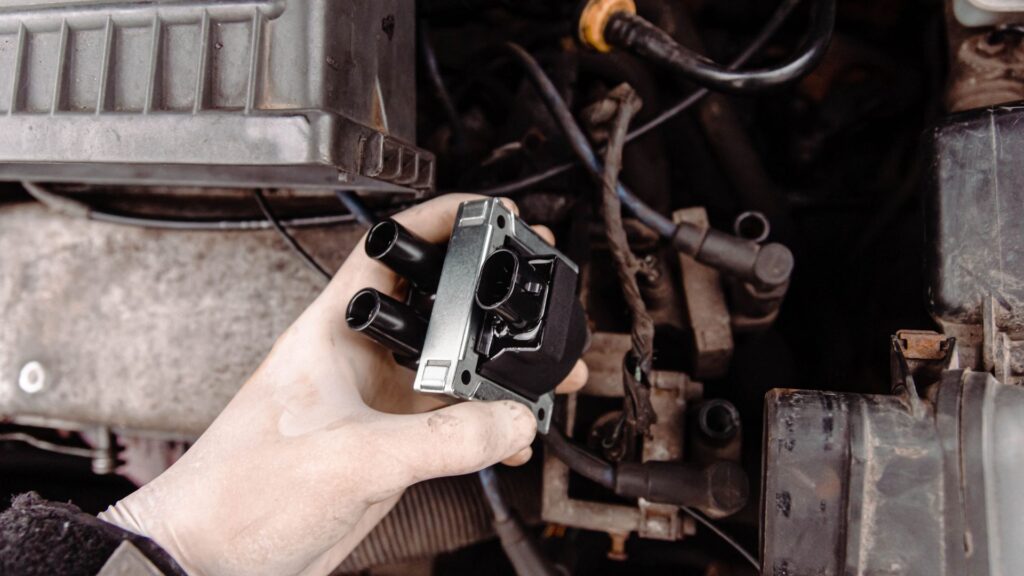
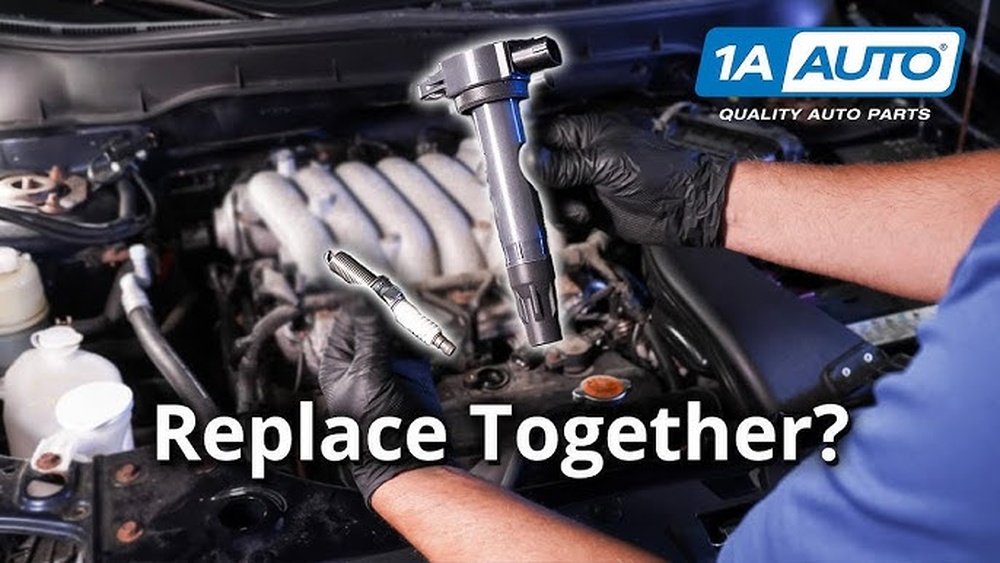
Credit: www.grewalsautomotive.com
Impact On Engine Performance
Engine performance drops when ignition coils or spark plugs fail, causing misfires and rough idling. Replacing both ensures smoother starts and better fuel efficiency. Ignoring worn parts can lead to poor acceleration and higher emissions.
Ignition coils and spark plugs both play key roles in engine performance. The ignition coil sends voltage to the spark plug. The spark plug then creates the spark to ignite the fuel-air mix. If either part fails, the engine runs poorly.
Replacing only the ignition coils may not fix all performance problems. Old or worn spark plugs can cause weak sparks. This leads to misfires, rough idling, and less power. The engine may consume more fuel too.
Changing spark plugs alone might not solve issues if the ignition coils are faulty. Bad coils can cause weak or no spark. This results in poor acceleration and hard starts. Replacing both parts can restore smooth engine running.
Effects Of Worn Spark Plugs
Worn spark plugs cause slow ignition and incomplete combustion. This reduces engine power and efficiency. The car may hesitate during acceleration. Fuel consumption can increase due to poor burning of fuel.
Old plugs also put extra strain on ignition coils. Coils work harder to create a spark. This can cause coils to overheat and fail early. Changing spark plugs helps protect ignition coils and keeps performance steady.
Consequences Of Faulty Ignition Coils
Faulty ignition coils lead to weak or no spark. The engine may misfire frequently. This causes vibrations and rough running. Fuel efficiency drops as the engine struggles to run smoothly.
Coil failure can damage other parts. It may cause spark plugs to foul or wear quickly. Replacing ignition coils restores proper spark timing. This improves engine power and reduces emissions.
Why Replace Both Together?
Replacing ignition coils and spark plugs at the same time saves labor costs. Both parts are often close to each other in the engine. Changing them together avoids repeated work.
New spark plugs and coils work well as a team. This ensures strong, reliable sparks. The engine runs smoother and starts easier. Fuel economy and overall performance improve noticeably.
Replacement Tips And Best Practices
Replacing ignition coils and spark plugs requires care and the right approach. Proper steps extend engine life and improve performance. Follow these tips and best practices for a smooth replacement process.
Prepare Your Tools And Workspace
Gather all necessary tools before starting. Use a socket set, torque wrench, and dielectric grease. Work in a clean, well-lit area to avoid losing small parts.
Disconnect The Battery
Always disconnect the car battery first. This step prevents accidental shocks and protects electronic components. Safety comes first during any electrical work.
Remove Old Ignition Coils Carefully
Handle ignition coils gently to avoid damage. Unplug connectors slowly and note their positions. Use proper tools to remove bolts without stripping them.
Inspect Spark Plugs And Replace If Needed
Check spark plugs for wear, carbon buildup, or cracks. Replace worn plugs to avoid coil damage. New plugs help the engine run smoothly and efficiently.
Apply Dielectric Grease
Use dielectric grease on ignition coil boots. This prevents moisture buildup and ensures a good electrical connection. Grease also makes future removal easier.
Tighten Components To Manufacturer Specs
Use a torque wrench to tighten bolts correctly. Over-tightening can crack coils or plugs. Under-tightening may cause loose connections and engine misfires.
Test The Engine After Replacement
Start the engine and listen for rough idling or misfires. Check for warning lights on the dashboard. A smooth start shows a successful replacement.
Frequently Asked Questions
How Often Should I Replace Ignition Coils?
Replace ignition coils every 60,000 to 100,000 miles or when experiencing misfires, rough idling, or poor fuel economy.
What Kills Spark Plugs Quickly?
Overheating, oil or fuel contamination, incorrect spark plug gaps, and poor engine maintenance kill spark plugs quickly.
Can Ignition Coils Last 200,000 Miles?
Ignition coils can last up to 200,000 miles with proper maintenance. However, heat and wear often reduce their lifespan. Regular checks help prevent failure and maintain engine performance.
Can I Replace Ignition Coils And Spark Plugs On My Own?
Yes, you can replace ignition coils and spark plugs yourself if you have basic tools and mechanical knowledge. Follow safety precautions carefully.
Should I Replace Spark Plugs When Changing Ignition Coils?
Replacing spark plugs during ignition coil replacement is recommended. Old or worn plugs can cause coil failure and poor engine performance. Changing both saves time and ensures better vehicle reliability.
Conclusion
Replacing ignition coils does not always require new spark plugs. Still, changing both can save time and prevent future problems. Worn spark plugs strain ignition coils, causing early failure. Check your vehicle’s mileage and condition to decide. Regular maintenance keeps your engine running smooth and efficient.
Taking care of both parts together often improves performance and fuel economy. Remember, proper care avoids costly repairs later on. Choose wisely based on your car’s needs.