How Often Should You Replace Rotors And Brake Pads: Essential Guide
When was the last time you checked your brake pads and rotors? If you’re like most drivers, you probably don’t think about them until you hear a squeal or feel a vibration while braking.
But knowing how often to replace your rotors and brake pads is crucial for your safety and your wallet. Ignoring worn brakes can lead to costly repairs or, worse, dangerous driving conditions. You’ll discover clear signs to watch for, how to tell when it’s time for a replacement, and tips to extend the life of your brakes.
Keep reading to protect yourself on the road and avoid unexpected breakdowns.
Brake Pad Replacement Frequency
Brake pads play a key role in your car’s safety. They wear down over time and need regular replacement. Knowing how often to change them helps avoid accidents and costly repairs. The frequency depends on mileage, driving style, and pad quality. Stay alert to keep brakes effective and your drives safe.
Typical Mileage Intervals
Brake pads usually last between 30,000 and 70,000 miles. This range varies by vehicle type and pad material. Some pads wear faster due to softer compounds. Others, like ceramic pads, can last longer. Check your car’s manual for specific recommendations. Regular inspections help track pad wear and plan replacements.
Signs Your Pads Need Changing
Squeaking or squealing noises signal worn brake pads. A grinding sound means pads may be gone completely. You might feel vibrations when braking or notice reduced stopping power. Brake warning lights on your dashboard are a clear alert. Visual checks can also show if the pads are thin or cracked.
Impact Of Driving Habits
Stop-and-go city driving wears pads faster than highway driving. Frequent hard braking and carrying heavy loads increase wear. Driving in hilly areas demands more brake use. Smooth, gentle braking extends pad life. Adjust your driving style to protect your brake system and save money on repairs.

Credit: www.powerstop.com
Rotor Replacement Timing
Rotors play a crucial role in your vehicle’s braking system. They work with brake pads to slow down or stop your car safely. Over time, rotors wear down and need replacement to keep braking effective. Knowing the right time to replace rotors helps avoid accidents and costly repairs.
Several signs indicate when rotors must be replaced. Paying attention to these signs can save you money and keep your driving safe.
When Rotors Wear Out
Rotors wear out from constant friction with brake pads. This wear causes the rotor surface to thin and develop grooves. Deep grooves reduce braking power and cause noise. You may feel vibrations when braking if rotors are worn. Most rotors last between 30,000 and 70,000 miles but check yours regularly.
Minimum Thickness Guidelines
Each rotor has a minimum thickness limit set by the manufacturer. Thinner rotors cannot absorb heat well and may crack. Mechanics measure rotor thickness during brake checks. Replace rotors once they reach this minimum thickness. Using rotors thinner than recommended risks brake failure.
Effects Of Warped Rotors
Heat and stress can warp rotors, causing uneven surfaces. Warped rotors cause brake pedal pulsation or shaking. This makes controlling the car harder and reduces safety. Warped rotors also wear brake pads unevenly. Replace warped rotors quickly to restore smooth braking and avoid further damage.
Pad And Rotor Inspection Tips
Regular inspection of brake pads and rotors is vital for safe driving. Checking these parts helps spot wear early. This prevents brake failure and costly repairs. Simple inspection methods save time and money. Learn easy ways to check brake pads and rotors yourself.
Visual Checks
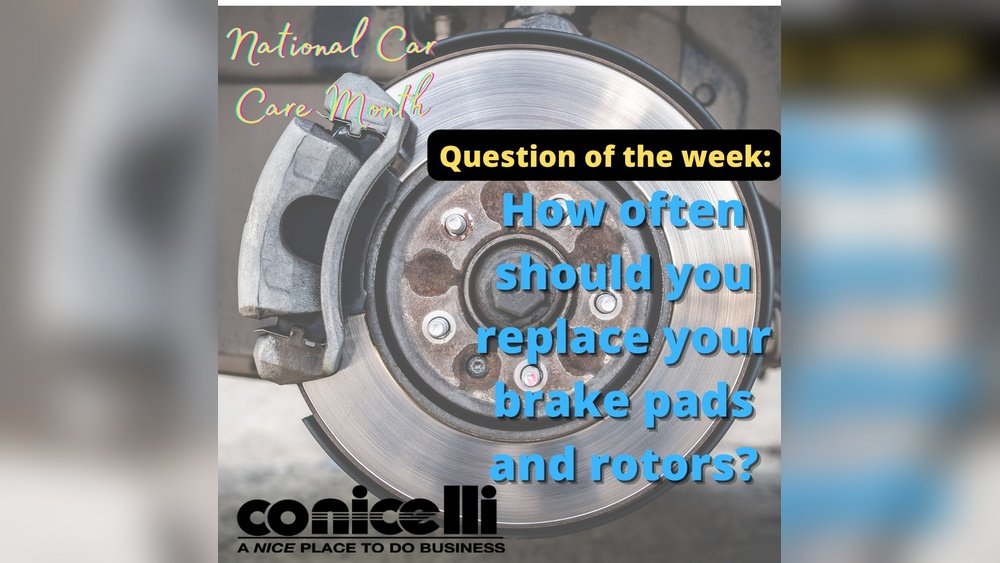
Look through the wheel spokes to see the brake pads. Pads should be at least 1/4 inch thick. Thin pads need replacing soon. Check rotors for deep grooves or cracks. Smooth, even surfaces mean good rotors. Rust or rough spots signal rotor problems. Clean dirt off for a clear view.
Measuring Rotor Thickness
Use a micrometer to measure rotor thickness. Find the minimum thickness in your car manual. If the rotor is thinner, replace it. Thin rotors can cause brake failure. Measure at several points around the rotor. Uneven thickness means the rotor may warp. Accurate measurement keeps brakes working well.
Listening For Brake Noises
Listen for squealing or grinding sounds when braking. Squeals usually mean worn pads. Grinding sounds mean pads are gone, and rotors may be damaged. Strange noises need quick attention. Ignoring sounds risks brake failure. Noises help know when to inspect and replace parts.

Credit: www.hawkperformance.com
Resurfacing Versus Replacing Rotors
Rotors are a key part of your vehicle’s braking system. Over time, they can wear down or get damaged. Deciding whether to resurface or replace rotors depends on their condition. Both options aim to restore safe and smooth braking. Understanding the difference helps you make the right choice.
Benefits Of Resurfacing
Resurfacing removes a thin layer of the rotor’s surface. This process fixes minor grooves and uneven wear. It can extend the rotor’s life without the cost of new parts. Resurfaced rotors offer a smooth surface for the brake pads. This improves braking performance and reduces noise. It is a quick and affordable option if the rotor is still thick enough.
When Replacement Is Necessary
Rotors must be replaced if they are too thin after resurfacing. Deep cracks or severe warping also mean replacement is needed. Safety is the top priority; worn or damaged rotors can cause brake failure. If resurfacing cannot restore the rotor’s surface evenly, replacement is the best choice. New rotors ensure consistent braking and prevent vibration or pulling. Always check your vehicle’s manual for minimum rotor thickness.
Extending Brake Component Lifespan
Extending the lifespan of brake components saves money and ensures safety. Brake pads and rotors wear down with use. Gentle care and smart habits can slow this process. Understanding how to protect these parts helps maintain smooth braking and avoids premature replacements.
Driving Techniques
Brake gently and avoid sudden stops. Gradual braking reduces friction and heat. Avoid riding the brakes on hills or in traffic. Use engine braking by downshifting on slopes. This lessens pressure on brake pads and rotors.
Routine Maintenance
Check brake components regularly for wear or damage. Clean brake dust and debris from wheels and pads. Ensure brake fluid levels are correct to avoid system strain. Replace brake fluid as recommended by the vehicle maker. Early detection of issues prevents costly repairs later.
Quality Parts Selection
Choose brake pads and rotors made from durable materials. OEM or high-quality aftermarket parts last longer. Avoid cheap parts that wear quickly and reduce safety. Quality parts provide better heat resistance and performance. Investing in good parts extends overall brake system life.

Credit: vatire.com
Frequently Asked Questions
How Long Do Pads And Rotors Usually Last?
Brake pads typically last 30,000 to 70,000 miles, depending on driving habits. Rotors usually last 50,000 to 70,000 miles. Replace rotors if they warp, crack, or wear below the minimum thickness. Regular inspections help ensure safety and optimal brake performance.
What Is The 30 30 30 Rule For Brakes?
The 30 30 30 rule for brakes means replacing brake pads every 30,000 miles, rotors every 30,000 miles, or when rotor thickness drops 30%.
How Much Does It Cost To Replace All 4 Brake Pads And Rotors?
Replacing all 4 brake pads and rotors typically costs between $300 and $800. Prices vary by vehicle and location.
Can Rotors Last 100,000 Miles?
Rotors rarely last 100,000 miles due to wear and heat damage. Regular inspection and replacement ensure safe braking performance.
How Often Should Brake Pads Be Replaced?
Brake pads usually last between 30,000 to 70,000 miles. Driving habits and road conditions can change this timing. Check them regularly to avoid damage.
Conclusion
Regularly checking your brake pads and rotors keeps your car safe. Brake pads usually last between 30,000 and 70,000 miles. Rotors may need replacement less often, unless they are warped or worn thin. Listen for squeaking or grinding sounds—signs your brakes need attention.
Proper maintenance helps avoid costly repairs later. Stay alert and replace parts as needed to ensure smooth, reliable braking every time you drive.