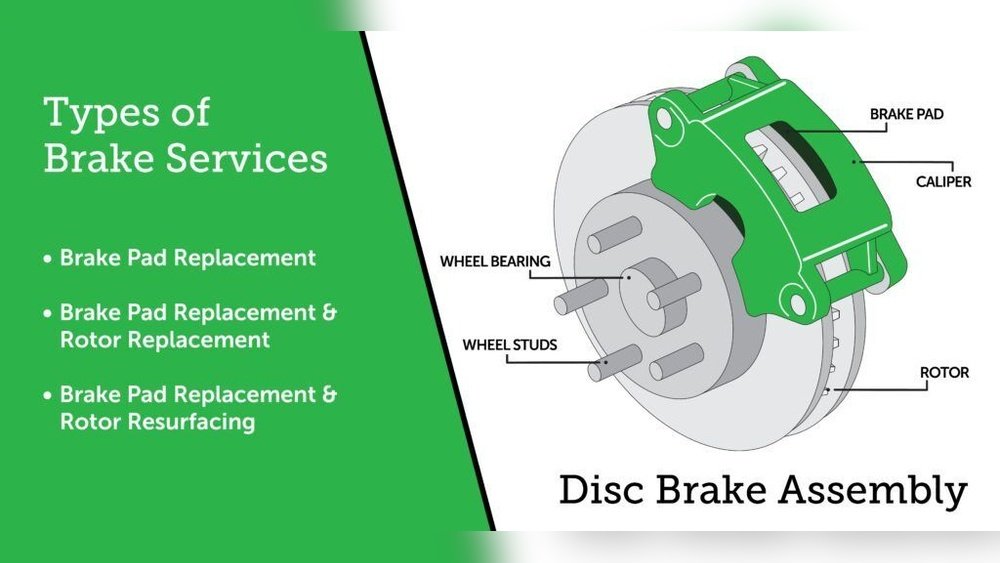
Should You Replace Rotors When Replacing Brake Pads? Expert Guide
When it’s time to replace your brake pads, you might wonder if you should replace the rotors too. You want your car to stop safely and smoothly, but making the wrong choice could cost you more money or even put your safety at risk.
So, how do you decide? Should you always replace rotors with pads, or are there times when it’s okay to keep the old ones? Keep reading to find out what experts say and how you can make the best decision for your car—and your peace of mind.

Credit: www.youtube.com
When To Replace Rotors
Rotors play a key role in your vehicle’s braking system. They work with brake pads to stop your car safely. Knowing when to replace rotors is important. It keeps your brakes working well and your drives safe. Below are clear signs and tips to help decide if your rotors need replacement.
Signs Of Worn Rotors
Listen for squealing or grinding sounds when braking. These noises often mean the rotor surface is damaged. Feel for vibrations or pulsing in the brake pedal. This can mean the rotors are warped or uneven. Look for long grooves or scoring on the rotor surface. Deep lines can reduce braking power. Any crack on the rotor is a serious sign. Cracked rotors can fail and cause accidents.
Rotor Thickness And Safety
Rotors have a minimum thickness set by the manufacturer. This thickness ensures safe braking performance. Using a micrometer or caliper can measure rotor thickness. If the rotor is thinner than the limit, replace it. Thin rotors overheat easily and warp faster. Thicker rotors handle heat better and last longer. Safety depends on keeping rotors within the right thickness.
Visual Inspection Tips
Check rotors in good light for clear signs of damage. Look at the rotor edges for rust buildup or sharp wear. Surface rust is normal but heavy rust weakens rotors. Inspect both sides of the rotor carefully. Uneven wear on one side means problems with brakes. Clean rotors with brake cleaner before inspection. Dirty rotors can hide cracks or grooves. Visual checks help catch issues early and avoid costly repairs.

Credit: www.reddit.com
Benefits Of Replacing Rotors
Replacing brake rotors along with brake pads offers clear benefits. It helps keep your vehicle safe and running smoothly. New rotors work better with new pads, making braking more effective. This simple step can save money and reduce risks on the road.
Improved Brake Performance
New rotors provide a smooth surface for the brake pads. This improves the grip and stopping power of the brakes. You will notice quicker stops and less brake noise. Worn rotors can cause vibrations that reduce control. Fresh rotors help you brake with confidence every time.
Longer Lifespan For Pads
Old rotors can wear down new brake pads fast. Rough or uneven rotors damage the pad material quickly. Installing new rotors means pads wear evenly and last longer. This lowers the cost and frequency of brake repairs. You get better value from your brake pads.
Enhanced Safety
Good brakes are essential for safe driving. New rotors and pads work together to stop your car reliably. Worn rotors increase the risk of brake failure or accidents. Replacing rotors reduces the chance of brake fade on long drives. It helps maintain safe stopping distances in emergencies.
Risks Of Not Replacing Rotors
Not replacing rotors while changing brake pads can cause serious problems. Rotors work with pads to stop your vehicle safely. Worn or damaged rotors reduce the brakes’ effectiveness. This creates risks for your safety and the car’s performance.
Reduced Braking Efficiency
Old or warped rotors make brakes less effective. The brake pads cannot grip the surface properly. This leads to longer stopping distances. Poor braking can cause accidents, especially in emergencies.
Increased Wear On Pads
Damaged rotors wear down new brake pads faster. Uneven rotor surfaces cause pads to wear unevenly. This shortens the life of your new pads. It means more frequent and costly replacements.
Potential Brake Failure
Ignoring rotor replacement increases the risk of brake failure. Deep grooves or cracks on rotors can cause pads to slip. This can lead to sudden loss of braking power. Brake failure puts you and others in danger.
Cost Considerations
Cost plays a big role when deciding to replace rotors with brake pads. Brake repair can get expensive fast. Knowing the costs helps you plan your budget well. It also helps you choose the best option for your car.
Rotor Replacement Expenses
Rotors cost more than brake pads. Prices depend on car type and rotor quality. Labor fees add to the total cost. Some cars need special rotors that cost extra. Expect to pay between $200 and $400 for parts and labor.
Balancing Quality And Price
Cheap rotors may save money now but wear out fast. High-quality rotors last longer and work better. Choosing mid-range rotors often gives good value. Think about safety and performance, not just price. A good balance keeps your brakes reliable and affordable.
Long-term Savings
Replacing rotors with pads can save money later. New rotors prevent uneven wear on new pads. This means fewer repairs over time. Worn rotors can cause brake problems early. Spending more now can reduce future repair costs and hassles.
Diy Vs Professional Replacement
Replacing brake pads can improve your vehicle’s stopping power. The question is: should you also replace the rotors? Many car owners face this choice. Some prefer to do it themselves. Others choose a professional mechanic. Both options have benefits and challenges.
Doing the job yourself can save money. You control the process and learn new skills. Professionals bring experience and the right tools. They often finish the work faster and with fewer problems. Understanding the difference helps you decide what’s best for you.
Tools Needed For Rotor Change
Changing rotors requires specific tools. You need a jack and jack stands to lift the car safely. A lug wrench removes the wheel bolts. A socket set helps take off calipers and old rotors. A C-clamp or brake piston tool pushes the caliper piston back. Some cars require a torque wrench to tighten bolts correctly. Having all these tools is essential for a smooth rotor change.
Common Challenges
Rotors can be stuck due to rust or dirt. Removing them may need extra force or penetrating oil. Caliper bolts might be tight or seized. Brake dust and grime can make the job messy. Aligning new rotors and pads takes patience. Mistakes can cause brake noise or poor performance. Time and care are important to avoid these issues.
When To Seek Expert Help
Rotors with deep grooves or warping need professional inspection. If you lack tools or space, a mechanic is safer. Strange noises or vibrations after replacement call for expert advice. Complex brake systems with sensors may require special knowledge. Choosing a professional ensures proper installation and safety. It protects you from costly repairs later on.
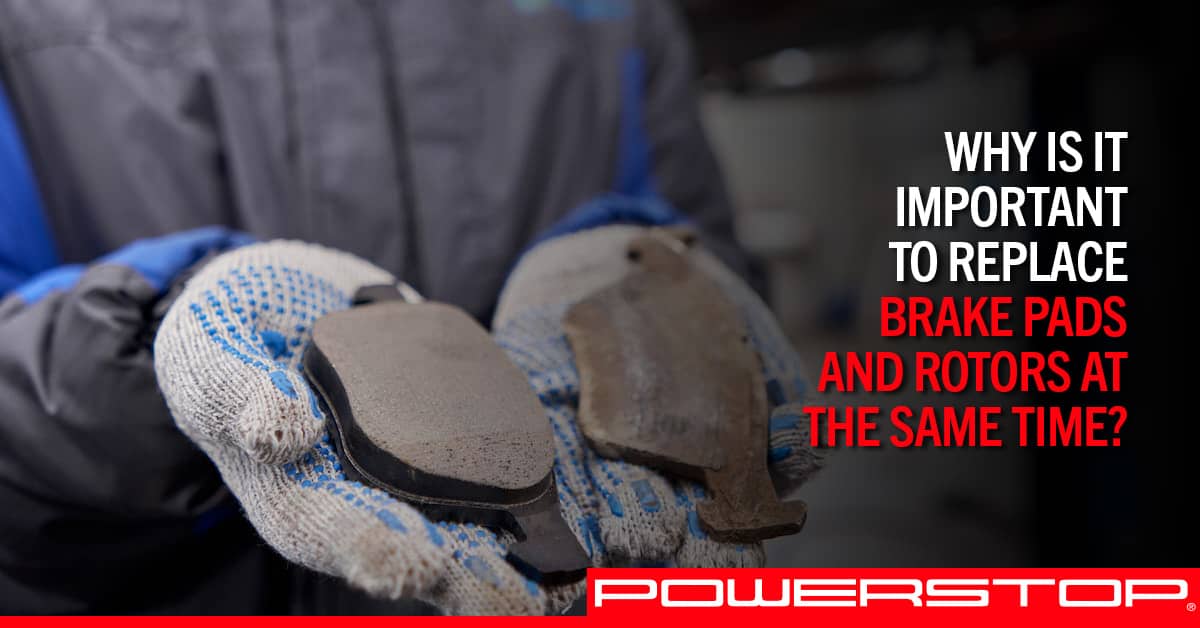
Credit: www.powerstop.com
Frequently Asked Questions
Should I Replace Rotors Every Time I Change Brake Pads?
Rotors do not always need replacement with brake pads. Check for deep grooves, warping, or thinning. If damaged, replacing rotors ensures safe braking.
How Do Worn Rotors Affect Brake Pad Performance?
Worn rotors cause uneven pad wear and reduce stopping power. This can lead to noise, vibrations, and longer stopping distances. Good rotors help pads work properly.
Can I Resurface Rotors Instead Of Replacing Them?
Resurfacing removes minor rotor damage and smooths the surface. It’s a cheaper option but only works if the rotor thickness is safe. Severely damaged rotors must be replaced.
What Are Signs That Rotors Need Replacement?
Look for visible cracks, deep grooves, or a burning smell. Also notice if brakes pulse or vibrate during stopping. These signs mean rotors likely need replacing.
Conclusion
Replacing rotors with brake pads often improves your car’s safety and performance. Worn rotors can cause brake noise and reduce stopping power. New brake pads on old rotors wear out faster and may lead to uneven braking. Checking rotor condition helps you decide if replacement is necessary.
Choosing to replace rotors can save money on future repairs. Clean, smooth rotors make brakes work better and last longer. Think about how you use your car and the rotor’s condition. This simple step keeps your braking system reliable and safe on the road.