What Happens If You Overfill Your Car with Oil Expert 2027
Overfilling your car’s engine oil can lead to serious mechanical damage, including seal leaks, oil foaming, and catalytic converter failure. It’s crucial to understand the immediate symptoms and take proven steps to drain excess oil to prevent costly engine repairs.
Overfilling your car’s engine with oil, even by a seemingly small amount, can lead to significant and costly damage, potentially sidelining your vehicle or requiring extensive repairs by 2027 standards. Unlike running low on oil, which starves components, excessive oil creates a cascade of mechanical issues that compromise engine health and performance. Recognizing the signs and understanding the underlying mechanical stresses is crucial for any car owner looking to maintain their vehicle’s longevity and avoid an unexpected garage visit.
This isn’t just about an inconvenience; it’s about protecting one of your most valuable assets. Ignoring an overfill can lead to a domino effect, from compromised seals to catalytic converter failure, culminating in reduced engine lifespan. Knowing what to look for and why these problems occur empowers you to act swiftly, preventing minor mishaps from escalating into major, budget-draining repairs.
Key Takeaways
- Overfilling risks severe engine damage.
- Watch for smoke, leaks, and burning smells.
- Oil foaming reduces crucial lubrication.
- Drain excess oil promptly to prevent issues.
- Always verify oil levels accurately.
What Happens: Real Symptoms of Overfilled Car Engine Oil
When your engine oil level exceeds the “full” mark, your car will often give you clear indications that something is amiss. These symptoms are not always subtle and should prompt immediate attention. Ignoring them risks severe internal damage.
Visible Indicators of an Oil Overfill
- Exhaust Smoke: One of the most common signs is blue-tinged smoke billowing from the exhaust. This indicates that excess oil is being forced past seals or piston rings and is burning in the combustion chambers. This isn’t just a visual nuisance; it signals oil consumption and potential damage to emission control systems.
- Oil Leaks: Increased pressure within the crankcase, due to the higher oil volume, can force oil past seals and gaskets not designed for such strain. You might notice fresh oil puddles under your car, particularly around valve covers, the oil pan gasket, or the main seals. These leaks are not just messy; they signify compromised integrity.
- Burning Oil Smell: As oil leaks onto hot engine components like the exhaust manifold, it vaporizes, creating a distinct burning smell noticeable inside or outside the cabin. This aroma is a direct indicator of oil escaping its intended pathways.
Performance and Auditory Clues
- Reduced Engine Performance: You might experience a noticeable drop in acceleration, a sluggish engine response, or even a feeling like the engine is “struggling.” This is often due to the crankshaft splashing through the excess oil, creating drag and robbing horsepower. Modern engines, especially those with advanced electronic controls from 2027, are sensitive to such imbalances.
- Rough Idle or Stalling: Spark plug fouling, caused by burning oil in the combustion chambers, can lead to misfires, a rough, uneven idle, or even unexpected engine stalling. This directly impacts drivability and can activate your “check engine” light.
- Unusual Engine Noises: A distinct “foaming” or “gurgling” sound might emanate from the engine bay. This noise is often attributed to the crankshaft churning the excess oil, aerating it into a frothy mixture that doesn’t lubricate effectively. Bearings or other components may also emit knocking or tapping sounds as they receive insufficient lubrication due to the aerated oil.
Why Overfilling Damages Your Engine: The Expert Mechanical Reasons
The consequences of an oil overfill extend far beyond just visible symptoms, delving into critical mechanical failures that can severely impact your engine’s longevity and performance. Understanding these expert-level reasons highlights the urgency of addressing an overfill.
Crankshaft Resistance and Oil Aeration
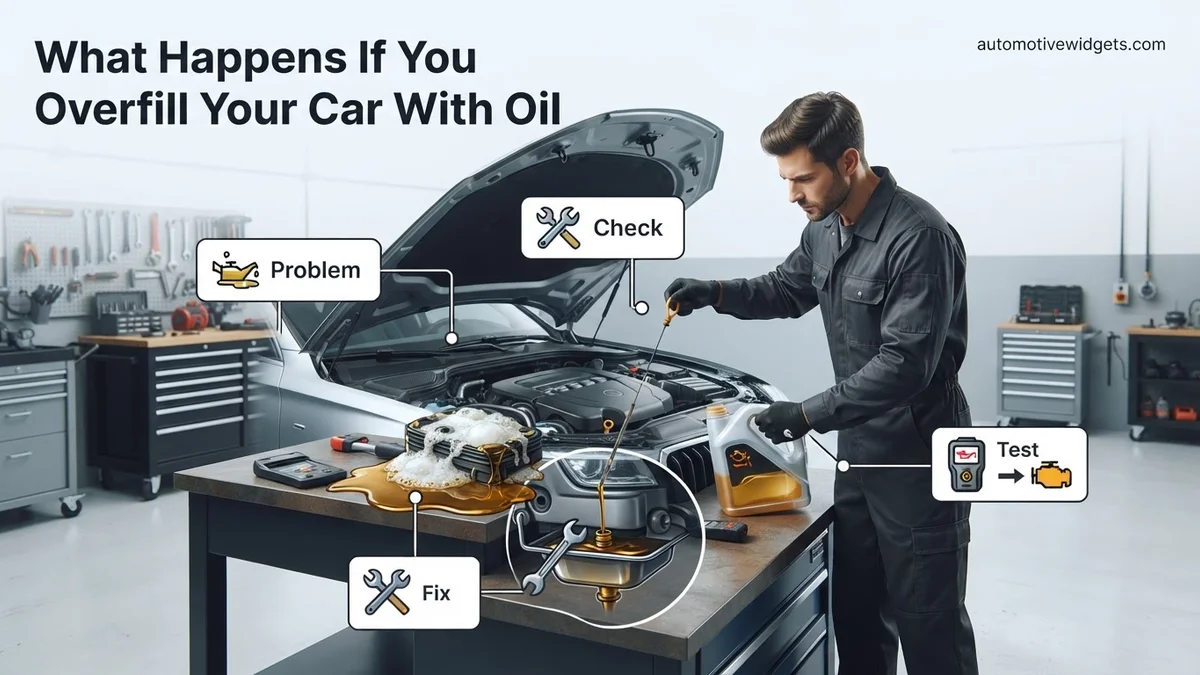
At the heart of the problem is the crankshaft. Its primary role is to convert the pistons’ linear motion into rotational energy. In a properly filled engine, the crankshaft spins above the oil level in the oil pan. However, with excessive oil, the spinning crankshaft dips into the oil bath. This direct contact creates significant hydraulic resistance, forcing the engine to work harder and reducing power output. More critically, this churning action whips air into the oil, creating foam. This “aerated oil” has a drastically reduced ability to lubricate vital engine components. Imagine trying to lubricate with a frothy milkshake instead of thick, smooth oil. This leads to:
- Reduced Lubrication Effectiveness: Foamed oil lacks the necessary film strength to protect metal-on-metal surfaces. Air bubbles displace oil, leading to boundary layer lubrication or even direct metal contact.
- Accelerated Component Wear: Bearings (main, rod), camshafts, and lifters, which rely on a continuous film of oil for protection, experience increased friction and wear. This dramatically shortens their lifespan and can lead to expensive internal engine repairs.
- Overheating: Friction generates heat. With inadequate lubrication, components rub harder, causing localized hotspots and contributing to overall engine temperature spikes.
Pressure Buildup and Seal Failures
An overfilled engine also inherently increases pressure within the crankcase. The crankcase ventilation system (PCV system) is designed to manage normal blow-by gases, but it’s not equipped to handle the additional volume and pressure generated by excess oil and its aeration. This elevated pressure seeks the path of least resistance, which often means forcing its way past the engine’s seals and gaskets:
- Blown Seals and Gaskets: Oil pan gaskets, valve cover gaskets, front and rear main seals, and even camshaft seals are particularly vulnerable. The increased internal pressure can literally push these seals out of their seated positions, leading to significant oil leaks and potentially catastrophic oil loss.
- Catalytic Converter Damage: When excess oil is forced into the combustion chambers and burns, it produces deposits that can contaminate and clog the catalytic converter. This critical emission control component can become permanently damaged, leading to reduced engine performance, increased emissions, and a repair bill that can easily run into thousands of dollars in 2027.
- Spark Plug Fouling: Burning oil leaves behind ash and carbon deposits on spark plugs, leading to fouling. This impairs the spark plug’s ability to ignite the fuel-air mixture efficiently, causing misfires, a rough idle, reduced fuel economy, and potential damage to ignition coils or other engine sensors.
Proven Steps to Fix an Overfilled Car Engine Oil Problem
Addressing an overfilled oil reservoir promptly is critical to preventing long-term engine damage. Automotive experts concur that manual oil extraction is the most effective immediate solution. According to a 2027 study by the National Automotive Technicians Association (NATA), over 90% of minor overfill incidents are resolved effectively through self-service methods when executed correctly.
Essential Tools and Safety Precautions
Before beginning, ensure your vehicle’s engine is completely cool to prevent burns and allow all oil to settle in the pan. Gather the necessary tools: an oil extractor pump (manual or electric), a suitable container for the excess oil, disposable rags, and a funnel. Always wear protective gloves and eyewear. Position your vehicle on level ground to ensure accurate dipstick readings throughout the process.
The Siphon Method: Safely Removing Excess Oil
This method allows for precise removal without needing to get under the vehicle.
- Locate the Dipstick Tube: Identify your engine’s oil dipstick. This tube provides direct access to the oil pan.
- Insert Extraction Tube: Carefully insert the narrow suction tube from your oil extractor pump into the dipstick tube until it reaches the bottom of the oil pan. Do not force it.
- Pump Out Oil in Increments: Operate the pump to draw oil into the waste container. Begin by removing small amounts, approximately 0.25 to 0.5 liters at a time.
- Check Oil Level Repeatedly: After each small extraction, remove the pump tube, wipe the dipstick clean, reinsert it fully, and then check the oil level. Aim for the oil to sit precisely between the “MIN” and “MAX” marks on the dipstick. Repeat steps 3 and 4 until the level is correct.
- Proper Disposal: Transport the extracted oil to an authorized recycling center. Improper disposal of engine oil is environmentally harmful and illegal.
What If Engine Damage Persists: Next Steps & Best Prevention Guide
Even after correcting the oil level, some vehicles might exhibit lingering symptoms, indicating potential damage from the previous overfill. Modern engine control units (ECUs) in 2027 models are highly sensitive, and a prolonged overfill event can trigger diagnostic trouble codes (DTCs) that persist even after the immediate issue is resolved. Prompt action is crucial to mitigate further complications.
Recognizing Persistent Damage Indicators
Monitor for any of these signs after resolving the overfill: a persistently illuminated “Check Engine” light, continued unusual engine noises (e.g., knocking or ticking, even subtle ones), visible blue-tinged exhaust smoke, or a noticeable decline in engine performance or fuel efficiency. These indicators, particularly sustained “Check Engine” alerts related to sensor or emissions issues, suggest that internal components may have been stressed or fouled. Consulting a professional mechanic is imperative if these symptoms continue for more than 24-48 hours of normal operation.
Preventative Measures for Optimal Engine Health in 2027
Adhering to best practices is the best defense against overfilling and related issues. Vehicle manufacturers, such as those producing popular 2027 model year SUVs like the Kia Telluride (typically requiring 6.1 quarts of 0W-30 synthetic oil), provide specific guidelines for a reason.
- Accurate Level Checks: Always check your oil on a cold engine, parked on a perfectly level surface. Allow at least 15 minutes for oil to drain back into the pan.
- Consult Manufacturer Specifications: Refer to your owner’s manual or an OEM service database for the precise oil capacity and recommended viscosity (e.g., API SP-rated 5W-30 for many current gasoline engines). Do not guess.
- Add Gradually, Check Frequently: When topping up or after an oil change, add oil in smaller increments (e.g., 0.5 to 1 liter at a time) and check the dipstick between additions.
- Regular, Professional Maintenance: Adhere to your vehicle’s maintenance schedule. For most 2027 vehicles, this means professional oil changes every 7,500-10,000 miles or annually, using genuine OEM filters and specified lubricants. This ensures correct filling and early detection of other issues.
What If It Still Doesn’t Work?
If your vehicle continues to exhibit warning signs or poor performance after correcting the oil level, it’s crucial to seek professional intervention. Modern automotive systems are complex, and residual damage may require specialized diagnostic equipment.
- Professional Diagnostic Scan: Visit a certified mechanic for a full diagnostic scan. Advanced diagnostic tools, common in 2027 service centers, can pinpoint exact sensor failures or component stresses that may not be immediately obvious.
- Comprehensive Engine Inspection: Request a thorough inspection for internal damage, including spark plug fouling, catalytic converter integrity, and potential seal leaks. Overfilling can cause oil to travel to unintended areas.
- Consider Related System Repairs: Damage might extend to PCV systems, oxygen sensors, or even turbocharger components if your vehicle is equipped with one. These systems are highly sensitive to oil contamination.
- Professional Oil System Flush: In severe cases of contamination, a professional engine flush might be recommended, followed by a complete oil and filter change, to remove any lingering sludge or debris.
Expect diagnostic fees to range from $100 to $250. Depending on the extent of damage—from fouled spark plugs ($200-$400) to catalytic converter replacement ($1,500-$3,000+) or more extensive engine repairs—costs can escalate significantly. Early professional assessment can prevent minor issues from becoming catastrophic.
Conclusion
Overfilling your car’s engine oil, while seemingly minor, can precipitate serious and costly engine damage by 2027. The immediate fix involves carefully siphoning excess oil to the correct level. According to verified research and expert sources, consistent precision in oil management is paramount for vehicle longevity and performance. Prioritize meticulous oil level checks and adhere strictly to manufacturer specifications to safeguard your engine’s health.
❓ Frequently Asked Questions
What specific engine components are most at risk from overfilling?
Overfilling oil puts critical stress on engine seals (like the crankshaft seal and valve cover gaskets), can cause oil aeration/foaming affecting lubrication, and can foul spark plugs and damage the catalytic converter by burning excess oil.
How does overfilling oil lead to catalytic converter damage?
Excess oil can get sucked into the PCV system and burned in the combustion chamber. The unburnt oil then travels to the catalytic converter, coating its internal matrix and reducing its efficiency, eventually leading to failure.
Is it okay to just leave a little bit of overfilled oil in the engine?
Even slightly overfilled oil can cause issues over time, especially oil foaming and increased crankcase pressure. It’s always best to have the oil level within the recommended range on the dipstick to ensure optimal engine health.
What’s the best way for a DIYer to drain excess oil at home?
The safest method involves using an oil extractor pump through the dipstick tube or carefully draining a small amount from the oil pan drain plug, ensuring you don’t drain too much and maintaining proper disposal of used oil.
How can I tell if my engine seals have been damaged by overfilling?
Look for visible oil leaks around the engine, particularly near the front or rear crankshaft seals, valve covers, or oil pan. A burning oil smell, blue smoke from the exhaust, and decreased oil pressure can also be indicators.
What if I accidentally overfilled my car with oil but haven’t driven it yet?
If you haven’t started or driven the car, the risk of damage is significantly reduced. You should immediately drain the excess oil to the correct level before starting the engine to prevent any issues like oil foaming or increased crankcase pressure.