What Happens When You Drive With the Emergency Brake on: Risks Revealed
Have you ever wondered what really happens when you drive with the emergency brake on? It might seem like a small mistake, but the effects on your car can be surprising—and costly.
You could be causing serious damage without even realizing it. You’ll discover exactly what happens to your vehicle, how it affects your safety, and what signs to watch for. Keep reading to protect your car and avoid common pitfalls that many drivers overlook.
Credit: www.yourmechanic.com
How The Emergency Brake Works
Driving with the emergency brake on causes extra wear on brake parts and reduces fuel efficiency. The car may feel slower and harder to control. Ignoring this can lead to costly repairs and safety risks.
What Is The Emergency Brake?
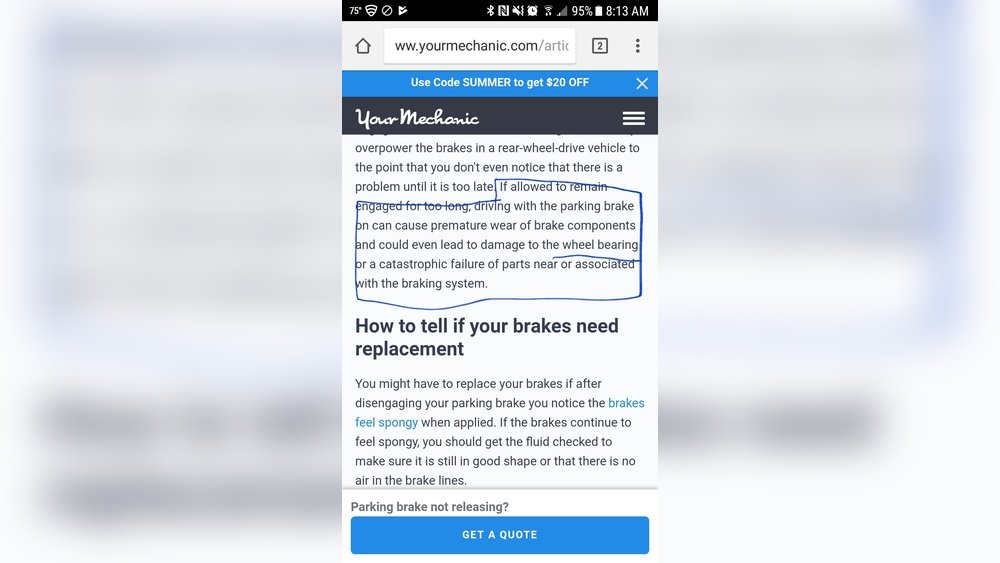
The emergency brake is a backup braking system in cars. It works separately from the main brakes. This brake helps keep the car still when parked. It is also called the parking brake or handbrake.
How Does The Emergency Brake Work?
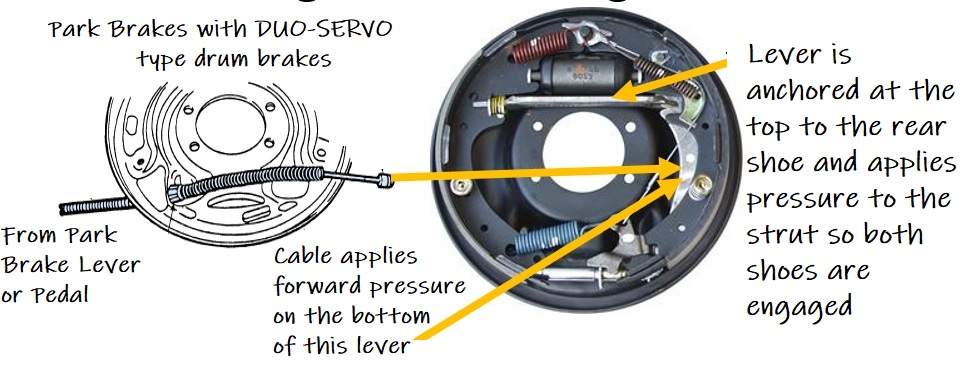
The emergency brake uses a cable connected to the rear brakes. Pulling the brake lever tightens the cable. This pressure makes the brake pads press against the wheels. The friction slows or stops the car.
This system does not use the car’s hydraulic brake fluid. It is mechanical, so it works even if the main brakes fail. Usually, it works only on the rear wheels.
Different Types Of Emergency Brakes
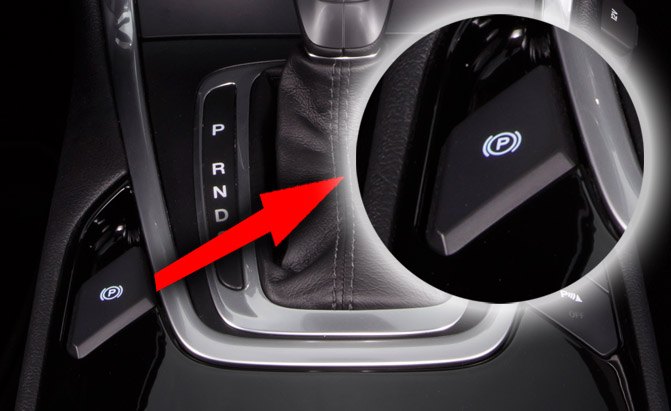
Some cars have a hand lever between the front seats. Others use a foot pedal near the driver’s left foot. Modern cars may have an electronic parking brake button. All types create tension in the brake cable.
Each type serves the same purpose: to hold the car still. The design depends on the car model and manufacturer.
Credit: www.autoguide.com
Common Reasons For Driving With The Brake Engaged
Driving with the emergency brake on happens more often than you think. It usually occurs without the driver realizing it. This mistake can cause car problems and affect your safety. Understanding why this happens helps avoid damage and extra costs.
Forgetting To Release The Brake
Many drivers forget to release the emergency brake before moving. This is common in new drivers or people in a hurry. The brake stays engaged, slowing the car down. It also causes wear on the brake parts.
Parking On A Hill
Some drivers keep the emergency brake on after parking on a hill. It prevents the car from rolling. Sometimes, they start driving without fully releasing the brake. This keeps the brake partially engaged.
Brake Warning Light Confusion
The emergency brake light can confuse some drivers. They may think it is a different warning. So, they drive without checking the brake status. This mistake causes damage over time.
Brake Cable Or System Issues
Brake cables can get stuck or damaged. This keeps the emergency brake partly on. Drivers may not feel the resistance at first. The problem worsens if ignored.
Using The Emergency Brake As A Slowdown Method
Some drivers use the emergency brake to slow down. This is unsafe and causes brake wear. It also heats the brake parts too much. This practice leads to costly repairs.
Immediate Effects On Vehicle Performance
Driving with the emergency brake on changes how your car performs right away. The emergency brake is meant to hold the car still. When it stays on while driving, the car feels different and harder to control.
These immediate effects can make driving unsafe. The car may slow down more than usual. The engine works harder to keep the car moving. This puts extra strain on the vehicle.
Reduced Speed And Acceleration
The emergency brake creates extra friction on the wheels. This friction slows the car down. You will notice the car does not speed up easily. It feels like the car is fighting against itself. Acceleration becomes slower and less smooth.
Increased Engine Load
The engine has to work harder to overcome the brake’s resistance. This causes the engine to use more fuel. The engine may heat up faster than normal. Over time, this extra load can damage engine parts.
Unusual Noises And Smells
Driving with the emergency brake on often causes strange sounds. You may hear squeaking or grinding noises from the wheels. A burning smell can come from the brakes. These signs show the brakes are overheating and wearing out.
Reduced Fuel Efficiency
The extra effort from the engine uses more gas. Your car’s fuel economy drops quickly. You will need to fill up the tank more often. This wastes money and harms the environment.
Long-term Damage To Brake Components
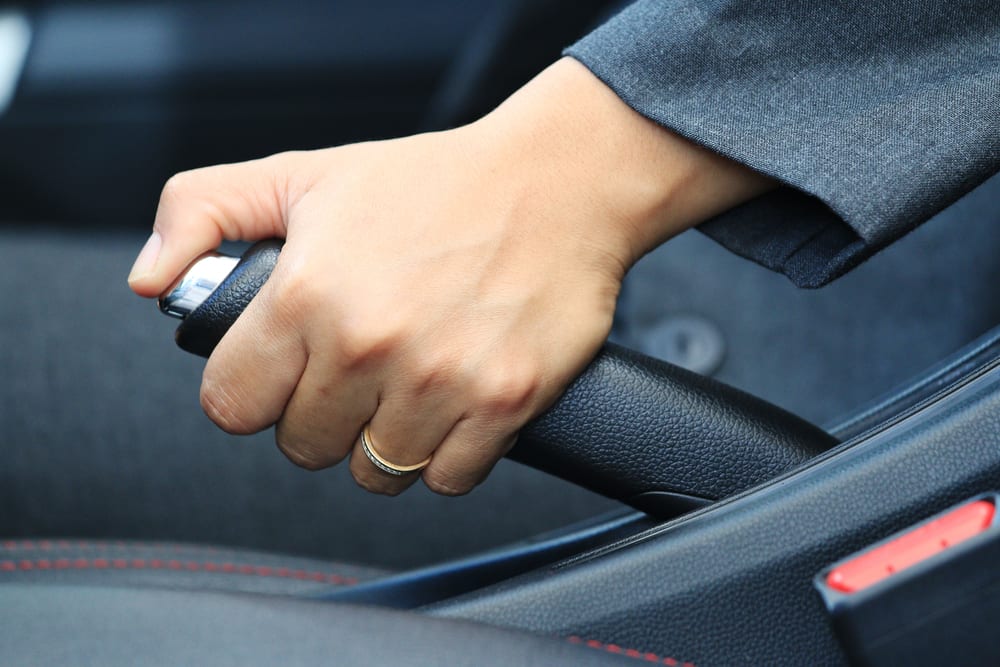
Driving with the emergency brake on causes serious damage to your brake parts. It may seem like a small mistake but the effects build up fast. Over time, the emergency brake wears down key components. This can lead to costly repairs and unsafe driving conditions.
The emergency brake works by pressing brake pads or shoes against the wheels. When it stays engaged while driving, the parts rub continuously. This constant friction creates heat, which damages the brake system. Understanding the long-term damage helps avoid these problems.
Brake Pad And Shoe Wear
The brake pads and shoes wear out quickly when the emergency brake drags. Instead of stopping only when you pull the brake, they stay pressed. This causes uneven and early wear. You may notice the brakes feel weak or make noise.
Rotor And Drum Damage
Rotors and drums heat up from the constant friction of a stuck brake. High heat causes warping or cracks. Warped rotors make the brakes shake or vibrate. Cracked drums can reduce braking power, making driving unsafe.
Brake Caliper And Cable Strain
The brake caliper holds the brake pads against the rotor. Driving with the emergency brake on strains the caliper. It can stick or fail over time. The cables that pull the emergency brake also stretch and weaken, reducing brake function.
Safety Hazards On The Road
Driving with the emergency brake on creates serious safety hazards. The emergency brake is not made for driving. It is meant to hold the car still when parked. Using it while driving can cause unexpected problems.
These safety hazards put you and others on the road at risk. Understanding the dangers helps you avoid accidents and car damage.
Reduced Vehicle Control
The emergency brake locks the rear wheels. This limits how the car handles turns and stops. You may lose control during sudden steering or braking. It becomes harder to keep the car on the road.
Increased Stopping Distance
The brake creates extra drag on the wheels. This slows the car but makes stopping less smooth. The car may skid or slide, especially on wet roads. Longer stopping distances raise the chance of collisions.
Brake Failure Risks
Driving with the emergency brake on overheats the brake system. Overheating can cause brake fade or total failure. This leaves you without proper braking power. Such failure is dangerous, especially in traffic or hills.
Tire And Brake Damage
Continuous friction wears down tires and brake parts. Tires may get flat spots or burn marks. Brake pads and cables can break or become less effective. This leads to costly repairs and unsafe driving conditions.
Credit: www.carparts.com
Frequently Asked Questions
What Happens If You Drive With The Emergency Brake On?
Driving with the emergency brake on causes extra friction and heat. This can damage brake parts and reduce car performance.
Can Driving With The Emergency Brake On Damage The Car?
Yes, it can wear out brake pads and rotors faster. It may also lead to costly repairs over time.
How Long Can You Drive With The Emergency Brake Engaged?
Only for a very short distance, like a few feet. Driving longer causes brake overheating and possible failure.
Will My Car Alert Me If The Emergency Brake Is On?
Most cars have a warning light on the dashboard. This light stays on until the brake is fully released.
Does Driving With The Emergency Brake Affect Fuel Efficiency?
Yes, it makes the engine work harder, using more fuel. This lowers your car’s gas mileage significantly.
Conclusion
Driving with the emergency brake on can damage your car. It causes extra wear on brake parts and tires. You may notice your car feels slower or hotter. This can lead to costly repairs down the road. Always check the brake is off before driving.
It helps your car run smoothly and saves money. Stay safe by making this a simple habit. Your vehicle will thank you with better performance.