What is the Difference between an F150 And an F250: Key Features Compared
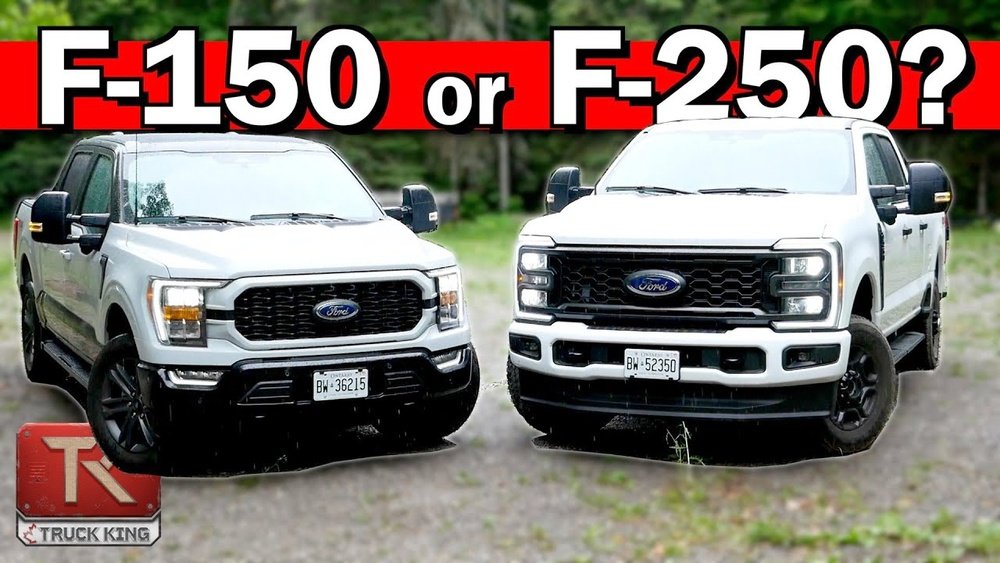
If you’re thinking about getting a Ford truck, you’ve probably come across the F150 and F250 models. Both are popular choices, but they serve different purposes and offer unique benefits.
So, what exactly sets the F150 apart from the F250? Understanding these differences can help you decide which truck fits your lifestyle and needs best. Whether you’re looking for a reliable daily driver or a heavy-duty workhorse, this guide will break down key features, performance, and costs to help you make a confident choice.
Keep reading to discover which Ford truck matches your expectations and why.
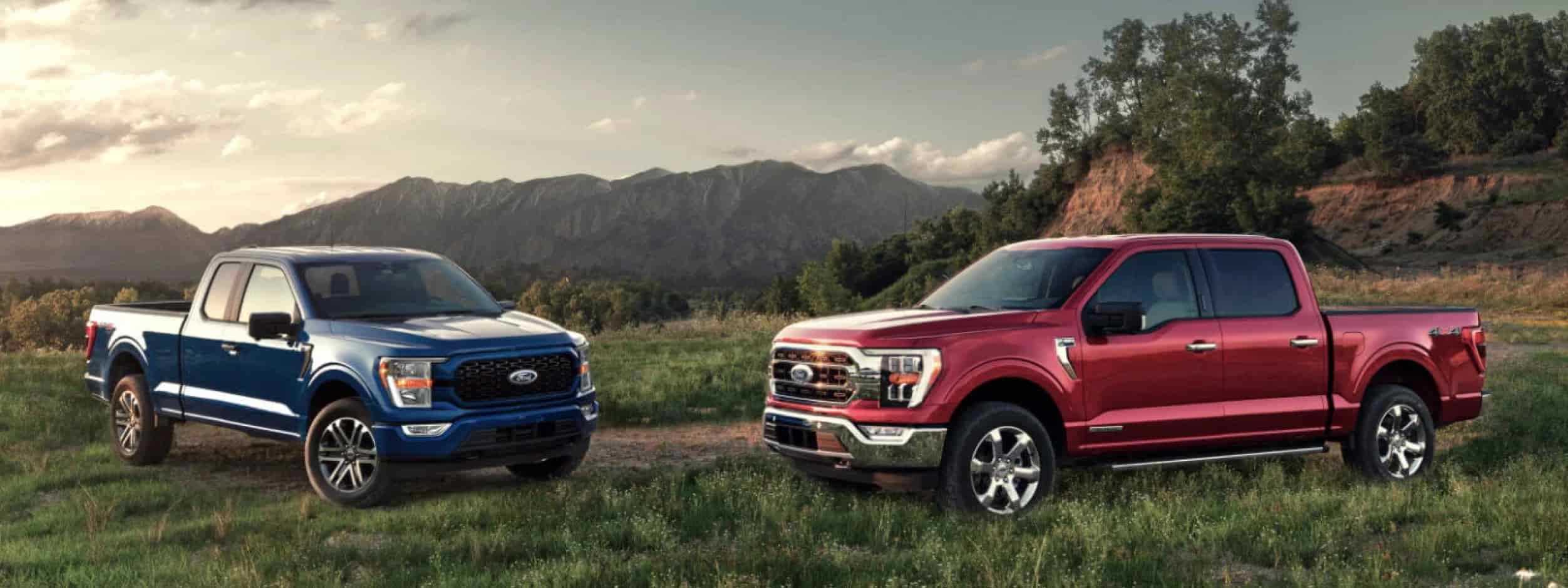
Credit: sethwadleyford.com
Size And Dimensions
Size and dimensions play a key role in choosing between the F150 and F250. These trucks differ in length, width, and height. Understanding these differences helps pick the right truck for your needs.
The F150 is designed as a full-size pickup. It offers a balance of size and maneuverability. The F250 is a heavy-duty truck. It is larger and built for tougher jobs and heavier loads.
Overall Length
The F150 generally measures between 209 and 250 inches in length. This varies by cab style and bed size. The F250 is longer, ranging from about 231 to 266 inches. The extra length supports larger cargo and equipment.
Width And Height
The F150 has a width of approximately 80 inches. Its height usually sits between 75 and 78 inches. The F250 is wider and taller. Its width often exceeds 80 inches and height can reach over 81 inches. This size increase allows for greater ground clearance and larger tires.
Cab And Bed Dimensions
Both trucks offer multiple cab options: regular, super cab, and crew cab. The F250’s cab tends to be roomier. Bed lengths vary from 5.5 to 8 feet on both models. The F250 supports heavier and longer payloads, thanks to its stronger frame and suspension.

Credit: www.imlaycityfordsales.com
Engine And Performance
The engine and performance define the core differences between the Ford F150 and F250. These trucks serve different purposes and offer varied power options. The F150 is built for everyday driving and light towing. The F250 targets heavy-duty work and tougher tasks.
Understanding the engine choices helps decide which truck fits your needs. Both trucks provide strong engines, but the F250’s options deliver higher power and torque. This difference affects towing capacity and hauling ability.
Engine Options
The F150 offers several engines. It includes a 3.3L V6, 2.7L EcoBoost V6, 3.5L EcoBoost V6, and a 5.0L V8. These engines balance power and fuel efficiency. The F250 comes with larger engines. It features a 6.2L V8 gasoline engine and a 7.3L V8 gas engine. There is also a 6.7L Power Stroke V8 turbo diesel engine. This diesel option is designed for heavy work and long towing.
Horsepower And Torque
The F150 engines produce horsepower ranging from 290 to 400 hp. Torque ranges from 265 to 480 lb-ft. The F250 engines deliver much higher numbers. Gas engines produce between 385 and 430 hp. Torque reaches up to 475 lb-ft. The diesel engine produces 475 hp and a massive 1,050 lb-ft of torque. This extra torque helps the F250 handle heavy loads with ease.
Towing And Payload Performance
The F150 can tow up to 14,000 pounds depending on the engine and setup. Payload capacity maxes out around 3,325 pounds. The F250 is built for tougher jobs. It can tow up to 20,000 pounds with the right configuration. Payload capacity can reach 4,260 pounds. This power suits commercial use and serious hauling needs.
Towing And Payload Capacity
Towing and payload capacity are key factors to consider when choosing between the Ford F150 and F250. These two trucks serve different needs, especially for hauling heavy loads or towing trailers.
The F150 is a strong half-ton truck. It suits most daily tasks and moderate towing jobs. The F250 is a three-quarter-ton truck designed for heavier work. It offers more power and can handle bigger payloads.
Towing Capacity Of The F150
The F150 can tow up to 14,000 pounds. This depends on the engine and configuration. It’s perfect for towing boats, campers, and small trailers. The truck’s lighter frame helps with easier driving and better fuel economy.
Towing Capacity Of The F250
The F250 can tow up to 20,000 pounds or more. It has a stronger frame and more powerful engine options. This makes it ideal for towing large trailers, heavy equipment, and work trailers. The F250 is built for tough jobs.
Payload Capacity Of The F150
The F150 can carry around 1,500 to 3,300 pounds in its bed. This is good for most household or light work materials. It suits those who need a truck for everyday use with some hauling needs.
Payload Capacity Of The F250
The F250’s payload capacity ranges from 3,000 to over 4,200 pounds. It can carry heavier loads thanks to a reinforced suspension. This makes it a better choice for construction and farm work.
Cab And Bed Options
The cab and bed options greatly affect a truck’s usability and comfort. Both the Ford F150 and F250 offer multiple configurations. These setups cater to different needs, from daily driving to heavy-duty work tasks.
Choosing the right cab and bed size impacts passenger space and cargo capacity. Understanding these differences helps pick the best truck for your lifestyle or job.
Cab Options
The F150 offers three cab styles: Regular, SuperCab, and SuperCrew. Regular cab seats two or three people with limited rear space. SuperCab adds rear doors and extra seating. SuperCrew provides the most room, seating five to six comfortably.
The F250 also comes in three cab options but focuses more on utility. Its SuperCab and Crew Cab configurations offer more durable interiors. The Crew Cab on the F250 is slightly larger than the F150’s, allowing better rear passenger comfort.
Bed Lengths
The F150 has three bed lengths: 5.5 feet, 6.5 feet, and 8 feet. These options let buyers balance cargo space with overall truck length. Shorter beds are easier to park. Longer beds hold larger loads.
The F250 offers two bed sizes: 6.75 feet and 8 feet. The beds are built tougher for heavy-duty loads. The 8-foot bed is ideal for hauling big equipment or long materials.
Comparing Cab And Bed Combinations
The F150’s variety suits drivers wanting flexibility and comfort. The SuperCrew with a 5.5-foot bed is popular for families and daily use. The Regular Cab with an 8-foot bed suits work needs better.
The F250 focuses on strength and space for work crews. Crew Cab with the 8-foot bed maximizes passenger and cargo room. These setups serve well for towing and heavy lifting tasks.
Price And Maintenance
Price and maintenance are two key factors that influence the choice between an F150 and an F250. These trucks serve different purposes and come with distinct costs. Understanding these differences helps buyers make informed decisions based on their budget and needs.
Price Differences Between F150 And F250
The F150 usually costs less than the F250. Base models of the F150 start at a lower price, making it more affordable for daily drivers. The F250 is a heavy-duty truck and has a higher starting price. It includes stronger components and more powerful engines, which increase its cost. Upgrades and special features also add to the price gap.
Maintenance Costs For F150 And F250
Maintenance on the F150 tends to be cheaper. Parts and repairs are generally less costly due to its lighter-duty design. The F250 may require more frequent or expensive maintenance because of its heavy-duty nature. Its stronger suspension and drivetrain parts can wear differently. Fuel costs might also be higher for the F250 because of larger engines and heavier loads.

Credit: www.youtube.com
Frequently Asked Questions
Are F250s More Reliable Than F150s?
F250s often offer greater durability and towing capacity than F150s. Both are reliable, but F250s suit heavy-duty tasks better.
Do F250s Last Longer Than F150s?
F250s generally last longer than F150s due to heavier-duty components and stronger frames. Both require proper maintenance for longevity.
What Is The Difference Between The F-150 And The F-250 Cab?
The F-150 and F-250 cabs differ mainly in size and durability. The F-250 offers a sturdier frame for heavy-duty use. Both offer similar cab styles, but the F-250’s cab supports higher towing and payload capacities. Choose based on your towing and work needs.
How Much Bigger Is An F-250 Than A F-150?
The F-250 is about 8-12 inches longer and wider than the F-150. It also offers a higher towing capacity and heavier-duty frame.
What Are The Main Size Differences Between The F150 And F250?
The F250 is larger and heavier than the F150. It has a stronger frame designed for heavier tasks and towing.
Conclusion
Choosing between the F150 and F250 depends on your needs. The F150 suits daily driving and light towing. The F250 offers more power for heavy loads and work tasks. Both trucks deliver Ford’s reliability and comfort. Consider your budget, towing plans, and how you will use the truck.
Test driving each can help you decide. Knowing the differences helps you pick the right truck for your lifestyle.