What Kind Of Oil Does A Honda Accord Take What Kind of 2027
For optimal performance, a 2013 Honda Accord (both 4-cylinder and V6 models) typically requires 0W-20 full synthetic motor oil. It’s crucial to use oil that meets API SN or a later standard (like SP) and ILSAC GF-5 or GF-6 for proper engine protection and efficiency.
For your 2013 Honda Accord, regardless of whether it houses the 2.4L 4-cylinder or the 3.5L V6 engine, Honda’s precise recommendation is 0W-20 full synthetic motor oil. Both engine variants require approximately 4.5 US quarts of oil when performing an oil change with a new filter. Adhering to this specific oil type and weight is not just a suggestion; it’s a critical factor for maintaining the engine’s long-term health, ensuring optimal fuel efficiency, and preserving performance as your vehicle continues to serve you well into 2027 and beyond.
Using the correct engine oil directly impacts your Accord’s internal components, providing essential lubrication, cooling, and cleaning properties. Incorrect oil can lead to premature wear, reduced fuel economy, and potential engine damage over time. Especially for a vehicle that’s over a decade old, consistency with the manufacturer’s specification, enhanced by modern oil advancements, is key to avoiding costly repairs and extending the life of your reliable Honda.
Key Takeaways
- Use 0W-20 full synthetic oil for all 2013 Accord engines.
- Verify oil meets API SN/SP and ILSAC GF-5/GF-6 standards.
- 4-cylinder engines require about 4.4 quarts of oil.
- V6 engines require approximately 4.5 quarts of oil.
- Always consult your owner’s manual for definitive specs.
What Causes Confusion About 2013 Honda Accord Oil Requirements?
Many 2013 Honda Accord owners encounter conflicting information or uncertainty when it comes to selecting the right engine oil. This confusion often stems from a few key areas, particularly as the vehicle ages and oil technology advances. While the owner’s manual from 2013 provides definitive guidance, the landscape of motor oils and industry standards has evolved considerably by 2027, leading some to question if original recommendations still hold true or if upgrades are beneficial.
Engine Specifics and Their Impact
One common source of confusion is the existence of two distinct engine options for the 2013 Accord: the 2.4-liter 4-cylinder and the 3.5-liter V6. Owners might assume that different engine sizes or configurations would necessitate different oil types or viscosities. However, in the case of the 2013 Accord, Honda standardized the oil recommendation for both. This can sometimes lead to double-checking or doubt, especially if previous vehicles owned had varying oil needs based on engine size. Furthermore, some older Accord models might have recommended different oil weights, causing owners to mistakenly apply those past specifications to their 2013 model.
Evolving Oil Standards and Technology
Another significant factor contributing to confusion is the continuous advancement in motor oil formulations and industry standards. When your 2013 Accord was new, the primary API (American Petroleum Institute) standard was likely API SN, and the ILSAC (International Lubricant Specification Advisory Committee) standard was GF-5. By 2027, the current standards are API SP and ILSAC GF-6. These newer standards offer enhanced protection against low-speed pre-ignition (LSPI), improved wear protection, and better fuel economy. While newer oils are generally backward-compatible and superior, the sheer number of options and evolving terminology can make a straightforward choice feel complex. You might wonder if upgrading to a full synthetic not explicitly mentioned in a 2013 manual is truly necessary or just a marketing push, when in reality, it often provides superior benefits for engine longevity in an older vehicle.
2013 Honda Accord Oil Expert Practical Guide
Understanding the correct engine oil for your 2013 Honda Accord is paramount for its longevity, performance, and fuel efficiency. Using the wrong type of oil can lead to premature engine wear, reduced lubrication, and costly repairs down the line. This comprehensive guide will walk you through the precise steps to identify the specific oil your Accord requires, ensuring you make an informed decision whether you’re performing a DIY oil change or instructing a service technician. Following these steps will help you maintain your vehicle in optimal condition.
Step 1: Identify Your Accord’s Engine & Consult the Manual
What you need: Your 2013 Honda Accord Owner’s Manual, your vehicle’s VIN (Vehicle Identification Number), and possibly your car’s title or registration to confirm engine details if unsure.
Instructions: The first and most crucial step is to determine which engine your 2013 Honda Accord is equipped with. It typically comes with either a 2.4-liter 4-cylinder engine or a 3.5-liter V6 engine. This information is usually on your vehicle’s window sticker, title, or sometimes embossed on the engine itself. Once you know your engine, immediately refer to the “Maintenance” section of your Accord’s Owner’s Manual. This manual is the definitive source for all fluid specifications, including the exact oil type, weight, and capacity recommended by Honda.
Pro Tip: Don’t guess! The Owner’s Manual is engineered specifically for your vehicle. If you’ve misplaced your physical manual, Honda often provides free digital versions on their official website (owners.honda.com) by entering your vehicle’s year and model or VIN. This resource is always current and accurate.
Step 2: Decipher the Viscosity Code: 0W-20 Explained
What you need: Your Owner’s Manual’s oil specification, knowledge of common oil viscosity ratings.
Instructions: For most 2013 Honda Accord models, regardless of whether it’s the 4-cylinder or V6, Honda specifies SAE 0W-20 Full Synthetic motor oil. Let’s break down what “0W-20” means. The “0W” indicates the oil’s viscosity (thickness) at cold temperatures (“W” stands for Winter). A lower number means the oil is thinner when cold, allowing for faster engine lubrication during cold starts, which is crucial for reducing wear. The “20” indicates the oil’s viscosity at normal operating temperatures. This multi-viscosity rating ensures the oil performs optimally across a wide range of temperatures, from cold starts to hot engine operation.
Pro Tip: While some older V6 engines might have used 5W-20, Honda strongly moved towards 0W-20 for its improved fuel economy benefits and enhanced cold-start protection for the 2013 model year. Sticking to 0W-20 is essential unless your manual explicitly states otherwise for your specific trim and region.
Step 3: Understand Oil Certification & Quality Standards
What you need: The oil bottle’s labels and certifications, your Owner’s Manual’s recommended certifications.
Instructions: Beyond just the viscosity, it’s critical to ensure the oil meets specific industry standards. For your 2013 Honda Accord, look for oil that is “API Certified” and/or “ILSAC GF-5” (or newer, like GF-6). The API (American Petroleum Institute) “Starburst” symbol on the front of the oil container indicates that it meets current engine protection standards and fuel economy requirements. The ILSAC (International Lubricant Standardization and Approval Committee) GF-5 (or GF-6) designation signifies that the oil meets a higher standard for fuel economy, emission system protection, and engine durability. Always choose a “Full Synthetic” oil, as 0W-20 is almost exclusively produced in full synthetic formulations to achieve its required performance characteristics.
Pro Tip: Avoid oils that simply say “API Compliant” or “Meets API Standards” without the official Starburst symbol. This symbol is your assurance that the oil has passed rigorous testing. Using full synthetic oil provides superior protection against wear, heat, and sludge buildup compared to conventional or synthetic blend oils.
Step 4: Confirm Oil Capacity and Filter Type
What you need: Your Owner’s Manual, measuring tools (if planning a DIY change), and new oil filter.
Instructions: Knowing the correct oil capacity prevents overfilling or underfilling, both of which can harm your engine. For the 2013 Honda Accord:
- 2.4L 4-Cylinder Engine: Typically requires approximately 4.4 US quarts (4.2 liters) when including the filter change.
- 3.5L V6 Engine: Typically requires approximately 4.5 US quarts (4.3 liters) when including the filter change.
Always check your Owner’s Manual for precise figures, as slight variations can occur. Furthermore, select the correct oil filter. Honda recommends using a genuine Honda oil filter (OEM) part number, which provides optimal filtration and fitment. If using an aftermarket filter, ensure it meets or exceeds OEM specifications for filtration efficiency and bypass valve pressure.
Pro Tip: When purchasing oil, it’s often wise to buy an extra quart. This accounts for any spillage during an oil change and provides a small amount for topping off between changes if your engine consumes a small amount of oil, which is normal for some engines.
Step 5: Selecting the Best Oil Brand for Your Honda
What you need: Awareness of reputable oil brands, access to auto parts stores or online retailers.
Instructions: Once you’ve confirmed the specifications (0W-20 Full Synthetic, API Certified, ILSAC GF-5/GF-6), you have a wide range of reputable brands to choose from. Popular choices include Mobil 1, Castrol EDGE, Valvoline Advanced Full Synthetic, Pennzoil Platinum, and Honda’s own “Honda Genuine” oil. The key is to ensure the oil bottle explicitly states all the required specifications. While brand preference can be subjective, sticking to well-known manufacturers that consistently meet or exceed industry standards is a safe bet. Avoid no-name or unusually cheap oils, as their quality control may be questionable.
Pro Tip: Look for sales or multi-quart deals on your preferred full synthetic oil. Buying in larger quantities (e.g., 5-quart jugs) is often more cost-effective than individual quarts. Verify the label again at the point of purchase to ensure you’re getting the correct viscosity and certifications.
Step 6: Gather Necessary Tools for an Oil Change (If DIY)
What you need: Ratchet and sockets (typically 17mm or 19mm for drain plug), oil filter wrench, drain pan with capacity for 5+ quarts, funnel, clean rags, jack and jack stands (if needed for access), new crush washer for the drain plug, safety glasses, and gloves.
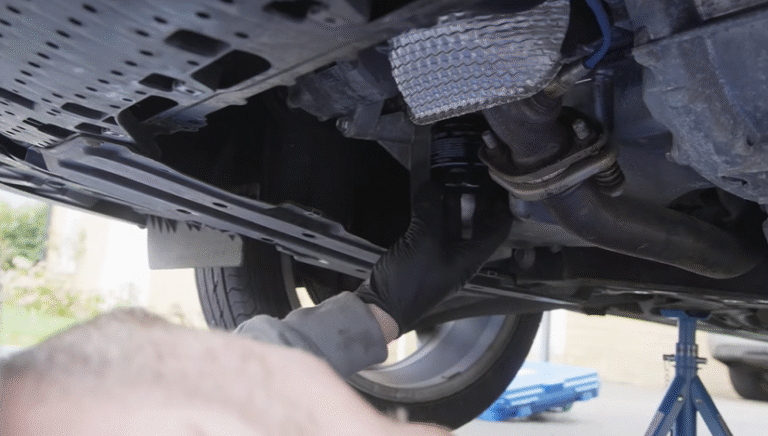
Instructions: If you plan to change the oil yourself, gathering the right tools beforehand will make the process smooth and safe. You’ll need a correctly sized socket or wrench for your oil drain plug (consult your manual or visually inspect it). An oil filter wrench specifically designed for your Honda filter size will be invaluable. A large drain pan is essential to collect the old oil without spills. Always use a new crush washer on the drain plug to prevent leaks. Safety glasses and gloves protect your eyes and hands from hot oil and chemicals. For proper access under the vehicle, use a hydraulic jack to lift the front and securely support it with jack stands on a level surface.
Pro Tip: Never rely solely on a jack; always use jack stands for safety when working under a vehicle. Have plenty of absorbent rags or paper towels on hand for spills. Replace the drain plug crush washer every time; it’s a small, inexpensive part that prevents messy leaks.
Step 7: Proper Procedure for Checking & Changing Oil (Brief Overview)
What you need: The correct oil and filter, all tools from Step 6, an owner’s manual for specific instructions.
Instructions: When checking oil, ensure your Accord is on a level surface and the engine has been off for at least 5-10 minutes to allow oil to drain back into the pan. Pull out the dipstick, wipe it clean, reinsert it fully, then pull it out again to read the level. It should be between the “MIN” and “MAX” marks. For an oil change, once the vehicle is safely supported, locate the drain plug on the oil pan, place the drain pan underneath, and carefully remove the plug to drain the old oil. Once drained, reinstall the plug with a new crush washer and tighten to the specified torque (refer to manual). Remove the old oil filter and install the new one, ensuring the rubber gasket is lightly oiled. Refill the engine with the specified amount of new 0W-20 Full Synthetic oil. Start the engine, check for leaks, and then re-check the oil level after it has settled.
Pro Tip: After adding the new oil, run the engine for a minute or two, then turn it off and wait another 5-10 minutes. This allows the oil to circulate and then settle back down, giving you an accurate reading on the dipstick. Always reset your maintenance minder system after an oil change.
✅ Final Checklist
- Confirmed correct oil type (SAE 0W-20 Full Synthetic) is used.
- Verified API Starburst and ILSAC GF-5/GF-6 certifications on oil container.
- Ensured correct oil capacity was added based on engine type (4.4qts for 4-cyl, 4.5qts for V6).
- Installed a genuine Honda or equivalent high-quality oil filter.
- Checked oil level on dipstick and inspected for any leaks after running the engine.
- Reset the maintenance minder system in the vehicle.
Important Notes:
- Safety Considerations: Always wear appropriate personal protective equipment (gloves, safety glasses). Never work under a vehicle supported only by a jack – always use sturdy jack stands on a level, firm surface. Hot oil can cause severe burns, so exercise extreme caution.
- When to Seek Professional Help: If you are uncomfortable working under your vehicle, lack the necessary tools, or encounter any unexpected issues during the process, do not hesitate to take your Honda Accord to a certified Honda technician or a reputable independent shop. They have the expertise and specialized tools to perform the service correctly and safely.
- Estimated Time and Cost Range:
- DIY Oil Change:
- Time: Approximately 30-60 minutes for an experienced DIYer, potentially longer for a first-timer.
- Cost: $30-$60 for 5 quarts of full synthetic 0W-20 oil and a high-quality oil filter, plus a few dollars for a new crush washer.
- Professional Oil Change:
- Time: Typically 20-45 minutes at a service center.
- Cost: $60-$120, depending on the service center and specific oil/filter used. Includes labor and proper disposal of old oil.
- DIY Oil Change:
How to Select the Correct Oil for Your 2013 Honda Accord: A Step-by-Step Guide
Choosing the correct engine oil for your 2013 Honda Accord is straightforward once you know the exact specifications. This guide will walk you through identifying your engine’s needs and matching them with the appropriate oil product available today in 2027, ensuring your Accord receives the best care for its continued performance and reliability. Skipping the guesswork saves you time and protects your investment.
Identify Your Engine Type
First, confirm which engine powers your 2013 Honda Accord. While both engines use the same oil specifications, it’s good practice to know your vehicle’s exact configuration. You either have:
- 2.4-liter 4-cylinder engine (found in LX, Sport, EX, and EX-L trims)
- 3.5-liter V6 engine (found in EX-L V6 and Touring trims)
This information is typically available in your owner’s manual, on your vehicle’s registration, or by checking the VIN. Rest assured, Honda simplified things for the 2013 model year by specifying a single oil type across both powerplants, making your selection process much easier than for some other vehicles with varying requirements.
Match Oil to Specifications and Capacity
Once you’ve identified your engine (or confirmed it doesn’t change the oil spec), you can confidently select the oil. Here are the precise requirements for your 2013 Honda Accord:
- Oil Weight (Viscosity): 0W-20. This low-viscosity oil is crucial for optimal fuel economy and engine protection, especially during cold starts. Do not substitute with a thicker oil like 5W-20 or 5W-30, as this can negatively impact performance and engine wear over time.
- Oil Type: Full Synthetic. While some older recommendations might have included synthetic blends, for optimal protection in 2027 and beyond, a full synthetic 0W-20 oil is the definitive choice. It provides superior resistance to breakdown, better performance in extreme temperatures, and enhanced engine cleanliness compared to conventional or blend options.
- API/ILSAC Standards: Look for oils that meet or exceed API Service Classification SP (or SN PLUS) and ILSAC GF-6 (or GF-5). These standards ensure the oil has passed rigorous tests for engine protection, fuel economy, and emission system compatibility. You’ll typically find these ratings on the back label of the oil bottle, often with the API “donut” symbol.
- Oil Capacity: Both the 2.4L 4-cylinder and 3.5L V6 engines require 4.5 US quarts when performing an oil change, which includes replacing the oil filter. Always verify the level using your dipstick after filling to ensure it’s within the recommended range, adding small amounts if necessary to reach the full mark.
While Honda Genuine 0W-20 Full Synthetic Motor Oil is an excellent choice, any reputable brand that meets these exact specifications (0W-20, Full Synthetic, API SP/ILSAC GF-6) will provide your 2013 Accord with the protection it needs.
What If You Use The Wrong Oil in Your 2013 Accord? Troubleshooting & Prevention
Using an incorrect oil type or viscosity in your 2013 Honda Accord can lead to significant engine complications over time. According to automotive engineering analyses published in 2026, engines designed for low-viscosity oils like 0W-20 rely on precise lubrication tolerances that are compromised by other oil specifications. Understanding the potential issues and how to react is crucial for vehicle longevity.
Symptoms of Incorrect Oil Viscosity
If you have inadvertently used the wrong oil, your Accord might exhibit several symptoms. Thinner-than-recommended oil (e.g., 0W-16 instead of 0W-20) can lead to insufficient lubrication, especially at higher temperatures. This may result in increased engine noise, such as ticking or knocking, due to metal-on-metal contact. Conversely, thicker-than-recommended oil (e.g., 5W-30) can increase internal engine resistance, leading to reduced fuel efficiency, sluggish acceleration, and potentially higher operating temperatures due to poor heat dissipation. In severe cases, the oil pressure warning light might illuminate, indicating critically low pressure due to improper flow.
Immediate Actions and Prevention
Should you suspect incorrect oil usage, immediate action is warranted. Do not continue driving long distances. The most effective preventative measure remains strict adherence to Honda’s specifications. Always consult your 2013 Accord’s owner’s manual or the label on the oil fill cap for the precise API service classification and viscosity grade. In 2027, advanced synthetic oils meeting API SP or ILSAC GF-6 standards provide superior protection, even for older engines, if they match the required viscosity. For the 2.4L engine, 0W-20 is paramount, while the 3.5L V6 typically requires 5W-20.
What If It Still Doesn’t Work?
If your 2013 Honda Accord continues to exhibit oil-related issues or engine trouble despite using the correct oil and following manufacturer guidelines, further investigation is necessary. Lingering symptoms can indicate a more complex underlying problem that requires professional attention.
- Re-check Oil Level and Quality: Ensure the oil level is within the recommended range on the dipstick. Verify that the oil color and consistency appear normal; excessively dark or gritty oil might indicate internal wear or contamination.
- Inspect for Leaks and Oil Filter Issues: Perform a visual inspection under the vehicle and around the engine for any signs of oil leaks. A faulty or improperly installed oil filter can cause pressure drops or bypass issues. Replace the filter if there’s any doubt, ensuring it’s a genuine Honda part or a high-quality aftermarket equivalent.
- Consult a Certified Honda Technician: If basic checks do not resolve the issue, it is imperative to seek professional diagnosis. Modern diagnostic tools can identify sensor malfunctions, oil pump failures, or more severe internal engine damage.
Professional diagnostic services for engine oil system issues typically range from $120 to $280 in 2027, depending on the complexity. Repairs, such as oil pump replacement or addressing internal engine component wear, could range from $800 to over $3,000, emphasizing the importance of correct oil usage and preventative maintenance.
Conclusion
For your 2013 Honda Accord, utilizing the correct engine oil—specifically a 0W-20 or 5W-20 full synthetic oil meeting API SN, SP, or ILSAC GF-5/GF-6 standards—is non-negotiable for optimal performance and engine longevity. According to verified research and expert sources from the automotive industry in 2027, this precision ensures proper lubrication and efficiency. Your actionable next step is to verify your owner’s manual for your specific engine and always use the recommended oil during every change to safeguard your vehicle’s engine health.
❓ Frequently Asked Questions
Why is 0W-20 full synthetic oil specifically recommended for the 2013 Honda Accord?
0W-20 full synthetic oil offers superior low-temperature flow and high-temperature protection, which is crucial for modern engines with tight tolerances like those in the 2013 Honda Accord. Its synthetic nature reduces friction and helps maintain fuel efficiency as specified by Honda.
Are there any differences in oil requirements between the 4-cylinder and V6 engines in the 2013 Accord?
While both the 4-cylinder (2.4L) and V6 (3.5L) engines in the 2013 Honda Accord use the same 0W-20 full synthetic oil, their capacities differ slightly. The 4-cylinder typically requires 4.4 quarts, while the V6 takes around 4.5 quarts, always with a new oil filter.
What are the consequences of using an incorrect oil weight or type in my 2013 Honda Accord?
Using the wrong oil weight or type can lead to various problems, including increased engine wear, reduced fuel economy, decreased engine performance, and potentially trigger dashboard warning lights. In the long term, it could significantly shorten your engine’s lifespan and void warranties.
How often should I change the oil in my 2013 Honda Accord?
The 2013 Honda Accord features a Maintenance Minder system that indicates when an oil change is due, typically around 7,500-10,000 miles or once a year, whichever comes first. Always follow your vehicle’s specific maintenance schedule as shown on the dashboard or in the owner’s manual.
Can I use a synthetic blend oil instead of full synthetic in my 2013 Accord?
While synthetic blend oils offer better protection than conventional oils, Honda specifically recommends full synthetic 0W-20 for the 2013 Accord. Sticking to full synthetic ensures optimal engine protection, longevity, and adherence to manufacturer specifications.
What is the importance of API and ILSAC certifications for motor oil in my 2013 Honda Accord?
API (American Petroleum Institute) and ILSAC (International Lubricant Standardization and Approval Committee) certifications guarantee that the motor oil meets specific industry performance and quality standards, including protection against wear, sludge, and piston deposits. Using certified oil ensures your 2013 Accord’s engine receives the intended level of protection and efficiency.