Where Should Your Temperature Gauge Be on Your Car: Essential Guide
Have you ever glanced at your car’s temperature gauge and wondered where it’s supposed to sit while you’re driving? Knowing the right spot for that needle can save you from expensive repairs and roadside breakdowns.
Your temperature gauge is more than just a dial—it’s your car’s way of telling you how it’s coping under the hood. If you don’t understand what a normal reading looks like, you might miss early signs of trouble. You’ll learn exactly where your temperature gauge should be, what fluctuations are normal, and when it’s time to pull over.
Keep reading to make sure your engine stays cool and your ride stays smooth.
Normal Temperature Range
Your car’s temperature gauge shows the engine’s heat level. It helps you know if the engine runs at a safe temperature. Most engines work best within a specific temperature range. Staying in this range keeps the engine healthy and avoids damage.
The normal temperature range varies by car model but usually stays in the middle of the gauge. Watching this gauge helps spot problems early. It can prevent costly repairs and breakdowns on the road.
Typical Gauge Positions
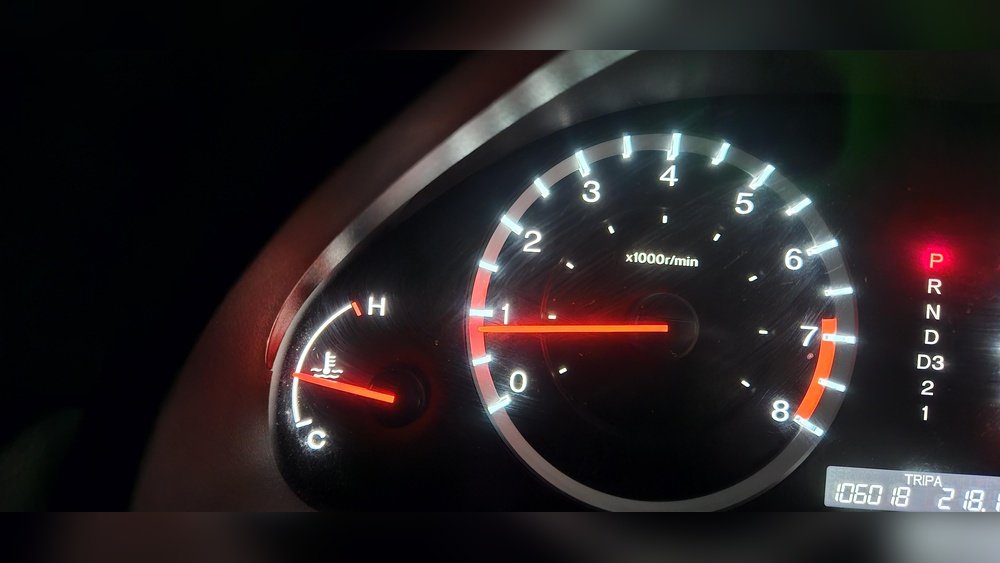
The temperature gauge usually has three main zones. The “C” on the left means cold engine temperature. The “H” on the right means hot or overheating. The middle area is where the engine runs normally.
At a cold start, the needle rests near the “C” mark. As the engine warms up, the needle moves toward the middle. While driving, the needle should stay steady in this middle zone.
The needle can move slightly during heavy traffic or hot weather. This is normal as the engine works harder. But it should never reach the “H” zone during regular driving.
What Middle Gauge Means
The middle of the gauge shows the engine’s ideal temperature. It means the coolant system works well. The engine is warm enough to run efficiently but not overheating.
When the needle stays in the center, your engine is safe. It indicates good circulation of coolant and proper thermostat function. This balance helps your car perform well and last longer.
If the needle moves out of the middle, it signals a problem. Too low means the engine is not warming up fully. Too high means overheating, which can cause serious damage.

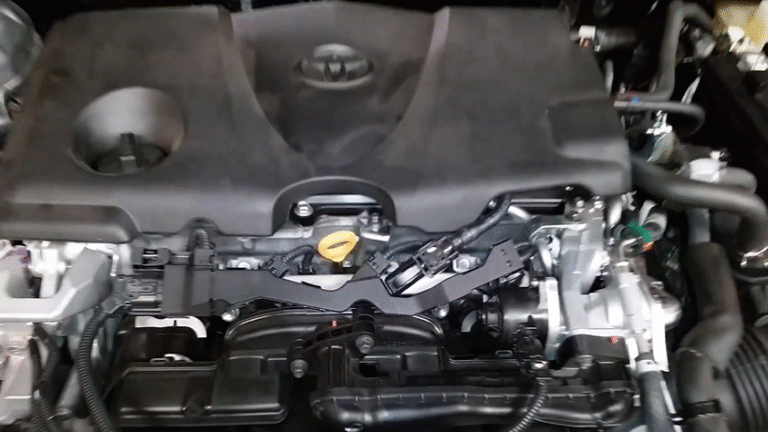
Credit: bigcoupe.com
Cold Starts And Fluctuations
The temperature gauge in your car shows the engine’s heat level. It helps you know if the engine is too cold or too hot. Cold starts and fluctuations are normal parts of driving. Understanding these can prevent damage and keep your engine healthy.
Gauge Behavior When Starting Cold
When you start your car, the temperature gauge needle rests near the “C” for cold. The engine needs time to warm up to the right temperature. The needle will slowly move toward the middle as the engine heats. Do not worry if it stays low for a few minutes. This is normal during cold starts.
Temperature Changes During Driving
The temperature gauge may rise and fall slightly during your drive. It can go up when you stop in traffic or climb hills. Using the air conditioner on hot days can also raise the needle. Small fluctuations are normal and do not mean a problem. Watch for the needle moving into the red zone. That signals overheating and needs attention.
Signs Of Overheating
Recognizing the right steps during an engine overheat is vital. Acting fast protects your car and your safety. Overheating can cause serious damage if ignored. Knowing safe actions helps avoid costly repairs and keeps you on the road.
When To Pull Over
Pull over as soon as the temperature gauge hits the red zone. Also, stop if you see steam or smell something burning. Turn on your hazard lights to alert other drivers. Find a safe spot away from traffic before turning off the engine.
Steps To Prevent Engine Damage
After stopping, open the hood to let heat escape. Do not try to open the radiator cap while the engine is hot. Wait at least 30 minutes for the engine to cool down. Check coolant levels and add water if needed. Call for roadside assistance if you are unsure or unable to fix the issue safely.

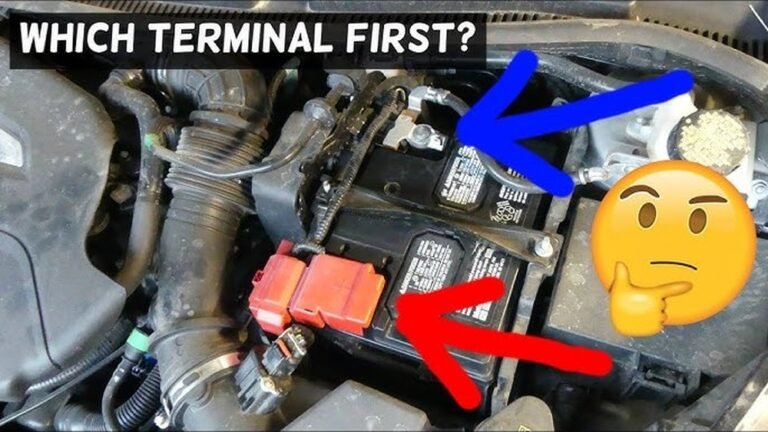
Credit: www.shadetreeautomotive.net
Safe Actions When Overheated
Reading your car’s temperature gauge correctly helps you avoid engine problems. This gauge shows how hot your engine is running. A precise reading keeps your vehicle safe and efficient. Follow simple tips to get the most accurate information from your gauge. Understanding the gauge’s behavior prevents unnecessary worry and helps spot real issues early.
Interpreting Gauge Movements
The needle should stay near the middle of the gauge during normal driving. It moves slowly as the engine warms up. Slight rises are normal when the car idles or climbs hills. Watch for sudden jumps toward the red zone. This signals overheating and needs immediate attention. A steady needle means the cooling system works well.
Common Misconceptions
The temperature gauge does not need to stay exactly at one point. It can move a little without causing harm. Many think a high needle reading means a broken gauge. Often, it shows real engine heat. Some believe the needle must be in the cold zone to protect the engine. Actually, running too cold wastes fuel and causes wear. Trust the gauge but learn what normal ranges look like for your car.

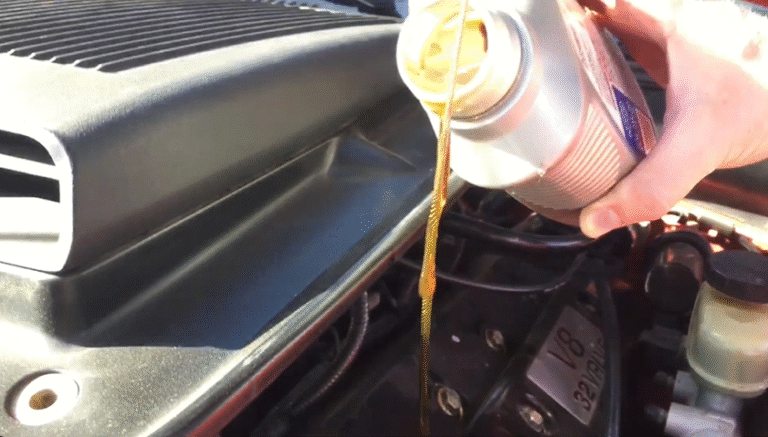
Credit: www.reddit.com
Frequently Asked Questions
What Is The Normal Engine Temperature For A Mini Cooper?
The normal engine temperature for a Mini Cooper is between 195°F and 220°F. The gauge should stay near the middle during operation. Avoid driving if the temperature rises into the red zone to prevent engine damage. Regularly monitor the temperature for safe performance.
What Temperature Is Too Low For A Car?
A car temperature below 100°F (38°C) is generally too low, indicating the engine may not be warming properly. This can reduce efficiency and cause increased wear.
What Is The Normal Temperature For Mercedes-benz?
The normal temperature for a Mercedes-Benz engine ranges between 195°F and 220°F. The gauge needle should stay near the center while driving. Avoid overheating; if the needle reaches the red zone, stop immediately to prevent engine damage. Maintain proper coolant levels for optimal performance.
What Is The Normal Temperature For A Vw Polo?
The normal temperature for a VW Polo engine ranges between 190°F and 220°F (88°C to 105°C). The gauge needle should stay near the middle during driving. Avoid driving if the temperature rises into the red zone to prevent engine damage.
Where Should The Temperature Gauge Be While Driving?
The gauge needle should stay near the middle, between “C” (cold) and “H” (hot). This shows the engine is running at a normal temperature. Slight movement is normal during heavy traffic or hot weather.
Conclusion
Your car’s temperature gauge should stay near the middle while driving. This shows the engine runs at a safe temperature. Watch for the needle moving into the red zone. That signals overheating and needs immediate attention. Regularly check the gauge to avoid costly damage.
Keeping an eye on it helps your car last longer. Remember, a steady temperature means your engine is healthy and working well.