
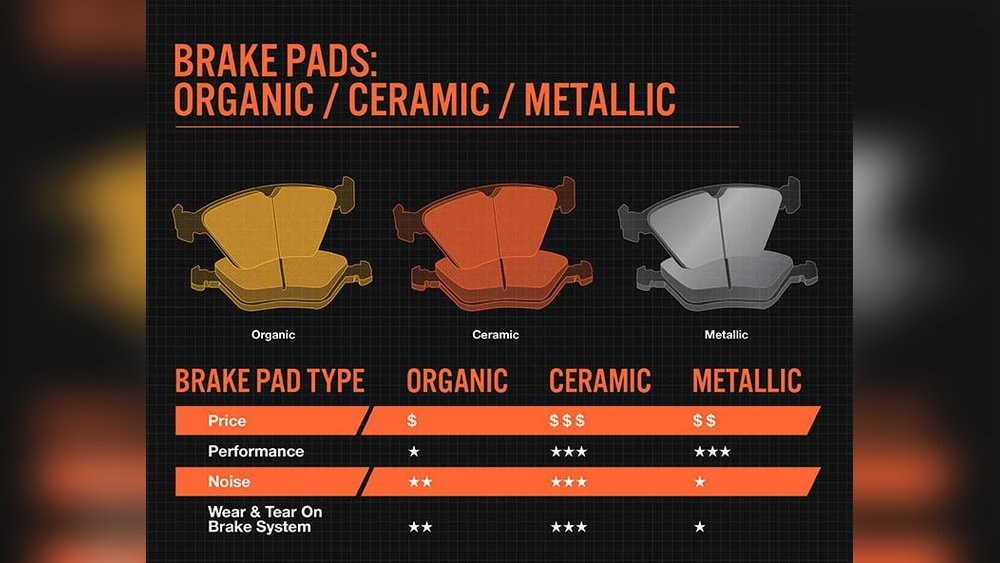
Which is Better Semi Metallic Or Ceramic Brake Pads: Ultimate Guide
When it comes to choosing the right brake pads for your vehicle, you might feel overwhelmed by all the options. Should you go for semi-metallic or ceramic brake pads?
This choice isn’t just about cost—it affects your car’s performance, safety, and even how smoothly you drive every day. You want brakes that fit your driving style and keep you confident on the road. You’ll discover the key differences between semi-metallic and ceramic brake pads, so you can make the best decision for your vehicle and your peace of mind.
Keep reading to find out which type truly suits your needs.
Credit: www.aaa.com
Semi Metallic Brake Pads
Semi metallic brake pads are a popular choice for many drivers. They offer a balance between cost and performance. These pads are made from a mix of metals and other materials. They provide strong stopping power and last longer than some other types. Many vehicles use semi metallic pads because they handle heat well and resist wear. Understanding their makeup and benefits helps decide if they suit your car.
Material Composition
Semi metallic brake pads contain 30% to 65% metal. Common metals include steel, copper, and iron. These metals are mixed with friction materials and fillers. The metal parts help conduct heat away from the brakes. This reduces brake fade during hard stops. The mix also makes the pads tough and durable.
Performance And Durability
Semi metallic pads offer good performance in many conditions. They provide strong braking power on dry and wet roads. These pads handle high temperatures without losing grip. Their metal content helps them last longer than organic pads. They may cause more noise and dust compared to other types. Still, many drivers prefer them for daily use.
Pros And Cons
Pros: Semi metallic pads deliver excellent stopping power. They cool down quickly and resist wear well. They work well in cold and hot weather. These pads are often less expensive than ceramic ones.
Cons: They can be noisy during braking. Brake dust from these pads may be more visible. Some drivers find them harsher on rotors. They are heavier than ceramic pads, which may affect fuel efficiency slightly.
Ceramic Brake Pads
Ceramic brake pads offer a smooth and quiet braking experience. They create less dust and last longer than many other types. These pads work well for everyday driving and city use.
Many drivers choose ceramic pads for their clean performance and low noise. They stay cooler under pressure, which helps protect the brake system. Understanding their material, durability, and pros and cons helps decide if they fit your needs.
Material Composition
Ceramic brake pads contain fine ceramic fibers, bonding agents, and small amounts of metal. These materials create a strong, heat-resistant pad. The ceramic fibers help reduce noise and dust during braking. Metals improve strength and heat transfer. This blend makes the pads durable and quiet.
Performance And Durability
Ceramic pads provide steady braking power in various conditions. They handle heat well and resist wear, lasting longer than organic pads. These pads produce less brake dust, keeping wheels cleaner. Their quiet operation suits daily driving. They may not perform as well in extreme cold or high-speed racing.
Pros And Cons
Pros include low noise, less dust, and long life. Ceramic pads cause less wear on rotors. They work well in stop-and-go traffic and city driving. On the downside, they cost more than other pads. They might not offer the best grip in very cold weather. Not ideal for heavy towing or racing uses.
Comparing Heat Resistance And Noise Levels
Heat resistance and noise levels are key factors when choosing brake pads. Both affect your driving comfort and brake performance. Understanding how semi metallic and ceramic pads handle heat and noise helps you pick the right one.
Heat Resistance Of Semi Metallic Brake Pads
Semi metallic pads contain metal fibers, which help them handle high heat well. They stay cool under heavy braking and resist fading. This makes them ideal for trucks and sporty cars. They perform well on steep hills or during towing.
Heat Resistance Of Ceramic Brake Pads
Ceramic pads handle heat differently. They tolerate moderate heat but can overheat faster than semi metallic pads. These pads are best for daily driving and city use. They provide consistent braking without much fade in normal conditions.
Noise Levels Of Semi Metallic Brake Pads
Semi metallic pads often make more noise. The metal parts can cause squealing or grinding sounds. This noise can be annoying during light braking. Some drivers find this sound distracting, especially in quiet environments.
Noise Levels Of Ceramic Brake Pads
Ceramic brake pads are much quieter. They produce less dust and less noise. The material absorbs vibrations that cause squeaks. This leads to a smoother and quieter driving experience. Many drivers prefer ceramics for this reason.
Cost And Maintenance Considerations
Cost and maintenance play a big role in choosing brake pads. Knowing the expenses and upkeep helps you decide which type fits your budget and needs. Both semi-metallic and ceramic pads have different costs and care requirements.
Cost Of Semi-metallic Brake Pads
Semi-metallic pads are usually less expensive than ceramic ones. They contain metal fibers, which lower the manufacturing cost. This makes them a budget-friendly option for many drivers. The price difference can be noticeable when replacing all four pads.
Cost Of Ceramic Brake Pads
Ceramic brake pads cost more upfront. They use advanced materials that increase the price. Many drivers pay more for quieter braking and less dust. The higher cost might be worth it for some, depending on your priorities.
Maintenance Needs Of Semi-metallic Pads
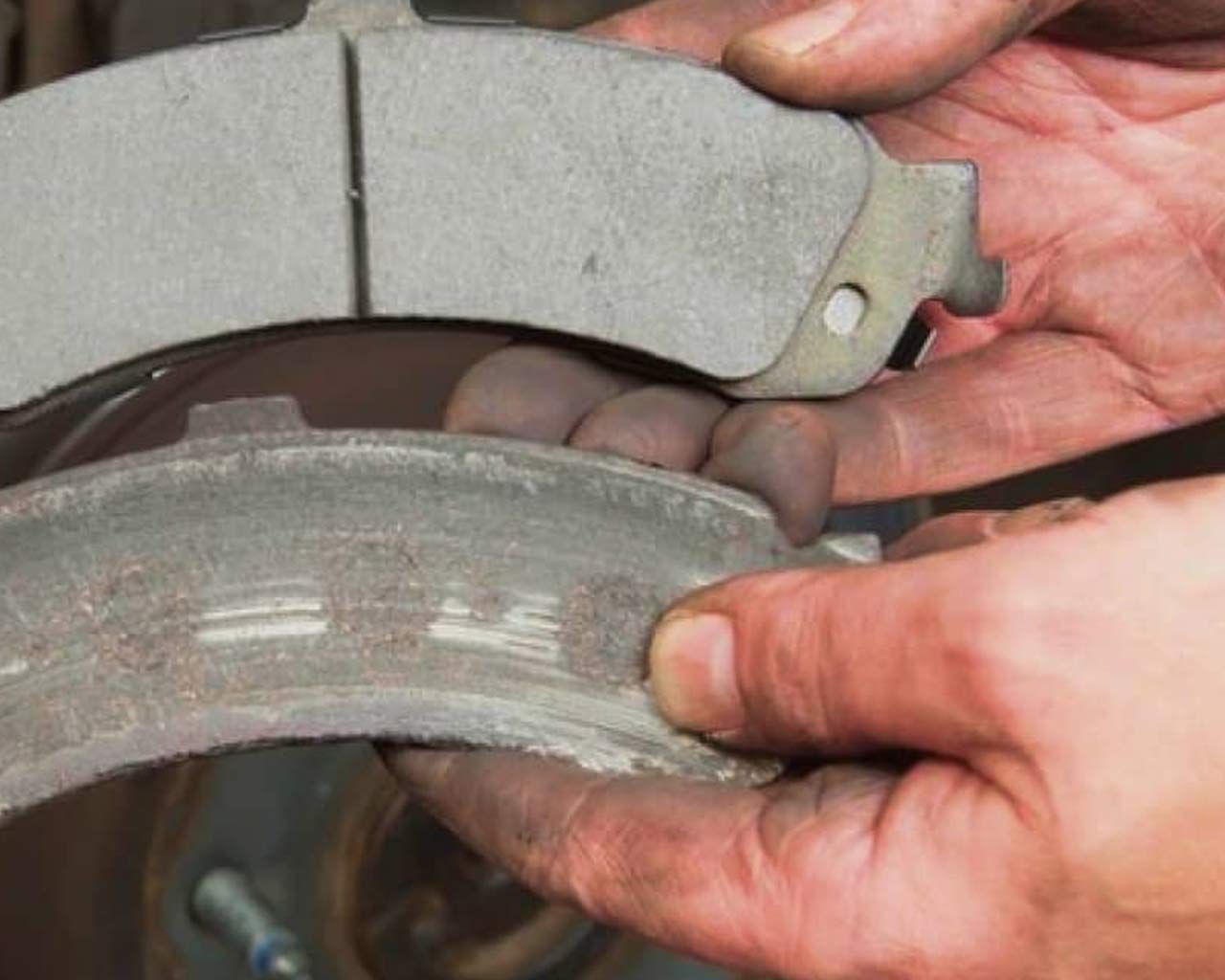
Semi-metallic pads wear out faster than ceramic pads. They can create more brake dust, which needs regular cleaning. These pads may also cause more rotor wear, leading to extra repair costs. Checking the brake system often helps avoid bigger problems.
Maintenance Needs Of Ceramic Pads
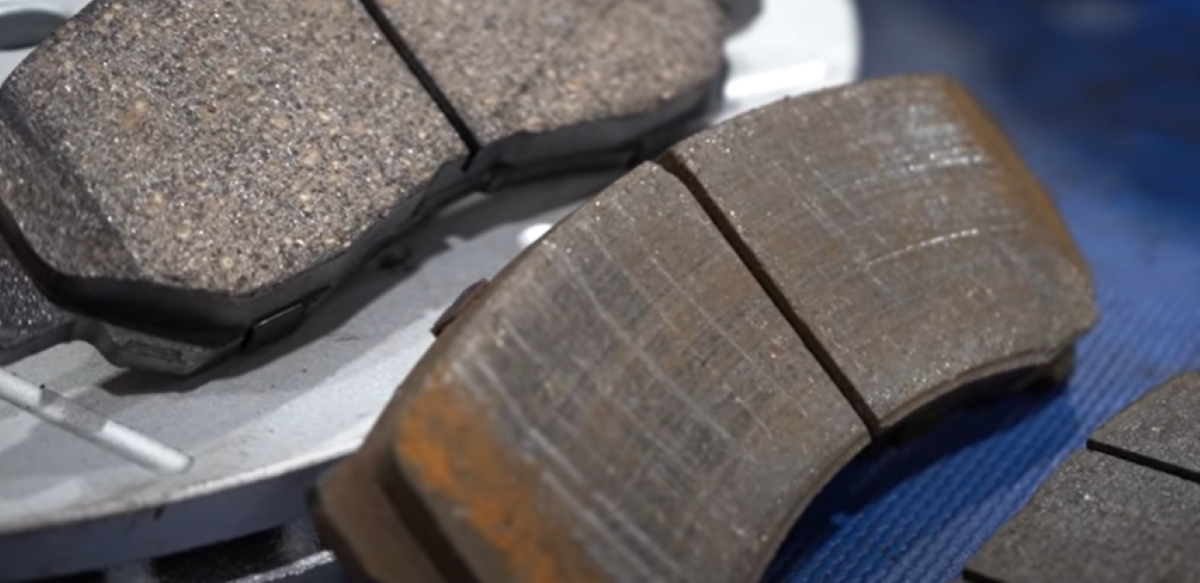
Ceramic pads last longer and produce less dust. This means less cleaning and fewer brake system issues. They are gentle on rotors, reducing wear and tear. Ceramic pads need less frequent replacement, saving time and effort.
Choosing The Right Brake Pads For Your Vehicle
Choosing the right brake pads for your vehicle is important for safety and performance. Brake pads come in different types, mainly semi-metallic and ceramic. Each type has its strengths and fits certain needs. Picking the best one depends on several factors.
These factors include how you drive, what kind of vehicle you own, and the environment around you. Understanding these points helps you make a better choice. Let’s explore these key aspects.
Driving Habits
Your driving style affects brake pad wear and performance. Aggressive driving with hard stops heats the brakes quickly. Semi-metallic pads handle heat well and last longer under these conditions. For gentle city driving with smooth stops, ceramic pads offer quieter braking and less dust. Consider how often you drive and your braking style.
Vehicle Type
The type of vehicle matters when choosing brake pads. Heavy trucks and SUVs need pads that can handle more weight and stress. Semi-metallic pads provide strong braking for these vehicles. Small cars and sedans benefit from ceramic pads, which offer smooth, quiet stops. Check your vehicle’s manufacturer recommendations for the best fit.
Environmental Factors
Weather and road conditions impact brake pad choice. Wet or cold climates may require pads that work well in lower temperatures. Semi-metallic pads perform better in wet conditions due to better friction. Dry and hot climates suit ceramic pads that resist wear and heat. Think about where you drive most often to pick the right pads.
Credit: tires.bridgestone.com
Credit: blog.1aauto.com
Frequently Asked Questions
What Are The Main Differences Between Semi Metallic And Ceramic Brake Pads?
Semi metallic pads contain metal fibers, offering strong braking but more noise. Ceramic pads use ceramic materials, providing quieter and cleaner braking with less dust. Each type suits different driving needs.
Which Brake Pads Last Longer, Semi Metallic Or Ceramic?
Ceramic brake pads generally last longer because they wear down slower. Semi metallic pads wear out faster due to their metal content. Longevity depends on driving style and conditions too.
Do Ceramic Brake Pads Produce Less Noise Than Semi Metallic Pads?
Yes, ceramic brake pads are much quieter during braking. Semi metallic pads often create more noise because of their metal fibers. Quiet braking is a key advantage of ceramic pads.
Are Semi Metallic Brake Pads Better For High-performance Driving?
Semi metallic pads handle heat better and offer stronger stopping power. This makes them ideal for high-performance or heavy-duty driving. Ceramic pads focus more on comfort and low dust.
Conclusion
Choosing between semi-metallic and ceramic brake pads depends on your needs. Semi-metallic pads offer strong braking and last longer. Ceramic pads are quieter and create less dust. Think about your driving style and car type. Both have pros and cons worth considering.
Pick the one that fits your budget and comfort. Safe driving starts with good brakes. Keep your vehicle well-maintained for best results. Your choice affects performance and safety on the road. Easy decisions lead to better rides.