

Why Cabover Trucks Popularity Declined US Market Regulations: Key Insights
Have you ever wondered why cabover trucks, once a common sight on American highways, have nearly disappeared from the roads? If you’re curious about the shift in truck design and what caused cabover trucks to lose their popularity in the US, you’re in the right place.
Understanding how market regulations shaped this change can reveal a lot about the trucking industry and its future. Keep reading to discover the key reasons behind this decline and what it means for you, whether you’re a truck driver, a business owner, or simply interested in transportation trends.

Credit: en.ubiresearchnet.com
Rise Of Cabover Trucks In The Us
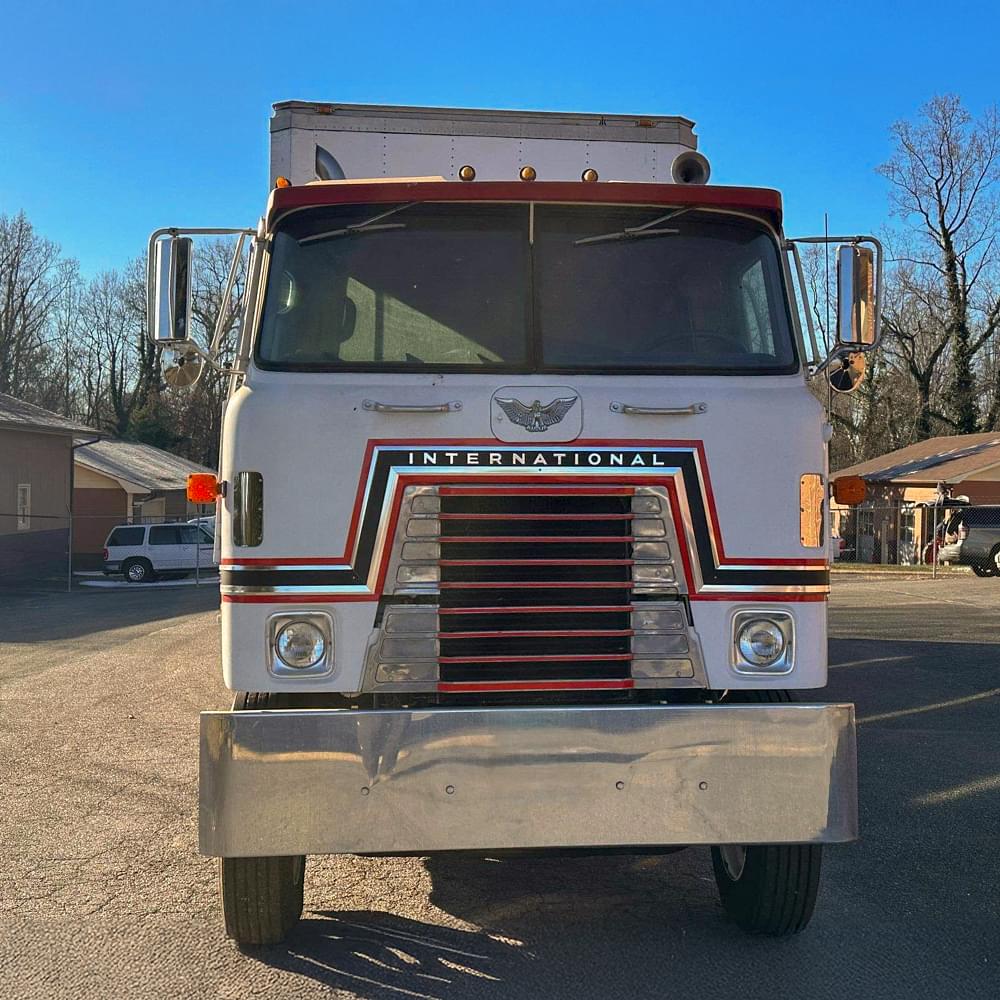
Cabover trucks gained popularity in the US during the mid-20th century. Their design placed the cab over the engine, making the truck shorter. This layout allowed drivers to maneuver easily in tight spaces and urban areas. It was a practical solution for busy city streets and narrow highways.
Cabover trucks also offered better visibility for drivers. Sitting higher and more forward gave a clearer view of the road ahead. This helped improve safety and reduced blind spots. Companies appreciated these trucks for delivery and local transport work.
Compact Design For Urban Use
The short length of cabover trucks made them ideal for city use. They could fit into loading docks and busy streets better than long-nose trucks. This compact size helped businesses save time during pickups and deliveries. It made cabovers a preferred choice for many industries.
Fuel Efficiency And Cost Savings
Cabover trucks often used less fuel due to their lighter weight. Lower fuel consumption reduced operating costs. Truck owners found them cheaper to run than conventional trucks. The savings were important for companies with large fleets.
Regulatory Impact On Size And Length
US regulations on truck length favored cabover designs. Laws limited the total length of trucks and trailers combined. Cabover trucks maximized cargo space while staying within legal limits. This advantage helped boost their use across the country.
Credit: tractorzoom.com
Impact Of Us Safety Regulations
US safety regulations greatly shaped the trucking industry. These rules aimed to improve driver and road safety. They affected truck design and operation standards. Cabover trucks, popular for many years, faced challenges from these changes. The new rules made some aspects of cabover trucks less practical and less safe. This led to a decline in their popularity.
Crash Test StandardsNew crash test rules demanded stronger front-end protection. Cabover trucks have a flat front design. This design offers less space for crumple zones. Crumple zones absorb impact during crashes. Meeting these standards was difficult for cabover models. Manufacturers had to redesign or stop producing them.
Driver Visibility and SafetyRules focused on improving driver visibility and reducing blind spots. Cabover trucks have large windows and good forward visibility. But their side and rear visibility posed problems. Regulations required better mirrors and sensors. Adding these features increased costs and complexity.
Height and Length RestrictionsUS rules limit truck height and length for road safety. Cabover trucks are shorter than conventional trucks. This helped with length restrictions but affected cab space. New rules required more comfort and safety features inside. Meeting these with limited space was a challenge.
Impact on Truck ManufacturersManufacturers shifted focus to conventional trucks. These trucks easily met safety regulations. They offer more space for safety features and comfort. The cost to update cabover trucks was too high. Production of cabover models dropped significantly.
Changes In Driver Comfort And Preferences
Driver comfort and preferences have shifted a lot over time. Cabover trucks once fit drivers’ needs well. But changes in what drivers want have affected their popularity.
Modern drivers look for more space and better ride quality. They spend long hours on the road and want less fatigue. Comfort features like legroom, seat support, and noise reduction matter more today.
Limited Space Inside Cabover Trucks
Cabover trucks have a flat front design. This design reduces the length of the truck. It also limits the space inside the cab. Drivers feel cramped with less room to move.
Long trips require enough space to stretch and relax. Cabover cabs can feel tight and uncomfortable. This makes drivers prefer conventional trucks with bigger cabs.
Ride Quality And Road Noise
Cabover trucks sit above the front axle. This position means drivers feel more bumps and shocks. The ride can be rougher compared to conventional trucks.
Noise inside cabover cabs is often louder. Engine and road sounds can disturb drivers. Less comfort and more noise lead many to choose other truck types.
Changing Driver Expectations
Drivers today expect modern features and technology. They want adjustable seats, climate control, and better visibility. Conventional trucks offer more options for these upgrades.
Safety features and driver assistance systems also influence preferences. Cabover trucks lag behind in these areas. Drivers tend to pick trucks that match their comfort needs better.

Credit: www.supplypost.com
Shift Toward Conventional Truck Designs
Changes in US rules made cabover trucks less practical. Conventional trucks offer better safety and easier maintenance. This shift led to their rise in popularity over cabover designs.
The rise of conventional truck designs marked a clear change in the US trucking industry. Drivers and companies began to prefer trucks with long noses instead of cabover models. This shift happened slowly but steadily over several decades.
Conventional trucks offered more comfort and better safety features. The engine sits in front of the cab, giving drivers more space inside. This design also made trucks easier to repair and maintain.
Improved Driver Comfort And Visibility
Conventional trucks provide more room for drivers to move and rest. The longer hood allows for better sound insulation. Drivers experience less noise and heat inside the cab.
These trucks also offer better visibility on the road. The higher seating position helps drivers see farther ahead. This improves overall driving safety and reduces fatigue.
Lower Maintenance And Repair Costs
With the engine in front, conventional trucks are easier to service. Mechanics have better access to parts and components. Repairs take less time and cost less money.
This advantage appeals to fleet owners managing many trucks. Reduced downtime means more time on the road and higher profits.
Compliance With Safety And Emission Regulations
New US rules required trucks to meet stricter safety and emission standards. Conventional trucks adapted more quickly to these changes. Their design allowed easier integration of new technologies.
Cabover trucks faced challenges meeting these regulations. The compact design limited space for safety features and emission controls.
Frequently Asked Questions
Why Did Cabover Trucks Lose Popularity In The Us?
Cabover trucks became less popular due to safety and comfort concerns. US regulations favored conventional trucks with longer hoods. Drivers preferred better visibility and easier maintenance.
How Did Us Regulations Affect Cabover Truck Design?
US laws required stricter crash safety and emissions standards. These rules made cabover trucks harder to design and certify. This led manufacturers to focus on conventional truck models.
What Safety Issues Impacted Cabover Truck Use?
Cabover trucks had less crash protection for drivers. The cab sits over the engine, increasing injury risk. New safety standards pushed the market toward safer designs.
Did Driver Comfort Influence Cabover Truck Decline?
Yes, cabover trucks offered less ride comfort and space. Drivers favored conventional trucks with more room and better suspension. Comfort became a key factor in truck choice.
Are Cabover Trucks Still Used In Other Markets?
Cabover trucks remain popular outside the US, especially in Europe and Asia. Their compact design fits narrow roads and tight spaces. Regulations and road conditions differ globally.
Conclusion
Cabover trucks once led the US roads with their unique design. New safety and size rules changed the trucking game. These regulations made cabover trucks less practical and less common. Truck makers shifted to designs that fit the new rules better.
Drivers and companies also preferred trucks with more comfort and space. The decline shows how rules can shape vehicle choices. Cabover trucks remain part of trucking history, but the market has moved on. Understanding these changes helps explain today’s truck styles and trends.