Where is the Torque Converter Clutch Solenoid Located: Easy Guide
Have you ever wondered why your car sometimes feels less smooth when shifting gears or why your fuel efficiency isn’t quite what it should be? The torque converter clutch solenoid might be the key to understanding these issues.
Knowing where this small but important part is located can help you spot problems early and save money on repairs. You’ll discover exactly where the torque converter clutch solenoid is found and why it matters for your vehicle’s performance. Keep reading to unlock the secrets that can keep your car running smoothly!
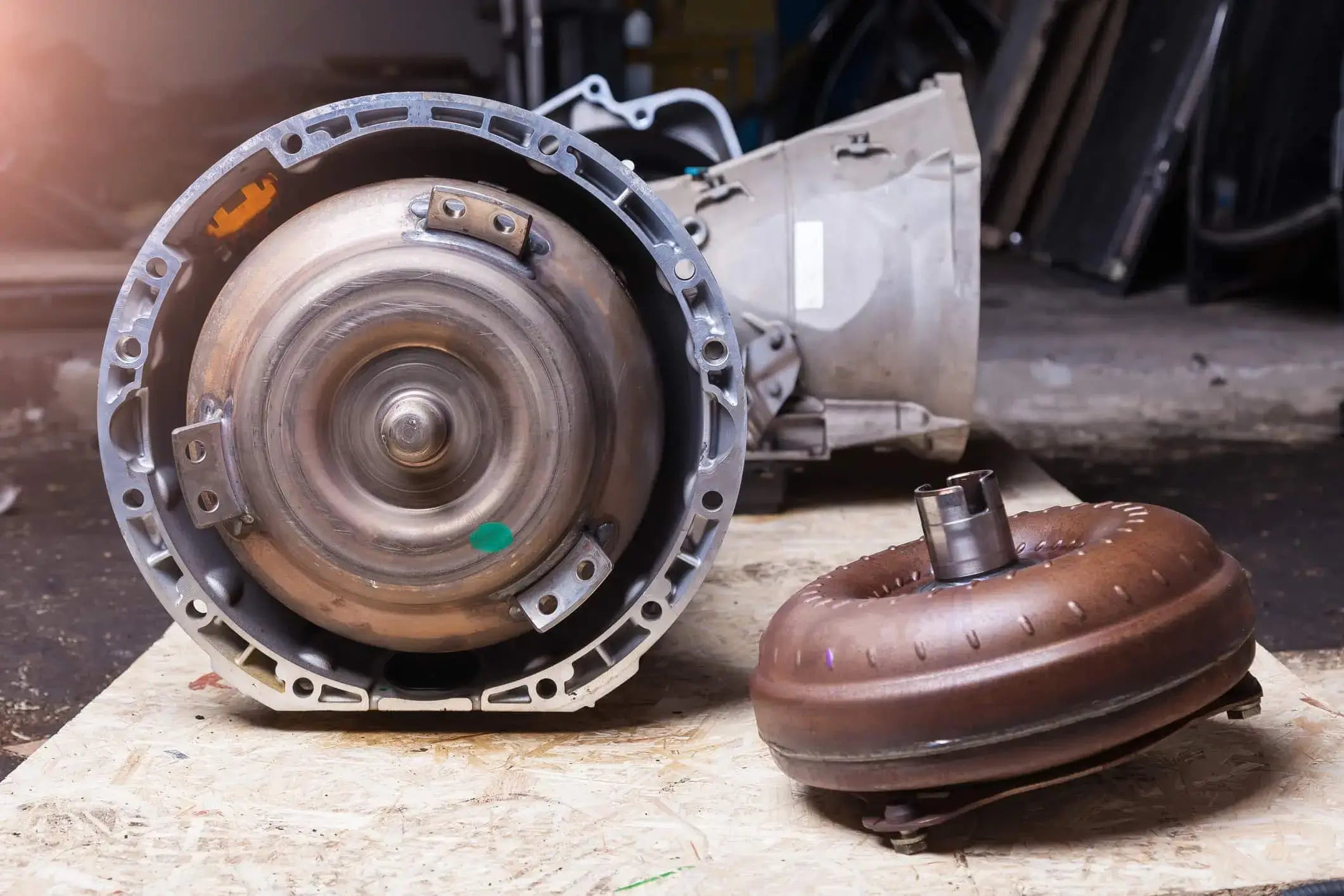
Credit: www.cgsulitstore.com
What Is A Torque Converter Clutch Solenoid
The torque converter clutch solenoid controls fluid flow inside the transmission. It is usually found near the transmission valve body or inside the transmission housing. This small part helps the car shift smoothly and improves fuel efficiency.
What Is A Torque Converter Clutch Solenoid?
The torque converter clutch solenoid is a small but important part of an automatic transmission. It controls the flow of transmission fluid inside the torque converter. This helps the torque converter lock or unlock as needed.
Locking the torque converter improves fuel efficiency and reduces heat. The solenoid sends signals to the transmission system to engage or release the clutch. This action helps the engine power transfer smoothly to the wheels.
How Does The Torque Converter Clutch Solenoid Work?
The solenoid works by opening and closing a valve. This valve controls hydraulic pressure inside the torque converter. When the valve opens, fluid flows and the clutch releases. When it closes, the clutch locks and connects the engine to the transmission.
The solenoid receives electrical signals from the vehicle’s computer. These signals tell it when to engage the clutch. Proper timing is key for smooth driving and better fuel economy.
Why Is The Torque Converter Clutch Solenoid Important?
This solenoid helps improve fuel savings by reducing slippage. Without it, the torque converter would spin freely, wasting energy. It also prevents the transmission from overheating by reducing unnecessary friction.
A faulty solenoid can cause rough shifting, slipping, or stalling. It can also lead to poor gas mileage. Keeping this part in good condition helps your vehicle run smoothly.

Credit: www.youtube.com
Signs Of A Faulty Torque Converter Clutch Solenoid
The torque converter clutch solenoid plays a key role in your car’s transmission. It controls the flow of transmission fluid to the torque converter clutch. When this solenoid fails, your vehicle can show clear signs of trouble. Recognizing these symptoms early helps avoid serious damage and costly repairs.
Below are common signs that point to a faulty torque converter clutch solenoid. Watch for these issues to keep your car running smoothly.
Engine Stalling Or Shaking
A bad solenoid can cause the engine to stall or shake. This happens because the torque converter clutch does not engage properly. Your car may feel like it is struggling to keep running at low speeds or when stopping.
Poor Fuel Economy
The solenoid helps improve fuel efficiency by locking the torque converter. When it fails, your engine works harder than needed. This results in higher fuel consumption and more trips to the gas station.
Transmission Overheating
A faulty solenoid can cause the transmission to overheat. The clutch may slip and create extra heat inside the transmission. Overheating can damage internal parts and lead to expensive repairs.
Delayed Or Harsh Shifting
Shifts between gears may feel slow or rough. The solenoid controls fluid flow for smooth gear changes. If it malfunctions, shifting becomes erratic, causing discomfort and potential transmission wear.
Check Engine Light
The vehicle’s computer monitors the solenoid’s performance. When it detects a problem, the check engine light turns on. A diagnostic scan can confirm if the torque converter clutch solenoid is the cause.
Common Locations In Different Vehicles
The torque converter clutch solenoid plays a key role in automatic transmissions. Its location varies across vehicle types. Knowing common spots helps in diagnostics and repairs. Here are typical locations by vehicle category.
Sedans And Compact Cars
In sedans and compact cars, the solenoid usually sits near the transmission. It often attaches to the transmission housing or valve body. This position keeps it close to the torque converter. Access is generally easier in these vehicles. Mechanics can reach it by removing a few parts under the hood.
Suvs And Trucks
SUVs and trucks have larger transmissions. The solenoid may be deeper inside the transmission case. Sometimes it mounts near the transmission oil pan. These vehicles often use heavy-duty solenoids for better durability. Locating it may require lifting the vehicle or removing protective covers.
Luxury And Performance Models
Luxury and performance cars use advanced transmissions. The solenoid might be integrated within complex valve bodies. It could also be part of electronic control units near the transmission. These models focus on smooth shifting and efficiency. Finding the solenoid may need specialized tools and knowledge.

Credit: streetsmarttransmission.com
Tools Needed For Inspection And Replacement
Inspecting and replacing the torque converter clutch solenoid requires specific tools. These tools ensure the job is done safely and correctly. Using the right equipment saves time and prevents damage to your vehicle.
Gathering all necessary tools before starting helps the process go smoothly. Some tools are common in most garages, while others may be specific to this task. Knowing what you need prepares you for the job ahead.
Basic Hand Tools
You will need a set of basic hand tools. These include screwdrivers, pliers, and socket wrenches. Socket wrenches with various sizes help remove bolts and screws. A ratchet wrench can make work faster and easier.
Multimeter
A multimeter is essential for testing the solenoid’s electrical function. It measures voltage and resistance. This tool helps find faults without removing the solenoid. It is important for accurate diagnosis.
Jack And Jack Stands
Use a jack and jack stands to lift and secure your vehicle. This provides safe access to the transmission area. Never work under a car supported only by a jack. Jack stands give stability and safety.
Replacement Parts
Have the correct replacement solenoid ready. Make sure it matches your vehicle’s make and model. Using the right part ensures proper fit and function. It avoids extra trips to the store.
Shop Manual Or Repair Guide
A shop manual or repair guide is a useful reference. It offers step-by-step instructions and diagrams. This helps avoid mistakes during inspection and replacement. Manuals also provide torque specifications for bolts.
Step-by-step Guide To Locate The Solenoid
Finding the torque converter clutch solenoid can seem tricky. This guide breaks down the process into simple steps. Follow these clear instructions to locate the solenoid with ease. No special tools or skills are needed for the basic steps.
Preparing Your Vehicle
Park the vehicle on a flat surface. Turn off the engine and remove the key. Engage the parking brake for safety. Open the hood and secure it with the prop rod. Let the engine cool down if it was running.
Accessing The Transmission Area
Locate the transmission under the vehicle’s hood. It is usually near the engine and connected to the driveshaft. Remove any covers or shields that block access. Use a flashlight to see clearly in tight spaces. Keep tools handy to unscrew bolts if needed.
Identifying The Solenoid
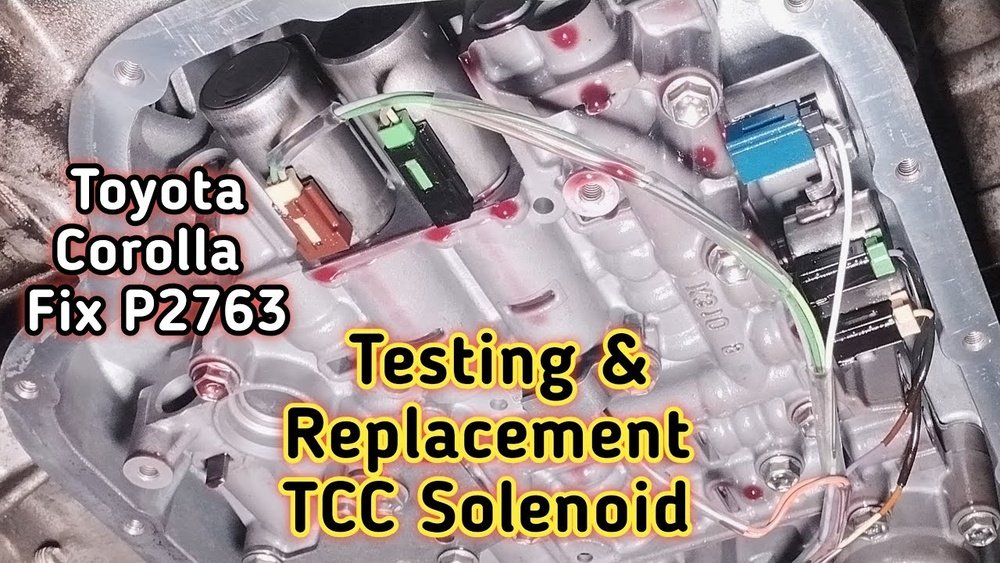
Look for a small, rectangular component attached to the transmission. It will have electrical wires connected to it. The solenoid is often near the transmission fluid lines. Check the vehicle’s manual for exact placement. The solenoid controls fluid flow in the torque converter clutch.
Tips For Maintaining The Torque Converter Clutch Solenoid
Maintaining the torque converter clutch solenoid helps your car run smoother. This part controls the flow of fluid in your transmission. Keeping it clean and checked avoids costly repairs. Follow these simple tips to extend its life and performance.
Regular Fluid Checks And Changes
Check your transmission fluid often. Low or dirty fluid can harm the solenoid. Change the fluid based on your car’s manual. Clean fluid keeps the solenoid working well and prevents blockages.
Keep The Electrical Connections Clean
Inspect the solenoid’s electrical connectors. Dirt or corrosion here can cause poor signals. Clean the connectors with a dry cloth or electrical cleaner. Good connections help the solenoid respond quickly.
Watch For Warning Signs
Pay attention to your car’s shifting behavior. Slipping gears or rough shifts might mean solenoid trouble. Early detection helps fix problems before they worsen. Take action as soon as you notice issues.
Schedule Professional Inspections
Have a mechanic check the solenoid during regular service. They can spot wear or damage early. A professional can clean or replace the solenoid if needed. Regular inspections keep your transmission healthy.
Frequently Asked Questions
Where Is The Torque Converter Clutch Solenoid Located?
The torque converter clutch solenoid is inside the transmission. It is usually near the valve body, deep in the transmission case. Finding it often requires removing transmission parts.
Can I Find The Solenoid Without Removing The Transmission?
Usually, no. The solenoid sits inside the transmission, so removal of parts is needed. Sometimes, it is accessible from underneath with special tools.
How Do I Identify The Torque Converter Clutch Solenoid?
It is a small cylindrical or rectangular electrical component. It has wiring connected to the transmission and controls fluid flow. Check your vehicle manual for exact location.
What Tools Help Locate The Torque Converter Clutch Solenoid?
A service manual, basic hand tools, and sometimes a scan tool help. A flashlight and inspection mirror also make finding it easier. Proper tools save time.
Does The Solenoid Location Vary By Car Model?
Yes, different makes and models place it differently. Most are near the valve body, but exact spots differ. Always check your vehicle’s repair guide.
Conclusion
The torque converter clutch solenoid sits inside the transmission. It controls fluid flow to help your car shift smoothly. Finding it can save time and money on repairs. Knowing its location helps you understand transmission issues better. Check near the valve body or transmission housing.
A clear idea of this part keeps your vehicle running well. Regular maintenance can prevent bigger problems down the road. Keep your car’s transmission healthy by staying informed. Simple steps make a big difference in car care.