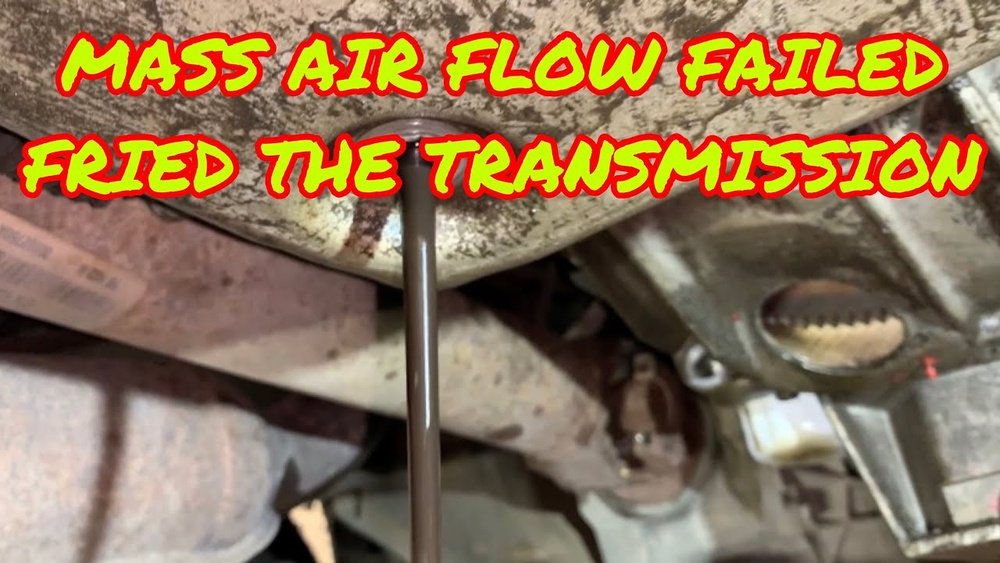
Can a Bad Mass Air Flow Sensor Cause Transmission Problems? Shocking Facts!
Have you ever wondered if a bad mass air flow sensor could be the hidden reason behind your transmission troubles? You might not expect these two parts to be connected, but they are.
When your car’s air flow sensor isn’t working right, it can cause more than just engine issues—it can seriously affect how your transmission performs. If you want to avoid costly repairs and keep your vehicle running smoothly, understanding this connection is key.
Keep reading to discover how a faulty mass air flow sensor might be causing your transmission problems and what you can do about it.

Credit: www.youtube.com
Role Of Mass Air Flow Sensor
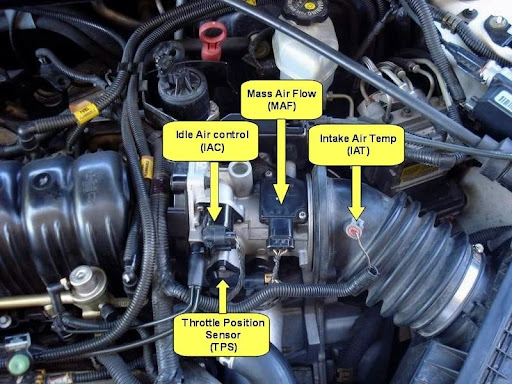
The mass air flow (MAF) sensor measures the amount of air entering the engine. It sends this data to the engine control unit (ECU). The ECU uses this information to balance fuel and air for combustion. Proper air and fuel mix is vital for engine efficiency.
The MAF sensor helps the engine run smoothly. It affects fuel economy and emissions. A bad MAF sensor can cause poor engine performance and even affect other parts of the vehicle.
How It Affects Engine Performance
The MAF sensor controls the air intake reading. If the sensor fails, the engine may get wrong air data. This leads to incorrect fuel delivery. The engine might run too rich or too lean. Problems like rough idling, stalling, and poor acceleration can happen.
Fuel efficiency drops because the engine burns more fuel than needed. Emissions increase, causing pollution and possible failed inspections. The engine may also produce unusual sounds or hesitate during driving.
Connection To Transmission Function
The transmission relies on engine signals to shift gears properly. The ECU uses data from the MAF sensor to adjust engine load. A faulty MAF sensor can send wrong signals. This confuses the transmission control module.
The transmission may shift too early or too late. Gear slipping or harsh shifting can occur. Transmission problems often start with engine sensor issues. Fixing the MAF sensor can prevent bigger transmission damage.
Symptoms Of A Faulty Mass Air Flow Sensor
A faulty mass air flow (MAF) sensor can cause several issues in your vehicle. This sensor measures the air entering the engine. If it sends wrong data, the engine’s performance suffers. You might notice strange symptoms that point to a bad MAF sensor. These signs often affect the engine and transmission.
Engine Hesitation And Stalling
The engine may hesitate during acceleration. It can feel like a delay or a sudden loss of power. Stalling can happen, especially when the car is idling. This occurs because the air-fuel mix is incorrect. The sensor’s wrong readings confuse the engine control unit. It struggles to keep the engine running smoothly.
Transmission Shifting Issues
A bad MAF sensor can cause shifting problems in the transmission. The vehicle might shift too early or too late. You may notice rough or jerky shifts. This happens because the engine’s power output is uneven. The transmission relies on smooth power to shift correctly. Faulty sensor data disrupts this balance and affects shifting.
Diagnosing Transmission Problems Linked To Maf Sensor
Diagnosing transmission problems linked to a faulty Mass Air Flow (MAF) sensor can be tricky. The MAF sensor measures the air entering the engine. This data helps the engine control unit adjust fuel delivery. If the sensor sends wrong information, the engine may run poorly. This can affect transmission performance too. Early diagnosis can prevent costly repairs. Let’s explore how to identify transmission issues caused by a bad MAF sensor.
Common Diagnostic Methods
One common method is scanning the vehicle’s computer for error codes. The onboard diagnostics (OBD-II) system stores codes related to engine and transmission problems. A bad MAF sensor often triggers codes like P0100 to P0104. Mechanics check for symptoms such as rough idling, stalling, or delayed gear shifts. Test driving can reveal transmission slipping or hesitation. Inspecting vacuum leaks and air filters also helps find the root cause. These steps narrow down if the MAF sensor causes transmission issues.
Tools And Techniques
Technicians use an OBD-II scanner to read fault codes quickly. A multimeter tests the MAF sensor’s electrical signals for proper voltage. Smoke machines detect vacuum leaks affecting sensor performance. Live data monitoring shows air flow readings during engine operation. Mechanics may clean the sensor with special spray to remove dirt. Road testing confirms if fixes improve transmission response. Combining these tools ensures accurate diagnosis of MAF sensor-related transmission problems.
Credit: www.firestonecompleteautocare.com
Fixes And Preventive Measures
Fixing a bad mass air flow (MAF) sensor can help avoid transmission problems. Quick action prevents costly repairs and keeps the car running smoothly. Regular care makes a big difference in sensor performance and transmission health.
Cleaning Vs Replacing The Sensor
Cleaning the MAF sensor is often the first step. Dirt and debris can block the sensor and cause wrong readings. Use a special MAF sensor cleaner spray to gently remove grime. Avoid harsh chemicals or touching sensor wires.
If cleaning does not help, replacing the sensor is necessary. A faulty sensor sends bad data to the engine control unit. This can cause rough shifting and transmission issues. Installing a new sensor restores proper airflow measurement.
Maintenance Tips To Avoid Issues
Check the air filter regularly. A dirty filter can contaminate the MAF sensor. Replace the filter as recommended by the car manufacturer. Keep the engine bay clean to prevent dust buildup on the sensor.
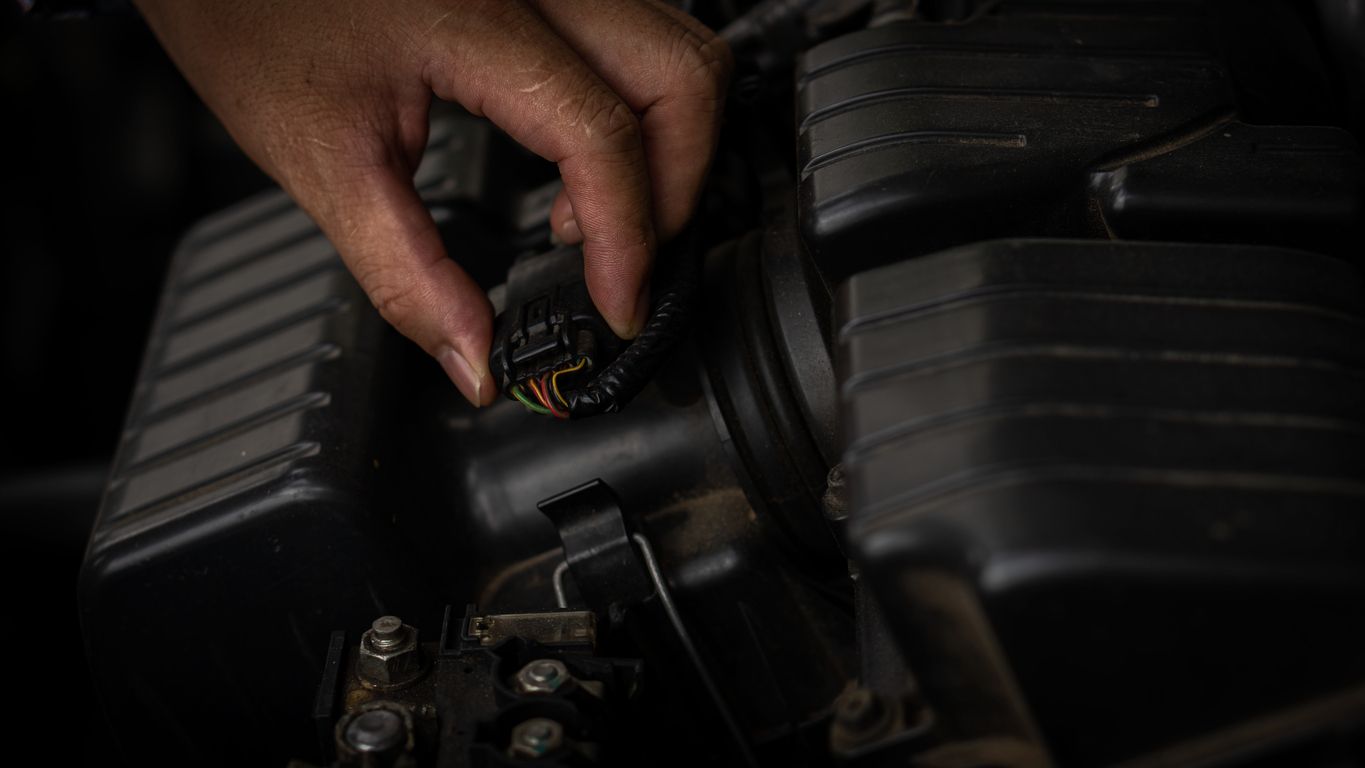
Inspect the sensor wiring and connectors for damage. Loose or broken wires affect sensor signals. Address any engine warning lights immediately. Early detection prevents further transmission damage.
Credit: carorbis.com
Frequently Asked Questions
Can A Faulty Mass Air Flow Sensor Affect Transmission Shifting?
Yes, a bad mass air flow sensor can cause rough or delayed transmission shifts. It sends wrong air data, leading to poor engine and transmission performance.
What Symptoms Link Mass Air Flow Sensor To Transmission Issues?
Symptoms include rough idling, engine stalling, and jerky shifting. These signs suggest the sensor is not sending correct air flow info.
How Does Mass Air Flow Sensor Impact Automatic Transmission?
The sensor controls fuel-air mix, affecting engine load. This load data helps the transmission decide when to shift gears smoothly.
Can Replacing A Bad Maf Sensor Fix Transmission Problems?
Replacing a faulty MAF sensor often improves transmission behavior. It restores correct air flow data, helping the transmission shift properly.
Should I Check The Mass Air Flow Sensor For Transmission Trouble?
Yes, checking the MAF sensor is important if transmission shifts feel off. It’s a common cause of transmission and engine problems.
Conclusion
A bad mass air flow sensor can indeed cause transmission problems. It affects how the engine runs and shifts gears. Poor sensor data can confuse the transmission system. This often leads to rough or delayed shifting. Fixing or replacing the sensor usually solves these issues.
Regular car check-ups help catch problems early. Don’t ignore strange transmission behavior or engine trouble. Taking quick action saves you from costly repairs later. Keep your vehicle running smoothly by paying attention to sensor health. Simple care goes a long way for your car’s performance.