
How to Know If Your Catalytic Converter is Going Bad: Key Signs
Is your car acting up, but you’re not sure why? One common culprit could be your catalytic converter.
Knowing if your catalytic converter is going bad can save you from costly repairs and keep your car running smoothly. You’ll learn the simple signs to watch for and easy ways to check if your catalytic converter needs attention. Keep reading to protect your car and avoid unexpected breakdowns.
Common Symptoms
The catalytic converter is a key part of a car’s exhaust system. It helps reduce harmful gases. Knowing the signs of a bad catalytic converter can save money and prevent bigger problems.
Watch for clear symptoms. They often show early when the converter starts to fail. Catching these signs helps keep your car running well.
Check Engine Light
The check engine light often comes on if the catalytic converter is bad. The car’s computer senses a problem. This light warns that the exhaust system is not working right.
Poor Engine Performance
A failing catalytic converter can make the engine lose power. The car may feel slow or weak. Acceleration might be sluggish, and it may take longer to speed up.
Rattling Noise
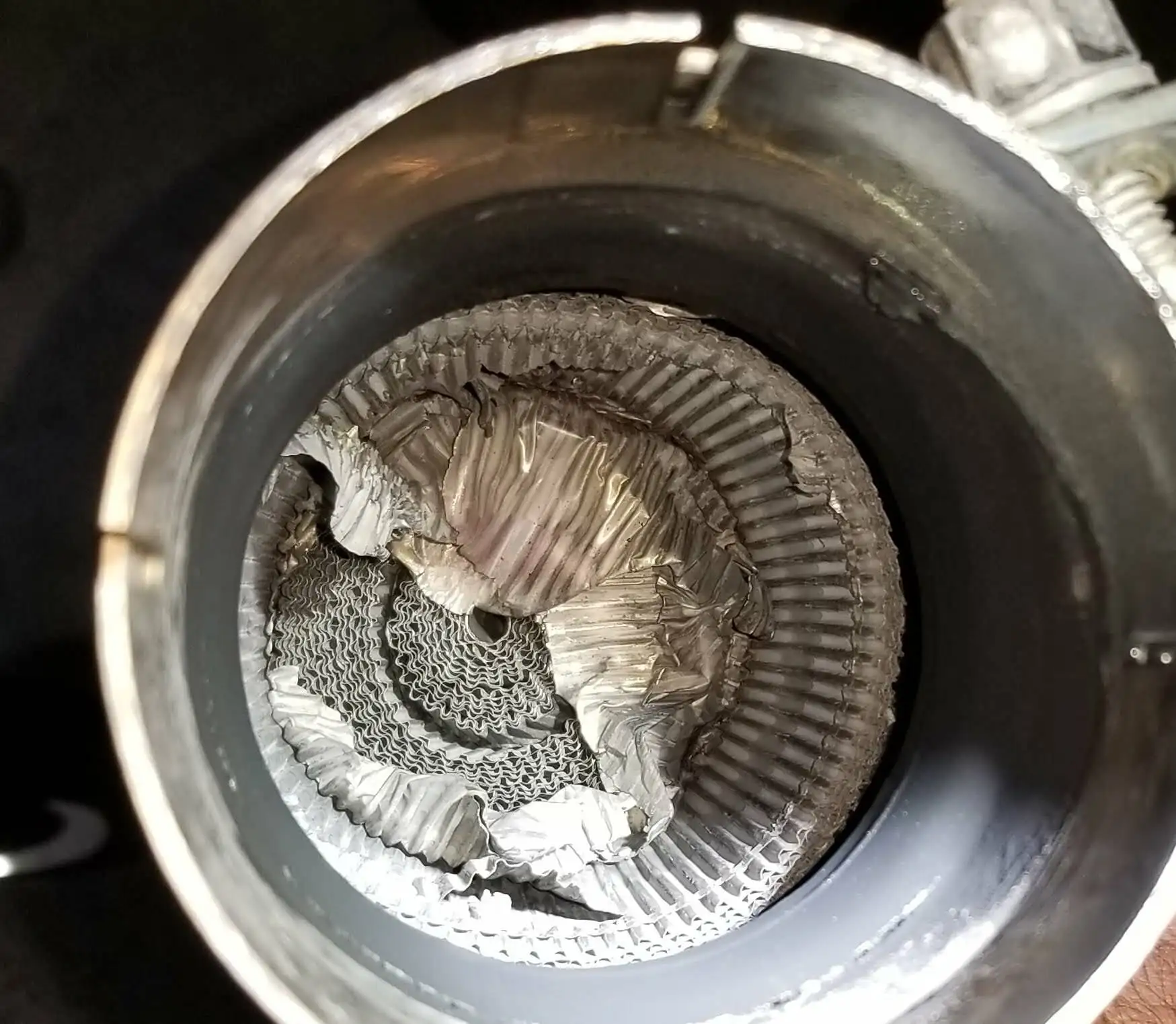
A bad converter can cause a rattling sound under the car. This noise happens when the internal parts break apart. It often gets louder when starting or idling the engine.
Excessive Heat Under The Vehicle
The area near the catalytic converter may become very hot. This happens if the converter is clogged or damaged. Heat can sometimes be felt under the car’s floor.
Strong Exhaust Smell
A bad catalytic converter may not clean the exhaust properly. This causes a strong, rotten egg smell from the tailpipe. The odor is a clear sign of trouble.
Credit: comtires.com
Check Engine Light Indicators
The check engine light is an important clue about your car’s health. It alerts you to many engine problems, including issues with the catalytic converter. This light is part of your vehicle’s onboard diagnostics system. It turns on when the system detects a fault. Understanding the signals from this light can help you act fast.
The check engine light might come on steady or flash. Each pattern means something different. A steady light often signals a minor issue. A flashing light usually points to a serious problem that needs immediate attention. Pay close attention to these signals to protect your car and avoid costly repairs.
What The Check Engine Light Means For Catalytic Converter Issues
The light may turn on if the catalytic converter is clogged or damaged. It can also indicate poor performance. A faulty converter can cause the engine to run rough or lose power. The onboard computer detects this through sensors before the light turns on.
Common Error Codes Linked To Catalytic Converter Problems
Diagnostic trouble codes (DTCs) help identify problems. Codes like P0420 or P0430 often point to catalytic converter issues. These codes show the converter is not working efficiently. Mechanics use a scanner tool to read these codes and diagnose the problem.
What To Do When The Check Engine Light Comes On
Don’t ignore the light. Take your car to a mechanic or use a code reader. Early detection can prevent further damage. A quick check saves money and keeps your car running well. If the catalytic converter is failing, prompt action is important.
Changes In Exhaust Smoke
Changes in exhaust smoke often signal issues with the catalytic converter. This part helps clean harmful gases from your car’s engine. When it starts to fail, the smoke coming from the exhaust may look different than usual. Watching the smoke closely can help catch problems early.
Thick, Dark Smoke
Thick, dark smoke can mean your catalytic converter is clogged. This stops the engine from burning fuel properly. The smoke may look black or gray and come out in large amounts. Such smoke often means the converter is not filtering the gases well.
White Or Blue Smoke
White or blue smoke from the exhaust is a bad sign. White smoke may show that coolant is leaking into the engine. Blue smoke means the engine is burning oil. Both can damage the catalytic converter and lower its efficiency.
Foul Or Rotten Egg Smell
A bad catalytic converter may cause a rotten egg smell. This smell comes from sulfur in the exhaust gases. It means the converter is not working right and cannot clean the gases. The smell may grow stronger over time.

Credit: www.youtube.com
Decreased Engine Performance
Decreased engine performance is a common sign of a failing catalytic converter. It affects how well your car runs and can make driving difficult.
You may notice your car feels weak or slow. The engine might struggle to speed up or keep steady power. This happens because the catalytic converter gets clogged or damaged.
A bad converter blocks exhaust gases. This blockage causes the engine to work harder. It can reduce fuel efficiency and cause rough idling.
Loss Of Power During Acceleration
Your car may lose power when you try to speed up. The engine sounds like it is struggling or coughing. This loss of power often means the catalytic converter is not letting gases flow properly.
Poor Fuel Economy
A bad catalytic converter can lower fuel efficiency. Your car may use more gas than usual. This happens because the engine works harder to push exhaust through a clogged converter.
Engine Misfires And Rough Idling
The engine may misfire or run unevenly at idle. You could feel vibrations or shaking inside the car. These symptoms often point to a converter that is not working right.
Check Engine Light Activation
The check engine light may come on during decreased performance. The car’s computer detects issues with the exhaust system. A faulty catalytic converter can trigger this warning.
Unusual Smells From Exhaust
Unusual smells from the exhaust can signal a problem with your catalytic converter. This part helps clean harmful gases from your car’s engine. When it starts to fail, strange odors may come out of the tailpipe. These smells are often the first sign of trouble.
Detecting these odors early can prevent bigger car repairs. Pay attention to any new or odd smells while driving or after parking your vehicle. These hints can save you time and money.
Rotten Egg Smell
A rotten egg or sulfur smell is common when a catalytic converter is going bad. This smell comes from hydrogen sulfide in the exhaust. Normally, the converter changes this gas into less harmful substances. A failing converter cannot do this well, causing the smell to appear.
Burning Or Hot Smell
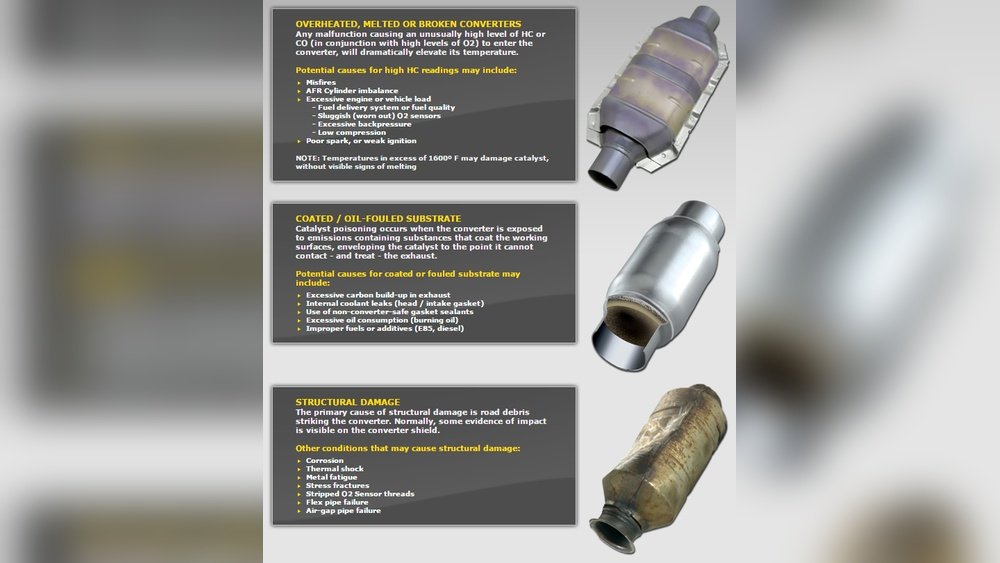
A burning odor may mean the catalytic converter is overheating. This happens if the converter gets clogged or damaged. Overheating can cause internal parts to melt or break down, creating a strong burnt smell. This issue needs quick attention to avoid engine damage.
Strong Gasoline Smell
Smelling raw gasoline from the exhaust can also point to converter problems. A bad catalytic converter fails to burn fuel properly. This causes unburned fuel to exit the tailpipe with a strong gas scent. This smell is a warning that your car is not running right.
Credit: www.premierautomotiveservice.com
Inspecting The Catalytic Converter Physically
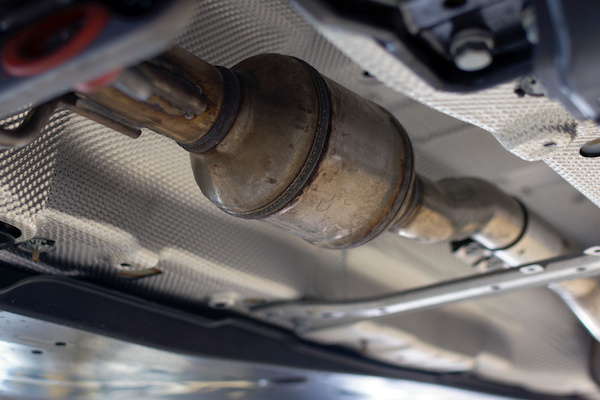
Inspecting the catalytic converter physically helps spot early signs of trouble. This check can save money by catching issues before they worsen. A visual look under the vehicle reveals obvious damage or wear. It is a hands-on way to assess the converter’s condition.
Start by safely lifting the vehicle for a clear view. Use proper tools and follow safety steps to avoid injury. Look for dents, rust, or cracks on the converter’s outer shell. These signs often point to damage or corrosion.
Check For External Damage
Look closely at the catalytic converter’s surface. Dents or cracks may affect its function. Rust spots show metal is weakening. These problems can lead to leaks or failure.
Inspect For Discoloration
Discoloration can indicate overheating. A shiny or darkened area means excessive heat. This heat can harm the converter’s internal parts. Overheating often results from engine problems.
Look For Blockages Or Debris
Debris may block air flow to the converter. Dirt or leaves can stick around the unit. Clean the area to prevent clogging. A blocked converter reduces engine efficiency.
Listen For Unusual Sounds
Tap the converter gently with a tool. Rattling noises suggest broken internal pieces. A healthy converter sounds solid and quiet. Strange sounds often mean internal damage.
Frequently Asked Questions
What Are The Common Signs Of A Bad Catalytic Converter?
A bad catalytic converter often causes poor engine performance and reduced fuel efficiency. It may also produce a rotten egg smell and trigger the check engine light.
How Does A Failing Catalytic Converter Affect Car Performance?
A failing converter can cause engine misfires, slow acceleration, and difficulty starting the car. It blocks exhaust flow, reducing power and fuel economy.
Can A Bad Catalytic Converter Cause The Check Engine Light?
Yes, the check engine light often turns on due to catalytic converter problems. Sensors detect poor converter function and send alerts to the car’s computer.
How Long Does A Catalytic Converter Usually Last?
A typical catalytic converter lasts between 70,000 to 100,000 miles. Proper maintenance can extend its life, but damage or clogging shortens it.
Is It Safe To Drive With A Failing Catalytic Converter?
Driving with a bad catalytic converter can cause engine damage and higher emissions. It’s best to fix or replace it quickly to avoid costly repairs.
Conclusion
A bad catalytic converter can cause many car problems. Signs like strange smells, poor engine performance, or warning lights should not be ignored. Regular car checks help catch issues early. Fixing problems quickly saves money and keeps your car safe.
Knowing these signs helps you act fast. Keep your car running smooth and clean. Don’t wait until small problems become big ones. Stay aware and take care of your vehicle.