Why are My Brakes Squeaking When I Just Changed Them: Top Fixes
You just changed your brakes, expecting smooth, quiet stops. But instead, you hear that annoying squeaking every time you hit the pedal.
It’s frustrating and makes you wonder if something went wrong. Why are your brakes squeaking when they’re brand new? Understanding this can save you stress and help you avoid costly repairs. Keep reading to find out the common reasons behind brake noise and what you can do to fix it fast.
Your safety and peace of mind depend on it.
Common Causes Of Brake Squeaking
Brake squeaking can be frustrating, especially after changing the brake pads. This noise often signals common issues that affect the brake system’s performance. Understanding these causes helps to fix the problem quickly.
Most brake squeaks come from simple mistakes or low-quality parts. Fixing these can restore quiet, smooth braking.
Improper Brake Pad Installation
Incorrect fitting of brake pads can cause squeaking sounds. If the pads are not aligned correctly, they may rub unevenly against the rotor. This friction creates noise and can wear out the pads fast. Proper installation ensures the pads sit firmly and move smoothly during braking.
Use Of Low-quality Brake Pads
Cheap brake pads often contain materials that cause noise. They may wear quickly and generate squeaks under pressure. High-quality pads use better materials that reduce noise and last longer. Investing in good pads means quieter brakes and safer stops.
Lack Of Lubrication On Brake Components
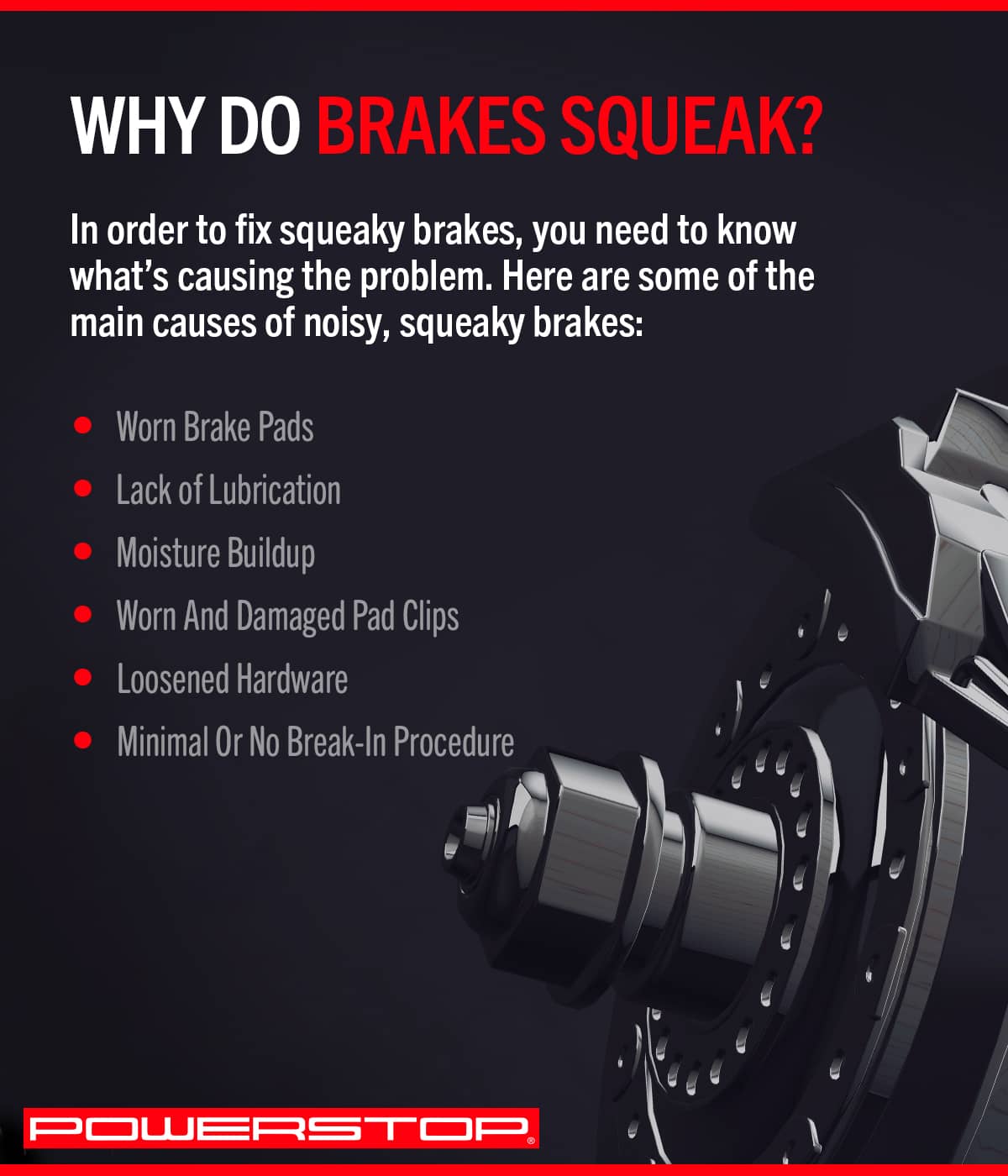
Brakes have moving parts that need lubrication to work silently. Without grease on sliding pins or back of the pads, metal parts can rub loudly. Applying the right lubricant prevents squeaking and helps brakes operate smoothly. Regular maintenance keeps these parts well-lubricated.
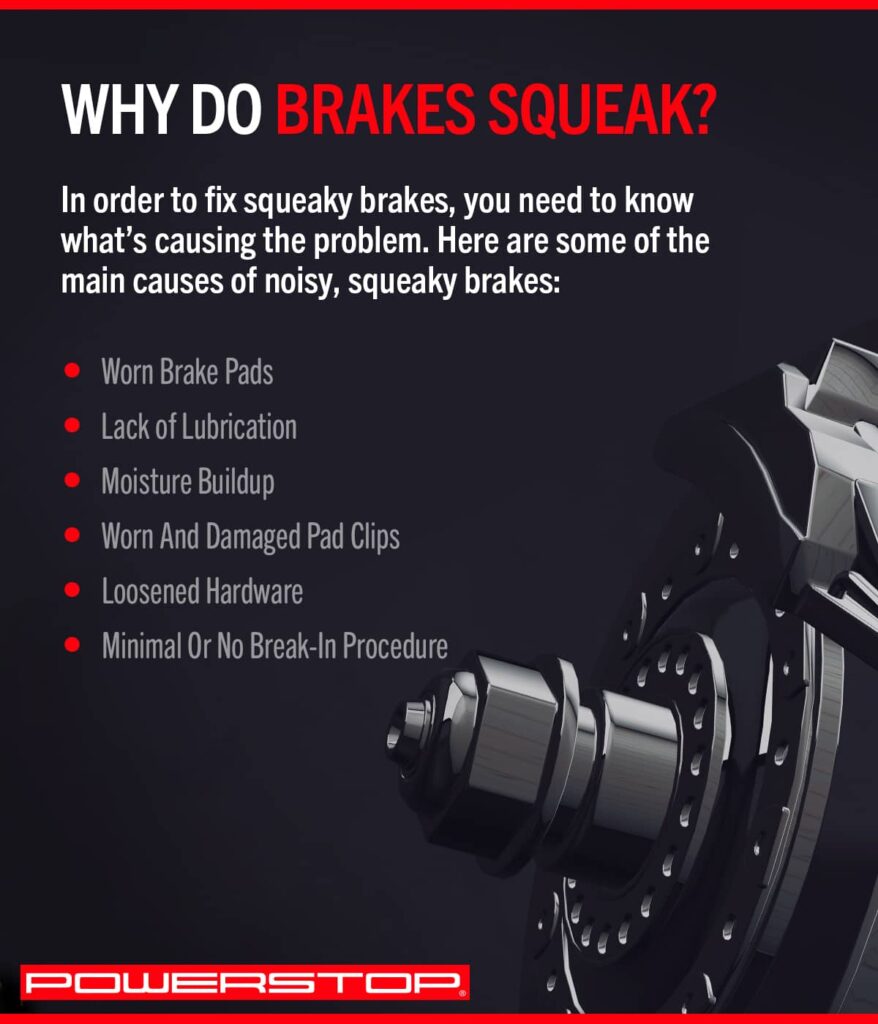
Credit: www.powerstop.com
How Brake Pad Material Affects Noise
The type of material used in brake pads plays a big role in the noise they make. Different materials react differently under pressure and heat. This can cause various sounds, including squeaks. Understanding these materials helps explain why new brake pads might squeak.
Brake pads come in several types, each with its own sound profile. Some materials are softer and quieter. Others are harder and louder. Choosing the right brake pad material can reduce unwanted noise and improve your driving experience.
Differences Between Organic And Metallic Pads
Organic brake pads are made from natural fibers and resins. They are soft and quiet but wear out faster. These pads usually do not cause much noise after installation.
Metallic brake pads contain small metal particles mixed with other materials. They last longer but often produce more noise. The metal parts can create a squeaking sound, especially when new.
Benefits Of Ceramic Brake Pads
Ceramic brake pads use ceramic fibers and filler materials. They offer a balance of durability and quietness. These pads produce less dust and noise than metallic ones.
Ceramic pads handle heat well, reducing the chance of squeaking. They are often chosen for smooth, quiet braking. Ceramic pads tend to be more expensive but offer better noise control.
Role Of Brake Hardware In Noise Issues
Brake hardware plays a big role in stopping noise problems. It holds brake parts in place and helps them move smoothly. When hardware wears out or is missing, brakes can squeak even after new pads are installed.
Small parts like shims and clips reduce vibration. These vibrations cause the high-pitched squeal. Proper hardware keeps brake parts tight and quiet.
Worn Or Missing Shims
Shims are thin metal or rubber plates. They sit between the brake pad and caliper. Shims absorb vibration and stop noise.
Old or missing shims let the brake pad vibrate. This creates a loud squeak during braking. New brake pads need new shims for quiet operation.
Installing shims incorrectly also causes noise. Shims must fit well to work right. Check shim condition when changing brake pads.
Importance Of Anti-rattle Clips
Anti-rattle clips keep brake pads secure in the caliper. They stop pads from moving or rattling.
Without these clips, pads shift and cause noise. Pads may vibrate against other parts loudly.
Clips wear out over time. Replace clips along with pads to avoid squeaking. Proper clips ensure brakes stay tight and silent.

Credit: www.wikihow.com
Cleaning And Maintenance Tips
Keeping your brakes clean and well-maintained helps stop squeaking noises. Dirt, dust, and old grease cause most brake sounds. Regular care keeps brakes working quietly and safely. Use simple steps to clean and lubricate brake parts properly.
Removing Dust And Debris
Brake dust builds up quickly on pads and rotors. Use a soft brush or compressed air to clear dust. Avoid using water, which can cause rust. Check the brake calipers and clean any dirt. Clean parts reduce friction and stop squeaks.
Proper Lubrication Techniques
Apply brake grease only where parts move or touch. Use a high-temperature brake lubricant for best results. Avoid getting grease on brake pads or rotors. Lubricate caliper pins and backing plates carefully. Proper lubrication stops metal grinding and noise.
When To Replace Brake Components Again
Knowing when to replace brake parts again is important. New brakes should not squeak loudly or quickly wear out. Sometimes, the issue lies deeper than just the pads. Checking your brake system carefully can save you time and money.
Brake parts can fail early due to many reasons. Identifying these signs helps keep your car safe. Pay close attention to noises and how your brakes feel.
Signs Of Premature Wear
Look for thin brake pads. Pads thinner than 3mm need replacing. Listen for a high-pitched squeal that lasts long. Uneven wear on the pads shows a problem. Vibrations when braking can mean worn parts. These signs mean brake parts may need replacement soon.
Checking For Rotor Damage
Rotors work with brake pads to stop your car. Warped or scored rotors cause noise and reduce braking power. Check for grooves or cracks on the rotor surface. Feel for vibration when pressing the brake pedal. Damaged rotors should be resurfaced or replaced to avoid quick pad wear.
Professional Services And Tools To Consider
Brakes that squeak after replacement can be frustrating and worrying. Knowing which professional services and tools to use helps solve this problem fast. Proper inspection and the right tools ensure brakes work quietly and safely. Understanding these options saves time and money.
Brake Inspection Services
Professional brake inspection checks all parts carefully. Experts look for issues like improper installation or worn components. They use special tools to measure brake pad thickness and rotor condition. This service finds hidden problems causing squeaks. A thorough inspection ensures safe, smooth braking.
Tools For Diy Brake Fixes
Basic tools help fix brake squeaks at home. A brake cleaner spray removes dust and dirt from pads and rotors. Sandpaper smooths rough edges on brake pads. A brake lubricant reduces friction on moving parts. Having the right tools makes DIY brake maintenance easier and more effective.
Credit: www.powerstop.com
Frequently Asked Questions
Why Do New Brakes Squeak After Installation?
New brakes can squeak due to a thin layer of dust or rust. Pads also need time to settle on the rotors. This noise usually fades after a few uses.
Can Brake Squeaking Mean A Safety Issue?
Squeaking doesn’t always mean danger, but it can signal worn parts. Check if the noise comes with reduced braking power. If yes, get your brakes inspected quickly.
Does Brake Pad Material Affect Squeaking Noise?
Yes, some brake pads, like metallic ones, tend to squeak more. Ceramic pads are quieter but cost more. The type of pad influences noise levels.
How Can I Stop My Brakes From Squeaking?
Clean the brake parts and apply anti-squeal lubricant to the back of pads. Make sure the pads fit well and the rotors are smooth. Proper maintenance reduces noise.
Is It Normal For Brakes To Squeak Briefly After Changing?
Yes, brief squeaking is normal as new pads and rotors adjust. The noise often stops after a short break-in period. If it lasts longer, have a mechanic check.
Conclusion
Squeaking brakes after a change can feel confusing. Often, dust or dirt causes noise. Sometimes, new pads need time to settle. Thin brake pads or lack of lubrication also create sounds. Check your brakes soon to stay safe. Fixing squeaks keeps your drive smooth and quiet.
Don’t ignore the noise; it signals your brakes need attention. Simple care can stop the squeak and protect your car. Stay alert and maintain your brakes regularly for best results.