Can a Bad Brake Caliper Cause Vibration While Driving? Find Out Now!
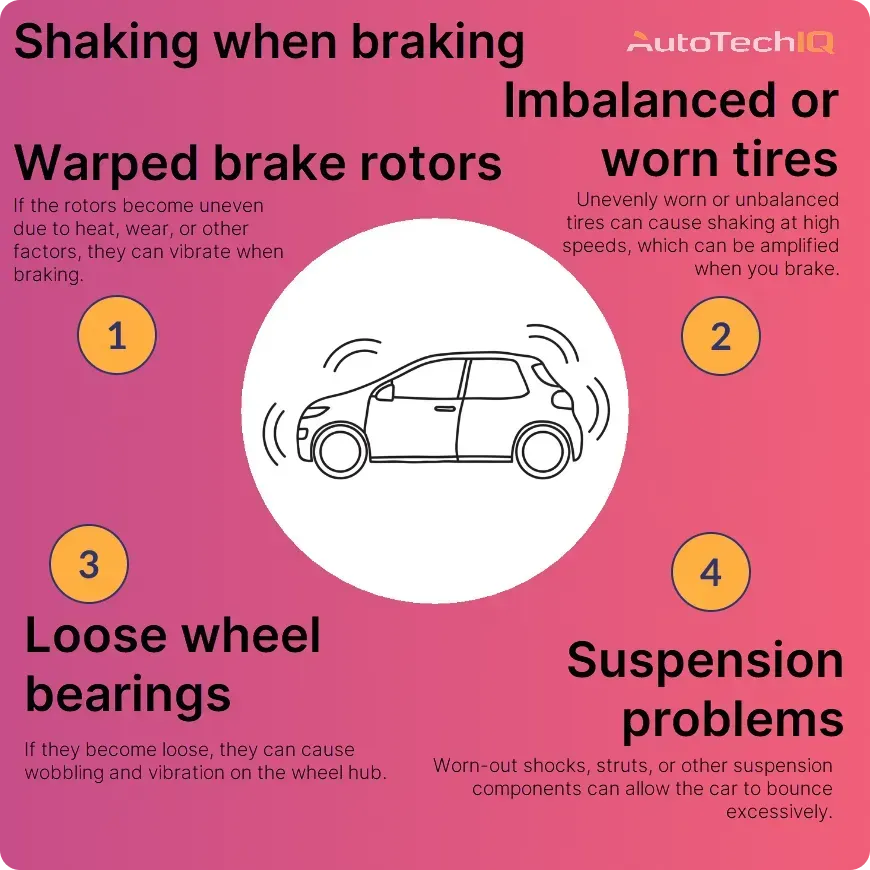
Have you ever felt your car shake or vibrate when you hit the brakes? It’s not just annoying—it could be a sign of a serious problem.
One common culprit behind this unsettling vibration is a bad brake caliper. If you ignore it, you risk your safety and your car’s performance. You’ll discover exactly how a faulty brake caliper can cause those shakes and what you can do to fix it before it gets worse.
Keep reading—you don’t want to miss these crucial insights that could save you from costly repairs and keep your drives smooth and safe.
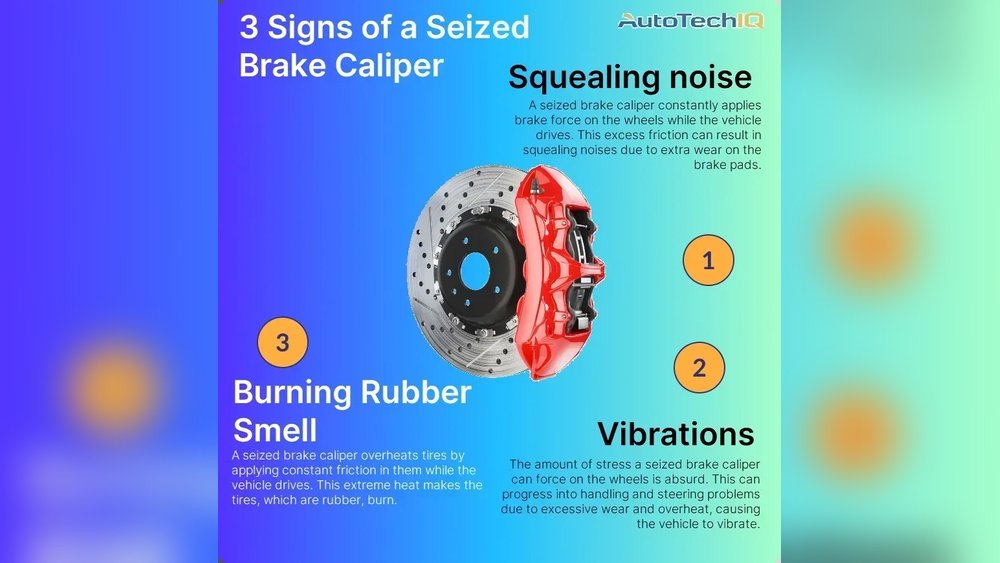
Credit: www.autotechiq.com
Signs Of A Faulty Brake Caliper
Signs of a faulty brake caliper are clear and important to know. These signs help you spot trouble early. Acting fast can keep your car safe on the road.
Brake calipers press the brake pads against the rotor. This slows or stops the car. When a caliper fails, it can cause serious problems while driving.
Uneven Brake Pad Wear
One sign is uneven wear on brake pads. A bad caliper can stick and press harder on one side. This wears down the brake pads faster on that side.
Pulling To One Side
The car may pull to one side during braking. This happens because one caliper works more than the other. It causes uneven braking force and pulls the car.
Brake Pedal Feels Soft Or Spongy
A soft or spongy brake pedal can indicate a caliper issue. Air or fluid leaks in the caliper reduce brake pressure. This makes the pedal feel less firm.
Vibration While Braking
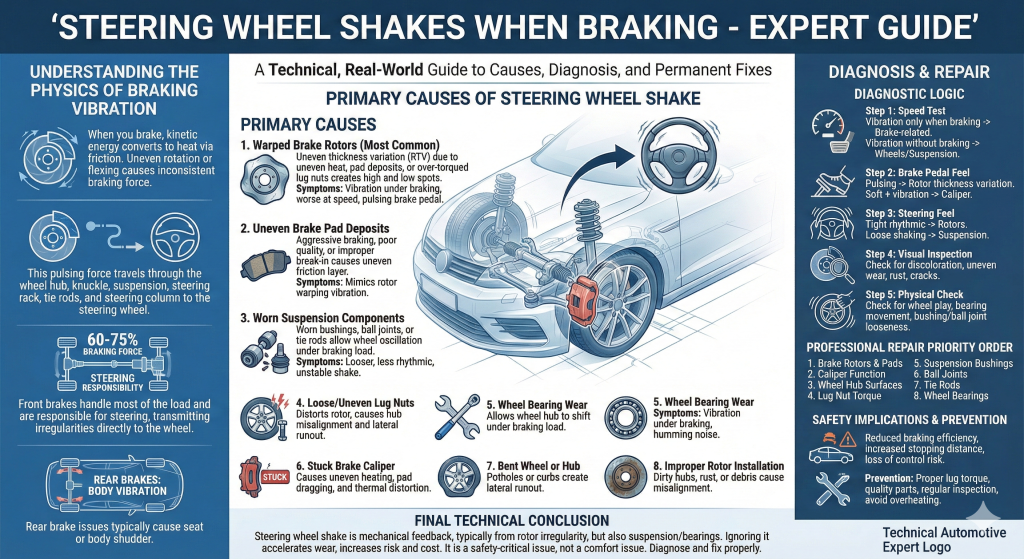
Vibration or shaking during braking is a common symptom. A stuck caliper can cause uneven contact with the rotor. This creates a pulsing or shaking feeling.
Brake Fluid Leaks
Look for brake fluid leaks near the wheel. A damaged caliper can leak brake fluid. Low fluid levels can reduce braking power and cause safety risks.
Burning Smell Or Overheating Wheel
A bad caliper may cause the brake to drag. This creates heat and a burning smell. The affected wheel may feel hotter than the others after driving.
How Brake Calipers Affect Vehicle Stability
Brake calipers play a key role in keeping a vehicle stable. They press the brake pads against the rotors to slow down or stop the car. Proper braking helps maintain control, especially during sudden stops or turns.
When calipers work well, they apply even pressure. This balance helps the car stay steady on the road. Uneven pressure or sticking calipers can cause shaking and reduce stability.
Uneven Braking Pressure
Brake calipers that stick or do not release fully cause uneven pressure. This leads to one side braking harder than the other. The result is a pull to one side and vibrations felt through the steering wheel.
Impact On Steering Control
Stuck calipers make steering difficult. Vibrations and pulling affect the driver’s ability to keep the car straight. This can be dangerous during high speeds or emergency maneuvers.
Effect On Suspension And Tires
Bad calipers cause uneven wear on tires and suspension parts. This wear reduces grip and comfort. Over time, it can lead to costly repairs and unsafe driving conditions.
Common Causes Of Vibration While Driving
Vibration while driving is a common problem that can make your trip uncomfortable. Many issues can cause these vibrations, affecting your car’s safety and performance. Understanding the common causes helps you spot problems early. This section explains the frequent reasons behind car vibrations.
Uneven Tire Wear
Tires with uneven wear often cause vibration. Worn spots or flat areas on tires create a bumpy ride. This unevenness makes the steering wheel shake at certain speeds. Regular tire checks and rotations help prevent this issue.
Wheel Alignment Issues
Misaligned wheels cause the vehicle to pull to one side. This problem leads to vibrations and uneven tire wear. Proper alignment ensures the wheels point straight and spin evenly. Alignment checks are essential after hitting potholes or curbs.
Brake Problems
Worn or damaged brake parts cause vibrations during stopping. Warped rotors or bad brake calipers can make the brake pedal shake. These vibrations increase with brake pressure. Timely brake inspection keeps the system smooth and safe.
Suspension System Faults
Damaged suspension parts cause uneven tire contact with the road. This leads to shaking or bouncing while driving. Worn shocks, struts, or bushings reduce ride comfort and control. Fixing suspension issues improves stability and reduces vibrations.
Engine And Transmission Problems
Engine misfires or transmission faults can cause car vibrations. Poor engine performance or faulty mounts create shaking. Regular engine tune-ups and transmission checks prevent these problems. Smooth running engines ensure a calm driving experience.
Credit: www.marinmazda.net
Diagnosing Brake Caliper Issues
Diagnosing brake caliper issues helps ensure safe driving. A bad brake caliper can cause vibration and uneven braking. Finding the problem early can save money and prevent accidents.
Listen for unusual noises like grinding or squealing. Notice if the car pulls to one side when braking. Check for uneven brake pad wear. These signs suggest a brake caliper problem.
Visual Inspection Of Brake Calipers
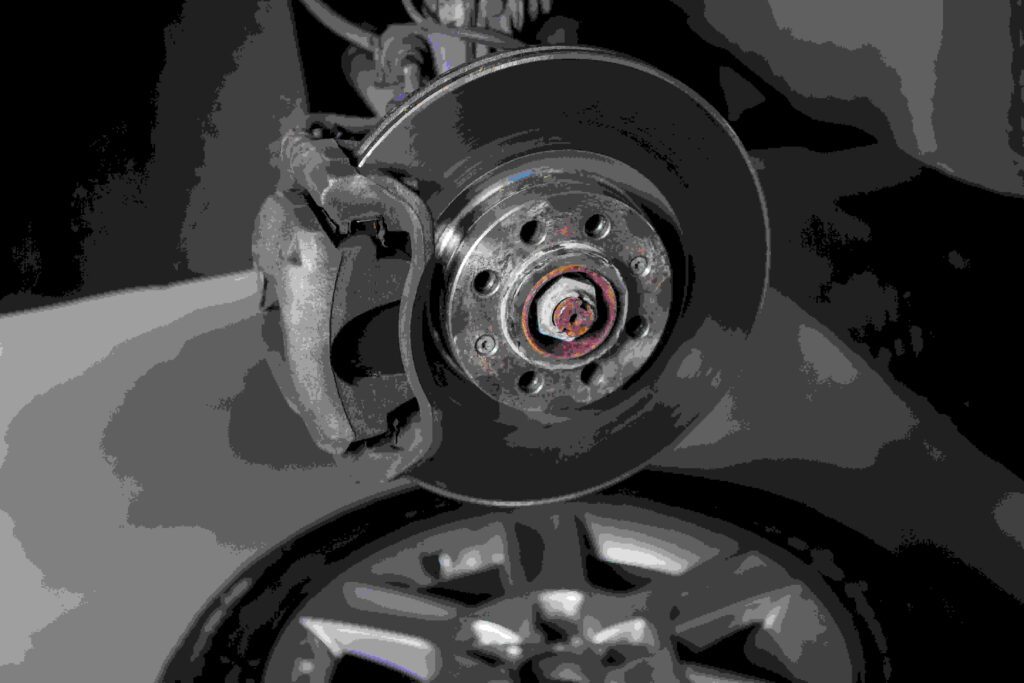
Look at the brake caliper for leaks or damage. Rust or corrosion may affect its function. Check if the caliper moves freely or sticks. Sticking calipers can cause vibration while driving.
Testing Brake Performance
Drive at low speed and brake gently. Feel for any shaking or pulsing in the brake pedal. This often indicates a bad caliper or warped rotors. Testing helps confirm the source of vibration.
Repairing Or Replacing Brake Calipers
Repairing or replacing brake calipers is a key step in fixing vibration issues while driving. Brake calipers hold the brake pads and press them against the rotors to stop the car. When calipers wear out or get damaged, they can cause uneven braking and vibrations. Knowing when to repair or replace them can save time and money.
Signs That Indicate Brake Caliper Repair
Brake calipers can sometimes be fixed instead of replaced. Small leaks or stuck pistons might be repaired by cleaning and lubricating. Rebuilding kits are available to replace seals and other parts. Repairing is usually cheaper and faster than replacement. The car should stop vibrating after a proper repair.
When To Replace Brake Calipers
Severe damage or rust often means replacement is necessary. If the caliper piston is stuck or the body is cracked, repair is not safe. Replacing old calipers ensures better braking performance and safety. New calipers fit perfectly and reduce the chance of future vibrations. This option costs more but gives peace of mind.
Choosing Quality Parts For Replacement
Use high-quality calipers from trusted brands for replacement. Low-quality parts wear out quickly and cause more problems. OEM (original equipment manufacturer) parts match your vehicle’s needs. Good calipers provide smooth braking and prevent vibrations. Always check reviews and warranty before buying.
Preventing Brake Caliper Problems
Preventing brake caliper problems helps keep your vehicle safe and smooth. Brake calipers play a key role in stopping your car. Problems with them can cause vibrations while driving. Regular care can avoid many common issues. Simple steps can extend the life of your brake calipers.
Regular Brake Inspections
Check your brakes often for signs of wear or damage. Look for uneven brake pad wear or leaks around the caliper. Early spotting of issues can prevent bigger problems later. Have a mechanic inspect brakes at least once a year.
Keep Brake Components Clean
Dirt and debris can cause calipers to stick or wear unevenly. Clean the brake parts gently during tire changes or maintenance. Use brake cleaner spray to remove dust and grime. Clean parts work better and last longer.
Use Quality Brake Fluid
Brake fluid helps calipers work smoothly. Old or dirty fluid can cause calipers to seize. Replace brake fluid as recommended by your vehicle’s manual. Use the correct type of brake fluid for your car model.
Avoid Hard Braking
Sudden, hard stops can stress brake calipers and pads. Drive smoothly and brake gently when possible. This reduces wear and heat build-up in the brake system. Your calipers and brakes will last longer.
Replace Worn Brake Pads On Time
Worn brake pads can damage calipers and rotors. Change pads before they become too thin. This keeps calipers from working too hard or sticking. Timely replacement saves money and prevents vibrations.
Credit: heartautocare.com
Frequently Asked Questions
Can A Bad Brake Caliper Cause Car Vibration?
Yes, a bad brake caliper can cause vibration. It may stick or drag, leading to uneven braking and shaking.
How Do Bad Calipers Affect Driving Safety?
Bad calipers reduce braking power and control. This can increase stopping distance and risk of accidents.
What Are Signs Of A Failing Brake Caliper?
Look for uneven brake pad wear, pulling to one side, and vibration. Also, notice if brakes feel soft or spongy.
Can Brake Caliper Issues Damage Other Parts?
Yes, stuck calipers can cause uneven tire wear and damage rotors. This leads to costly repairs.
How Soon Should I Fix A Bad Brake Caliper?
Fix it as soon as vibration or braking issues start. Delaying can worsen damage and safety risks.
Conclusion
A bad brake caliper can cause vibration while driving. It affects your car’s safety and comfort. Worn or stuck calipers create uneven braking force. This leads to shaking or wobbling in the steering wheel. Fixing the caliper early prevents bigger problems later.
Regular brake checks keep your drive smooth and safe. Don’t ignore unusual vibrations; they signal brake issues. Stay alert and maintain your vehicle well. Safe driving depends on well-functioning brakes.