How Many Miles Should I Change My Transmission Fluid: Expert Guide
Wondering how many miles you should wait before changing your transmission fluid? You’re not alone.
Knowing the right time to replace this vital fluid can save you from costly repairs and keep your car running smoothly. You’ll discover clear, simple answers to protect your transmission and extend your vehicle’s life. Keep reading to learn exactly when and why you should change your transmission fluid.

Credit: www.youtube.com
Transmission Fluid Basics
Transmission fluid is an important part of your vehicle. It helps the transmission run smoothly. Understanding the basics of transmission fluid can help you know why and when to change it.
Role Of Transmission Fluid
Transmission fluid lubricates the moving parts inside the transmission. It stops friction and wear. The fluid also cools the transmission. It carries away heat made by the gears. Without good fluid, the transmission can overheat and fail.
The fluid helps with shifting gears. It creates hydraulic pressure to move gears at the right time. This keeps your ride smooth and efficient. Clean, healthy fluid is key to good transmission performance.
Types Of Transmission Fluid
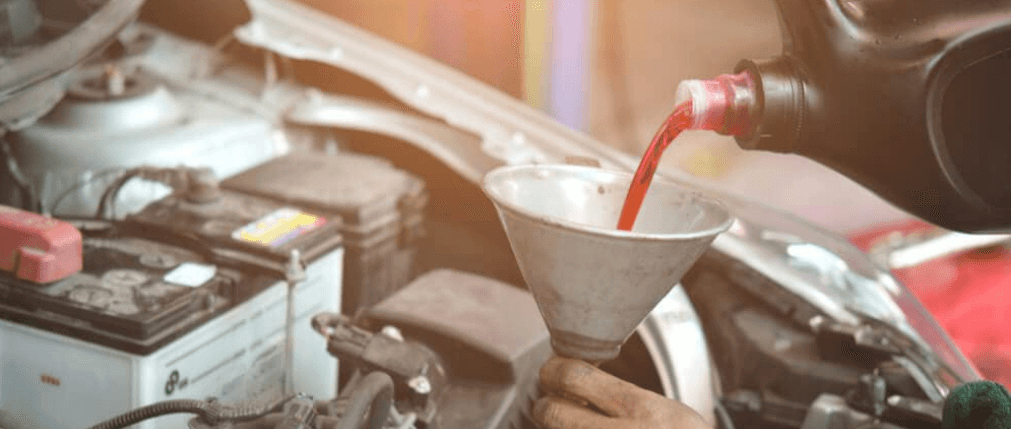
There are different types of transmission fluid. Automatic Transmission Fluid (ATF) is for automatic transmissions. It has special additives for smooth shifting and cooling. Manual transmissions use gear oil or special manual transmission fluid. This fluid is thicker and protects metal gears.
Some vehicles need specific fluids. Always check the owner’s manual. Using the wrong type can cause damage. Stick to the recommended fluid to keep your transmission safe.
Credit: www.toyotaofmanchesternh.com
Signs You Need A Fluid Change
Transmission fluid plays a key role in your vehicle’s health. It keeps the transmission running smoothly. Over time, the fluid breaks down and loses its effectiveness. Knowing the signs of worn fluid can help you avoid costly repairs. Here are some clear signs you need a transmission fluid change.
Transmission Slipping
Transmission slipping happens when your car shifts gears roughly or late. It feels like the engine revs but the car moves slowly. This can mean the fluid is old or low. Worn fluid fails to transmit power properly. Changing the fluid often fixes slipping issues.
Unusual Noises
Strange sounds from your transmission signal trouble. Grinding, whining, or clunking noises may mean dirty fluid. Clean fluid lubricates parts and reduces noise. Old fluid loses its ability to protect and cool the transmission. Hearing these sounds means it is time for fresh fluid.
Fluid Discoloration
Transmission fluid should be bright red or pink. Dark or brown fluid shows it is dirty and burnt. Discolored fluid loses its lubricating power. Check the fluid using the dipstick. If it looks dark or smells burnt, change it soon. Fresh fluid keeps your transmission healthy and efficient.
Recommended Mileage Intervals
Changing transmission fluid at the right time keeps your car running smoothly. Following recommended mileage intervals helps avoid costly repairs. These intervals depend on the car type and the transmission system used. Knowing when to change the fluid saves money and extends the vehicle’s life.
Manufacturer Guidelines
Car makers set specific mileage intervals for transmission fluid change. These usually range from 30,000 to 60,000 miles. Some newer models may allow longer intervals, even up to 100,000 miles. Always check the owner’s manual for exact recommendations. Following these guidelines helps maintain warranty coverage.
Differences For Manual Vs Automatic
Manual transmissions often need fluid changes more frequently than automatic ones. Manuals usually require fluid changes every 30,000 to 40,000 miles. Automatic transmissions may last 60,000 miles or more before changing fluid. Fluid types also differ between manual and automatic transmissions. Using the correct fluid type is crucial for proper function.
Factors Affecting Fluid Life
Transmission fluid keeps your vehicle running smoothly. Its lifespan depends on many things. Knowing these factors helps you decide when to change the fluid. It prevents damage and costly repairs. Understanding what affects fluid life is important.
Driving Conditions
Driving in stop-and-go traffic wears transmission fluid faster. Towing heavy loads also heats up the fluid. Heat breaks down fluid quality. Driving on rough or hilly roads adds stress. Short trips do not let the fluid cool. This speeds up fluid aging. Clean, cool fluid lasts longer.
Vehicle Age And Model
Older vehicles often need fluid changes more often. Their seals and parts wear out over time. Newer models may have special fluids. Some cars need synthetic transmission fluid. Check the owner’s manual for details. Some transmissions last longer than others. The type of transmission also matters. Automatic and manual transmissions have different needs.
Diy Vs Professional Service
Deciding whether to change your transmission fluid yourself or hire a professional can be tricky. Both options have benefits and drawbacks. Knowing these can help you choose the best way to keep your car running smoothly.
Pros And Cons Of Diy
Changing transmission fluid yourself saves money on labor costs. You also learn more about your vehicle’s maintenance. You can do it on your schedule, without waiting for an appointment.
DIY requires some tools and knowledge about your car’s transmission. Mistakes can cause damage or leaks. It may take longer if you’re not experienced. Disposal of old fluid must follow local rules.
When To See A Mechanic
Professional service is safer if you lack experience. Mechanics have the right tools and know the exact fluid type and amount. They can check for hidden problems during the service.
Choose a mechanic if your transmission shows signs of trouble. Strange noises, slipping gears, or delayed shifts need expert attention. Regular checkups can prevent costly repairs later.
Maintenance Tips For Transmission Health
Keeping your transmission in good shape helps your car run smoothly. Regular care prevents costly repairs. Simple steps protect your transmission and extend its life. Here are some tips to maintain transmission health and know when to change the fluid.
Regular Fluid Checks
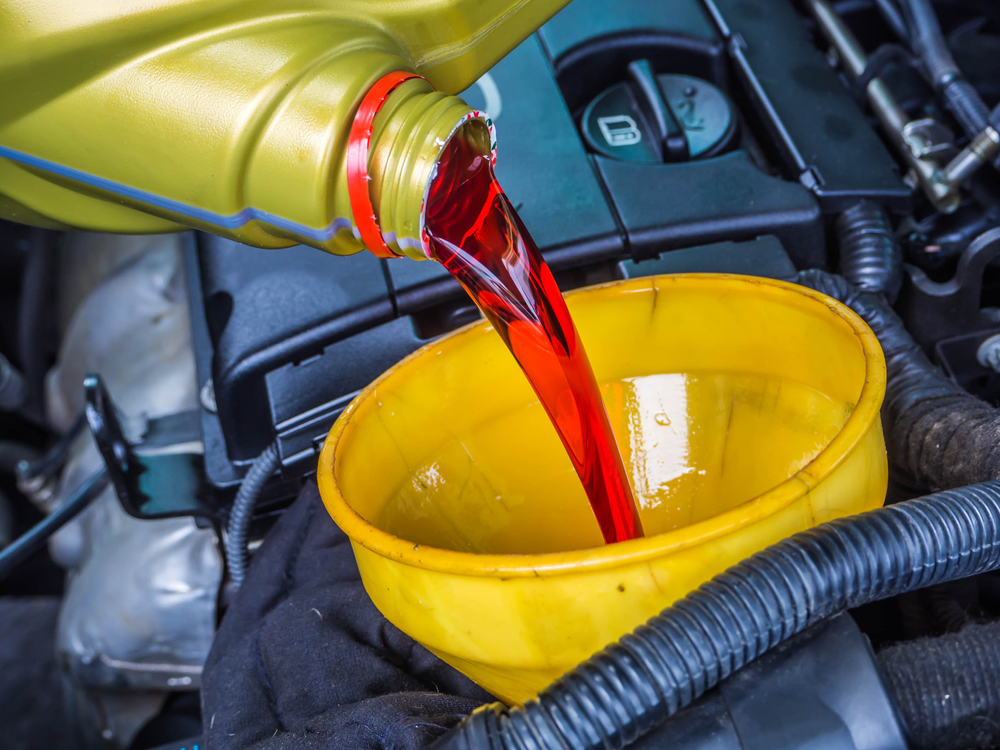
Check your transmission fluid often. Use the dipstick to see fluid level and color. Healthy fluid is bright red and clear. Dark or burnt-smelling fluid means it needs changing. Low fluid levels can cause slipping or shifting issues. Top off fluid if it is low, but avoid overfilling.
Additional Preventive Measures
Drive gently to reduce transmission wear. Avoid rapid starts and hard stops. Let the car warm up before driving in cold weather. Change the transmission filter as recommended. Keep your cooling system in good shape. A cool transmission lasts longer and works better.
Credit: www.cbac.com
Frequently Asked Questions
How Often Should I Change My Transmission Fluid?
Transmission fluid should generally be changed every 30,000 to 60,000 miles. Check your vehicle’s owner manual for exact intervals. Regular changes keep your transmission running smoothly.
What Happens If I Don’t Change Transmission Fluid?
Old fluid can cause your transmission to overheat and fail. It may lead to rough shifting or slipping gears. Changing fluid helps avoid costly repairs.
Can I Check Transmission Fluid Myself?
Yes, most cars have a dipstick to check fluid level and color. Fluid should be red or pink and not smell burnt. Check regularly to spot problems early.
Does Driving Style Affect Transmission Fluid Life?
Yes, heavy towing or stop-and-go driving wears out fluid faster. These conditions may need more frequent fluid changes. Driving gently helps extend fluid life.
What Type Of Transmission Fluid Should I Use?
Always use the fluid type specified in your owner’s manual. Using the wrong fluid can damage your transmission. Quality fluid ensures proper performance and protection.
Conclusion
Changing your transmission fluid at the right time helps your car run smoothly. Most experts suggest changing it every 30,000 to 60,000 miles. Check your car’s manual for the exact number. Clean fluid keeps your transmission cool and working well.
Waiting too long can cause costly damage. Regular checks protect your car and save money. Keep an eye on your transmission fluid color and level. A little care goes a long way in keeping your ride smooth.