How to Turn off Check Engine Light to Pass Emissions Quickly
Is your check engine light keeping you from passing your car’s emissions test? You’re not alone.
That little warning can cause big headaches, especially when it stands between you and a clean bill of health for your vehicle. But don’t worry—you don’t have to be a mechanic to handle this. You’ll discover simple, effective ways to turn off your check engine light and get your car ready to pass emissions.
Keep reading, because the solution might be easier than you think.
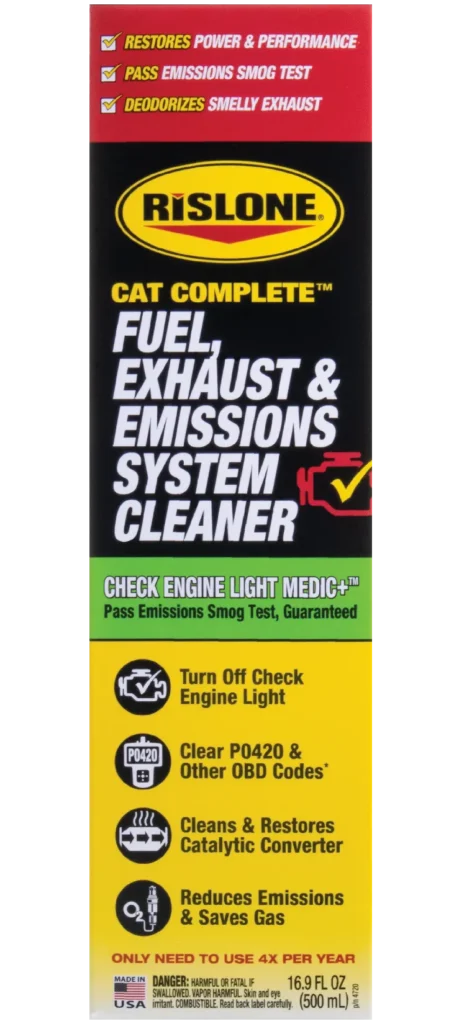
Credit: rislone.com
Causes Of Check Engine Light
The check engine light can turn on for many reasons. It signals a problem with your car’s engine or emissions system. Understanding the causes helps you fix the issue and pass your emissions test.
Most causes are related to engine performance or pollution controls. Some are easy to fix, while others need a mechanic’s help. Knowing these common causes saves time and money.
Loose or Faulty Gas CapA loose or damaged gas cap lets fuel vapors escape. This triggers the check engine light. Tighten or replace the gas cap to fix this common problem.
Oxygen Sensor FailureThe oxygen sensor checks exhaust gases to control fuel mix. A bad sensor causes poor fuel economy and higher emissions. Replacing the sensor usually turns off the light.
Faulty Catalytic ConverterThe catalytic converter reduces harmful emissions. If it fails, your car emits more pollution. This failure often lights up the check engine signal.
Mass Airflow Sensor IssuesThis sensor measures air entering the engine. A problem here affects engine running and emissions. Cleaning or replacing the sensor can solve the issue.
Bad Spark Plugs or WiresWorn spark plugs cause misfires and poor engine performance. This leads to increased emissions and check engine warnings. Replacing plugs or wires often clears the light.
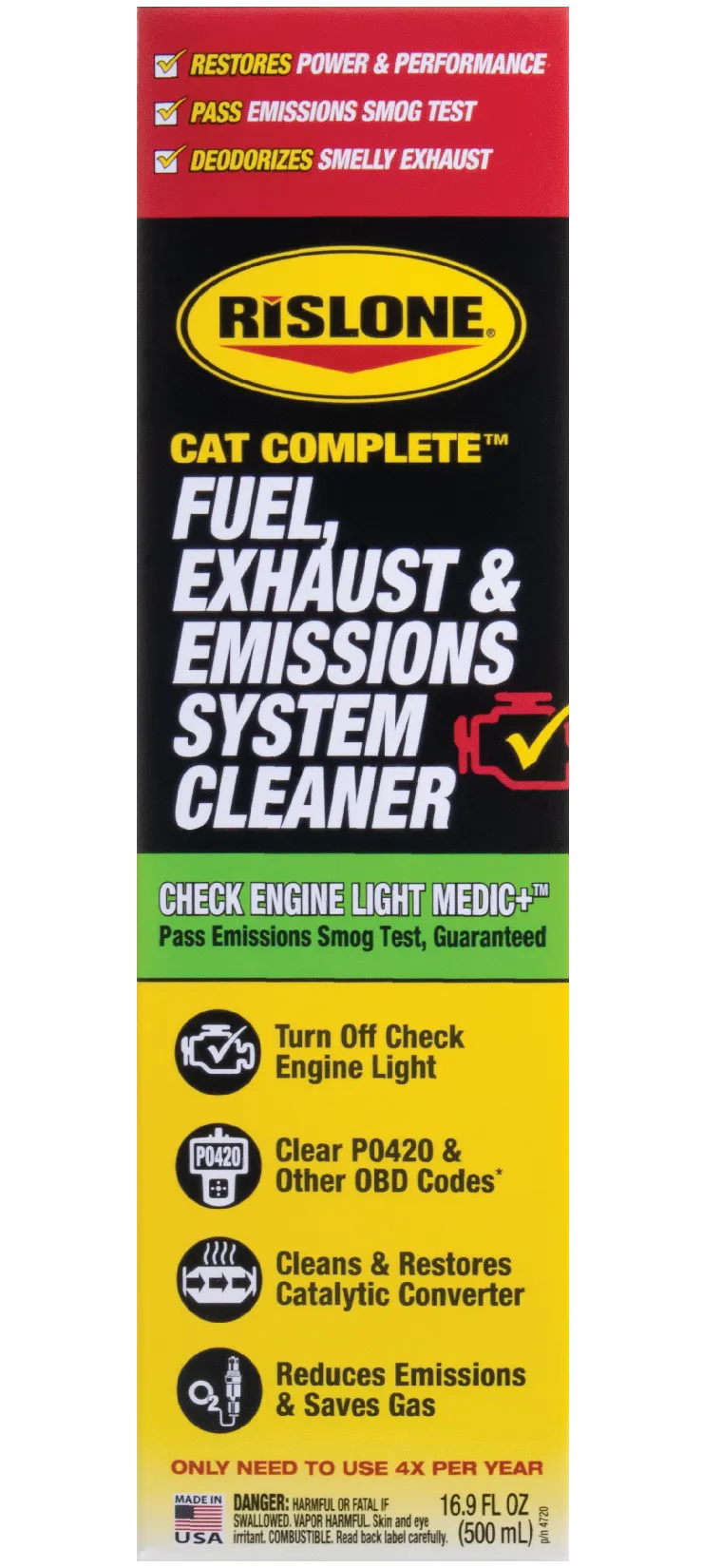
Credit: rislone.com
Impact On Emissions Testing
The check engine light plays a key role in emissions testing. It signals if the car’s system detects problems. A lit check engine light often means the vehicle will fail the emissions test.
Emissions tests measure harmful gases released by the car. These gases affect air quality and health. When the check engine light is on, the car may emit more pollutants.
How Check Engine Light Affects Emissions Results
The test uses a scanner to read the car’s computer. If the light is on, the scanner shows trouble codes. These codes indicate issues that increase emissions. The test automatically fails if the light stays on.
Resetting The Light Before Testing
Some drivers try resetting the light to pass the test. Clearing the codes hides the problem temporarily. But the car’s system may turn the light on again quickly. The test may detect this and still fail the vehicle.
Importance Of Fixing The Root Cause
Fixing the issue is crucial for passing emissions tests. Repairs reduce harmful gases and protect the environment. The light turns off only when the problem is solved. This ensures the car meets emission standards.
Using An Obd-ii Scanner
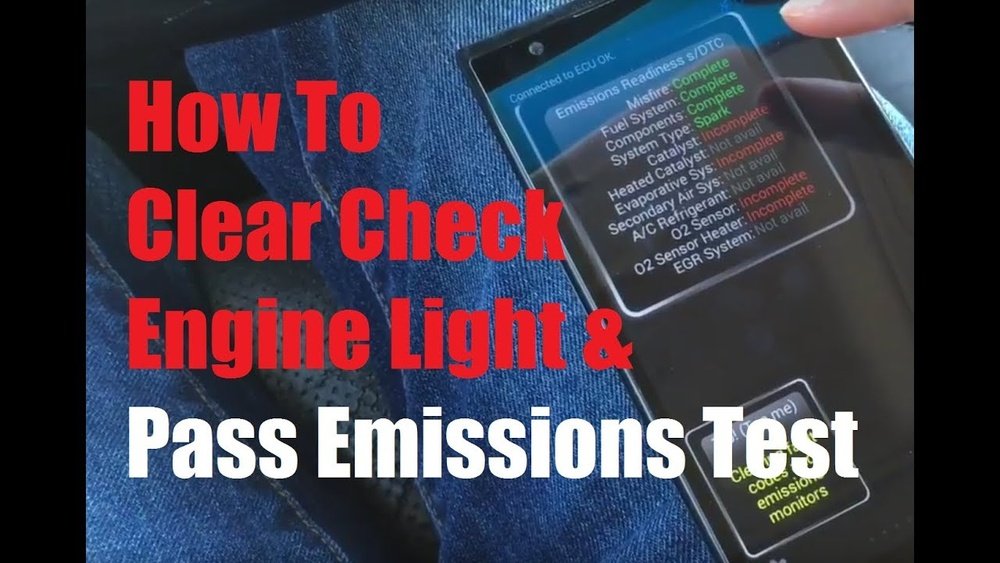
An OBD-II scanner is a helpful tool to turn off the check engine light. This light often comes on due to small issues with your car. Clearing it can help pass emissions tests. The scanner reads trouble codes from your car’s computer. It then allows you to reset the check engine light quickly.
Using an OBD-II scanner is simple and saves time. It gives you control over your car’s diagnostics at home. No need for costly visits to a mechanic just to reset the light.
What Is An Obd-ii Scanner?
An OBD-II scanner is a device that connects to your car. It plugs into the OBD-II port, usually found under the dashboard. This scanner reads error codes stored in the car’s computer. These codes explain why the check engine light is on.
How To Connect The Scanner
Turn off your car before connecting the scanner. Locate the OBD-II port under the dashboard. Plug the scanner into this port firmly. Turn on the car’s ignition but do not start the engine. The scanner will power up and communicate with your car.
Reading And Clearing Error Codes
Follow the scanner’s instructions to read the error codes. Write down the codes if you want to research them later. Use the scanner’s menu to find the option to clear or reset codes. Select this option to turn off the check engine light. Keep in mind, if the problem persists, the light may come back.
Resetting The Check Engine Light
Resetting the check engine light is a common step to pass emissions tests. The light often turns on due to minor issues or after repairs. Clearing it helps the car’s computer refresh its system. This can improve chances of passing the test.
Resetting the light does not fix the problem. It only clears the warning. Make sure the issue is fixed before resetting. Otherwise, the light will come back on quickly. Many ways exist to reset the light safely at home.
An OBD-II scanner is a small device that plugs into your car. It reads and clears error codes from the engine’s computer. Plug it into the port under the dashboard. Turn the ignition on but do not start the engine. Follow the scanner instructions to clear the codes and reset the light.
Disconnecting The Car Battery
Disconnecting the battery resets the car’s computer. Remove the negative terminal cable with a wrench. Wait about 15 minutes to let the system reset. Reconnect the cable and tighten it securely. Start the car and check if the light is off. This method may erase radio and clock settings.
Driving The Car Normally
The car’s computer resets the light after several drive cycles. Drive your car normally for a few days. The light will turn off if the problem is fixed. This method is slow but safe and simple. Avoid resetting the light without fixing the issue first.
Preventive Maintenance Tips
Preventive maintenance helps keep the check engine light off. It improves your car’s performance and helps pass emissions tests. Regular care stops small problems from becoming big ones. Follow these simple tips to keep your vehicle in good shape.
Regular Oil Changes
Change your oil every 3,000 to 5,000 miles. Clean oil helps the engine run smoothly. Old oil can cause engine parts to wear out faster. This may trigger the check engine light.
Check And Replace Air Filters
Air filters stop dirt from entering the engine. A dirty filter reduces fuel efficiency and power. Replace filters every 12,000 to 15,000 miles. This keeps air flowing well and prevents engine issues.
Inspect Spark Plugs
Spark plugs ignite the fuel in the engine. Worn plugs cause misfires and poor fuel economy. Replace spark plugs every 30,000 miles. This helps the engine run cleaner and avoids light warnings.
Use Quality Fuel
Low-quality fuel can clog fuel injectors and sensors. Use fuel from trusted stations. Keep your fuel system clean to avoid check engine problems.
Monitor Tire Pressure
Proper tire pressure improves fuel efficiency. Low pressure can strain the engine. Check tires monthly and keep them at the right pressure. This helps your car run better and pass emissions.
When To Seek Professional Help
The check engine light can be tricky. Sometimes, it might turn off after simple fixes. Other times, the problem is deeper. Knowing when to seek professional help saves time and money. It ensures your car passes emissions safely and legally.
Signs You Need A Mechanic’s Help
If the check engine light stays on after resetting, see a mechanic. Strange noises or smells mean a problem needs attention. Poor engine performance or stalling shows a serious issue. These signs require expert diagnosis and repair.
Complex Problems Require Professional Tools
Modern cars have complex systems that need special tools. A mechanic uses scanners to read error codes accurately. These codes help find hidden problems that cause the check engine light. DIY fixes may miss these issues, leading to failed emissions tests.
Safety Comes First
Ignoring the check engine light can be dangerous. Some engine faults affect brakes or emissions systems. A professional can ensure your car runs safely. They protect you from costly repairs and unsafe driving conditions.
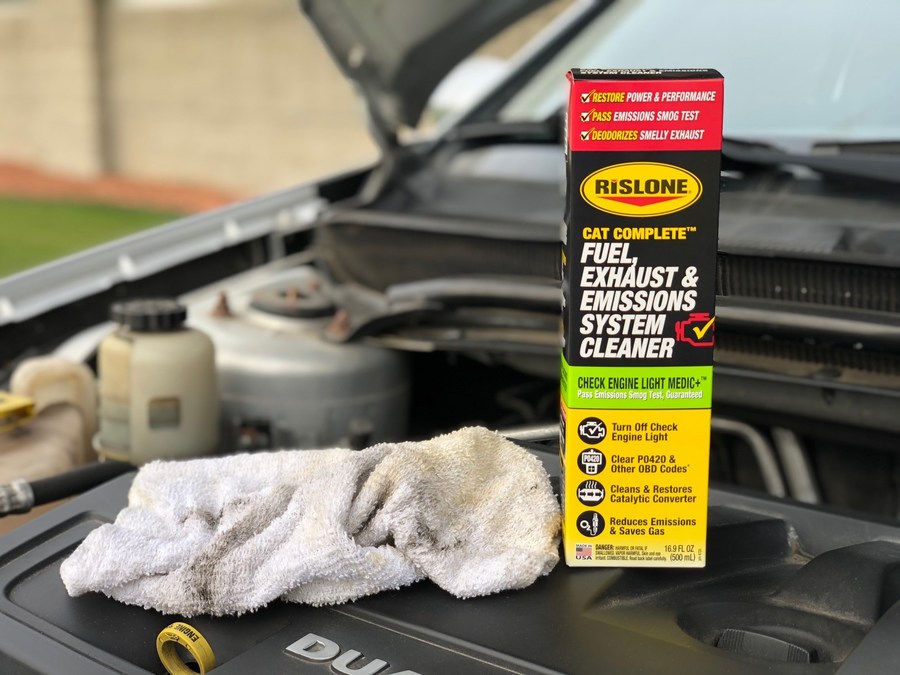
Credit: www.prnewswire.com
Frequently Asked Questions
How Can I Reset The Check Engine Light Before An Emissions Test?
You can reset the check engine light by disconnecting the car battery for 15 minutes. This clears the error codes stored in the car’s computer. Be sure the issue is fixed before resetting.
Will Turning Off The Check Engine Light Help Pass Emissions?
Turning off the light hides problems but does not fix them. The car must pass emission standards, so repairs are needed to pass the test.
How Long After Fixing Issues Should I Drive Before Emissions Testing?
Drive your car for 50 to 100 miles after repairs. This lets the computer run checks and ensures the light stays off.
Can A Scan Tool Clear The Check Engine Light For Emissions?
Yes, a scan tool can clear codes and turn off the light. Use it only after fixing the problem to avoid test failure.
What Causes The Check Engine Light To Turn On Before Emissions?
Common causes include loose gas caps, bad oxygen sensors, or engine problems. These affect emissions and trigger the warning light.
Conclusion
Turning off the check engine light can help you pass emissions tests. Always fix the problem first, not just the light. Use a reliable code reader to reset the light safely. Remember, clearing the light without repairs may cause test failure.
Keep your vehicle well maintained for better emissions results. Simple steps can save time and money. Stay patient and follow the process carefully. Passing emissions is possible with the right approach.