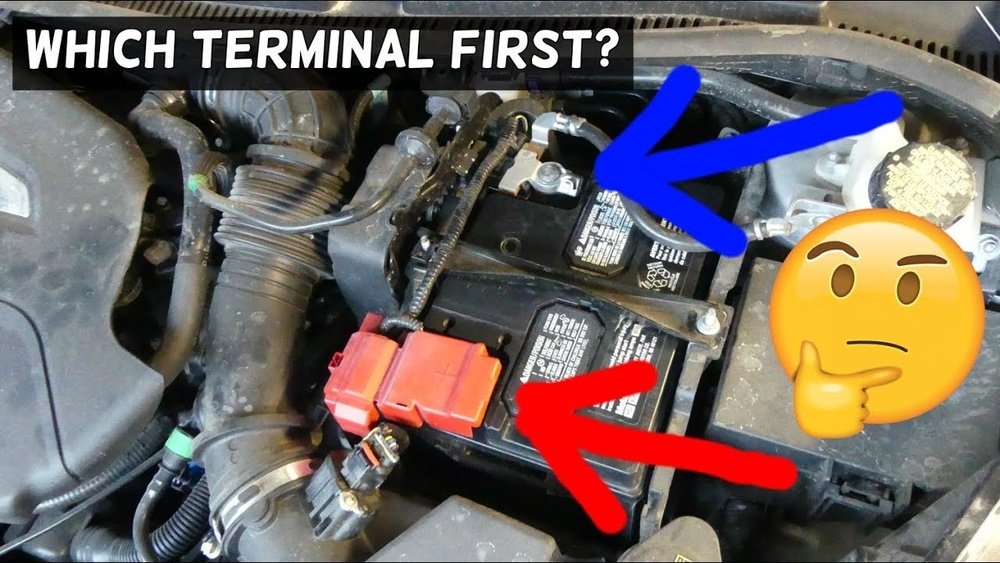
When Disconnecting Car Battery Which Terminal First: Expert Guide
When you need to disconnect your car battery, knowing which terminal to remove first is crucial. It might seem like a small detail, but getting it wrong can lead to sparks, damage, or even injury.
You want to keep yourself safe and protect your vehicle’s electrical system. You’ll learn the simple step-by-step method to disconnect your battery the right way. Stick with me, and you’ll avoid common mistakes that many people make—saving you time, hassle, and money.
Ready to handle your car battery like a pro? Let’s dive in.
Safety Precautions Before Disconnecting
Disconnecting a car battery needs care and attention. Safety is the top priority. Taking the right steps protects you and your vehicle from damage or injury. Following safety rules helps make the process smooth and safe.
Wear Protective Gear
Always wear safety glasses to protect your eyes. Gloves can keep your hands safe from sparks and acid. Avoid loose clothing or jewelry that can catch on parts.
Turn Off The Engine And Electronics
Make sure the car engine is off. Remove the keys from the ignition. Switch off all electrical devices inside the car. This prevents electrical shocks and short circuits.
Work In A Well-ventilated Area
Choose a space with good airflow. Battery gases can be harmful. Avoid working near open flames or sparks. Keep the area clear of flammable materials.
Check For Battery Damage
Inspect the battery for cracks or leaks. Damaged batteries can be dangerous. If you see damage, handle with extra caution. Replace the battery if needed before proceeding.

Credit: www.wikihow.com
Tools Needed For Battery Removal
Removing a car battery needs the right tools. Using proper tools makes the job safe and easy. You avoid damage to your car and battery. Here are the basic tools you will need.
Wrench Or Socket Set
A wrench or socket set helps loosen the battery terminals. Most car batteries use bolts that fit common wrench sizes. Choose the right size to avoid slipping or stripping bolts.
Gloves
Wear gloves to protect your hands. Car batteries hold acid that can hurt your skin. Gloves also stop dirt and grease from getting on your hands.
Safety Glasses
Safety glasses protect your eyes from sparks or acid splashes. Always wear them when working with car batteries. It keeps your eyes safe from harm.
Battery Terminal Puller
A battery terminal puller helps remove stuck terminals without damage. Sometimes terminals stick tightly. This tool lifts them off gently and safely.
Wire Brush Or Battery Cleaner
A wire brush or battery cleaner removes corrosion from terminals. Clean terminals ensure a good connection. This tool keeps your battery working well.
Which Terminal To Disconnect First
Start by disconnecting the negative terminal first to avoid sparks. Then, remove the positive terminal carefully. This method keeps you safe while working on the car battery.
Disconnecting a car battery safely starts with knowing which terminal to remove first. This step helps avoid sparks and damage to the vehicle’s electrical system.
Always disconnect the negative terminal before the positive one. The negative terminal usually has a black cable and a minus (-) sign.
Removing the negative terminal first cuts the electrical flow to the car frame. This reduces the risk of accidental short circuits during the process.
Why Disconnect The Negative Terminal First?
The car’s metal body connects to the negative terminal. This means the negative side is grounded.
When you remove the negative terminal first, you break the circuit. This prevents sparks if your wrench touches the car’s metal parts.
Removing the positive terminal first can cause a short if the wrench contacts grounded metal. This can lead to injury or damage.
Steps To Disconnect The Terminals Safely
Start by turning off the engine and removing the keys. Wear safety gloves and eye protection.
Use a wrench to loosen the nut on the negative terminal clamp. Carefully lift the cable off the terminal and move it aside.
Next, loosen the nut on the positive terminal and remove the cable. Always keep the terminals apart to prevent accidental contact.
Secure loose cables away from the battery to avoid accidental reconnection or sparks.

Credit: www.youtube.com
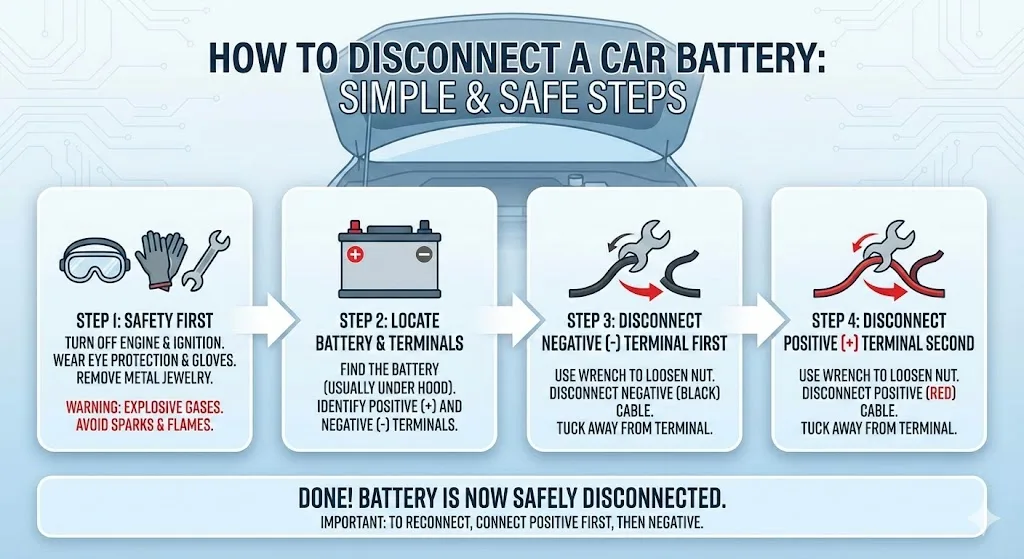
Steps To Disconnect The Battery Properly
Disconnecting a car battery is a simple task. But it must be done carefully. This keeps you safe and protects the car’s electrical system.
Follow these steps to disconnect the battery properly. Each step is important to avoid sparks or damage.
Turn Off The Engine And Remove The Keys
Make sure the engine is off. Take the keys out of the ignition. This stops electricity from flowing while you work.
Locate The Battery And Identify The Terminals
Open the car hood and find the battery. Notice the two terminals: positive (+) and negative (−). Knowing these helps you disconnect safely.
Disconnect The Negative Terminal First
Use a wrench to loosen the nut on the negative terminal. Remove the cable carefully and move it aside. This prevents short circuits.
Disconnect The Positive Terminal Next
Now, loosen the nut on the positive terminal. Take off the cable and keep it away from the battery and metal parts. This stops sparks.
Remove The Battery Carefully
Lift the battery straight up. Avoid tilting it to prevent acid spills. Place the battery on a safe surface away from children and pets.
Common Mistakes To Avoid
Disconnecting a car battery seems simple. Yet, many people make mistakes that cause damage or injury. Avoiding these errors keeps you safe and protects your vehicle’s electrical system. Learn the common pitfalls to steer clear of.
Not Disconnecting The Negative Terminal First
Always remove the negative terminal before the positive one. Removing the positive first can cause sparks. Sparks might lead to battery damage or injury. The negative terminal is connected to the car’s metal frame. Disconnecting it first breaks the circuit safely.
Forgetting To Turn Off The Engine
Never disconnect the battery while the engine runs. The electrical system is active and unstable then. This can cause voltage spikes that damage electronic parts. Always ensure the engine and all accessories are off.
Using Metal Tools Incorrectly
Avoid letting metal tools touch both terminals or the car body at once. This can create a short circuit. Sparks or burns can result from such contact. Use insulated tools and handle them carefully.
Not Wearing Protective Gear
Skipping gloves and safety glasses puts you at risk. Battery acid can cause burns and eye injuries. Always wear gloves and goggles to protect yourself. Safety first, every time.
Ignoring Battery Terminal Corrosion
Corrosion on terminals affects connection quality. Disconnecting without cleaning can spread corrosion. Use a brush or cloth to clean before disconnecting. This ensures a better connection later.
Credit: www.simivalleychryslerdodgejeepram.com
Frequently Asked Questions
Which Terminal Do You Disconnect First On A Car Battery?
Always disconnect the negative terminal first. This reduces the risk of electric shock or short circuits while working on the battery.
Why Is Disconnecting The Negative Terminal First Important?
The negative terminal is connected to the car’s metal frame. Removing it first stops electricity flow and prevents sparks.
Can Disconnecting The Positive Terminal First Cause Damage?
Yes, disconnecting the positive terminal first can cause sparks. It may lead to electrical shorts or damage to car components.
How Do You Safely Reconnect A Car Battery?
Reconnect the positive terminal first, then the negative. This sequence ensures a safe electrical connection without sparks or shorts.
Conclusion
Always disconnect the negative terminal first to avoid sparks. This simple step keeps you safe while working on your car. Reconnect the positive terminal before the negative one when finished. Following this order protects your vehicle’s electrical system from damage.
Remembering this routine helps prevent accidents and costly repairs. Keep your tools ready and stay calm during the process. Safety comes first, even with small tasks like battery disconnection. Take your time, and your car will thank you.