Can a Car Pass Emissions With Check Engine Light on? Find Out Now!
Have you ever wondered if your car can still pass an emissions test when that pesky check engine light is glowing on your dashboard? You’re not alone—many drivers face this exact dilemma and worry about what it means for their vehicle and wallet.
Understanding how the check engine light affects emissions tests can save you time, stress, and unexpected costs. Keep reading to find out what you need to know before heading to the testing center and how to avoid common pitfalls that could fail your car.
This information might just make all the difference for your next emissions inspection.

Credit: www.reddit.com
What Triggers The Check Engine Light
The check engine light can come on for many reasons. It is a warning that something in your car needs attention. Understanding what triggers this light helps you know if your car can pass emissions testing.
This light does not always mean a serious problem. Sometimes, it signals a small issue that needs fixing. Other times, it points to a bigger problem affecting your car’s performance and emissions.
Oxygen Sensor Malfunction
The oxygen sensor measures the amount of oxygen in the exhaust. A faulty sensor can cause poor fuel economy and increased emissions. This problem often triggers the check engine light.
Loose Or Damaged Gas Cap
A loose or cracked gas cap can let fuel vapors escape. This triggers the check engine light and can cause your car to fail emissions tests. Make sure the gas cap is tight and in good shape.
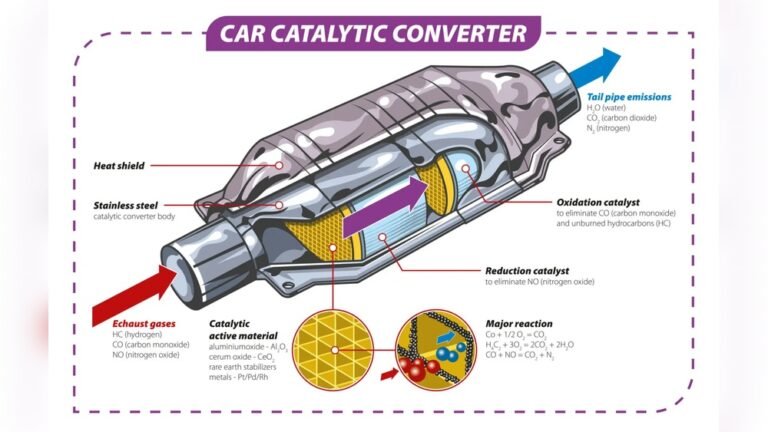
Faulty Catalytic Converter
The catalytic converter reduces harmful gases from the exhaust. A damaged converter can raise emissions and cause the check engine light to turn on. This issue often leads to failing an emissions test.
Mass Airflow Sensor Issues
The mass airflow sensor measures air entering the engine. Problems with this sensor can affect fuel mixture and cause higher emissions. The check engine light will come on in such cases.
Ignition System Problems
Worn spark plugs or ignition coils can cause engine misfires. This increases emissions and triggers the check engine light. Misfires often result in failing emissions inspections.

Credit: www.youtube.com
Emissions Test Basics
A car with a check engine light on often fails emissions tests. This light signals a problem affecting pollution levels. Passing usually requires fixing the issue first.
What Is An Emissions Test?
An emissions test measures the gases a car releases into the air. It checks pollution levels from the vehicle’s exhaust. The test ensures the car meets clean air standards set by the state. These standards help reduce harmful air pollution.
Why Emissions Tests Matter
Emissions tests help keep the air clean. Cars that pollute too much can cause health problems. The tests also identify cars with engine problems. Fixing these issues can save fuel and reduce pollution.
How The Test Is Done
During the test, a machine measures gases from the tailpipe. Common gases tested include carbon monoxide, hydrocarbons, and nitrogen oxides. The test may also check the car’s onboard computer for faults. A working engine and sensors help pass the test.
Impact Of Check Engine Light On Emissions Tests
The check engine light signals a problem in a car’s engine or emissions system. This light affects the results of emissions tests. Many testing centers automatically fail a car if this light is on.
The light means the car’s computer found an issue. This could be something that raises pollution levels. Emissions tests check if cars meet pollution rules. A check engine light shows the car might pollute too much.
Why Emissions Tests Fail With Check Engine Light On
Testing centers want to ensure cars do not pollute more than allowed. A lit check engine light means the car may not meet this rule. It shows the engine or emissions system is not working right. This causes automatic test failure.
Types Of Problems Detected By Check Engine Light
The check engine light can signal many issues. Common problems include faulty oxygen sensors, loose gas caps, or bad catalytic converters. Each of these can increase harmful emissions. The test checks these parts to keep pollution low.
Resetting The Check Engine Light Before Testing
Some drivers try to reset the light before the test. This may hide the problem temporarily. But the car’s computer stores fault codes. The test machine can read these codes. The light may go off, but the car can still fail.
Common Issues Causing Failures
Several common problems cause a car to fail emissions testing. These issues often trigger the check engine light. Understanding these problems helps you know why your car might not pass the test.
Many of these issues affect how clean your car’s exhaust is. The test measures harmful gases, so any problem that increases emissions can cause a failure.
Faulty Oxygen SensorThe oxygen sensor measures oxygen in the exhaust. A bad sensor can send wrong data to the engine. This causes poor fuel use and higher emissions. A faulty oxygen sensor often triggers the check engine light.
Loose or Damaged Gas CapA loose or broken gas cap lets fuel vapors escape. These vapors pollute the air and cause test failure. The check engine light may come on due to this simple issue.
Malfunctioning Catalytic ConverterThe catalytic converter cleans harmful gases from exhaust. If it breaks down, emissions rise. This failure usually turns on the check engine light. It is one of the most costly problems to fix.
Bad Spark Plugs or Ignition SystemWorn spark plugs cause misfires during engine operation. Misfires increase emissions and reduce fuel efficiency. The check engine light alerts you to this problem. Fixing spark plugs can help pass emissions tests.
Steps To Pass Emissions With A Check Engine Light
Passing an emissions test with the check engine light on is challenging. The light signals a problem with your vehicle’s system. Most states require the light to be off for a pass.
Some steps help improve your chances of passing despite the light. Understanding these steps can save time and money.
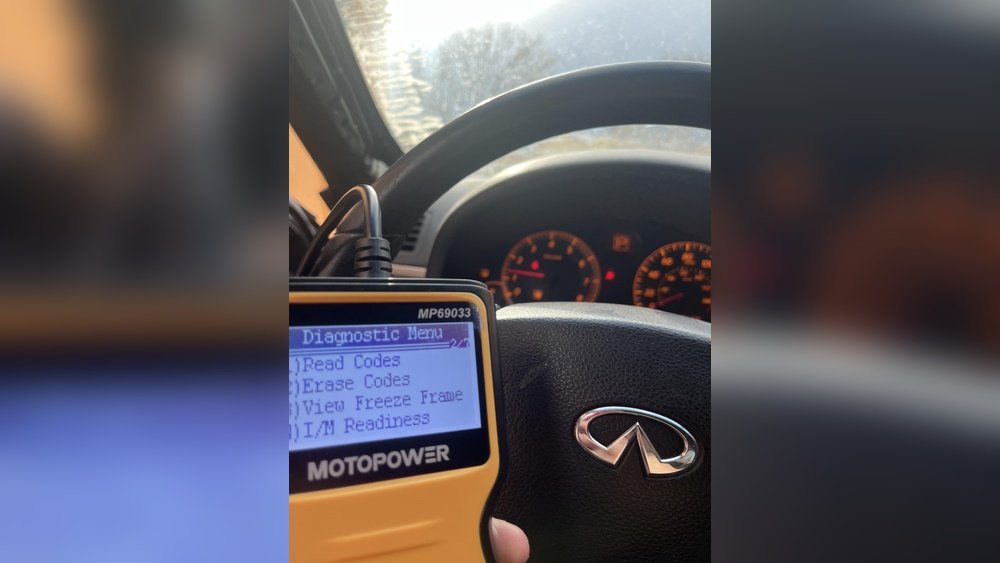
Read The Trouble Codes
Use an OBD-II scanner to read error codes from your car. These codes explain why the check engine light is on. Knowing the problem is the first step to fixing it.
Fix The Identified Issues
Address the problems shown by the codes. It may be a loose gas cap or a faulty sensor. Repairing these issues often turns the check engine light off.
Clear The Codes And Drive
After repairs, clear the codes with the scanner. Drive the car for at least 50 miles. This allows the system to run tests and reset the light.
Perform A Pre-emissions Check
Use an emissions readiness test to check if the car is ready. This step ensures all systems are working properly before the official test. It reduces the chance of failing.
Visit A Professional Mechanic
A mechanic can diagnose complex problems quickly. They have tools and knowledge to fix issues properly. Professional help increases the chances of passing emissions.

Credit: www.reddit.com
Frequently Asked Questions
Can A Car Pass Emissions With The Check Engine Light On?
A car usually cannot pass emissions testing with the check engine light on. The light signals a problem with the engine or emissions system. Most testing centers will fail the vehicle if the light is on.
What Causes The Check Engine Light To Turn On Before Emissions?
The check engine light can turn on due to many issues, like a loose gas cap or faulty oxygen sensors. These problems affect emissions and engine performance. The light warns that the car needs repair.
How Long After Fixing Can I Retest Emissions With The Light Off?
You should drive the car for a few days after repair to reset the system. The check engine light must stay off before retesting. This ensures the car is ready for emissions testing.
Can Minor Issues Still Make A Car Fail Emissions Tests?
Yes, even small problems like a loose gas cap can cause failure. Emissions tests check for all issues that affect pollution. Fixing minor faults can help the car pass the test.
Conclusion
A check engine light often means a problem with your car’s emissions. Many states will not pass a car with this light on during testing. The light shows the car’s computer found an issue. Fixing the problem helps your car run cleaner and smoother.
Ignoring the light can lead to bigger repairs. Always get your car checked before an emissions test. It saves time, money, and stress. Your car’s health and the environment both benefit from proper care.