Do You Need a Wheel Alignment After Replacing Tires? Find Out Now!
You just got new tires, and your car feels different already. But now you’re wondering—do you need a wheel alignment after replacing tires?
It’s a question that can save you money, improve your safety, and keep your new tires lasting longer. If you want to avoid uneven wear, shaky steering, or unexpected repairs, this article will give you the clear answers you need.
Keep reading to find out exactly when and why a wheel alignment matters after getting new tires. Your car—and your wallet—will thank you.
When To Consider Wheel Alignment
Replacing tires is a big step for your vehicle’s safety and performance. Sometimes, new tires alone do not fix all driving issues. Wheel alignment plays a key role in how your car handles and how long your tires last. Knowing when to think about wheel alignment helps you avoid costly repairs and unsafe driving.
Not every tire change needs a wheel alignment. But certain signs show it is time to check your alignment. These signs affect your car’s steering, tire wear, and fuel efficiency. Paying attention to these signals saves money and keeps your ride smooth.
After Installing New Tires
New tires can hide existing alignment problems. If your car pulls to one side or the steering wheel is off-center, alignment is needed. Proper alignment ensures even tire wear and better control. It helps your new tires perform at their best from day one.
Experiencing Uneven Tire Wear
Uneven tire wear often means poor alignment. Look for bald spots or more wear on one side of tires. This uneven wear shortens tire life and can cause unsafe driving. Wheel alignment corrects this and extends tire lifespan.
Noticing Steering Wheel Vibration
Vibration in the steering wheel can indicate misaligned wheels. This makes driving uncomfortable and unsafe. An alignment check can stop the vibration and improve your driving comfort. It also protects your suspension from extra stress.
After Hitting Potholes Or Curbs
Hitting potholes or curbs can knock wheels out of alignment. Even small impacts affect your car’s handling. A wheel alignment after such events ensures your tires and steering stay true. It prevents long-term damage to your vehicle.
When Experiencing Poor Fuel Economy
Misaligned wheels increase rolling resistance. This causes your engine to work harder and burn more fuel. Wheel alignment reduces this resistance and helps save fuel. It is a simple step to improve your car’s efficiency.

Credit: www.reddit.com
Signs Your Vehicle Needs Alignment
Signs your vehicle needs an alignment are often easy to spot. These signs show that the tires and wheels are not lined up correctly. Misalignment affects driving safety and tire wear.
Recognizing these signs early helps prevent costly repairs. It also ensures a smoother and safer drive.
Uneven Tire Wear
Tires wear down unevenly when alignment is off. Check your tires for bald spots or more wear on one side. Uneven wear shortens tire life and reduces grip on the road.
Vehicle Pulls To One Side
Your car should drive straight without steering corrections. If it pulls left or right, the alignment may be wrong. Pulling tires can make driving tiring and unsafe.
Steering Wheel Off-center
The steering wheel should sit straight when driving straight. If it tilts to one side, alignment issues are likely. A crooked steering wheel is a clear warning sign.
Steering Wheel Vibrations
Vibrations felt in the steering wheel can mean misalignment. These shakes worsen with speed and cause discomfort. Proper alignment smooths out these vibrations.
Impact Of New Tires On Alignment
New tires can affect your vehicle’s alignment by changing how the wheels sit and move. A wheel alignment ensures even tire wear and better handling after replacement. Checking alignment helps maintain safety and extends tire life.
Understanding Tire Fit And Alignment
New tires can slightly change how your car handles. Tires wear down over time and become smaller. Installing new tires changes the tire size and grip. This shift can affect your wheel alignment.
Alignment means the angles of your wheels. Proper alignment keeps your car driving straight. New tires may reveal or cause misalignment issues. Checking alignment after tire replacement helps avoid uneven tire wear.
How New Tires Affect Vehicle Handling
New tires have fresh tread and different stiffness. These factors can change how your car responds to steering. Your car may pull to one side or feel less stable. Misaligned wheels cause uneven tire wear and reduce fuel efficiency.
Getting your alignment checked ensures smooth driving. It improves tire life and saves money in the long run. New tires provide the best grip only with proper alignment.
Signs You Need An Alignment After Tire Change
Notice your steering wheel off-center after new tires? Does your car pull left or right? Feel vibrations or uneven tire wear? These are clear signs to check your alignment.
Ignoring alignment can damage your new tires quickly. A simple alignment check keeps your car safe and extends tire life. It is a smart step after getting new tires.
Benefits Of Proper Wheel Alignment
Proper wheel alignment is important after replacing tires. It makes sure your vehicle drives smoothly. It helps your tires wear evenly and last longer.
Good alignment improves safety. Your car handles better, and steering is easier. This reduces the risk of accidents caused by poor control.
Proper alignment also saves money. It lowers fuel consumption by reducing tire drag. It prevents costly repairs from uneven tire damage.
Improved Tire Life
Correct alignment keeps tires from wearing unevenly. It spreads the pressure across the tire surface. This means your new tires last longer and perform better.
Better Fuel Efficiency
Aligned wheels reduce resistance on the road. Your engine uses less fuel to move the car. This saves money on gas over time.
Enhanced Vehicle Handling
Proper alignment keeps your car stable on the road. It helps you steer with less effort. This makes driving safer and more comfortable.
Increased Safety
Misaligned wheels can cause your car to pull to one side. Correct alignment keeps the car straight and predictable. This lowers the chance of accidents.
How To Get A Quality Alignment Service
Tires affect your car’s alignment, so getting a wheel alignment after replacing them is important. Proper alignment helps your tires wear evenly and improves driving safety. A quality service checks and adjusts angles to keep your car running smoothly.
Choose A Certified Technician
Certified technicians have proper training and skills. They know the correct alignment procedures. This ensures your car is aligned accurately. Ask the shop about their certifications before you book.
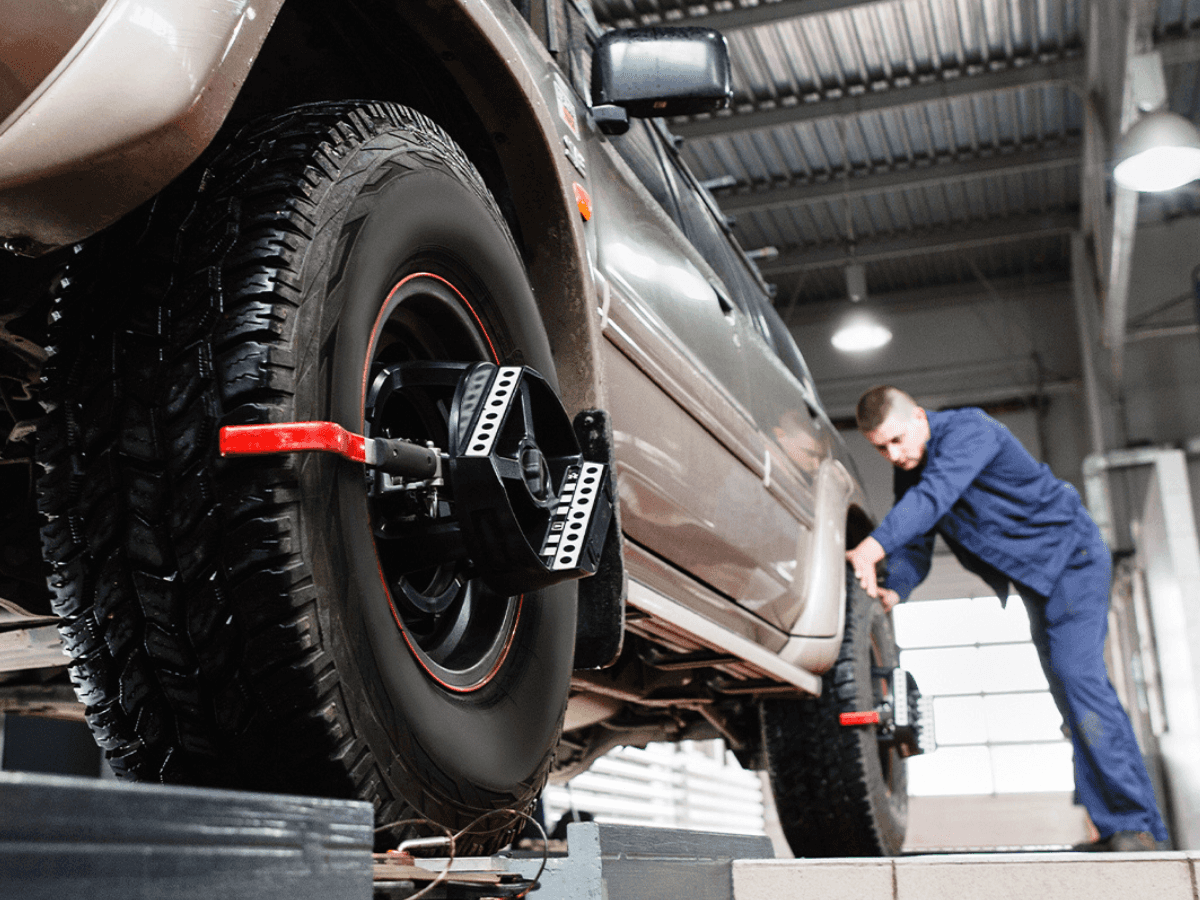
Use Modern Alignment Equipment
Modern machines provide precise readings. They detect small alignment issues easily. Advanced tools help fix your car better. Confirm the shop uses up-to-date equipment for best results.
Check Customer Reviews
Reviews tell you about past customer experiences. Positive feedback shows the shop’s reliability. Look for shops with many happy customers. Avoid places with frequent complaints about alignment service.
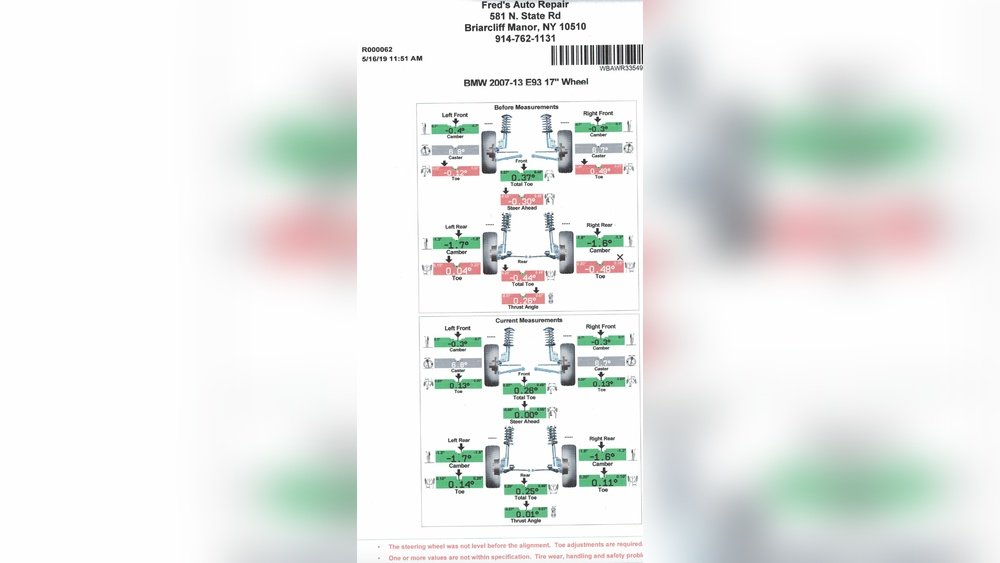
Request A Full Alignment Report
A full report shows before and after measurements. It proves the alignment was done properly. Ask for this report to understand the work done. This helps verify the quality of the service.
Verify Warranty On Alignment Service
Good shops offer a warranty on their work. This protects you if problems return soon. Ask about warranty terms before agreeing. Warranty shows the shop trusts their service quality.

Credit: www.reddit.com
Credit: www.hondaofindiantrail.com
Frequently Asked Questions
Do I Need Wheel Alignment After Buying New Tires?
Yes, wheel alignment helps your new tires wear evenly. It also improves driving safety and fuel efficiency.
How Does Tire Replacement Affect Wheel Alignment?
New tires can reveal alignment problems not seen before. Misalignment may cause uneven tire wear and handling issues.
Can I Skip Alignment After Replacing Tires?
Skipping alignment can lead to faster tire damage. It may also cause steering problems and reduce tire life.
How Often Should Wheel Alignment Be Checked?
Check wheel alignment every 6,000 miles or after new tire installation. Regular checks keep your vehicle safe and smooth.
Conclusion
Replacing tires can affect your car’s alignment. Proper wheel alignment keeps your vehicle safe and running smoothly. It helps tires wear evenly and improves fuel efficiency. Skipping alignment may lead to steering problems and uneven tire wear. Check your alignment after getting new tires to avoid costly repairs.
A quick alignment saves money and gives you a better driving experience. Don’t ignore this important step after changing your tires. It keeps your car balanced and your drive comfortable. Simple, smart care goes a long way.