Will Low Refrigerant Cause Compressor to Not Engage? Expert Answers
Have you ever wondered why your air conditioner’s compressor just won’t turn on? If your system isn’t cooling like it used to, low refrigerant could be the hidden culprit.
When refrigerant levels drop, it can stop your compressor from engaging, leaving you stuck in the heat. Understanding this connection is key to fixing the problem quickly and avoiding costly repairs. Keep reading to find out exactly how low refrigerant affects your compressor and what you can do to get your system back up and running.
Credit: www.youtube.com
How Refrigerant Levels Affect Compressor Function
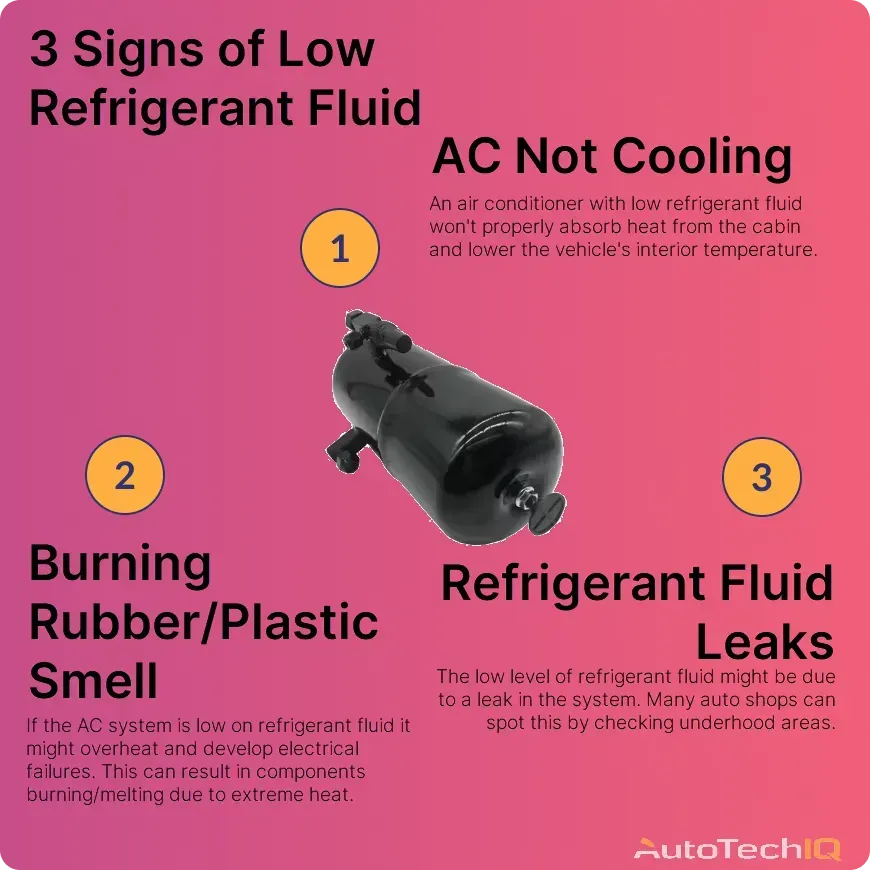
Low refrigerant levels can stop the compressor from starting. Without enough refrigerant, the system may not build pressure to engage the compressor. This can cause the air conditioner to stop cooling properly.
The compressor is the heart of any cooling system. It pumps refrigerant through the system to remove heat. Refrigerant levels play a key role in how well the compressor works. Too little refrigerant can cause the compressor to struggle or stop working.
When refrigerant is low, pressure inside the system drops. This low pressure makes it hard for the compressor to start or keep running. The compressor may also shut off to protect itself from damage. Without enough refrigerant, the system cannot cool properly.
Low Refrigerant And Compressor Start-up
Compressor needs a certain pressure to start. Low refrigerant causes low pressure. The compressor may fail to engage because it senses unsafe conditions. This stops the compressor from running and prevents damage.
Effects Of Low Refrigerant On Compressor Performance
Low refrigerant reduces the cooling ability of the system. The compressor works harder but gets less cooling effect. This leads to overheating and extra wear on the compressor. Over time, this can cause serious damage and shorten compressor life.
Signs Of Low Refrigerant In Your System
Watch for weak cooling or warm air from vents. The compressor may run longer than usual or cycle on and off often. Strange noises or frequent shutdowns can also indicate low refrigerant. Checking refrigerant levels can help catch these problems early.
Credit: www.autotechiq.com
Signs Of Low Refrigerant In Hvac Systems
Low refrigerant in HVAC systems can cause many problems. It affects how well your system cools or heats your home. Spotting signs of low refrigerant early can save you from costly repairs. Knowing these signs helps you act quickly and keep your system running smoothly.
Refrigerant is the fluid that carries heat in your HVAC system. When its level drops, the system works harder and less efficiently. This strain can stop the compressor from engaging, a key component in cooling and heating. Watch for these signs to catch low refrigerant problems fast.
Reduced Cooling Or Heating Performance
Your HVAC system may not cool or heat as well as before. The air coming from vents feels warmer or cooler than usual. It takes longer to reach the desired temperature. This drop in performance often points to low refrigerant levels.
Longer Running Times
The system runs longer than normal to reach set temperatures. It struggles to maintain a steady temperature in your home. Longer running times increase energy bills and wear out the system faster. Low refrigerant makes the system work harder than needed.
Ice Formation On Refrigerant Lines
You may see ice or frost on the refrigerant lines or coils. This happens because low refrigerant causes the temperature to drop below freezing. Ice buildup reduces airflow and system efficiency. It also risks damage to the compressor and other parts.
Hissing Or Bubbling Sounds
Unusual sounds like hissing or bubbling near the indoor unit can occur. These noises often mean refrigerant is leaking. Leaks lower refrigerant levels and harm system performance. They need quick attention to avoid bigger issues.
Warm Air Blowing From Vents
Even with the system on, the air may feel warm or not cold enough. This is a clear sign of low refrigerant. The compressor may not engage properly, stopping the cooling cycle. Warm air means the system cannot cool your home effectively.
High Energy Bills
Low refrigerant causes the system to work harder and longer. This extra effort shows in higher energy bills. Sudden increases in cost without increased use can signal a refrigerant issue. Monitoring bills helps detect problems early.
Why Compressors Fail To Engage
Compressors play a key role in air conditioning and refrigeration systems. They push refrigerant through the system to cool your space. Sometimes, compressors fail to start or engage. This problem stops the cooling process. Several factors cause this failure. Understanding these can help identify and fix the issue quickly.
Low Refrigerant Levels
Low refrigerant can cause the compressor not to engage. Refrigerant pressure is essential for the compressor to start. Without enough refrigerant, pressure drops too low. The compressor senses this and shuts down to avoid damage. Leaks or poor charging often cause low refrigerant.
Electrical Issues
Electrical problems often stop compressors from engaging. Faulty wiring, blown fuses, or bad contactors disrupt power flow. The compressor won’t get the needed electricity to start. A professional should inspect the electrical components to ensure proper function.
Faulty Start Capacitor
The start capacitor gives the compressor a power boost. If the capacitor fails, the compressor struggles to start. The motor may hum or try to run but then stop. Replacing the capacitor can fix this issue and restore compressor operation.
Overheating And Safety Controls
Compressors have safety controls that stop them from running if overheating occurs. High temperature or pressure triggers these controls. The compressor will not engage until conditions improve. Overheating can result from blocked airflow or dirty coils.

Credit: www.youtube.com
Diagnosing Low Refrigerant Issues Safely
Diagnosing low refrigerant issues requires care and safety. Refrigerant is a gas that cools your AC system. If it runs low, the compressor might not work. Checking refrigerant levels is not easy or safe without the right tools.
Handling refrigerant incorrectly can harm you and the environment. Always follow safety rules and use proper equipment. Some steps need a professional technician’s help. Knowing how to spot low refrigerant signs can save time and money.
Wear Protective Gear
Always wear gloves and safety glasses when checking refrigerant. Refrigerant leaks can cause frostbite or eye injuries. Protect your skin and eyes from direct contact. Use long sleeves to avoid skin exposure.
Use Proper Tools
Use a refrigerant gauge to check pressure levels. Never open the system without proper tools. Special leak detectors help find escaping refrigerant. These tools keep you safe and provide accurate readings.
Check For Visible Signs
Look for ice on pipes or compressor. Listen for hissing sounds indicating leaks. Warm air blowing from vents can mean low refrigerant. These signs help identify problems early.
Follow Environmental Rules
Releasing refrigerant into the air is illegal and harmful. Always capture and recycle refrigerant properly. Use certified professionals for handling and refilling. Protect the environment by following laws strictly.
Fixes And Prevention For Compressor Engagement Problems
Fixing and preventing compressor engagement problems keeps your air conditioner working well. Low refrigerant can stop the compressor from starting. Knowing how to fix this helps avoid costly repairs and keeps your home cool.
Simple steps can restore proper compressor function. Regular checks and care reduce the chance of issues. Understanding the common fixes and prevention tips saves time and money.
Check And Refill Refrigerant Levels
Low refrigerant is a common reason for compressor failure. A professional should check the refrigerant level carefully. If it is low, refilling it restores pressure. Proper pressure helps the compressor engage and run smoothly.
Inspect For Refrigerant Leaks
Leaks cause refrigerant to drop over time. Finding leaks early stops damage to the system. Technicians use special tools to detect leaks. Repairing leaks prevents future compressor problems.
Keep The Compressor Clean
Dirt and debris can block the compressor’s parts. Clean the compressor area regularly to avoid build-up. A clean compressor runs efficiently and engages easily.
Schedule Regular Maintenance
Regular maintenance keeps the system healthy. A yearly check-up catches low refrigerant or other issues early. Maintenance includes checking electrical connections and testing compressor function.
Use The Right Refrigerant Type
Using the wrong refrigerant harms the compressor. Always use the refrigerant type specified by the manufacturer. Correct refrigerant ensures safe and efficient compressor operation.
Frequently Asked Questions
Can Low Refrigerant Stop The Compressor From Starting?
Low refrigerant can cause the compressor to not start. The system has safety controls that prevent damage. Without enough refrigerant, these controls stop the compressor from engaging.
Why Does Low Refrigerant Affect Compressor Operation?
Low refrigerant lowers pressure inside the system. This triggers the compressor’s safety switch to avoid damage. As a result, the compressor won’t turn on.
How To Know If Low Refrigerant Is Causing Compressor Issues?
Look for weak cooling or warm air from vents. Listen for the compressor trying to start but failing. A professional can check refrigerant levels and system pressure.
Can Adding Refrigerant Fix Compressor Engagement Problems?
Adding refrigerant may help if the level is low. But leaks must be fixed first to avoid repeated problems. Proper charging ensures the compressor runs smoothly.
Conclusion
Low refrigerant can stop the compressor from starting. The compressor needs enough refrigerant to work properly. Without it, the system may shut down to protect itself. Checking refrigerant levels early can save you costly repairs. Regular maintenance helps keep your air conditioner running smoothly.
Don’t ignore strange noises or weak cooling. These signs may mean low refrigerant or other issues. Acting fast keeps your home comfortable and your system healthy. Understanding this problem helps you take the right steps. Keep your compressor running by keeping refrigerant levels steady.