How Often Do Brakes And Rotors Need to Be Replaced: Expert Guide
When was the last time you thought about your brakes and rotors? If you’re like most drivers, it’s probably not often enough.
Yet, knowing when to replace these crucial parts can save you from costly repairs and keep you safe on the road. You might wonder, “How often do brakes and rotors need to be replaced? ” The truth is, there’s no one-size-fits-all answer—but understanding the signs and factors that affect their lifespan will help you make smart decisions.
You’ll discover exactly what to look for, why timely replacement matters, and how to keep your braking system in top shape. Keep reading, because your safety depends on it.
Credit: www.reddit.com
Brake Pads Vs Rotors
Brake pads and rotors work together to stop your car safely. Both parts wear down over time but at different rates. Knowing how they differ helps you understand when to replace each one.
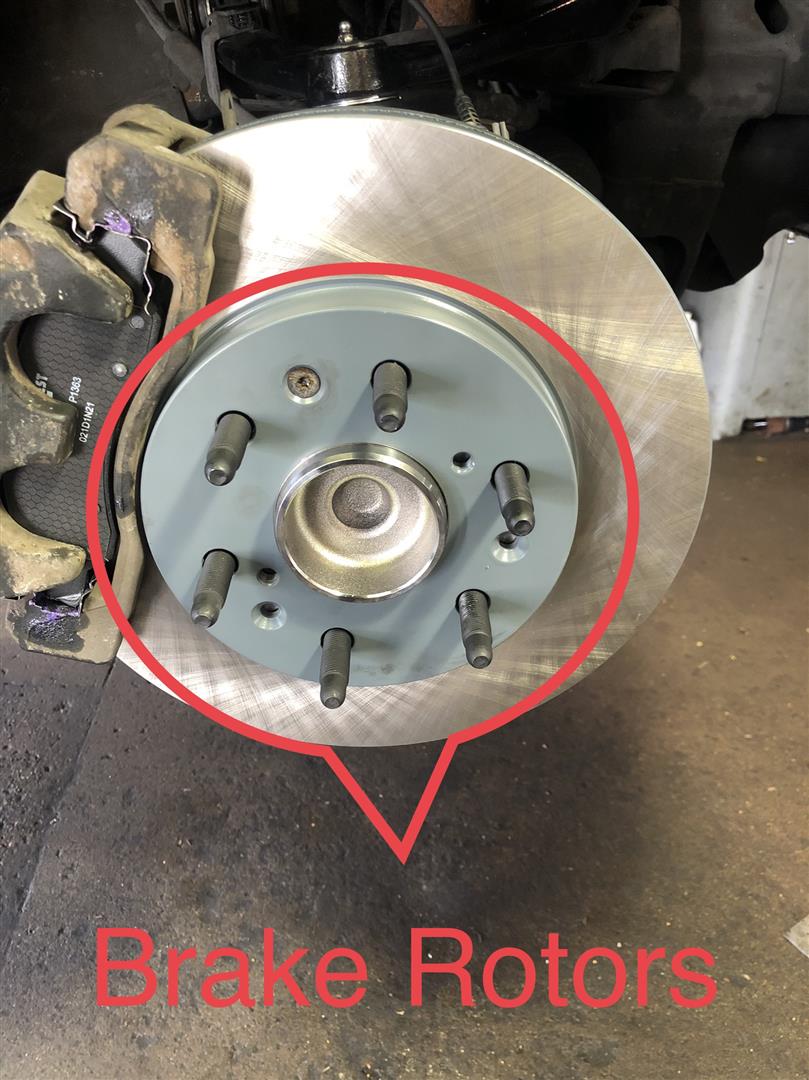
Brake pads press against the rotors to slow your wheels. They are made from materials that wear out faster. Rotors are the large discs that spin with your wheels. They face constant pressure and heat but last longer than pads.
Brake Pads
Brake pads wear out quicker because they create friction. This friction stops your car but causes the pads to thin. Most brake pads last between 30,000 and 70,000 miles. Driving habits and road conditions can change this lifespan.
Worn pads can cause squeaking or grinding noises. They also reduce stopping power, making driving unsafe. Checking pads regularly helps avoid sudden brake failure.
Rotors
Rotors usually last longer than brake pads. They can last 50,000 to 70,000 miles or more. Rotors can become warped or develop grooves from heavy use. This causes vibrations or shaking when braking.
Rotors may be resurfaced if damage is light. Deep grooves or thinning require full replacement. Regular inspection ensures rotors stay safe and effective.
Average Lifespan Of Brakes And Rotors
The average lifespan of brakes and rotors varies based on driving habits and vehicle type. Knowing this lifespan helps maintain safe driving and avoid sudden failures.
Brake pads usually wear out faster than rotors because they directly contact the rotor to stop the car. Rotors last longer but still need regular checks.
Average Lifespan Of Brake Pads
Brake pads typically last between 30,000 and 70,000 miles. Some last longer, but many need replacement around 40,000 miles. City driving with frequent stops can shorten their life. Highway driving tends to be easier on brake pads.
Average Lifespan Of Rotors
Rotors often last between 50,000 and 70,000 miles. They can last longer if the brake pads are replaced on time. Deep grooves or warping can reduce rotor life. Proper care and inspection extend rotor lifespan.
Factors Affecting Lifespan
Driving style plays a big role in wear. Hard braking causes faster wear on both pads and rotors. Road conditions, such as hills or heavy traffic, also impact lifespan. Quality of parts and vehicle weight matter too.
Factors Influencing Wear
Brake pads and rotors wear out over time due to several factors. Understanding these factors helps predict when replacement is needed. Wear depends on driving habits, vehicle type, and road conditions.
Each factor affects how quickly brakes and rotors degrade. Some cause faster wear, while others have less impact. Knowing these influences helps maintain safe and effective braking.
Driving Habits
Frequent hard braking speeds up wear on pads and rotors. Smooth, gentle braking extends their life. City driving with many stops causes more wear than highway driving. Aggressive driving increases heat, which can warp rotors.
Vehicle Type And Weight
Heavier vehicles put more pressure on brake parts. Trucks and SUVs often need brake replacements sooner than smaller cars. Performance cars may have specialized brakes that wear differently. The vehicle’s design influences how brakes handle heat and stress.
Road And Weather Conditions
Rough, hilly, or mountainous roads increase brake usage and wear. Wet or icy roads require more careful braking, sometimes causing uneven wear. Dusty or sandy environments can cause brake parts to wear faster. Extreme temperatures affect rotor metal and brake pad materials.
Brake Quality And Maintenance
High-quality brake pads and rotors last longer. Cheap parts may wear out quickly and unevenly. Regular inspections and timely maintenance prevent excessive wear. Keeping brakes clean and replacing worn parts on time improves safety and extends life.
Credit: www.ricksautoservice.org
Signs You Need Replacement
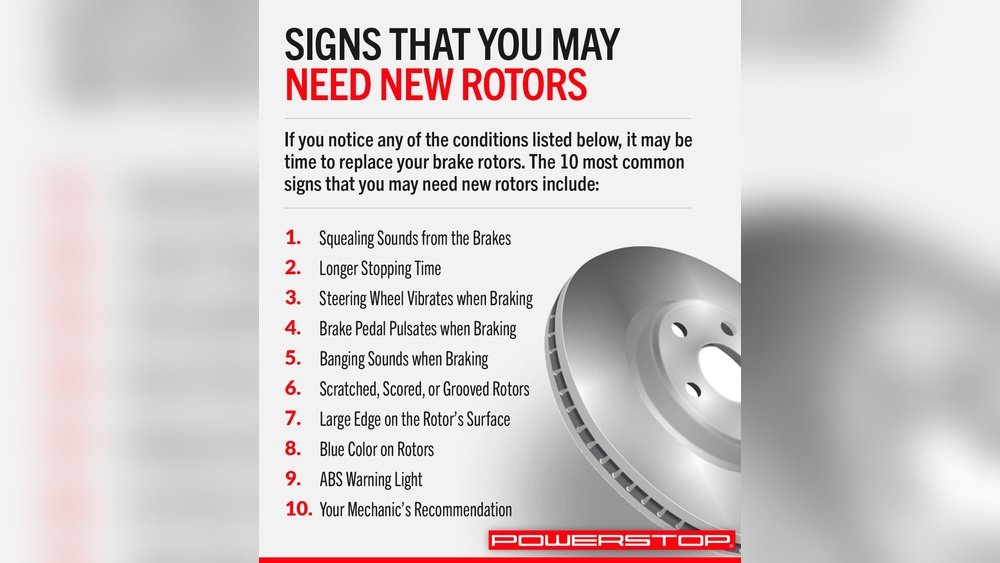
Brakes and rotors show clear signs when they need replacement. Paying attention to these signals keeps your driving safe. Ignoring signs can cause bigger damage and costly repairs.
Understanding these signs helps you act fast. Here are common indicators your brakes or rotors need attention.
Unusual Noises When Braking
Squeaking or grinding sounds during braking often mean worn brake pads. These noises come from metal touching metal. This indicates pads are too thin and need replacement.
Vibration Or Pulsation In The Brake Pedal
Feeling a shake or pulse when pressing the brake pedal signals rotor problems. Warped rotors cause this vibration. It affects braking smoothness and safety.
Longer Stopping Distances
If your car takes more time or distance to stop, brakes may be failing. Worn pads or rotors reduce braking power. Check them immediately to avoid accidents.
Visible Wear On Brake Pads Or Rotors
Inspect your brakes regularly. Thin brake pads or deep grooves on rotors show wear. These parts need replacement before failure occurs.
Brake Warning Light On Dashboard
A brake warning light signals a problem. It can mean low brake fluid or worn pads. Do not ignore this alert; have brakes checked soon.
Rotor Resurfacing And Replacement Tips
Rotors play a key role in your vehicle’s braking system. Keeping them in good shape ensures safe, smooth stops. Rotor resurfacing and replacement help maintain brake performance. Knowing when to resurface or replace rotors saves money and prevents brake issues.
What Is Rotor Resurfacing?
Rotor resurfacing means removing a thin layer from the rotor’s surface. This process smooths out grooves and uneven spots. It helps restore the rotor to near-new condition. Resurfacing extends rotor life and improves brake contact. It is a cost-effective alternative to replacement.
When To Resurface Rotors
Resurface rotors if they have light grooves or uneven wear. The rotor thickness must stay above the minimum limit. Most shops check thickness with a micrometer before resurfacing. Avoid resurfacing if rotors are too thin or badly damaged. Resurfacing works best for minor surface problems.
Signs You Need Rotor Replacement
Replace rotors if they are cracked, warped, or very thin. Deep grooves or rust damage also mean replacement is needed. Warped rotors cause brake vibration or pulsing when stopping. Thin rotors may overheat and fail under stress. Replacement guarantees safe braking and long-term reliability.
Choosing Between Resurfacing And Replacement
Consider rotor age, thickness, and damage type. Resurfacing suits rotors with minor wear and enough thickness. Replacement is better for severe damage or low thickness. New rotors improve braking smoothness and reduce noise. Always ask a trusted mechanic for advice on rotor care.

Credit: www.reddit.com
Frequently Asked Questions
What Is The Average Life Of Brakes And Rotors?
Brake pads usually last 30,000 to 70,000 miles. Rotors often last through two to three brake pad sets. Driving habits and conditions affect lifespan. Regular inspections help ensure safety and timely replacements.
What Is The 30 30 30 Rule For Brakes?
The 30-30-30 rule for brakes means driving 30 miles, then resting brakes for 30 minutes, repeated 30 times. It helps new brake pads bed in evenly for optimal performance and longevity.
Why Don’t Mechanics Turn Rotors Anymore?
Mechanics rarely turn rotors because modern rotors are thinner and designed for replacement. Turning can weaken or warp them. New rotors ensure better braking performance, safety, and durability. Replacing rotors saves time and avoids future brake issues.
How Much Does It Cost To Replace All 4 Brake Pads And Rotors?
Replacing all 4 brake pads and rotors typically costs between $400 and $800. Prices vary by vehicle and location.
How Often Should Brake Pads Be Replaced?
Brake pads usually last between 30,000 and 70,000 miles. Driving habits and road conditions can change this timing. Regular checks help catch wear early.
Conclusion
Regular brake and rotor checks keep your vehicle safe on roads. Brake pads wear faster and need frequent replacement. Rotors last longer but must be inspected for damage. Listen for noises and watch for vibrations while driving. Timely replacements prevent costly repairs and accidents.
Always follow your car’s maintenance schedule closely. Stay alert to signs your brakes need attention. Safe driving depends on well-maintained brakes and rotors.