How Often Should You Start Your Car in Cold Weather: Essential Tips
When the cold weather hits, you might wonder how often you should start your car to keep it running smoothly. You want to avoid any surprises, like a dead battery or engine trouble, right?
Knowing the right routine can save you time, money, and frustration. You’ll discover simple tips to protect your car during chilly days and keep it ready whenever you need it. Keep reading to learn exactly what your car needs when the temperature drops.
Effects Of Cold Weather On Car Batteries
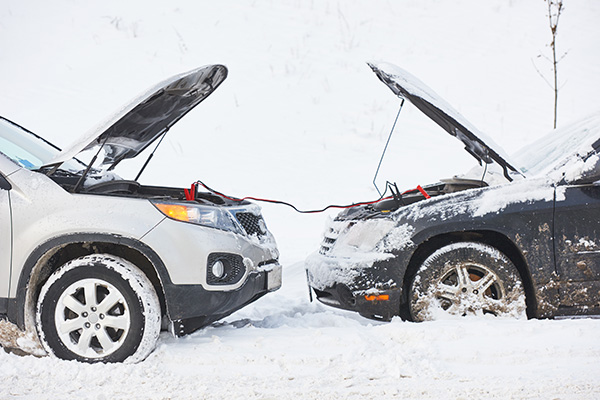
Cold weather puts a lot of stress on car batteries. Low temperatures slow down the chemical reactions inside the battery. This reduces the battery’s ability to hold and deliver power.
Starting a car in freezing weather demands more energy from the battery. The engine oil thickens, making the engine harder to turn. The battery must work harder to start the car. This can drain an older or weak battery quickly.
Cold also causes the battery fluid to thicken. This lowers the battery’s efficiency and can lead to permanent damage. It may take longer for the battery to recharge after starting the car. Frequent short trips in cold weather can keep the battery from fully charging.
Reduced Battery Capacity
Cold temperatures reduce a battery’s capacity by up to 50%. This means less power is available to start the engine. Batteries that are fully charged still lose power in the cold.
Increased Power Demand
Engines need more power to start in cold weather. Thick oil and cold metal parts resist movement. The battery must provide extra power to overcome this resistance.
Battery Fluid Thickening
Battery acid thickens in cold temperatures. This slows down the chemical reactions inside the battery. It lowers the battery’s ability to generate electrical current.
Short Trips And Charging Issues
Short drives in cold weather prevent the battery from fully charging. The alternator may not have enough time to restore power. Over time, this weakens the battery and reduces its lifespan.
Credit: www.portlandautomotive.com
Signs Your Car Needs Frequent Starting
Cold weather can affect your car’s battery and engine. Frequent starting helps keep the battery charged and engine ready. Signs include slow starts and dim lights.
Cold weather can be tough on cars. Sometimes, your vehicle needs to be started more often in winter. Knowing the signs helps keep your car healthy. Watch for these clues to decide if you should start your car more regularly.
Slow Engine Crank
If your engine turns slowly when starting, it may need more frequent starts. Cold drains the battery power. Starting the car often helps keep the battery charged and ready.
Difficulty Starting The Engine
Hard starts are a clear sign. The engine struggles in cold weather. Starting the car more often warms up parts and improves performance.
Dim Headlights Or Electrical Issues
Dimming lights or flickering dashboard signals weak battery power. Frequent starts recharge the battery and support electrical systems during cold spells.
Unusual Engine Noises
Strange sounds like knocking or rattling mean the engine needs warming. Starting the car regularly helps oil flow properly and protects engine parts.
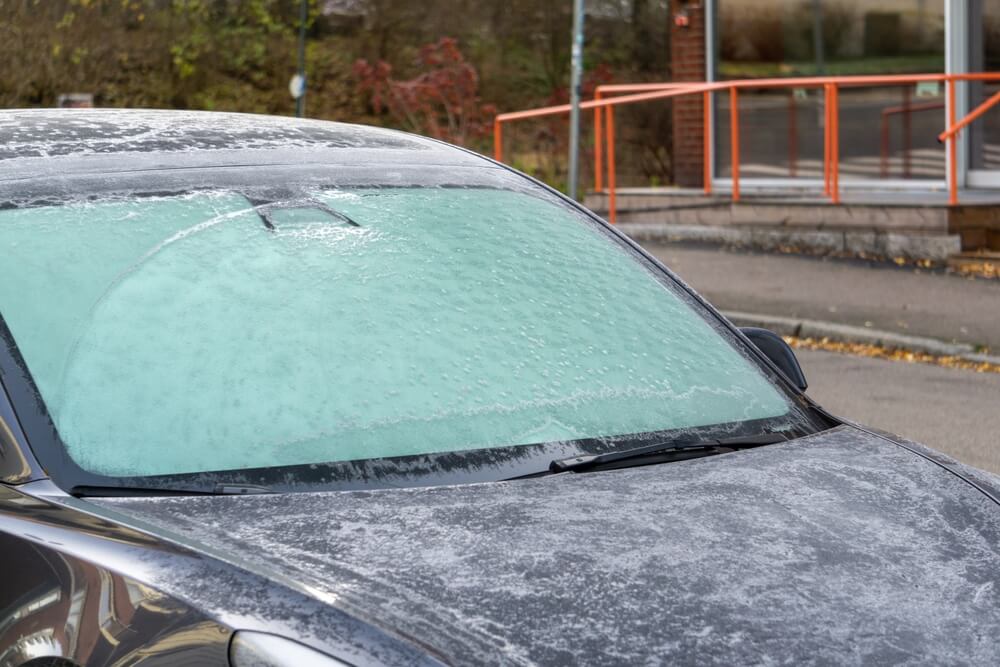
Visible Frost Or Ice On Windows
Frost buildup shows the car stays cold for too long. Starting the engine more often helps defrost and keeps your car ready to drive.
Recommended Starting Frequency In Cold Weather
Starting your car every few days in cold weather helps keep the battery charged. Let it run for about 10 minutes to warm up the engine. This prevents problems caused by cold and keeps your car ready to drive.
Starting your car regularly in cold weather keeps the engine healthy. Cold temperatures can thicken engine oil. This makes it harder for the engine to run smoothly. Regular starts help circulate oil and prevent damage.
Experts suggest starting your car at least once every three days. This frequency prevents the battery from dying. Batteries lose charge faster in cold weather. Running the engine also warms up the fuel system.
Short Starts Vs. Longer Warm-ups
Short starts of about 5 minutes work best. They warm the engine enough without wasting fuel. Longer warm-ups are not needed with modern cars. Avoid idling for too long to save fuel and reduce pollution.
Signs You Should Start Your Car More Often
If your car struggles to start, increase start frequency. Cold weather can drain the battery quickly. Listen for slow cranking sounds or dim lights. These signs mean your battery needs more attention.
Adjusting Frequency Based On Temperature
At very low temperatures, below 20°F, start your car every two days. This helps keep the battery and engine fluids from freezing. Warmer cold days allow longer gaps, up to three days. Always check your car’s manual for specific advice.
Credit: www.yourmechanic.com
Tips To Protect Your Car In Winter
Protecting your car in winter helps it run well and last longer. Cold weather can cause many problems for vehicles. Simple steps can keep your car safe from damage and breakdowns. These tips help keep your car ready and reliable during cold months.
Following these easy tips will reduce wear and tear. Your car will start easier and drive better. Winter care can save money on repairs and improve safety on the road.
Keep Your Battery Charged
Cold weather drains car batteries fast. Check battery health before winter arrives. Use a battery charger if needed. Avoid short trips that do not fully charge the battery. A strong battery helps your car start every time.
Use The Right Engine Oil
Cold temperatures thicken engine oil. Use winter-grade oil to keep it flowing well. Check your owner’s manual for oil recommendations. Thin oil reduces engine wear and improves starting. Changing oil at the right time protects your engine.
Maintain Tire Pressure
Cold air lowers tire pressure quickly. Check tires weekly during winter. Proper pressure improves grip and fuel efficiency. Underinflated tires can cause accidents or damage. Keep tires inflated to the recommended level for safety.
Keep The Gas Tank Full
A full gas tank prevents moisture build-up. Moisture can freeze and block fuel lines. Fill your tank at least half full in cold weather. This simple step helps avoid costly repairs and keeps your car running smoothly.
Protect Your Car’s Exterior
Road salt and ice damage paint and metal. Wash your car regularly to remove salt. Waxing your car adds a protective layer. Cover your car or park in a garage when possible. Protecting the exterior reduces rust and keeps your car looking good.
Common Mistakes To Avoid When Starting Your Car
Starting your car in cold weather needs care to avoid damage. Many drivers make simple mistakes that hurt their vehicle’s engine and battery. Knowing what to avoid helps keep your car running smoothly through winter months.
Cold weather puts extra strain on car parts. Mistakes can lead to costly repairs or leave you stranded. Follow these tips to protect your car and save money.
Never Rev The Engine Immediately
Some drivers think revving the engine warms the car faster. It does not. Revving can cause engine damage in cold weather. Start the engine and let it idle gently for a minute or two. This lets oil circulate and protect engine parts.
Avoid Excessive Idling
Idling your car for a long time wastes fuel and causes pollution. It also does not warm the engine quickly. Start the car, wait a short moment, and then drive slowly. Moving the car helps the engine reach the right temperature faster.
Do Not Use The Starter For Too Long
Holding the key in the start position for more than 10 seconds can damage the starter. If the car doesn’t start, wait about 30 seconds before trying again. This prevents overheating and preserves the starter motor.
Skip Using Block Heaters Incorrectly
Block heaters help in very cold climates but need proper use. Plug them in for 2-4 hours before starting the car. Using them longer wastes energy. Always follow the manufacturer’s instructions for best results.
Avoid Using High Beams To Warm The Car
Some believe turning on high beams helps warm the car. It does not. Lights do not affect engine temperature. Focus on proper starting and driving habits instead.
Credit: www.freeway.com
Frequently Asked Questions
How Often Should You Start Your Car In Cold Weather?
Start your car at least once every two to three days in cold weather. This keeps the battery charged and the engine lubricated. Avoid letting it sit unused for too long.
Can Starting Your Car Too Often Harm The Engine?
Starting your car too often in cold weather can wear out the starter. It’s best to limit starts to necessary times only. Let the engine run a few minutes to warm up.
Should You Let Your Car Warm Up Before Driving In Winter?
Yes, let your car warm up for 3 to 5 minutes before driving. This helps the oil circulate and protects the engine. Driving gently after warming up is ideal.
What Happens If You Don’t Start Your Car In Cold Weather?
Not starting your car can drain the battery and cause engine parts to stiffen. This may lead to harder starts and damage over time. Regular starts keep your car healthy.
Conclusion
Starting your car in cold weather helps keep the engine healthy. Too often can waste fuel and cause wear. Too little may make your battery weak. Aim to start your car every few days. Let it run for a few minutes to warm up.
This keeps fluids flowing and parts moving. Remember, gentle care helps your car last longer. Stay safe and avoid unnecessary trips. Your car will thank you with better performance. Simple habits make cold mornings easier.