Will You Fail Emissions With Check Engine Light On? Truth Revealed
You’ve probably seen that dreaded check engine light glow on your dashboard and wondered, “Will this cause me to fail my emissions test?” If you’re facing an inspection soon, this question can feel urgent and stressful. After all, no one wants to shell out extra money or deal with unexpected repairs.
The truth is, your check engine light isn’t just a random warning—it’s your car telling you something’s wrong with its emissions system. Ignoring it could mean an automatic fail on your test, but there’s more to understand. You’ll discover why the check engine light matters so much for emissions, what it means for your chances of passing, and what steps you can take right now to avoid failing.
Keep reading to take control of your car’s health and save yourself time and money.
Check Engine Light And Emissions Tests
The check engine light plays a key role in vehicle emissions tests. This light signals problems with the engine or emissions system. When it is on, it means the car’s computer has found an issue that could increase pollution.
Emissions tests check if a vehicle meets pollution standards. They include reading the car’s onboard diagnostics for trouble codes. If the check engine light is on, the test usually fails. The system sees the light as a sign of high emissions risk.
What The Check Engine Light Indicates
The check engine light can mean many things. It may show a loose gas cap, faulty oxygen sensor, or engine misfire. Each issue affects emissions and vehicle performance. Ignoring the light can lead to worse problems and higher emissions.
How Emissions Tests Use The Check Engine Light
During an emissions test, inspectors scan the car’s computer. They check for active trouble codes and pending codes. An active check engine light causes automatic failure. The car must have no engine faults to pass the test.
Resetting The Check Engine Light Before Testing
Some try to reset the light before the test. Clearing codes without fixing the problem can cause failure. The car’s computer needs to complete a drive cycle to update readiness. Testing too soon after resetting may show incomplete data.

Credit: www.youtube.com
Why The Light Causes Automatic Failure
The check engine light signals a problem with your car’s emissions system. During an emissions test, this light plays a crucial role. If the light is on, it means the vehicle’s computer has detected an issue that could increase pollution.
Because the test checks if your car meets pollution standards, an active check engine light shows your car may not comply. The light warns inspectors that emissions could be higher than allowed.
Indicator Of Emissions System Problems
The check engine light turns on when sensors detect emissions faults. These faults can affect parts like the catalytic converter or oxygen sensors. Such problems lead to higher harmful gas emissions.
Testers view the light as a clear sign that your car is not running cleanly. It shows your vehicle’s emissions control system is not working properly.
Prevents Tampering With Emissions Controls
The light helps prevent tampering with emissions systems. If the light is off but there is a hidden problem, it could mean someone cleared the codes illegally. This makes the system unreliable.
Emissions tests rely on the light to confirm the system’s true condition. An active light means the vehicle’s computer detected an issue, ensuring honesty in testing.
Legal Requirement For Vehicle Safety
Many states require the check engine light to be off for passing emissions tests. This rule helps keep air quality safe for everyone. Cars with an active light may fail and need repairs before retesting.
Ignoring the light can lead to fines or failing your inspection. The system helps enforce environmental laws and protects public health.
State Laws And Variations
Emissions testing rules differ across states in the U.S. Some states have strict regulations. Others are more lenient. The check engine light plays a big role in these rules.
Many states require the check engine light to be off for a vehicle to pass emissions. The light signals a problem with the car’s emissions system. A lit check engine light often means automatic failure.
Other states allow some exceptions. They might pass a car with a check engine light if the issue is minor or unrelated to emissions. Some states require a full diagnostic check before deciding.
Strict States: No Check Engine Light Allowed
States like California and Texas have zero tolerance for a check engine light. The light must be off during the test. If it is on, the vehicle fails the emissions test immediately.
These states aim to reduce pollution and protect air quality. They enforce strict penalties for failing emissions tests. Fixing the issue before testing is crucial in these areas.
States With Conditional Passes
Some states allow passing with a check engine light under certain conditions. For example, if the issue does not affect emissions directly. Or if the problem is already being repaired.
These states may require proof of repair or a follow-up inspection. The rules vary widely and depend on the specific problem the light signals.
No Emissions Testing States
A few states do not require emissions testing at all. In these states, a check engine light does not impact vehicle registration. Drivers can keep their cars on the road without emissions checks.
This lack of testing means no penalties for an active check engine light related to emissions. However, other safety inspections may still apply.
Clearing Codes And Drive Cycles
Clearing codes and completing drive cycles play a key role in emissions testing. The check engine light often turns on due to stored trouble codes. Simply clearing these codes does not guarantee the light will stay off. The vehicle’s computer runs a series of tests, known as drive cycles, to monitor emissions systems. These tests must be complete before an emissions test can be passed.
Clearing codes resets the vehicle’s computer memory. This action erases stored trouble codes and turns off the check engine light. After clearing, the car’s computer must complete its drive cycle. The drive cycle involves specific driving conditions that allow the computer to check all emissions-related parts. Until these tests finish, the vehicle may fail an emissions inspection.
What Happens When You Clear Codes
Clearing codes removes error messages from the vehicle’s computer. It also turns off the check engine light temporarily. The computer then starts fresh, needing time to run all system checks again. Without these checks completed, the vehicle may not pass an emissions test. Testers look for a ready status before approving the inspection.
Understanding Drive Cycles
A drive cycle is a set of driving actions that let the car’s computer run tests. These include idling, acceleration, steady speed, and deceleration. The cycle varies by vehicle make and model but usually takes about 50 to 100 miles. Completing these cycles ensures the computer confirms all emissions systems work properly.
Why Drive Cycles Matter For Emissions
Emissions tests require the vehicle’s computer to show all systems are ready. If the drive cycle is incomplete, some system checks remain pending. This causes the car to fail the emissions test. Completing the drive cycle after clearing codes helps avoid this problem. It shows the car is running clean and meets emissions standards.
Steps To Pass After The Light Comes On
Failing an emissions test because of the check engine light can be stressful. Taking the right steps after the light comes on helps you avoid failure. Act fast to fix the problem and clear the light. Follow these simple steps to prepare your vehicle for the emissions test.
Diagnose The Problem Promptly
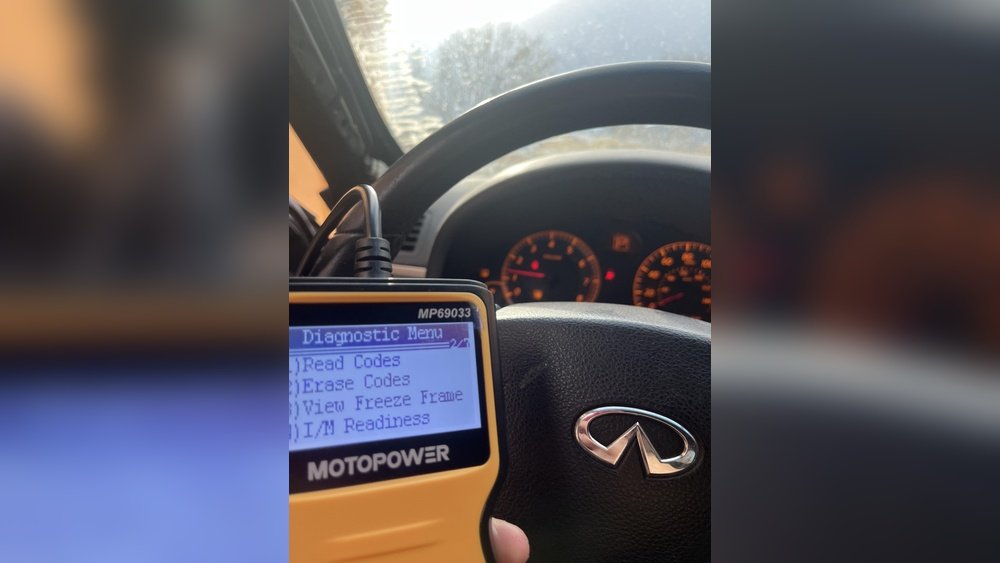
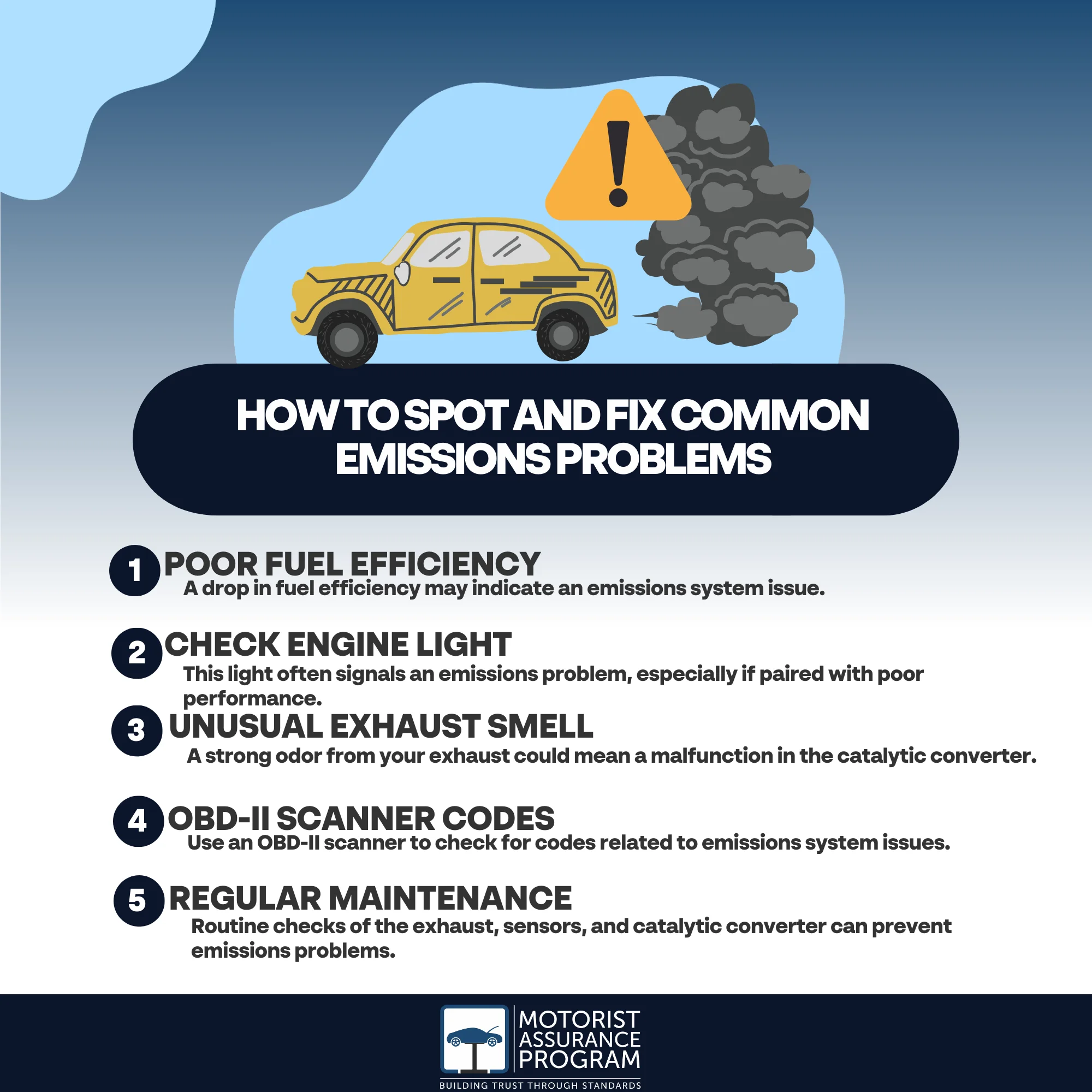
Use an OBD-II scanner to read the error codes. These codes explain why the check engine light is on. Many auto parts stores offer free scanning. Knowing the exact issue helps you fix it correctly.
Repair The Faulty Components
Address the problem shown by the diagnostic codes. It may be a loose gas cap, bad oxygen sensor, or other emission-related parts. Fixing these parts often turns off the check engine light.
Drive The Vehicle To Reset The System
After repairs, drive your car for several days. This allows the car’s computer to run tests and confirm the issue is resolved. The check engine light should turn off if all is well.
Perform A Pre-test Emissions Check
Some shops offer pre-test emissions checks. These help ensure your car passes before the official test. It saves time and money by avoiding a failed test.

Credit: www.cbac.com
Credit: motorist.org
Frequently Asked Questions
Can You Pass Emissions With Your Engine Light On?
A vehicle with the engine light on will almost always fail emissions tests. The light signals emission-related issues. Repair is necessary before testing.
Can I Drive $1000 Miles With The Check Engine Light On?
Driving 1000 miles with the check engine light on risks severe damage. Get a mechanic to diagnose and fix the issue promptly.
How To Turn Off Check Engine Light To Pass Emissions?
Fix the underlying issue triggering the check engine light. Drive your car to complete the readiness cycle. Avoid clearing codes without repair to pass emissions.
What Will Fail An Emissions Test?
A vehicle fails an emissions test if the check engine light is on, emissions exceed limits, or sensors malfunction.
Can A Check Engine Light Cause Emissions Test Failure?
Yes, a Check Engine Light usually means your car will fail the emissions test. It signals a problem affecting emissions control. Repair is needed before passing the test.
Conclusion
A check engine light usually means your car won’t pass emissions. It signals a problem with your vehicle’s system. Fixing the issue before testing can save time and money. Don’t ignore the light or risk failing the test. Stay safe and keep your car in good shape.
Regular checks help avoid surprises at the emissions station. Passing the test protects the environment and your wallet. Remember, a working engine light helps ensure your car runs clean.