How Often Should You Get an Alignment for Your Car: Expert Tips
Is your car pulling to one side or your steering wheel feels off-center? These could be signs that your vehicle’s alignment is out of whack.
But how often should you actually get an alignment? It’s a question many drivers overlook until uneven tire wear or uncomfortable vibrations make it impossible to ignore. Getting your wheels aligned at the right time not only keeps your car driving smoothly but also saves you money on tires and fuel in the long run.
You’ll discover the key signs that mean it’s time for an alignment, common triggers that affect your car’s balance, and expert advice on how often you should schedule this important maintenance. Keep reading to make sure your car stays safe, comfortable, and ready for the road ahead.
Signs You Need An Alignment
Recognizing the signs your car needs an alignment helps prevent further damage. Misalignment affects your vehicle’s handling and tire life. Catching these signs early saves money and keeps driving safe. Watch for unusual behavior during your daily drives.
Vehicle Pulling
Your car pulls to one side while driving straight. You must constantly correct the steering to stay on course. This drifting signals uneven alignment. It can tire you out and cause unsafe driving conditions.
Uneven Tire Wear
Check your tires for uneven wear patterns. One side may wear faster than the other. This happens when wheels are not aligned properly. Uneven wear shortens tire life and increases replacement costs.
Crooked Steering Wheel
The steering wheel looks off-center when driving straight. The emblem or center does not line up with the road. This crooked position means your wheels are misaligned. It makes steering awkward and unsafe.
Steering Wheel Vibration
You feel shaking or vibration through the steering wheel. This vibration can mean alignment issues or other problems. Misaligned wheels cause uneven tire contact with the road. It reduces comfort and control while driving.

Credit: www.beckleyautomall.com
Triggers For Alignment Checks
Knowing when to check your car’s alignment saves money and keeps driving safe. Certain events can misalign your wheels. These triggers need immediate attention to avoid bigger problems. Watch for signs that mean your car needs an alignment check.
After Installing New Tires
New tires can reveal existing alignment issues. Uneven tire wear or poor handling may become more noticeable. Getting an alignment ensures your new tires wear evenly. This step extends tire life and improves driving comfort.
Following Suspension Repairs
Suspension work can change your car’s alignment. Parts like shocks, struts, or control arms affect wheel angles. After any suspension repair, an alignment check confirms proper setup. This keeps your car stable and safe on the road.
After Impact Or Road Hazards
Hitting a pothole or curb can knock your alignment off. Sudden impacts may bend wheels or suspension parts. If your car pulls to one side or the steering wheel feels off, get an alignment check. Early inspection prevents tire damage and improves control.
Recommended Alignment Frequency
Knowing the right time to get a wheel alignment helps keep your car safe and smooth. Proper alignment improves tire life and fuel efficiency. The frequency of alignment depends on several factors. This section explains the recommended alignment frequency for most vehicles.
Annual Alignment Checks
Most experts suggest an alignment check once every year. This keeps your car running well and prevents uneven tire wear. Annual checks catch small issues before they become big problems. Even if your car feels fine, a yearly check is smart.
Mileage-based Guidelines
Some car makers recommend alignment every 12,000 to 15,000 miles. This guide fits average drivers who stay mostly on smooth roads. High mileage means more wear on suspension parts. Following mileage rules helps avoid costly repairs later.
Driving Conditions Impact
Harsh driving conditions speed up the need for alignment. Rough roads, potholes, and curbs can throw off wheel angles quickly. Off-road driving or heavy loads also cause faster misalignment. In such cases, check alignment more often than normal.

Credit: www.performancehondastore.com
Benefits Of Regular Alignments
Regular wheel alignments keep your car running smoothly and safely. Alignments adjust the angles of your wheels to the manufacturer’s specifications. This simple service offers several important benefits. It helps your tires last longer, saves fuel, and improves how your car handles on the road.
Improved Tire Longevity
Proper alignment prevents uneven tire wear. Uneven wear causes tires to wear out quickly. Alignments ensure tires touch the road evenly. This extends the life of your tires. It saves money by reducing how often you replace them.
Enhanced Fuel Efficiency
Misaligned wheels create extra resistance. Your engine works harder to move the car. This increases fuel consumption. Correct alignment reduces drag on your tires. It helps your car use less gas. This saves money and reduces pollution.
Better Vehicle Handling
Alignments improve steering precision and control. Your car responds better to your inputs. This makes driving safer and more comfortable. Proper alignment reduces vibrations and pulling. It helps keep your car stable on curves and straight roads.
Cost And Maintenance Tips
Knowing the cost and maintenance tips for car alignment helps you save money and avoid bigger repairs. Regular alignment keeps your vehicle running smoothly. It improves tire life, fuel efficiency, and driving safety. Understanding typical costs and maintenance helps plan your car care better.
Typical Alignment Costs
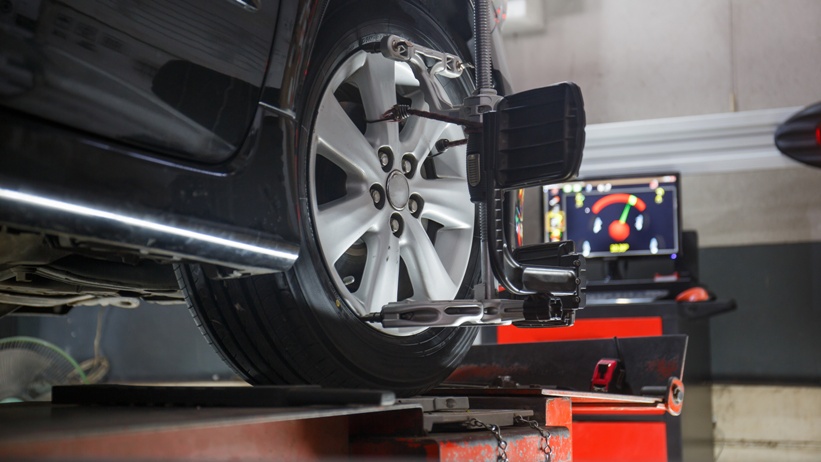
Wheel alignment usually costs between $50 and $100. Prices depend on the vehicle type and location. Some shops charge more for four-wheel alignment than front-wheel only. Luxury or larger vehicles may have higher fees. Basic alignment checks can be cheaper but may not fix all issues.
How To Maintain Alignment
Keep your tires properly inflated to help maintain alignment. Avoid hitting curbs or potholes, which can knock wheels out of place. Rotate your tires every 5,000 to 7,000 miles to ensure even wear. Check alignment if you notice pulling or uneven tire wear. Regular inspections catch problems early.
When To Combine With Other Services
Combine alignment with tire replacement for better results. It is smart to do an alignment after suspension repairs. Balancing tires and checking brakes together can save time and money. Scheduling multiple services at once reduces trips to the shop. This also helps keep your vehicle in top shape.
Credit: www.rebel-auto.com
Frequently Asked Questions
How Long Does An Alignment Usually Last?
An alignment usually lasts 1 to 2 years but varies based on driving habits and road conditions. Check alignment yearly or after impacts.
What Throws Off Your Alignment?
Hitting potholes, curbs, or road debris can misalign your wheels. Suspension repairs and new tires also affect alignment. Uneven tire wear and steering issues signal misalignment.
Do I Really Need An Alignment Every Year?
You don’t need an alignment every year unless you notice pulling, uneven tire wear, or after suspension repairs or impacts. Regular checks keep your car safe and tires lasting longer.
How Much Does An Alignment Usually Cost?
An alignment usually costs between $75 and $150, depending on the vehicle and location. Prices vary by shop and services included.
How Often Should I Get A Car Alignment?
Most experts recommend an alignment every 12,000 to 15,000 miles. Checking alignment annually helps keep tires and steering in good condition. Signs of misalignment may require earlier service.
Conclusion
Regular wheel alignments keep your car safe and running smoothly. Check alignment every 12,000 miles or once a year. Watch for signs like pulling, uneven tire wear, or a crooked steering wheel. Fixing alignment issues early saves you money on tires and fuel.
Stay alert after hitting potholes or curbs, or after new tires go on. Proper alignment improves handling and extends tire life. Keep your car in good shape by scheduling timely alignments. Don’t wait for problems—stay ahead with regular checks. Your car will thank you with better performance and safety.