How Much Do Mechanics Charge to Change Spark Plugs: Expert Costs Revealed
If you’ve ever wondered how much mechanics charge to change spark plugs, you’re not alone. Spark plugs play a crucial role in keeping your engine running smoothly, but when it’s time to replace them, the cost can catch you off guard.
You want to avoid paying too much, but you also want to make sure the job is done right. You’ll discover the typical price ranges mechanics charge, what factors influence these costs, and tips to save money without risking your car’s performance.
Keep reading to get the clear, straightforward info you need before you book your next service.
.jpg)
Credit: www.synchrony.com
Spark Plug Replacement Pricing
Understanding the cost of spark plug replacement helps in planning your car maintenance budget. Prices vary based on several factors like car model, spark plug type, and labor fees. Knowing the pricing details can help you avoid surprises at the repair shop.
Average Cost Range
The typical price to replace spark plugs ranges from $100 to $300. This includes both parts and labor. Some cars with easy access to spark plugs may cost less. Luxury or high-performance vehicles often have higher prices.
Factors Influencing Price
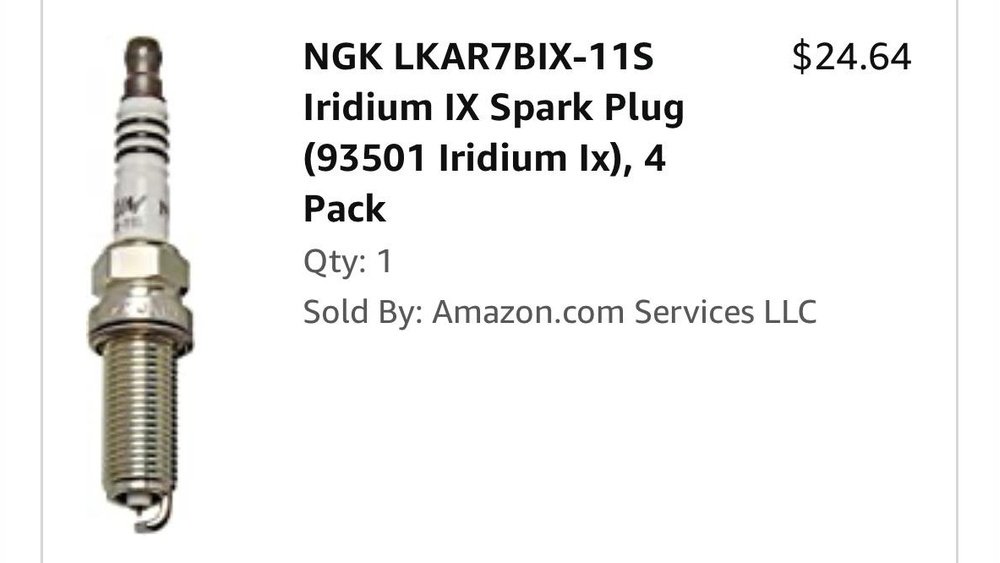
Car make and model greatly affect the cost. Some engines need more spark plugs or special types. The type of spark plug also matters—standard plugs cost less than iridium or platinum ones. Labor costs change depending on how hard it is to reach the plugs.
Labor Vs Parts Cost
Labor usually makes up half of the total price. Mechanics charge for the time needed to remove and install plugs. Parts cost depends on the spark plug quality and brand. Cheaper spark plugs reduce parts cost but may wear out faster.
Diy Spark Plug Change Savings
Changing spark plugs by yourself can save a good amount of money. Mechanics often charge $100 to $300 for this service. Doing it yourself cuts out labor costs, leaving only the price of parts and tools. It also gives you the chance to learn a useful skill. The process is simple but requires some care. Below, find what tools you need, how to do it step-by-step, and risks to watch for.
Tools Needed
- Spark plug socket wrench
- Ratchet and extension bar
- Torque wrench (for proper tightening)
- Gap gauge (to check spark plug gap)
- Dielectric grease (optional, for spark plug boots)
- Anti-seize compound (optional, prevents sticking)
- Work gloves and safety glasses
Step-by-step Process
- Let the engine cool completely before starting.
- Locate the spark plugs by removing the ignition coil or wires.
- Use the spark plug socket and ratchet to remove old plugs.
- Check and adjust the gap on new spark plugs with a gap gauge.
- Apply anti-seize to the threads if desired.
- Install new plugs by hand to avoid cross-threading.
- Tighten with a torque wrench to the manufacturer’s specs.
- Reinstall ignition coils or wires securely.
- Start the engine to ensure smooth running.
Risks And Considerations
Cross-threading spark plugs can damage the cylinder head. Over-tightening may cause thread stripping or plug breakage. Using the wrong spark plug type affects engine performance. Not letting the engine cool can lead to burns. Missing steps or wrong tools increase repair costs later. Always follow your vehicle’s manual for guidance. When unsure, professional help is safer.
Price Differences By Vehicle Type
Mechanics charge different rates to change spark plugs based on the vehicle type. Prices vary due to engine design, labor time, and parts cost. Knowing these differences helps you budget for the service. Each vehicle category presents unique challenges that affect the price.
Common Cars
Changing spark plugs on common cars like sedans or compact vehicles usually costs less. These cars have simpler engine layouts and easy access to spark plugs. Mechanics spend less time on the job, reducing labor costs. The parts themselves are often affordable and widely available.
Luxury And Performance Vehicles
Luxury and performance vehicles demand higher prices for spark plug changes. Their engines are more complex and may require special tools. Spark plugs for these cars can be costly due to brand and technology. Labor takes longer, and mechanics need more expertise. Expect to pay significantly more than for common cars.
Trucks And Suvs
Trucks and SUVs tend to have larger engines with tougher spark plugs. The service might involve removing other parts to reach the plugs. Labor time increases, which raises the overall price. Parts for these vehicles can also be more expensive. The combined factors make spark plug changes pricier than in smaller cars.

Credit: www.autozone.com
Where To Get Spark Plugs Replaced
Choosing the right place to replace your spark plugs affects both cost and quality. Each option offers different benefits and price points. Knowing where to go helps you make a smart decision for your vehicle and budget.
Dealerships
Dealerships use original parts and follow exact manufacturer guidelines. They often charge more for labor and parts. Service at dealerships may include a full vehicle inspection. Your car’s warranty might require dealership service. Expect longer wait times but expert care for your specific model.
Independent Mechanics
Independent mechanics usually charge less than dealerships. They provide personalized service and quick repairs. Many have experience with various car brands. They may use aftermarket parts to reduce costs. Check reviews to ensure quality and trustworthiness before choosing.
Quick Service Centers
Quick service centers offer fast and convenient spark plug replacement. They focus on basic maintenance and repairs. Prices are often competitive with transparent flat rates. These centers may not handle complex engine issues. Ideal for routine spark plug changes without extra services.
Tips To Lower Spark Plug Replacement Cost
Replacing spark plugs can add up quickly. Small savings make a big difference. Use these tips to keep costs low without cutting corners. Smart steps help protect your engine and your wallet.
Finding Discounts And Coupons
Many auto shops offer discounts or coupons for spark plug services. Check their websites or call to ask about deals. Local repair shops may have seasonal promotions. Using coupons can lower labor or parts costs. Always verify the coupon’s terms before booking.
Using Quality Aftermarket Parts
Aftermarket spark plugs often cost less than brand-name parts. Choose high-quality aftermarket brands with good reviews. These parts meet industry standards and keep your engine running well. Avoid very cheap plugs as they may wear out faster. A good balance of price and quality saves money long-term.
Regular Maintenance Benefits
Keeping up with regular car maintenance prevents costly repairs. Clean spark plugs last longer and help your engine run smoothly. Replacing plugs on schedule avoids damage to other parts. Regular checks catch issues early, saving labor costs. A well-maintained engine uses fuel more efficiently, saving money over time.

Credit: www.reddit.com
Frequently Asked Questions
How Much Do Mechanics Charge To Change A Spark Plug?
Mechanics typically charge between $50 and $150 to change spark plugs. Prices vary by vehicle and labor rates.
How Much Are Spark Plugs For Honda Odyssey?
Spark plugs for a Honda Odyssey typically cost between $10 and $20 each. Labor fees for replacement range from $50 to $150. Overall, expect to pay around $90 to $200 for parts and service combined. Prices vary by location and service provider.
How Much Are Spark Plugs For A Toyota Corolla?
Spark plugs for a Toyota Corolla typically cost between $10 and $20 each. Labor charges range from $40 to $100. Total replacement costs usually fall between $80 and $150, depending on the mechanic and location. Prices vary by spark plug type and service provider.
Will Autozone Change Spark Plugs For You?
AutoZone sells spark plugs but does not offer installation services. You must replace spark plugs yourself or use a mechanic.
How Much Does A Mechanic Charge To Change Spark Plugs?
Mechanic fees usually range from $50 to $150 for spark plug replacement. Prices depend on car model and labor time required. Parts cost is often separate from labor charges.
Conclusion
Spark plug replacement costs vary by vehicle and location. Mechanics charge for parts and labor, which can differ widely. Knowing the average price helps you plan your budget better. Regular spark plug changes keep your engine running smoothly. Don’t wait for problems; timely service saves money.
Always ask for a detailed quote before work begins. Clear communication ensures no surprise fees later. Proper maintenance extends your car’s life and improves fuel efficiency. Keep these tips in mind when scheduling your next spark plug change.