What Maintenance Does A Car Need At 100 000 Miles 2026
Figuring out what maintenance does a car need at 100 000 miles involves tackling major service items like timing belt replacements, spark plug changes, and complete fluid flushes to keep your engine running smoothly. Reaching this major odometer milestone marks a critical turning point where proactive care directly prevents catastrophic mechanical failures.
This guide covers essential service checklists, vital fluid replacements, and expert tips for extending your engine’s lifespan. Here is what you need to know about preparing your vehicle for the next 100,000 miles.
How Ignition Systems Fail at 100 000 Miles
Ignition systems suffer from severe electrical wear as your vehicle accumulates high mileage. Standard copper spark plugs generally require replacement every 30,000 miles, while platinum and iridium variants last significantly longer. Platinum spark plugs typically last between 60,000 and 100,000 miles, whereas high-end iridium spark plugs can reliably endure up to 120,000 miles before requiring replacement (Cars.com).
By the time you reach 100k miles, factory spark plug gaps widen significantly, which forces your ignition coils to work much harder. This increased electrical resistance causes engine misfires, rough idling, and a noticeable drop in fuel economy. Leaving old plugs in place can even destroy your catalytic converter through unburnt fuel.
Replacing your spark plugs and inspecting your ignition coil packs restores lost horsepower and throttle response. Once your ignition system is firing cleanly, you must turn your attention to the rubber belts driving your engine accessories. Worn plugs demand high-voltage effort that eventually ruins aging ignition coils.
Timing Belt vs Serpentine Belt Replacement Priorities
Internal rubber components represent some of the highest stakes maintenance items on your vehicle checklist. If your car uses a timing belt rather than a timing chain, replacement at 100,000 miles is non-negotiable. Preventive timing belt replacement at 100,000 miles typically costs between $500 and $900 including labor, whereas letting the belt snap often causes catastrophic engine interference damage costing $3,000 to $5,000 in valve and piston repairs (RepairPal, 2025).
A snapped timing belt on an interference engine causes pistons to collide violently with open valves, resulting in catastrophic engine failure. Technicians almost always replace the water pump and tensioner pulleys simultaneously during this procedure since they share the same housing space.
External serpentine belts also dry out, crack, and slip after years of heat cycling in the engine bay. Inspecting and replacing these accessory belts prevents sudden loss of power steering and alternator charging. Physical degradation extends past the engine bay into your chassis and stopping hardware. Rubber tensioners suffer just as much wear as the belts they guide.
What Brakes and Suspension Require at 100k Miles
Suspension and braking components absorb constant physical impact from rough roads and daily commuting. According to SAE International technical paper 2024-01-0892 on vehicle chassis longevity, suspension components at 100,000 miles typically exhibit a 15% to 25% degradation in damping efficiency and rubber bushing elasticity (sae.org).
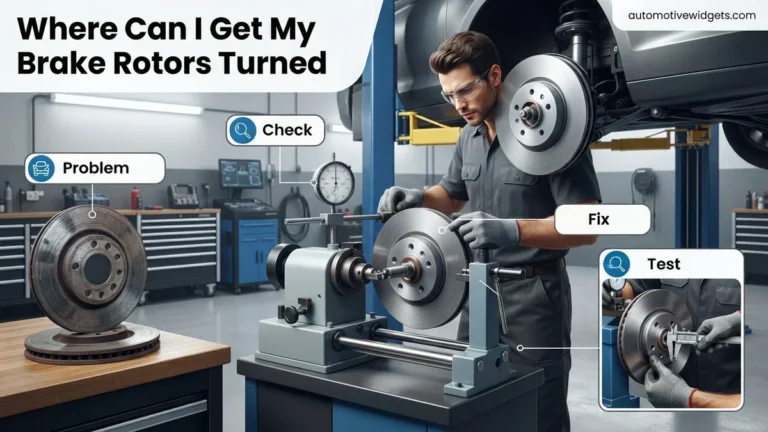
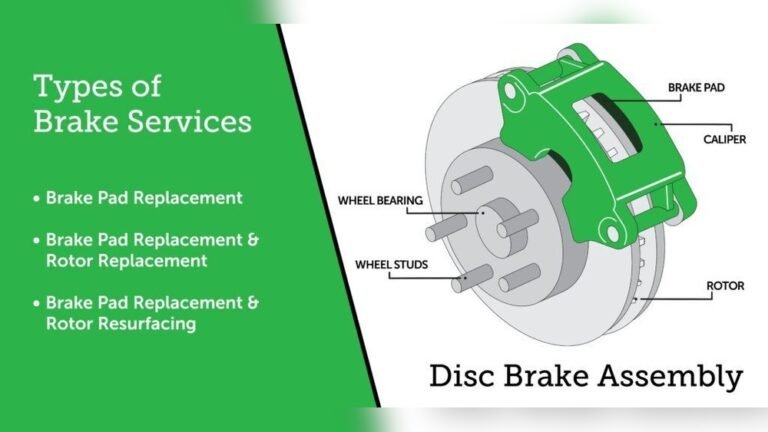
Brake rotors often become scored or thin below minimum safety tolerances by the time you reach this mileage milestone. Replacing your brake pads and resurfacing or swapping out your rotors ensures safe stopping distances.
Shock absorbers and struts leak hydraulic fluid and lose their damping capability, causing excessive body roll and bouncing over bumps. Control arm bushings and ball joints also develop dangerous play, leading to uneven tire wear and loose steering. After addressing mechanical wear, budgeting correctly for these professional services remains your next priority.
How Much Does Professional 100 000 Mile Service Cost
Financial planning for high mileage service requires understanding typical labor rates and parts markups. According to AAA and RepairPal data updated for 2025, a comprehensive 100,000-mile automotive service package typically ranges from $600 to $1,200 depending on the vehicle make and model (repairpal.com).
A comprehensive 100,000-mile tune up typically costs between six hundred and twelve hundred dollars at an independent repair facility. Dealership service packages often run higher due to elevated hourly labor rates and branded parts markup.
Frugal DIY car owners save substantial amounts on labor by tackling spark plugs, air filters, and fluid changes at home. However, specialized tools or labor-intensive timing belt jobs often justify hiring a professional technician. Reviewing frequently asked questions will clarify common concerns about this milestone service. Independent mechanics often charge significantly less than dealerships for identical 100000 mile car service.
7 Most Important 100000 Mile Car Service Questions Answered
Is It Worth Servicing a Car After It Reaches 100 000 Miles?
Servicing a vehicle at this mileage is generally worthwhile because routine maintenance costs far less than purchasing a new automobile. Addressing worn components restores reliability and prevents sudden catastrophic engine failures on the highway.
Can I Skip the Transmission Fluid Flush During My 100k Service?
Skipping a transmission fluid flush is risky because degraded fluid loses its protective lubricating properties. Fresh fluid prevents metal shaving buildup and extends the lifespan of sensitive internal gears.
How Long Does a Professional 100 000 Mile Tune up Take?
A comprehensive 100,000-mile service typically takes between one and two full business days. The exact duration depends heavily on whether technicians must replace a labor-intensive internal timing belt.
What Happens If I Ignore My Spark Plugs at 100k Miles?
Ignoring worn spark plugs causes engine misfires, rough idling, and a noticeable drop in fuel economy. Over time, faulty plugs can also damage expensive catalytic converters through unburnt fuel.
Should I Take My Car to a Dealership or an Independent Mechanic?
Independent mechanics usually charge lower labor rates while providing the same quality of parts as dealerships. Dealerships may offer specialized diagnostic software for certain foreign or luxury vehicle brands.
What to Expect During Your One Hundred Thousand Mile Service
Reaching the centennial odometer mark does not mean your vehicle is ready for the junkyard. Prioritizing fluid flushes and spark plug replacements protects your engine from premature breakdown. Budgeting for timely belt and suspension updates preserves vehicle resale value past the centennial mark in 2026.
Schedule an inspection with a certified mechanic today to review your vehicle owner manual service schedule. Knowing these essential answers makes tackling major mileage maintenance far less intimidating.