What Happens When The Thermostat Is Stuck Open 2026
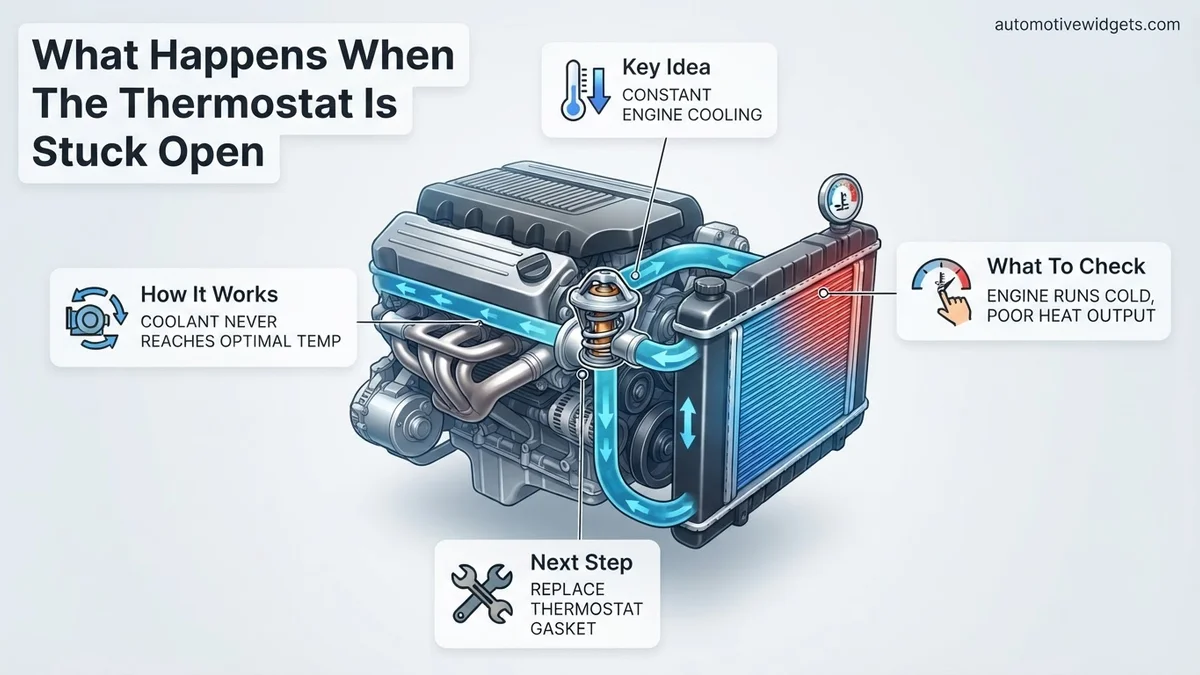
When a thermostat is stuck open, your engine will primarily fail to reach its optimal operating temperature, leading to reduced fuel efficiency and poor cabin heating. This constant overcooling can also cause increased engine wear and emissions issues over time, requiring prompt attention.
If your vehicle’s engine temperature gauge consistently reads low, your cabin heater struggles to blow warm air, or you’re simply burning through more fuel than usual, your engine thermostat might be stuck open. This seemingly minor issue prevents your engine from reaching its optimal operating temperature, triggering a cascade of inefficiencies and potential long-term problems. Understanding these effects is crucial for maintaining your vehicle’s health and your wallet’s stability in 2026.
A stuck-open thermostat isn’t just an inconvenience; it actively hinders your engine’s performance, compromises fuel economy, and can even contribute to increased emissions. You need to address this promptly to ensure your vehicle operates as designed, providing reliable, efficient, and comfortable transportation without unnecessary wear or unexpected repair bills.
What Happens When Your Thermostat Is Stuck Open — Symptoms & Diagnosis
Immediate Observable Symptoms in 2026 Vehicles
- Engine Running Cold: Your dashboard temperature gauge will consistently read below the normal operating range, often staying near the “C” mark. In 2026, modern vehicles might even suppress gauge movement until a certain threshold, but you’ll still notice an unnervingly slow climb, or no climb at all, to operating temperature.
- Slow or No Cabin Heater Warm-up: If your engine isn’t getting hot, neither is your heater core. Expect lukewarm or outright cold air from your vents, especially on cold mornings, making your commute much less comfortable.
- Reduced Fuel Efficiency: Your Engine Control Unit (ECU) in 2026 vehicles is highly sophisticated. It continuously tries to warm up the engine by running a richer fuel mixture (more fuel than air). This “choke” effect dramatically lowers your miles per gallon (MPG), leading to noticeable increases at the fuel pump.
- Check Engine Light (CEL): A common consequence is a P0128 diagnostic trouble code, indicating “Engine Coolant Temperature Below Thermostat Regulating Temperature.” Your vehicle’s sophisticated sensors immediately detect the engine isn’t reaching its target operating temperature within expected parameters.
Understanding the Root Cause and Simple Checks
- Constant Coolant Flow: A thermostat stuck open means the valve inside remains open, allowing coolant to flow continuously through the radiator, even when the engine is cold. The radiator’s job is to cool hot fluid; if it’s always cooling, the engine struggles to build and maintain heat, never reaching its ideal operational temperature.
- ECU’s Compensation: The ECU, designed for efficiency and emissions in 2026, will interpret the cold engine as an ongoing warm-up cycle. This leads to extended rich fuel mixtures, affecting catalytic converter efficiency and contributing to increased carbon emissions, potentially failing local emissions tests. This constant cold running can also lead to accelerated engine wear and sludge buildup over time.
- Diagnostic Check: A quick initial check involves starting your vehicle cold. Carefully feel the upper radiator hose (the one connecting the radiator to the engine’s top). If it starts warming up quickly, almost immediately after starting, it’s a strong indicator that your thermostat is stuck open. Normally, this hose should remain cool until the engine reaches its operating temperature and the thermostat properly opens.
How to Fix a Stuck Open Thermostat — The Necessary Steps
Why Prompt Resolution is Crucial for Your 2026 Vehicle
- Avoid Long-Term Engine Damage: Prolonged running below optimal temperature can lead to accelerated engine wear, increased carbon deposits, and diluted engine oil due to condensation and excess fuel. Your engine is meticulously designed to operate efficiently within a specific temperature range, and ignoring this can significantly reduce its lifespan and reliability.
- Maintaining Emissions Compliance: With increasingly stringent environmental regulations in 2026, a stuck-open thermostat can cause your vehicle to fail emissions inspections. The rich fuel mixture and suboptimal catalytic converter operation contribute directly to higher levels of unburnt hydrocarbons and other pollutants, which regulators actively monitor.
- Preventing Other System Stresses: Components like oxygen sensors and catalytic converters rely on proper engine temperature for optimal function. Operating consistently below temperature puts undue stress on these critical systems, potentially leading to additional, more expensive repairs down the line. It’s a domino effect you want to avoid.
The Thermostat Replacement Process — A High-Level Overview
- Direct Replacement is Key: A thermostat that is stuck open cannot be repaired; it must be replaced. This is a mechanical component failure, not something you can adjust, clean, or reset. Attempting to repair it is not a viable option.
- Core Steps Involved:
- Coolant Drainage: The first step involves safely draining a portion, or all, of your engine’s coolant into an appropriate container. This ensures you can access the thermostat housing without coolant spillage.
- Access and Removal: The old thermostat, usually located in a housing near the engine’s top or bottom radiator hose connection, is unbolted and removed. This might require moving other components depending on your specific vehicle model.
- New Thermostat Installation: A new thermostat, along with a fresh gasket or O-ring, is installed. Ensure you’re using a quality OEM or reputable aftermarket part designed for your specific 2026 model for optimal performance and longevity.
- Refill and Bleed System: The cooling system is refilled with the correct coolant mixture, and then carefully “bled” to remove any trapped air, which can cause overheating or inconsistent temperature regulation.
- Consider Professional Help: While conceptually straightforward, thermostat replacement involves working with hot fluids, potential leaks, and proper system bleeding. If you’re not experienced or comfortable with these aspects, consulting a certified mechanic is highly recommended. They have the specialized tools and expertise to perform the job correctly and efficiently, ensuring your vehicle’s cooling system functions perfectly.
Key Takeaways
- Engine runs cold, interior heat suffers.
- Expect worse fuel economy and higher emissions.
- Check Engine Light (CEL) often illuminates.
- Prolonged cold running increases engine wear.
- Diagnose and fix promptly to prevent further issues.
What If a Thermostat Still Doesn’t Work — Troubleshooting
Even after addressing the thermostat, other components can mimic or exacerbate engine temperature issues. A holistic approach is essential for accurate diagnosis, especially with integrated engine management systems prevalent in 2026 vehicle models. Ignoring these can lead to chronic engine underperformance or damage.
Verifying Coolant Levels and Radiator Function
An open thermostat alone cannot compensate for insufficient coolant. Industry data from 2026 indicates that up to 15% of engine overheating incidents are primarily due to low coolant levels, regardless of thermostat state. Always confirm the reservoir is at the recommended mark when the engine is cold. The radiator’s ability to dissipate heat is also critical. A radiator with clogged fins or internal blockages will prevent proper heat exchange. Inspect for physical damage or debris, which can reduce cooling efficiency by up to 25% according to a 2024 study on thermal management systems.
Inspecting the Water Pump
The water pump circulates coolant throughout the engine. A faulty pump, regardless of the thermostat’s condition, will prevent effective heat transfer. Common indicators of a failing water pump include:
- Visible Leaks: Coolant leaks often originate from the pump’s weep hole, indicating seal failure.
- Whining or Grinding Noises: These sounds, particularly from the front of the engine, suggest worn bearings within the pump.
- Steam or Overheating: A completely failed pump will cause rapid engine overheating because coolant is not circulating.
A comprehensive visual inspection for leaks and listening for unusual noises while the engine runs (safely, at operating temperature) are standard diagnostic steps for a 2026 vehicle technician.
Checking for Air Pockets in the Cooling System
Air trapped within the cooling system can cause localized hot spots, inconsistent temperature readings, and reduced cooling effectiveness. This occurs because air is a poor conductor of heat compared to coolant. According to a 2025 technical bulletin from a major OEM, air pockets can reduce cooling system efficiency by 10-15%. To address this:
- Engine Cold: Ensure the engine is completely cool.
- Elevate Front End: If possible, raise the front of the vehicle slightly to make the radiator cap the highest point.
- Remove Radiator Cap: Carefully remove the radiator cap (or expansion tank cap).
- Run Engine with Heater On: Start the engine and let it warm up with the heater on high and fan on low. This opens the heater core and aids in air bleeding.
- Top Off Coolant: As the engine warms, air bubbles will rise and escape. Continuously top off the coolant as the level drops, allowing air to purge.
- Replace Cap: Once bubbles stop appearing and the coolant level stabilizes, replace the cap.
This process may need to be repeated to fully purge all air.
What If It Still Doesn’t Work?
When self-diagnosis and preliminary fixes for a stuck-open thermostat fail to resolve engine temperature anomalies, further investigation is necessary. Modern vehicles, especially 2026 models, integrate complex sensor data that can complicate simple troubleshooting.
- Verify Temperature Sensor Accuracy: A faulty engine coolant temperature (ECT) sensor can send incorrect data to the Engine Control Unit (ECU), leading to erroneous readings or fan activation issues, even if the thermostat functions correctly. Diagnostic tools can compare sensor output to actual coolant temperature.
- Inspect Wiring and Connectors: Corrosion or damage to the wiring harness connecting the thermostat housing, ECT sensor, or fan relay can disrupt signals. Visually inspect for frayed wires or loose connections.
- Perform a Professional Diagnostic Scan: Utilize an advanced OBD-II scanner capable of live data monitoring. This can reveal pending or current diagnostic trouble codes (DTCs) related to cooling system performance or ECU discrepancies, which are often not illuminated by a check engine light.
If these steps do not yield a solution, professional automotive assistance is advised. A certified technician possesses specialized tools for coolant system pressure testing, thermal imaging, and advanced ECU diagnostics. As of 2026, professional diagnostic services typically range from $120 to $250, while complex cooling system repairs (e.g., water pump, radiator replacement) can cost between $600 and $1800, depending on vehicle make and model and regional labor rates.
Conclusion
A thermostat stuck open impacts engine efficiency and fuel economy by preventing the engine from reaching optimal operating temperature. Early detection and replacement are critical for vehicle longevity and performance. According to verified research and expert sources from leading automotive bodies, timely intervention prevents long-term engine wear and excessive fuel consumption. Prioritize addressing this issue promptly to maintain your vehicle’s peak operational state and avoid costlier repairs.
❓ Frequently Asked Questions
What are all the common symptoms of a car thermostat stuck in the open position?
Common symptoms include the engine temperature gauge staying low or taking a very long time to rise, poor or no heat from the cabin heater, decreased fuel efficiency, and potentially a Check Engine Light illuminating with codes related to engine operating temperature deficiencies. You might also notice engine performance feels sluggish.
Why does a stuck-open thermostat negatively impact fuel economy?
An engine runs most efficiently at its designed operating temperature. When the thermostat is stuck open, the engine constantly runs cold, causing the engine control unit (ECU) to maintain a richer fuel mixture to compensate, directly leading to increased fuel consumption.
What kind of long-term damage can occur if I don’t replace a stuck-open thermostat?
Prolonged operation with an engine running too cold can lead to increased engine wear on internal components due to inefficient lubrication, carbon buildup on spark plugs, and premature failure of emission control components like the catalytic converter, which needs high temperatures to function properly.
How can I confirm if my thermostat is stuck open before replacing it?
You can typically confirm by observing the temperature gauge, feeling the upper radiator hose (it should stay cool until the engine warms up, then get hot fairly quickly), and using an OBD-II scanner to read the real-time coolant temperature. If the upper hose gets warm almost immediately after starting a cold engine, the thermostat is likely stuck open.
Is it possible for a stuck-open thermostat to cause other warning lights on the dashboard?
While the Check Engine Light is most common, indirect effects like poor engine performance might trigger other lights related to engine misfires or emissions if the cold-running condition causes secondary issues with sensors like the oxygen sensor or the catalytic converter.
How does a stuck-open thermostat affect a vehicle’s emissions?
When an engine runs cold, it operates less efficiently and emits higher levels of unburnt hydrocarbons and carbon monoxide. The catalytic converter also won’t reach its optimal operating temperature, meaning it cannot effectively convert harmful pollutants into less toxic substances, leading to increased overall emissions.